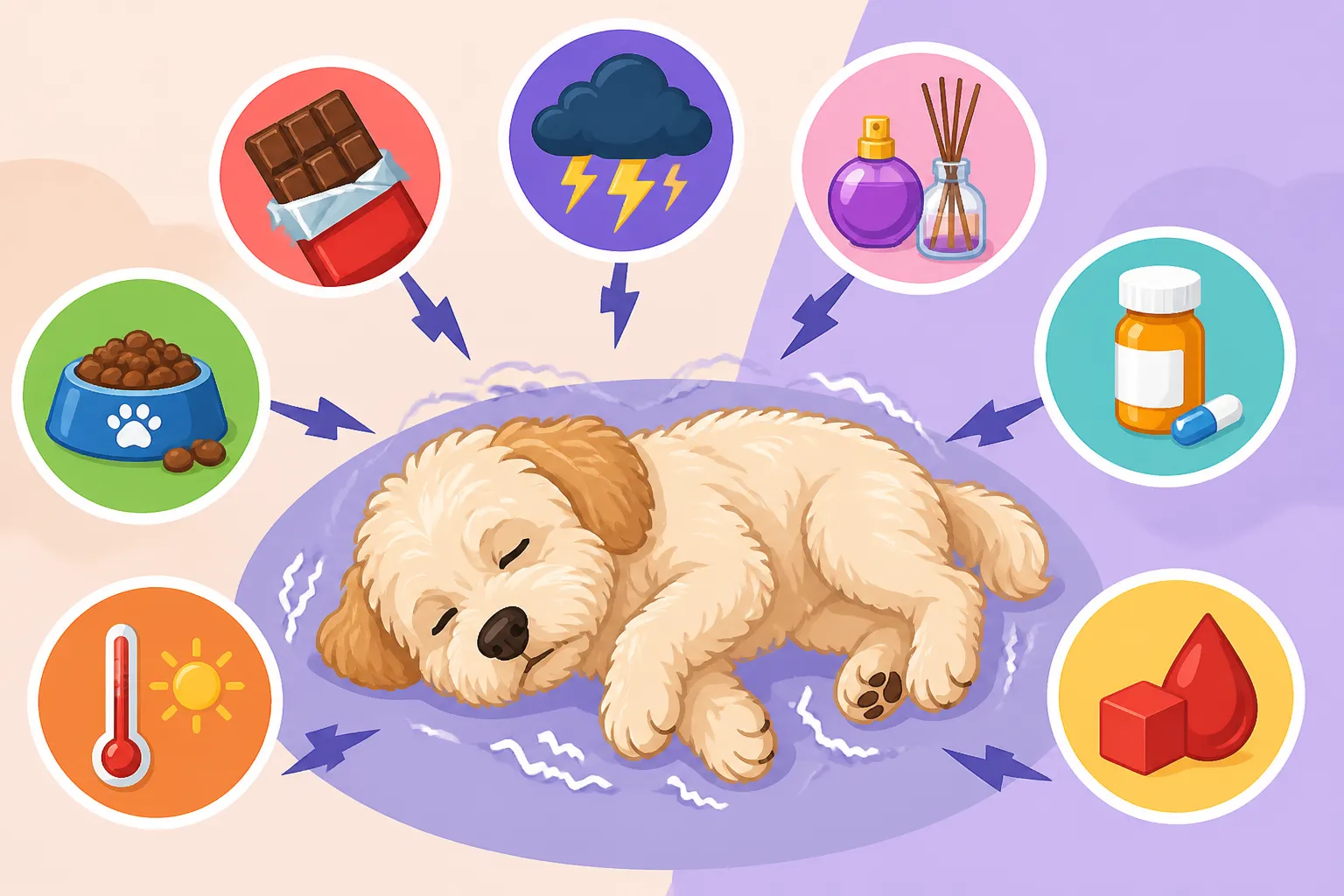
What Triggers a Maltipoo’s Seizures
Witnessing your beloved Maltipoo suddenly collapse, shake uncontrollably, or appear disoriented is one of the most terrifying experiences a pet parent can face. It's a moment filled with panic, confusion, and a desperate search for answers. This guide aims to demystify what triggers a Maltipoo's seizures, helping you understand the potential causes, how to identify them, and what steps you can take to manage this challenging condition for your furry family member.
Understanding Seizures in Maltipoos
Before we dive into what might trigger a seizure, it’s really helpful to understand what a seizure actually is and why our sweet Maltipoos might be particularly prone to them. It’s a lot more complex than just a dog shaking, and knowing the basics can make a world of difference when you’re talking to your vet.
What Exactly is a Seizure?
Imagine a sudden, uncontrolled electrical storm in your dog's brain. That's essentially what a seizure is – a temporary disturbance of normal brain activity. It's not a disease in itself, but rather a symptom of an underlying issue, much like a fever indicates an infection. These electrical surges can manifest in various ways, from subtle twitching to full-body convulsions.
The most commonly recognized type is a generalized seizure, often called a grand mal seizure. During this, your Maltipoo might lose consciousness, collapse, and experience rhythmic paddling of their legs, uncontrolled urination or defecation, and jaw chomping. It's incredibly distressing to watch. However, seizures can also be focal, meaning they affect only a specific part of the brain and thus a specific part of the body. This could look like twitching of one side of the face, snapping at invisible flies, or unusual chewing motions. Sometimes these focal seizures can "generalize" and spread to the entire brain.
Veterinarians often talk about three phases of a seizure. First, there's the pre-ictal phase, or "aura." This is the period right before the seizure begins, and your Maltipoo might show changes in behavior – becoming clingy, restless, anxious, or trying to hide. You might notice them staring blankly or appearing confused. This phase can last minutes to hours. Next comes the ictus, which is the seizure itself. This can be short, lasting from a few seconds to a few minutes. If it lasts longer than five minutes, or if your dog has multiple seizures in a row without fully recovering in between, it's considered a medical emergency called status epilepticus and requires immediate veterinary attention. Finally, there's the post-ictal phase, the recovery period. Your Maltipoo might appear disoriented, lethargic, temporarily blind, or extremely hungry or thirsty. They might wander aimlessly or be unresponsive to your calls. This phase can be quite prolonged, sometimes lasting hours or even a full day. Understanding these phases can help you better support your dog and provide crucial information to your vet.
Why Maltipoos are Susceptible
Maltipoos are truly wonderful dogs, blending the intelligence and low-shedding coat of the Poodle with the gentle, affectionate nature of the Maltese. However, bringing these two breeds together also means they can inherit certain predispositions. Both parent breeds have known susceptibilities to neurological conditions, which unfortunately can be passed down to their Maltipoo offspring, making them more prone to seizures than some other breeds.
From the Maltese side, there's a potential for conditions like White Shaker Syndrome (also called generalized tremor syndrome), which, while not strictly a seizure disorder, involves uncontrollable tremors that can sometimes be mistaken for seizures or even lead to them due to neurological overstimulation. On the Poodle side, there's a higher incidence of epilepsy, particularly idiopathic epilepsy, which we’ll delve into later. Additionally, small breed dogs in general, including Maltipoos, can be more vulnerable to conditions like hypoglycemia due to their fast metabolism and smaller body mass, which can directly trigger seizures. Their smaller skulls can also make them more susceptible to brain trauma from seemingly minor incidents. The delicate balance of their neurological system, inherited from both sides, means that several factors can easily tip the scales towards a seizure episode.
Common Environmental and Internal Triggers
While some seizures have deep-seated medical causes, many can be brought on by everyday environmental factors or internal imbalances that are actually quite common in small dogs like Maltipoos. Identifying these can be a crucial first step in preventing future episodes.
Stress and Emotional Upset
It might sound surprising, but stress and anxiety are very real seizure triggers for many dogs, including Maltipoos. Our furry friends are incredibly sensitive to changes in their environment and routine. Imagine a day where everything feels off-kilter – a new person in the house, a sudden move to a different city, or even just a particularly loud thunderstorm. These can all be incredibly unsettling for a sensitive Maltipoo, potentially leading to a seizure.
For example, I once heard about a Maltipoo named Luna who would have seizures every time her owners left for a vacation, even with a trusted pet sitter. The separation anxiety and disruption to her schedule were enough to trigger an episode. Similarly, loud noises like fireworks or construction can cause immense distress, elevating cortisol levels and potentially leading to neurological instability. Even a seemingly minor change, like rearranging furniture, can upset a dog's sense of security. It's believed that the surge in stress hormones can sometimes lower a dog's seizure threshold, making them more vulnerable. Creating a calm, predictable environment and gradually introducing changes can sometimes help mitigate this risk.
Food, Toxins, and Medications
What your Maltipoo eats, or accidentally gets into, can have a profound impact on their health, including their susceptibility to seizures. The world is full of hidden dangers for curious pups!
Certain human foods are highly toxic to dogs and can induce seizures. Chocolate, especially dark chocolate, is well-known for containing theobromine, which is toxic to dogs and can cause neurological symptoms including seizures. Xylitol, an artificial sweetener found in many sugar-free products like gum, candies, and even some peanut butters, is incredibly dangerous. It causes a rapid drop in blood sugar (hypoglycemia) and can lead to liver failure and seizures. Other culprits include caffeine, alcohol, and certain nuts. It’s always best to be vigilant about what your Maltipoo has access to.
Beyond food, household toxins are another major concern. Cleaning products, pesticides, rodenticides, antifreeze, and even certain houseplants can all cause severe neurological reactions if ingested. Keeping these items securely stored and out of reach is paramount. Even some common flea and tick preventatives, especially older formulations or those not specifically prescribed by your vet for your Maltipoo's size and breed, can cause adverse reactions, including seizures, in sensitive individuals. Always discuss any medications or preventatives with your veterinarian, and remember that even over-the-counter options aren't always safe for every dog.
Metabolic Imbalances
For smaller breeds like Maltipoos, metabolic imbalances are a surprisingly common and dangerous trigger for seizures. Their small size means their bodies work a little differently, making them more vulnerable to certain conditions.
One of the most critical is hypoglycemia, or dangerously low blood sugar. Puppies, especially very small ones like Hypoglycemia and the Teacup Maltipoo Puppy, are particularly susceptible because their tiny bodies don't have large reserves of glucose. If a puppy misses a meal or burns too much energy without replenishment, their blood sugar can plummet, leading to lethargy, weakness, disorientation, and ultimately, seizures. This is why it's so vital that a Why a Two Pound Maltipoo Cannot Skip a Meal or any small Maltipoo puppy is fed frequently and consistently, sometimes up to four meals a day when they're very young. Knowing What a Hypoglycemic Episode Looks Like in a Maltipoo is vital for early intervention.
Beyond blood sugar, other metabolic issues can also trigger seizures. Liver shunts, like The Liver Shunt a Maltipoo Can Inherit From the Maltese, can prevent the liver from properly filtering toxins from the blood. These toxins can then build up and affect brain function, leading to neurological symptoms including seizures. Kidney disease, though more common in older dogs, can also cause a buildup of toxins that impact the brain. Imbalances in electrolytes, like sodium or calcium, can also disrupt normal brain electrical activity. Regular veterinary check-ups, including blood work, are essential for catching these issues early.
Head Trauma or Injury
While Maltipoos are generally playful and robust for their size, their small stature and delicate bones make them more susceptible to head trauma, which can be a direct trigger for seizures. It’s a heartbreaking reality that a seemingly innocent fall can have serious consequences.
A common scenario is a fall from furniture, like a sofa or a bed. Even a short drop can cause a significant impact on a tiny Maltipoo's head. Imagine your playful pup leaping off the armrest in pursuit of a toy – that momentary lapse in judgment can lead to a concussion or more severe brain injury. Owners often ask Whether a Maltipoo Can Be Injured by a Fall, and the answer is a resounding yes. Their small size means there's less mass to absorb impact, and their skulls, especially in younger puppies, might not be fully fused, leaving them more vulnerable.
Accidents during rough play, especially with larger dogs or rambunctious children, can also result in head injuries. Even being accidentally stepped on can be devastating. These injuries can cause swelling, bleeding, or bruising in the brain, leading to an abnormal electrical discharge and a seizure. In some cases, scar tissue can form after an injury, which can become an ongoing source of seizure activity years down the line. Preventative measures, like using ramps or steps for furniture, supervising play closely, and ensuring children understand how to safely interact with a small dog, are paramount.
Underlying Health Conditions and Genetic Factors
Sometimes, seizures aren't just a reaction to an external trigger but rather a symptom of a deeper, ongoing health issue or a genetic predisposition. These are often more complex to diagnose and manage, requiring close collaboration with your veterinarian.
Idiopathic Epilepsy
This is perhaps the most frustrating diagnosis for a Maltipoo owner because "idiopathic" simply means "of unknown cause." Idiopathic epilepsy is a condition where a dog experiences recurrent seizures without any identifiable underlying brain lesion or metabolic abnormality. It's essentially a diagnosis of exclusion – once all other potential causes have been ruled out through extensive testing, a vet might conclude it's idiopathic epilepsy.
This type of epilepsy is often inherited and is more common in certain breeds, including the Poodle, making Maltipoos more susceptible. The typical age of onset is usually between six months and five years. The seizures often occur seemingly at random, without any obvious trigger, which can be incredibly disheartening for owners trying to prevent them. While there's no cure for idiopathic epilepsy, it can often be managed effectively with anti-seizure medications prescribed by your vet. The goal is to reduce the frequency, severity, and duration of the seizures, improving your Maltipoo's quality of life. Owners of these dogs often wonder Whether an Epileptic Maltipoo Can Be Managed, and thankfully, the answer is often yes with consistent care.
Brain Tumors and Structural Abnormalities
In some cases, seizures can be a direct result of something physically wrong inside the brain itself. Brain tumors, whether benign or malignant, can press on brain tissue, disrupt normal electrical pathways, and lead to seizure activity. These tumors can be primary (originating in the brain) or metastatic (spreading from cancer elsewhere in the body). The seizures caused by tumors often begin suddenly in older dogs and may worsen over time.
Structural abnormalities can also play a role, especially in small breeds. Hydrocephalus, often referred to as "water on the brain," is a condition where there's an excessive accumulation of cerebrospinal fluid within the brain's ventricles. This increased pressure can damage brain tissue and lead to seizures, among other neurological signs. Maltipoos, due to their Poodle heritage and smaller skull size, are at a slightly higher risk for this congenital condition. Many owners naturally worry Whether a Maltipoo Gets Hydrocephalus. Other congenital malformations or even old stroke lesions can also predispose a dog to seizures. Diagnosing these conditions typically requires advanced imaging like an MRI or CT scan, which can be costly but are often essential for determining the best course of treatment.
Infections and Inflammations
Infections or inflammatory conditions affecting the brain or its surrounding membranes can also trigger seizures. These are often acute and serious medical emergencies requiring immediate veterinary intervention.
Meningitis, an inflammation of the membranes surrounding the brain and spinal cord, and encephalitis, an inflammation of the brain itself, can both lead to seizures. These can be caused by bacterial, viral, fungal, or parasitic infections. For example, distemper, a highly contagious viral disease, can cause severe neurological symptoms, including seizures, in unvaccinated dogs. Other infections, like those caused by certain tick-borne diseases, can also have neurological manifestations.
Autoimmune conditions, where the body's immune system mistakenly attacks its own brain tissue, can also cause inflammation and seizures. These cases are often more complex to diagnose and may require specialized tests like a spinal tap (cerebrospinal fluid analysis) to identify the specific type of inflammation or infection. Prompt diagnosis and aggressive treatment with antibiotics, antivirals, or anti-inflammatory medications are crucial to minimize brain damage and control seizures in these situations. Vaccinations play a key role in preventing some of these infectious causes.
Managing and Mitigating Seizure Triggers
Once you've navigated the initial shock and panic of a seizure, the next step is to work closely with your vet to manage and ideally mitigate future episodes. This often involves a multi-faceted approach, blending medical treatment with careful home management.
Environmental Control and Routine
For many Maltipoos prone to seizures, creating a stable, low-stress environment is fundamental. Just like with people, a predictable routine can be incredibly calming and reduce the likelihood of a seizure being triggered by anxiety or sudden changes.
Start by identifying potential stressors in your home. Are there sudden loud noises, like a frequently barking dog next door or loud music? Try to minimize these or create a "safe haven" for your Maltipoo, perhaps a quiet crate in a secluded room, where they can retreat when things get overwhelming. Consistent daily routines for feeding, walks, and playtime can provide a sense of security. If you know certain events, like visitors or fireworks, are coming up, try to prepare your Maltipoo by gradually desensitizing them or providing a calming space and comforting presence. Even ensuring your dog has a comfortable, quiet place to sleep and feel secure can make a big difference. Remember, their world is largely defined by their immediate surroundings, so making that world as peaceful as possible is vital.
Dietary Management and Supplementation
Diet plays a surprisingly significant role in seizure management, especially for small breeds like Maltipoos. As we touched on earlier, maintaining stable blood sugar levels is critical to prevent hypoglycemia-induced seizures.
This means adhering to a consistent feeding schedule and ensuring your Maltipoo receives appropriate portions of high-quality food. For puppies and very small adults, this might mean feeding smaller meals more frequently throughout the day. For example, How Often a Teacup Maltipoo Puppy Must Eat is often 3-4 times a day, not just twice. Always measure your Maltipoo's food carefully to prevent both underfeeding (leading to hypoglycemia) and overfeeding (leading to obesity, which can exacerbate other health issues).
Beyond scheduled meals, carefully consider treats and human foods. Absolutely avoid any known toxic ingredients like xylitol or chocolate. Some vets might recommend specific dietary changes, such as a ketogenic diet (high in fat, low in carbs) or supplementation with medium-chain triglycerides (MCT oil), as these have shown promise in some seizure patients by providing alternative fuel for the brain. However, never make drastic dietary changes without first consulting your veterinarian. They can help you craft a diet plan that is safe and beneficial for your specific Maltipoo's needs.
Working With Your Veterinarian
This is, without a doubt, the most crucial step in managing your Maltipoo's seizures. Your veterinarian is your partner in this journey, and their expertise is invaluable for diagnosis, treatment, and ongoing care.
When your Maltipoo has a seizure, try to record as much information as possible: the date, time, duration, what happened before, during, and after the seizure, and how long the recovery (post-ictal) phase lasted. Video recordings can be incredibly helpful for your vet to see exactly what the seizure looks like. This seizure log provides vital data to help your vet understand patterns and assess the effectiveness of treatment.
Your vet will likely recommend a series of diagnostic tests to rule out underlying causes, which can include blood work (to check for metabolic issues like liver shunts or hypoglycemia, as well as kidney function and electrolyte balance), urinalysis, and potentially advanced imaging like an MRI or CT scan to look for brain tumors, hydrocephalus, or other structural abnormalities. In some cases, a spinal tap might be needed.
If idiopathic epilepsy is diagnosed, or if seizures are frequent or severe enough, your vet will discuss anti-seizure medications. These medications don't cure epilepsy but work to control the seizures, reducing their frequency and intensity. Finding the right medication and dosage can take time and may involve adjusting different drugs or combinations. Regular blood tests will be needed to monitor medication levels and check for any side effects on organs like the liver.
It's important to be prepared for the potential costs associated with seizure diagnosis and long-term management. These tests and medications can add up quickly. This is where pet insurance, like Healthy Paws, can be a real lifeline. Having a good policy in place early on can help cover a significant portion of the veterinary bills for unexpected illnesses or accidents, potentially including chronic conditions like epilepsy. It gives you peace of mind, knowing you can provide the best care for your Maltipoo without feeling overwhelmed by the financial burden. Understanding What Insuring a Maltipoo Runs Monthly and choosing comprehensive coverage can make a huge difference in your ability to follow through on all necessary treatments.
Regular check-ups, like The Yearly Checks a Maltipoo Should Get, become even more critical when managing a seizure disorder. These appointments allow your vet to monitor your Maltipoo’s overall health, adjust medications as needed, and discuss any new concerns.
Summary of Common Seizure Triggers and Mitigation Strategies
Here's a quick overview to help you keep track of potential triggers and what you can do:
| Trigger Category | Specific Examples | Mitigation Strategies |
|---|---|---|
| Metabolic Imbalances | Hypoglycemia (low blood sugar) | Consistent, frequent feeding schedule; high-quality small breed diet; avoid skipping meals; keep emergency sugar source (Karo syrup/Nutri-Cal) on hand. |
| Liver shunt, kidney disease, electrolyte issues | Regular vet check-ups with blood work; specific dietary management (as advised by vet); prompt treatment of underlying conditions. | |
| Toxins & Medications | Chocolate, xylitol, pesticides, cleaning supplies | Securely store all toxic substances; vigilant supervision; avoid sharing human food; read all labels; use only vet-approved flea/tick preventatives. |
| Stress & Environment | Loud noises, separation anxiety, routine changes | Create a calm home environment; establish consistent daily routines; provide a safe, quiet retreat; gradual introduction to new experiences; consider calming aids (diffusers, Thundershirts). |
| Head Trauma | Falls from furniture, accidental injury | Use ramps/steps for beds/sofas; supervise play with other pets/children; avoid situations where they might fall or be stepped on; ensure secure travel carriers. |
| Underlying Conditions | Idiopathic epilepsy, brain tumors, hydrocephalus | Work closely with your vet for diagnosis (blood tests, MRI, CSF tap); adhere strictly to prescribed anti-seizure medication schedule; maintain a detailed seizure log; consider pet insurance for diagnostic and treatment costs. |
| Infections (meningitis, encephalitis) | Ensure up-to-date vaccinations; prompt treatment for any suspected infections; minimize exposure to sick animals. |
Disclaimer
The information provided in this article is for educational and informational purposes only, and does not constitute veterinary medical advice. Always consult with a qualified veterinarian regarding any health concerns or before making any decisions about your Maltipoo's care or treatment.