The Yearly Checks a Maltipoo Should Get
It’s a quiet worry many Maltipoo parents carry: our little fluffballs are so good at hiding when something's wrong. You might not notice a subtle shift in their energy or a tiny ache until it becomes a much bigger, more concerning issue. This is precisely why those yearly vet check-ups aren't just a suggestion; they're an absolute lifeline for our beloved Maltipoos, providing a crucial opportunity to spot potential health problems before they escalate into something serious and costly.
Why Annual Vet Visits Are Non-Negotiable for Your Maltipoo
Bringing a Maltipoo into your life means committing to their health and happiness for their entire lifespan, which can be a wonderful The Twelve to Fifteen Years a Maltipoo Lives. And part of that commitment involves regular visits to the veterinarian. It’s easy to think, "My dog seems fine, why bother?" But with small breeds like Maltipoos, their natural stoicism and size can often mask underlying health issues that are quietly developing beneath the surface. These annual visits are truly your best defense against unexpected health crises.
Catching Silent Issues Early
Maltipoos, being a crossbreed of Maltese and Poodle, inherit a genetic predisposition to several health conditions from both sides of their family tree. Some of these conditions, unfortunately, don't scream for attention in their early stages. Take dental disease, for example. It often starts as mild plaque accumulation but can quickly progress to painful gum inflammation, infections, and even tooth loss, impacting their ability to eat and causing systemic health problems if left unchecked. Your vet can spot the early signs during a routine examination long before your Maltipoo shows obvious discomfort or struggles to chew.
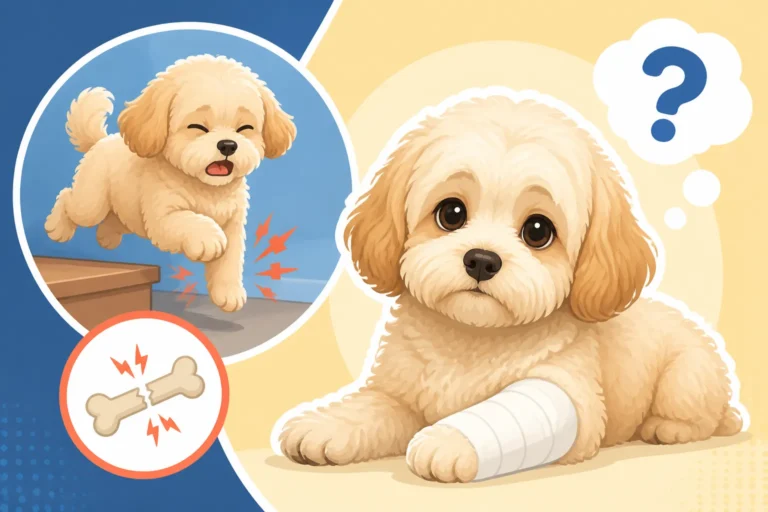
Another common silent issue for Maltipoos is patella luxation, or "slipping kneecaps." Your little one might just have an occasional skip in their step, which you might dismiss as playful exuberance. However, this could be an early sign of their kneecap dislocating, which can worsen over time and lead to arthritis. During an annual physical, your vet will meticulously check your Maltipoo's knees, assessing for any looseness or movement that indicates a problem. Catching these kinds of issues when they're minor means you can start a management plan—whether it's supplements, activity modification, or simply monitoring—before it requires more drastic intervention like surgery. Early detection doesn't just improve their quality of life; it can also significantly reduce future veterinary bills.
The Importance of Preventive Care
Beyond detecting nascent problems, annual check-ups are the cornerstone of preventive care. Think of it like your own yearly physical: it's not just about finding what's wrong, but about making sure everything that's right stays that way. For Maltipoos, this includes staying on top of vaccinations, year-round parasite control, and getting personalized advice on nutrition and lifestyle.
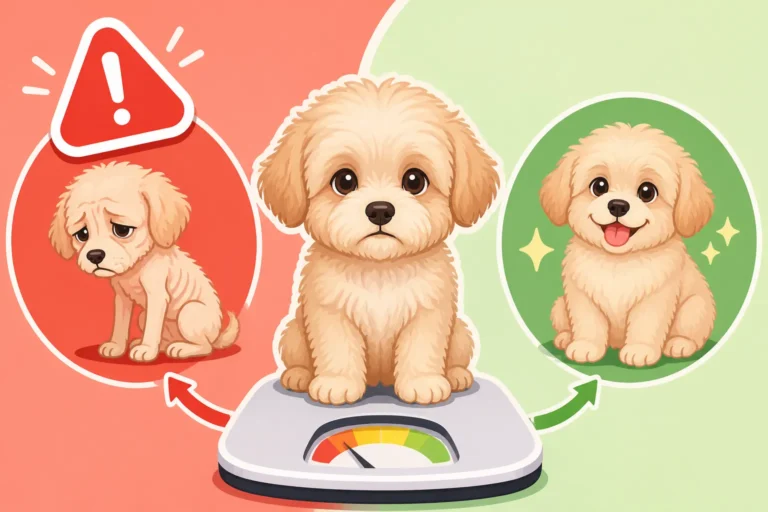
Vaccinations, tailored to your Maltipoo's specific risks and exposure, protect them from potentially deadly diseases like rabies, distemper, parvovirus, and kennel cough. Parasite prevention, including heartworm medication, flea, and tick control, is also crucial. Even indoor Maltipoos are at risk from parasites brought in on shoes or by other pets. Your vet can recommend the most effective and safest products, like those found through providers often covered by pet insurance plans such as Healthy Paws, ensuring continuous protection. Moreover, these visits are an invaluable opportunity to discuss your Maltipoo's diet. Are they getting the right balance of nutrients? Are their portions appropriate for their activity level to avoid weight gain, which can exacerbate joint problems? Is it time to transition from puppy food to adult food? Your vet can provide guidance that's specific to your dog's age, size, and health status, helping you maintain optimal well-being. This proactive approach can help avoid costly emergencies, such as What an Emergency Sugar Crash Costs a Maltipoo Owner, by preventing the underlying issues.
What to Expect During Your Maltipoo's Annual Physical Exam
When you bring your Maltipoo in for their yearly check-up, your veterinarian performs a thorough "nose-to-tail" examination. This isn't just a quick glance; it's a systematic assessment designed to uncover any abnormalities or subtle signs of illness. It’s your vet's chance to get a complete picture of your dog's overall health and well-being.
Nose-to-Tail Physical Assessment
The physical exam begins with a general observation: how your Maltipoo walks, interacts, and breathes. Then, your vet will get down to the specifics. They'll meticulously check your Maltipoo's eyes, looking for any signs of redness, discharge, cloudiness (which could indicate Whether a Maltipoo Gets Cataracts), or potential issues like Tear Duct Problems in a Maltipoo that can lead to tear staining. They'll also check for any ingrown eyelashes or other ocular abnormalities, some of which are genetic. Similarly, the ears will be examined for redness, discharge, odor, or excessive hair growth, all common culprits behind ear infections in floppy-eared breeds like Maltipoos.
Next up is the mouth. Given that The Forty Two Teeth Crowding a Maltipoo's Jaw can lead to significant dental issues, your vet will pay close attention to their teeth and gums. They’ll look for tartar buildup, gingivitis, retained baby teeth, and any loose or broken teeth. They’ll also palpate your Maltipoo’s jaw and lymph nodes, checking for any swelling or discomfort. Listening to the heart and lungs with a stethoscope is crucial to detect any murmurs, irregular rhythms, or signs of respiratory issues such as The Cough That Means a Maltipoo's Trachea Is Collapsing. The abdomen will be gently palpated to feel for any organ enlargement, masses, or tenderness. Finally, the vet will assess your Maltipoo's skin and coat for any lumps, bumps, rashes, parasites, or signs of Allergies Behind a Maltipoo's Itching, as well as examining their paws and nails.
Orthopedic and Neurological Evaluations
One of the most critical parts of the physical exam for a Maltipoo is the orthopedic assessment. As mentioned, patella luxation is a common concern. Your vet will carefully manipulate each kneecap to determine its stability, noting any "slipping" or abnormal movement. They'll assess the range of motion in all joints and check for any pain or stiffness that could indicate conditions like arthritis or Legg-Calvé-Perthes disease, a hip joint disorder sometimes seen in small breeds. Understanding The Four Patella Grades and Where a Maltipoo Lands is something your vet will be able to explain thoroughly if they find any issues.
While less common to have overt neurological problems, a brief neurological exam is still part of a comprehensive check-up. Your vet will observe your Maltipoo's gait, coordination, and reflexes. They might check paw placement and assess for any tremors or signs of weakness. This evaluation helps ensure that the nervous system is functioning correctly and can catch subtle signs of neurological issues early, even if your Maltipoo hasn't displayed any obvious symptoms at home. It’s all about building that baseline of health that makes it easier to spot deviations in the future.
Essential Diagnostic Tests for Maltipoos
Beyond the hands-on physical exam, your vet might recommend certain diagnostic tests as part of the yearly check-up. These tests provide invaluable insights into your Maltipoo's internal health, often revealing issues that aren't apparent from the outside. They are especially important for screening for breed-specific conditions and monitoring overall organ function.
Bloodwork and Urinalysis
For adult and especially senior Maltipoos, annual bloodwork and urinalysis are highly recommended. A complete blood count (CBC) can detect anemia, inflammation, infection, and certain blood disorders. A chemistry panel provides a snapshot of organ function, including the kidneys, liver, and pancreas. It can reveal early signs of kidney disease, diabetes, or even serious liver issues such as The Liver Shunt a Maltipoo Can Inherit From the Maltese, which can be congenital in Maltese-derived breeds. Early detection of these conditions allows for prompt intervention, dietary changes, or medication, which can significantly slow disease progression and improve your Maltipoo's quality of life.
Urinalysis complements bloodwork by evaluating kidney function, detecting urinary tract infections, and identifying conditions like diabetes or bladder stones. For Maltipoos nearing or in their senior years (typically around 7-8 years old), these tests become even more critical, as many age-related diseases begin subtly and can be managed effectively when caught early. Furthermore, if your Maltipoo needs a dental cleaning or any other procedure requiring anesthesia, pre-anesthetic bloodwork is absolutely vital to ensure their internal organs are healthy enough to safely metabolize the anesthetic agents. Insurance providers like Healthy Paws often highlight the benefits of these routine screenings for long-term health management.
Fecal Exams and Parasite Screening
Even if your Maltipoo is primarily an indoor dog, a yearly fecal exam is essential. Intestinal parasites like roundworms, hookworms, whipworms, and giardia can be picked up from contaminated soil, water, or even from flies. Many of these parasites aren't always visible in stool, and your Maltipoo might not show overt symptoms until the infestation is severe. The fecal exam helps identify these unwelcome guests, allowing your vet to prescribe appropriate deworming medications.
Heartworm testing is another crucial yearly screening, especially if you live in an area where mosquitoes are prevalent. Heartworms are transmitted by mosquitoes and can cause severe, life-threatening heart and lung disease. Once detected, treatment can be lengthy, expensive, and risky, which is why prevention is paramount. Your vet will perform a simple blood test to ensure your Maltipoo is heartworm-free before prescribing or refilling monthly preventive medication. This combination of fecal exams and heartworm testing ensures comprehensive protection against internal parasites that can silently compromise your Maltipoo's health.
Tailored Care: Addressing Breed-Specific Maltipoo Concerns
Maltipoos, with their delightful mix of Maltese and Poodle traits, also come with a unique set of breed-specific health considerations. A good annual check-up doesn't just cover general health; it specifically targets these vulnerabilities to keep your furry friend thriving. Understanding these common concerns helps you partner with your vet to provide the best possible care.
Dental Health: A Constant Battle
Ask any Maltipoo owner, and they’ll likely tell you that keeping those tiny teeth clean feels like a never-ending quest. This isn't just anecdotal; small breeds like Maltipoos are notoriously prone to dental disease due to their crowded mouths. Their jaws are often too small for all 42 adult teeth to fit comfortably, leading to overcrowding, food impaction, and accelerated plaque and tartar buildup. This is why daily tooth brushing is not just a recommendation but a necessity.
During your Maltipoo's annual exam, your vet will thoroughly inspect their mouth, assessing the level of tartar, checking for gingivitis, and looking for any signs of retained baby teeth that never fell out. These retained teeth can cause further crowding and trap food, leading to severe issues. If significant tartar is present, your vet will likely recommend a professional dental cleaning under anesthesia. While this can seem daunting, it's a vital procedure to prevent painful infections, tooth loss, and systemic health problems caused by bacteria entering the bloodstream. Regular check-ups help you manage this ongoing battle, preventing minor issues from escalating into major health emergencies.
Joint Health and Mobility
The adorable, springy gait of a Maltipoo can sometimes mask an underlying joint issue, particularly patella luxation, where the kneecap slips out of place. This condition, common in both Maltese and Poodles, is a significant concern for Maltipoo parents. While some dogs live with lower-grade luxation without severe pain, it can predispose them to early arthritis and more serious mobility issues as they age. Your vet's orthopedic examination during the annual check-up is designed specifically to detect this.
Beyond patella luxation, other joint and bone conditions can affect small breeds. While less common, Legg-Calvé-Perthes disease, a condition affecting the hip joint, can also occur. The vet will feel for any crepitus (a crunching sound), pain, or instability in the joints. If a concern is identified, they might suggest X-rays to get a clearer picture of the joint structure. Depending on the severity, management could range from joint supplements and anti-inflammatory medications to specialized diets, or in more severe cases, surgical intervention. Early diagnosis of Slipping Kneecaps in a Maltipoo through these yearly checks allows for timely and effective management, helping your Maltipoo maintain their playful mobility for years to come.
Eye and Ear Care
Maltipoos' big, expressive eyes and floppy, well-furred ears are part of their charm, but they also require specific attention. Tear staining, particularly prevalent in lighter-colored Maltipoos, is often due to excessive tear production or blocked tear ducts. While not always a medical emergency, chronic wetness can lead to skin irritation and infection. Your vet will examine the eyes for any underlying causes, such as ingrown eyelashes (distichiasis) or corneal abrasions, and discuss management strategies for tear staining. They'll also screen for more serious inherited eye conditions like Progressive Retinal Atrophy (PRA), which The Eyes a Maltipoo Gets From the Poodle side might carry.
Their floppy ears, while adorable, create a warm, moist environment that is a perfect breeding ground for yeast and bacterial infections. Furthermore, hair growth deep within the ear canal can trap wax and debris, exacerbating the problem. During the annual exam, your vet will thoroughly inspect the ear canals using an otoscope, looking for signs of infection, inflammation, or excessive hair. They can also demonstrate how to properly clean your Maltipoo's ears at home and advise on whether plucking ear hair is necessary for your individual dog. Proactive ear care, guided by your vet, can prevent painful and recurrent ear infections.
Lifestyle and Age-Related Considerations
Your Maltipoo's health needs aren't static; they evolve as your furry companion progresses through different life stages. What's crucial for a puppy might be less of a concern for an adult, and senior Maltipoos require a whole new level of attention. These annual check-ups are perfectly timed opportunities to adjust their care plan to their current age and lifestyle.
Puppies to Adults: Changing Needs
Bringing home a Maltipoo puppy is an exciting time, but it's also a period of intense veterinary care. Puppyhood involves a series of vaccinations, often starting around 6-8 weeks, to build their immunity against common diseases. Your vet will guide you through this schedule, ensuring they receive all necessary boosters. They'll also discuss critical preventive measures like deworming protocols, flea and tick prevention, and initial heartworm prevention. For Maltipoo puppies, nutrition is especially important to prevent issues like hypoglycemia, and your vet can advise on the best small-breed puppy food and feeding schedule, knowing that Why a Two Pound Maltipoo Cannot Skip a Meal is a serious concern.
As your Maltipoo transitions from a puppy to an adult (typically around one year of age), their veterinary needs shift. The focus moves from foundational immunity to maintaining health and screening for developing conditions. Your vet will advise on transitioning to adult dog food, discuss spaying or neutering if it hasn't already been done, and establish their baseline adult weight and condition. This is also a good time to discuss behavioral development and training, making sure your Maltipoo is a well-adjusted member of the family. The annual visit becomes a comprehensive wellness check to ensure they are on track for a long, healthy life.
Senior Maltipoos: Extra Vigilance
The golden years for a Maltipoo, typically starting around age 7-8, bring a new set of health considerations. While it’s wonderful to see them age gracefully, this is when subtle signs of chronic diseases often begin to emerge. For senior Maltipoos, annual vet visits might even become semi-annual (every six months) to allow for closer monitoring. The goal shifts towards early detection and management of age-related conditions to maintain their comfort and quality of life.
Common concerns for senior Maltipoos include arthritis, which can make them stiff or reluctant to jump; cognitive dysfunction (similar to canine dementia); decreased vision and hearing; and a higher incidence of kidney disease, heart conditions, and certain cancers. Your vet will pay extra attention to joint mobility, conduct more thorough bloodwork and urinalysis to monitor organ function, and discuss any changes in appetite, thirst, bathroom habits, or behavior. They might suggest supplements for joint health, special senior diets, or medications to manage pain or other symptoms. Regular check-ups are vital for Caring for a Maltipoo Past Ten, allowing you to address new challenges proactively and ensure your senior Maltipoo remains as comfortable and happy as possible during their twilight years. This extended vigilance can also be supported by comprehensive pet insurance plans, like those offered by Healthy Paws, which are invaluable for managing the increased veterinary costs often associated with senior care.
Preparing for Your Maltipoo's Vet Appointment
A smooth and productive vet visit starts long before you walk through the clinic doors. Taking a few proactive steps can help you maximize the time with your veterinarian, ensure you get all your questions answered, and make the experience less stressful for your beloved Maltipoo.
Gathering Information
Before your appointment, take a few minutes to observe your Maltipoo closely and jot down any changes or concerns you've noticed since their last visit. Think about their daily routine: have there been any shifts in appetite or water consumption? Are they going to the bathroom more or less frequently, or are there any changes in the consistency of their stool or urine? Have you noticed any coughing, sneezing, limping, skin irritation, or behavioral changes like increased anxiety or lethargy? Even seemingly minor details, like a new habit of paw licking or a slight decrease in activity, can provide your vet with valuable clues.
It's also a great idea to make a list of any questions you have. Do you want to know about the best diet for their age? Are you curious about dental care options or strategies for grooming? Do you need advice on preventing tear stains or managing their coat? Having a written list ensures you don't forget anything important during the consultation, especially since appointments can sometimes feel a bit rushed. The more information you can provide, and the more prepared you are with your questions, the better your vet can tailor their advice and examination to your Maltipoo's specific needs.
Making the Visit Less Stressful
For some Maltipoos, a trip to the vet can be a source of anxiety. The strange smells, unfamiliar sounds, and being handled by strangers can be overwhelming for small dogs. However, there are many ways you can help make the experience more positive. Start by getting your Maltipoo accustomed to car rides from a young age, making them pleasant experiences with treats and praise, not just for vet visits. Practice handling them gently at home – looking in their ears, opening their mouth, touching their paws – so they are more comfortable with being examined.
Consider packing a small bag with their favorite high-value treats and a comforting toy or blanket. During the appointment, use a calm, reassuring voice and offer treats frequently, especially during examinations or vaccinations. If your Maltipoo is particularly anxious, ask your vet about a "happy visit" – a quick trip to the clinic just for treats and praise, without any procedures, to build positive associations. For severely anxious dogs, your vet might even discuss pre-visit calming supplements or mild sedatives to ensure a stress-free experience for everyone. A less stressed Maltipoo allows for a more thorough examination and a more pleasant visit for both of you.
Here's a handy overview of the yearly checks a Maltipoo should get, broken down by life stage:
| Life Stage | Focus Areas | Recommended Checks & Tests | Common Concerns to Discuss |
|---|---|---|---|
| Puppy (8 wks – 1 yr) | Growth, Vaccination, Socialization | Multiple Vet Visits (every 3-4 wks initially), Physical Exam, Fecal Exams, Deworming, Core Vaccinations (Distemper, Parvo, Rabies), Heartworm Prevention, Flea/Tick Prevention | Hypoglycemia risk, Retained baby teeth, Housetraining, Diet & Nutrition, Socialization, Spay/Neuter timing |
| Adult (1 – 7 yrs) | Maintenance, Early Detection | Annual Physical Exam, Core Vaccinations (as needed, often 3-year protocol), Fecal Exam, Heartworm Test & Prevention, Flea/Tick Prevention, Dental Exam | Dental disease, Patella luxation, Weight management, Allergies, Behavior issues, Skin/Coat health |
| Senior (7+ yrs) | Early Detection, Disease Management | Annual (or Bi-Annual) Physical Exam, Comprehensive Bloodwork (CBC, Chemistry), Urinalysis, Thyroid Screen, Blood Pressure Check, Fecal Exam, Heartworm Test & Prevention, Dental Exam & Cleaning (as needed), Arthritis Assessment | Arthritis, Kidney disease, Liver disease, Heart disease, Diabetes, Cognitive dysfunction, Vision/Hearing loss, Cancer screening, Weight changes |
Disclaimer
The information provided in this article is intended for general knowledge and informational purposes only, and does not constitute medical advice for pets. Always consult with a qualified veterinarian for any health concerns or before making any decisions about your Maltipoo's medical care. Individual circumstances can vary greatly, and professional veterinary guidance is essential for your pet's well-being.