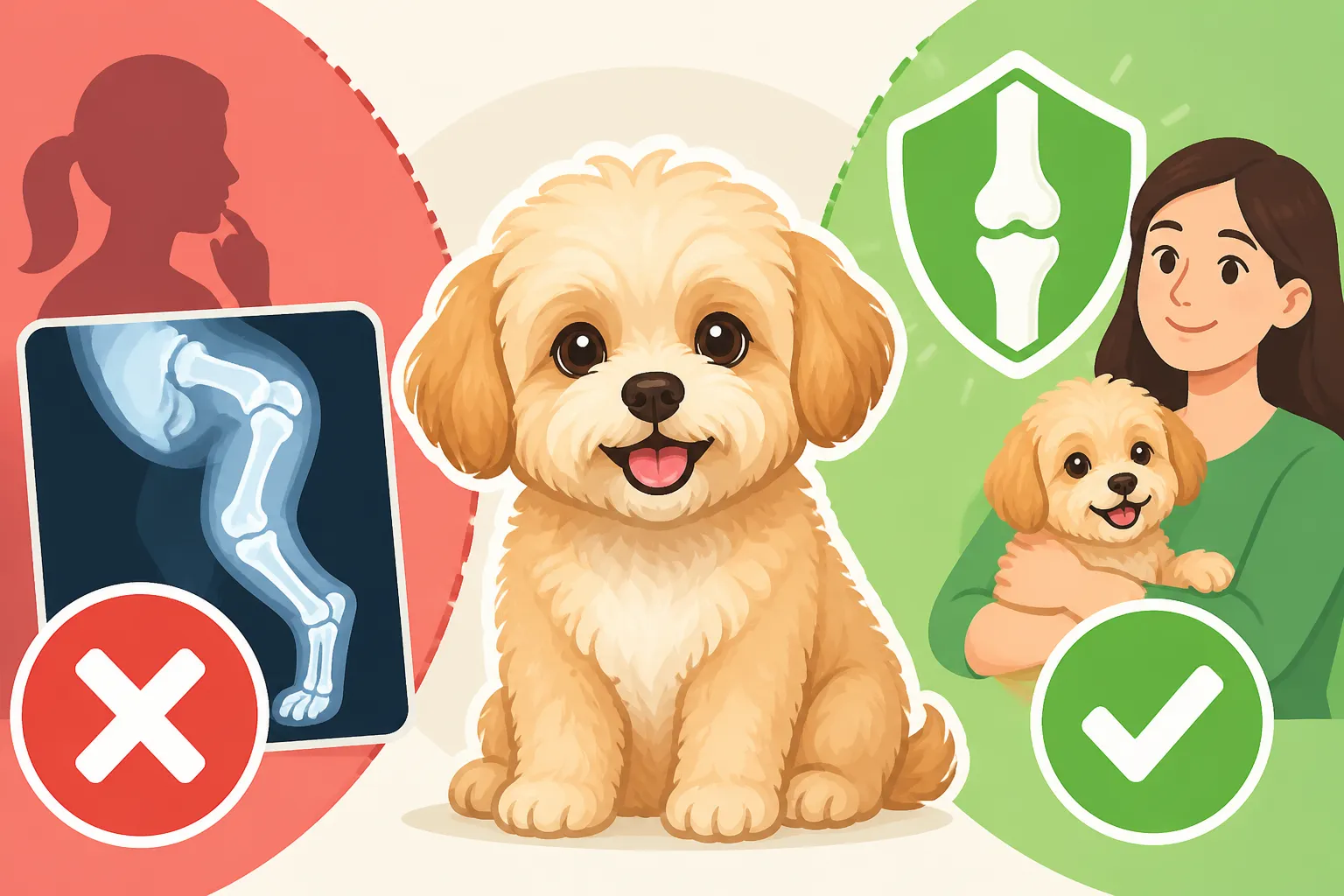
Whether a Maltipoo Breeder Should Show Patella Grades
Bringing a new Maltipoo puppy home is one of life's purest joys, but it can also be filled with anxiety about their health, especially when you're dealing with breeders who might not be as transparent as they should be. One common and utterly frustrating concern that often arises is understanding the genetic predispositions of these sweet dogs, particularly regarding conditions like patellar luxation. This guide is here to shed light on why it's absolutely vital for a Maltipoo breeder to be upfront about patella grades and what this means for your puppy's future and your peace of mind.
Why Patella Grades Even Matter for a Maltipoo
When you imagine your future Maltipoo, you probably picture a playful, energetic companion, full of bounces and cuddles. The last thing you want to think about is your beloved little furball in pain, struggling to walk, or facing expensive surgeries. Yet, patellar luxation, more commonly known as a "slipping kneecap," is a surprisingly common orthopedic issue in small breeds like Maltipoos. This isn't just a minor inconvenience; it can significantly impact your dog's quality of life and your wallet.
The Reality of a Slipping Kneecap
Imagine if your knee joint constantly popped out of place, causing sudden lameness or discomfort. That's essentially what happens with patellar luxation. The patella, or kneecap, is supposed to sit snugly in a groove at the end of the thigh bone (femur). When it luxates, it slips out of this groove, either to the inside (medial luxation) or outside (lateral luxation) of the leg. For a Maltipoo, whose small bone structure can sometimes be more delicate, this can lead to chronic pain, an awkward gait, and over time, debilitating arthritis in the affected joint. You might notice your puppy skipping a step, holding a leg up for a moment, or even crying out. It's heart-wrenching to witness, and it's a huge reason why understanding a puppy's genetic predisposition is so important. This is one of those health concerns that can creep up on you, leaving you wondering why your happy, bouncy Maltipoo suddenly starts experiencing issues as they grow. To learn more about this condition, check out our in-depth article, Slipping Kneecaps in a Maltipoo.
The Financial Strain of Untreated Patellar Luxation
Beyond the emotional toll of seeing your dog in discomfort, the financial implications of patellar luxation can be substantial. Diagnosing the condition typically involves vet exams and sometimes X-rays, which themselves come with a cost. If the luxation is severe enough to warrant intervention, treatment can range from pain management and anti-inflammatory medications to specialized surgery. And let me tell you, orthopedic surgery on a small dog is not cheap. Many owners are shocked to discover the figures involved, with costs potentially running into the thousands for a single knee, and sometimes both knees are affected. Imagine the stress of an unexpected bill like that just a year or two into your Maltipoo's life. This is why considering pet insurance, like plans offered by Healthy Paws, early on can be a real lifesaver, helping to mitigate some of these unforeseen expenses. We've gone into detail on these potential costs in What Patella Surgery Costs on a Six Pound Maltipoo.
Deciphering Patella Grades
So, what exactly are these "patella grades" we're talking about? They're a standardized system used by veterinarians to assess the severity of patellar luxation. This grading system is crucial because it provides a clear, objective measure of a dog's joint health, allowing breeders and prospective owners to understand the risk. The goal, of course, is a dog with healthy knees that stay where they're supposed to.
Grade 0: The Ideal Scenario
When a veterinarian performs a patella examination, they manually manipulate the kneecap to see if it can be luxated. A Grade 0 is the gold standard, the absolute best-case scenario. It means that the patella cannot be manually luxated from its normal position, and there's no evidence of laxity in the joint. In simple terms, the kneecap is firm, stable, and doing exactly what it's supposed to do. A Maltipoo with Grade 0 patellas has a significantly lower risk of developing clinical signs of patellar luxation. This is what every responsible breeder aims for in their breeding stock, as it indicates a strong likelihood of passing on healthy joint structures to their puppies.
Grades 1-4: Understanding the Spectrum of Severity
The other grades, 1 through 4, describe varying degrees of luxation, each with its own implications for your Maltipoo's health and comfort.
- Grade 1: The patella can be manually luxated from the groove but will return to its normal position spontaneously once released. Your dog might show occasional skipping or lameness, but it's usually mild and intermittent. This might manifest as a slight skip every now and then, which some owners might even mistake for playful antics.
- Grade 2: The patella luxates spontaneously and remains luxated for a short period before returning to its normal position, either spontaneously or with manipulation. Dogs with Grade 2 luxation often exhibit a "skipping" gait and can experience pain and discomfort. This is often the point where owners start noticing more consistent issues, leading to vet visits. You might see your Maltipoo holding their leg up more frequently. Read more about recognizing these signs in The Skip in a Maltipoo's Walk That Means a Patella.
- Grade 3: The patella is permanently luxated but can be manually returned to its normal position. However, it will reluxate immediately once the manual pressure is removed. Dogs with Grade 3 luxation usually have a persistent lameness, and the constant slipping can lead to significant pain and degenerative joint disease over time. This level often requires surgical intervention to restore function and comfort.
- Grade 4: This is the most severe grade. The patella is permanently luxated and cannot be manually returned to its normal position. The groove for the kneecap may be completely flattened or even nonexistent, and the leg structure itself can be deformed. Dogs with Grade 4 luxation often have severe, chronic lameness and significant pain, requiring complex surgical procedures or lifelong pain management.
Here's a quick overview to help visualize the differences:
| Patella Grade | Description | Clinical Signs (Maltipoo) | Treatment Options |
|---|---|---|---|
| 0 | Patella is stable in the groove; cannot be manually luxated. | No signs, normal gait. | None needed. |
| 1 | Patella can be manually luxated but returns spontaneously. | Occasional skip, mild, intermittent lameness. | Observation, weight management, supplements (e.g., from Chewy or Ollie), possibly surgery if symptoms worsen. |
| 2 | Patella luxates spontaneously and remains out for periods; can be reduced. | More frequent skipping, pain, discomfort; often holds leg up. | Surgery often recommended to prevent arthritis and improve quality of life. |
| 3 | Patella permanently luxated but can be manually reduced; reluxates immediately. | Persistent lameness, chronic pain, early arthritis development. | Surgery highly recommended; sometimes complex. |
| 4 | Patella permanently luxated; cannot be reduced; severe skeletal deformities. | Severe, chronic lameness; extreme pain; significant impairment. | Complex, often multiple surgeries; lifelong pain management. |
You can delve deeper into these specific grades in our article The Four Patella Grades and Where a Maltipoo Lands.
The OFA and Patella Evaluations
In many parts of the world, organizations like the Orthopedic Foundation for Animals (OFA) play a crucial role in promoting canine health. The OFA provides a standardized evaluation system for patellar luxation. Vets perform a specific physical examination, and the results are recorded and registered. This provides a transparent, verifiable record of a dog's patella health. A responsible breeder will have their breeding dogs evaluated by a qualified veterinarian, often board-certified in orthopedics, and ideally submit these results to a public database like the OFA. This third-party verification adds a layer of trust and accountability that is invaluable for prospective puppy owners.
Why a Breeder Should Show Patella Grades
Now, for the crux of the matter: why should a Maltipoo breeder always be transparent about their breeding dogs' patella grades? It boils down to ethical breeding, protecting the health of the puppies, and ensuring a positive, long-term experience for you, the owner. Frankly, a breeder who doesn't want to share this information is often a huge red flag.
Ethical Breeding Practices and Long-Term Health
Ethical breeders are passionate about the health and well-being of the dogs they produce. They understand that certain conditions, like patellar luxation, have a genetic component. By screening their breeding stock and only breeding dogs with healthy patellas (ideally Grade 0), they actively work to reduce the incidence of this painful condition in future generations. Showing patella grades isn't just a formality; it's a testament to their commitment to responsible breeding. It means they're not just breeding for cute faces or specific colors but are prioritizing the structural soundness and health of their puppies. This commitment directly translates to a lower risk of expensive vet bills and heartbreaking health issues for you down the line. It's about giving your Maltipoo the best possible start to a long, happy, and pain-free life. This kind of transparency should be part of a comprehensive health guarantee, as discussed in What a Maltipoo Health Guarantee Should Say.
Red Flags When a Breeder Avoids the Topic
If a breeder seems evasive, uncomfortable, or outright refuses to provide patella grades for their breeding dogs, consider it a massive red flag. There are several reasons why this might happen, and none of them are good for you or the puppy.
- Lack of Testing: The breeder might not have tested their dogs at all, indicating a lack of commitment to ethical breeding practices. They may be unaware of or simply disregard the potential health issues.
- Poor Results: They may have tested their dogs and found high grades of patellar luxation, which they are trying to hide. Breeding dogs with known luxation is highly irresponsible and perpetuates the problem.
- Ignorance: Some breeders, particularly inexperienced or backyard breeders, might genuinely not understand the importance of patella testing. While this might be due to ignorance rather than malice, it still puts the puppies and their future owners at risk.
- Puppy Mill Operations: Puppy mills and unethical large-scale breeding operations are notorious for cutting corners on health testing. Their primary goal is profit, not the well-being of their dogs. Avoiding health discussions is a hallmark of such operations.
Any breeder who can't or won't provide verifiable health clearances, especially for common breed-specific issues like patellar luxation, is not a breeder you want to get a puppy from. It's a clear indication that they are not prioritizing the health of their dogs or the well-being of their future owners.
Empowering Yourself: Asking the Right Questions
As a prospective Maltipoo owner, you have every right—and indeed, a responsibility—to ask detailed questions and request specific documentation from any breeder you consider. This isn't being pushy; it's being a responsible pet parent who wants to ensure their puppy has the best possible start.
What Documentation to Expect
When inquiring about patella grades, you should expect more than just a verbal assurance. A reputable breeder will provide actual documentation. This usually means a certificate or report from a veterinary orthopedic specialist or a copy of the OFA certification for both parent dogs.
Look for:
- Official Veterinary Report: A report from a licensed veterinarian, ideally a board-certified orthopedic specialist, detailing the examination findings.
- OFA Certificate: If the breeder uses the OFA, you should receive a certificate with an official OFA number. You can often verify these numbers on the OFA website to confirm their authenticity.
- Clear Identification: The documentation should clearly identify the parent dogs by their registered names and microchip numbers, ensuring the results belong to the dogs in question.
- Date of Examination: The examination should be current and performed after the dogs have reached an appropriate age for screening (typically at least 12 months for final OFA certification).
If a breeder offers a piece of paper that looks homemade or doesn't have clear veterinary or organizational branding, be skeptical. Always ask for verifiable third-party documentation.
Beyond the Paperwork: Observing the Parents
While documentation is crucial, there's also value in observing the parent dogs themselves. If possible, arrange a visit to the breeder's home (a sign of a reputable breeder, by the way) and pay close attention to how the adult dogs move.
- Gait and Movement: Watch for any limping, hopping, skipping, or stiffness in their gait. Do they seem hesitant to jump or use stairs?
- Activity Levels: Healthy dogs are generally active and playful. While age can influence this, a breeding dog that seems lethargic or avoids movement might be experiencing discomfort.
- Overall Condition: Assess their general health, coat condition, and demeanor. Healthy parents are more likely to produce healthy puppies.
Of course, a dog with a low-grade luxation might not show obvious signs, so observation is a supplement to, not a replacement for, official health clearances. But it can certainly give you additional insight into the general health and care of the breeder's dogs. The earliest signs of trouble can sometimes be subtle, so understanding The Age a Maltipoo's Kneecap First Slips can help you stay vigilant.
Considering Pet Insurance as a Backup
Even with the most meticulous health testing and responsible breeding, no guarantee is absolute when it comes to living creatures. Accidents happen, and sometimes genetic predispositions can manifest despite the best efforts. This is where pet insurance becomes a truly valuable safety net. Companies like Healthy Paws offer various plans that can cover a significant portion of unexpected veterinary costs, including those for conditions like patellar luxation if it's not pre-existing. Getting insurance early in your Maltipoo's life, before any symptoms develop, is key to ensuring comprehensive coverage for future orthopedic issues. It's a proactive step that can save you immense financial stress and allow you to focus on getting your beloved pet the best possible care without worrying about the bill. We often hear from owners who wish they had considered Insuring a Maltipoo Before Its Knees Go. Beyond insurance, maintaining a healthy weight through quality food from services like Ollie and ensuring they have access to joint-supporting supplements available at places like Chewy can also play a role in long-term joint health.
Remember, bringing a Maltipoo into your life is a long-term commitment. Doing your homework on a breeder's health testing practices, especially concerning patella grades, is one of the most important steps you can take to ensure your furry family member enjoys a healthy, happy life free from preventable pain and expensive medical interventions.
Disclaimer
This article is for general informational purposes only and does not constitute professional advice. Laws, prices and regulations vary by location and change over time. Consult a qualified professional for guidance on your specific situation.