What a Maltipoo Health Guarantee Should Say
Bringing home a Maltipoo puppy is an incredibly exciting time, filled with dreams of cuddles and playful antics. But for many prospective owners, there's a quiet worry in the back of their minds: what if my precious new family member isn't healthy? It’s a very real and valid concern, especially with designer breeds, and a comprehensive health guarantee from your breeder is absolutely essential to offer some peace of mind against potential heartache and unexpected financial burdens. This guide will walk you through exactly what a robust Maltipoo health guarantee should entail, empowering you to make an informed decision when choosing your new companion.
Understanding the Purpose of a Health Guarantee
When you welcome a Maltipoo into your home, you're not just getting a pet; you're gaining a family member. The emotional investment begins long before they even arrive, and the thought of them falling ill, especially from a condition that could have been prevented or screened for, is genuinely frightening. This is where a health guarantee steps in, serving as a vital contract between you and your breeder.
More Than Just Paperwork: Peace of Mind
At its heart, a health guarantee is a breeder's promise. It's an assurance that they have done their due diligence in breeding healthy dogs and that they stand behind the health of the puppy they are placing with you. Without one, you're essentially buying a puppy "as is," which can leave you incredibly vulnerable to unforeseen medical costs and emotional distress should serious health issues arise shortly after adoption. Imagine discovering your new puppy has a severe congenital defect just days after bringing them home – a good health guarantee helps mitigate the immense financial and emotional stress of such a situation. It’s not just a legal document; it’s a tangible expression of the breeder's commitment to the well-being of their puppies and, by extension, to you, the new owner.
Having that guarantee in hand allows you to focus on bonding with your new Maltipoo, rather than constantly worrying about underlying health issues. You still need to be diligent with your initial vet checks, of course, but knowing there's a safety net for certain conditions can lift a significant weight off your shoulders. It transforms the purchase from a leap of faith into a more secure, transparent transaction, fostering trust between you and the breeder.
Breeder's Commitment to Healthy Lines
A reputable breeder doesn't just breed dogs; they strive to improve the breed's health and temperament with each generation. Offering a comprehensive health guarantee is a clear indicator of this ethical approach. It signals that the breeder is confident in the health of their breeding stock, having invested in proper health screenings for the parent dogs. They’re not just trying to sell puppies; they're committed to the long-term health of the Maltipoo line.
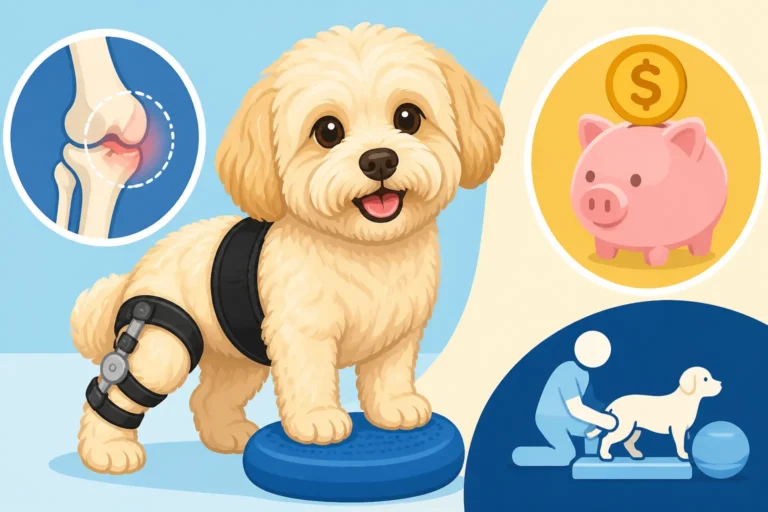
Conversely, a breeder who offers no guarantee, or one that is incredibly vague and limited, often raises a huge red flag. This can be a sign of a puppy mill operation or a backyard breeder who is cutting corners on genetic testing, veterinary care for the parent dogs, or proper nutrition for the puppies. Such breeders are more focused on profit than the welfare of the animals. An ethical breeder understands that while no one can guarantee perfect health for a lifetime, they can guarantee that they've done everything within their power to produce sound, healthy puppies. This includes carefully selecting parent dogs with clear health certifications for common issues affecting Maltipoos, such as those that contribute to conditions like Slipping Kneecaps in a Maltipoo. A strong guarantee demonstrates that they are accountable and proud of their breeding program.
Key Elements Every Maltipoo Health Guarantee Needs
When you're sifting through breeder contracts, it can feel overwhelming, but focusing on a few core components will help you identify a truly solid health guarantee that offers genuine protection for your Maltipoo and your peace of mind.
Duration of the Guarantee: Short-Term vs. Long-Term
One of the first things to scrutinize is the length of time the guarantee covers. Most reputable breeders will offer a short-term guarantee, typically 48 to 72 hours, for general health. This period is crucial for you to take your new Maltipoo to your own veterinarian for a comprehensive check-up. Within this timeframe, your vet can confirm the puppy is free of immediate infectious diseases, parasites, or any obvious physical abnormalities. If an issue is found, this short window allows for a clear resolution according to the contract, usually a return for a refund or replacement.
Beyond this initial period, a truly comprehensive guarantee should extend to a longer term, usually one to two years, specifically covering congenital or hereditary conditions. These are health issues present from birth but may not manifest symptoms until the puppy is older. For instance, a condition like The Liver Shunt a Maltipoo Can Inherit From the Maltese might not show clear signs until a puppy is several months old. Without this longer-term coverage, you could find yourself facing expensive treatments for a genetic condition that was entirely beyond your control. Some exceptional breeders may even offer guarantees that go beyond two years for specific, severe genetic conditions, truly demonstrating their confidence in their bloodlines. You may want to ask if a Maltipoo guarantee runs past a year.
What Constitutes a "Covered" Condition
The devil is in the details here. A vague promise of "good health" isn't enough. The guarantee should explicitly state what conditions are covered. This typically focuses on genetic and congenital diseases, which are inherited or present from birth. These are the conditions that responsible breeders actively screen their parent dogs for, attempting to minimize their occurrence in puppies. Examples include certain heart defects, severe hip or elbow dysplasia (though less common in tiny Maltipoos, it can happen), eye conditions like progressive retinal atrophy, and patellar luxation.
It's equally important to understand what is not covered. Accidental injuries, common illnesses (like kennel cough acquired after leaving the breeder, though some might cover it for a very short initial period), or conditions arising from neglect or improper care on your part are typically excluded. The guarantee should clearly differentiate between a debilitating genetic defect that affects the dog's quality of life and a minor, treatable issue that is part of normal pet ownership. For instance, while a severe, early-onset patellar luxation would likely be covered, a later-onset, mild form might be considered an age-related issue or not severe enough to warrant a claim, depending on the specifics of the contract. The more precise the language regarding covered conditions, the better protected you are.
The "Remedy" Clause: What the Breeder Will Do
So, if a covered condition is diagnosed, what exactly will the breeder do? This "remedy" clause is critical and can vary significantly. Common remedies include:
- Replacement Puppy: The breeder may offer you a replacement puppy from a future litter. This is a common solution, but it might mean waiting, and you'll have to consider the emotional impact of potentially returning the initial puppy, if required.
- Partial Refund: Sometimes, the breeder might offer a partial refund of the purchase price, especially if the condition is treatable and you wish to keep the puppy and pursue treatment.
- Contribution to Vet Bills: Less common, but some guarantees might offer a specific monetary contribution towards veterinary treatment for a covered condition, up to the purchase price of the puppy or a set amount. This is a very valuable clause, as it allows you to keep your beloved puppy and get them the care they need without facing the full financial burden alone.
It's rare for a breeder to offer a full refund and allow you to keep the puppy, especially for serious conditions. Be wary of any guarantee that is ambiguous about the remedy or makes it difficult to claim. For example, some might stipulate that the breeder chooses the replacement puppy, not you. Ensure the terms are clear and acceptable to you before signing. Understanding what an emergency sugar crash costs a Maltipoo owner or the true expense of patella surgery can help you evaluate if the offered remedy is truly sufficient should the worst happen.
Specific Health Concerns a Maltipoo Guarantee Should Address
Given the unique genetic makeup of a Maltipoo, blending the Maltese and the Poodle, there are specific health concerns that a responsible breeder's guarantee should explicitly acknowledge and cover. These are conditions known to occur in one or both parent breeds.
Genetic Conditions from the Poodle and Maltese Sides
Maltipoos inherit their genes from both Maltese and Poodle parents, which means they can potentially inherit health predispositions from either side. A robust health guarantee will address conditions like:
- Patellar Luxation: Commonly known as "slipping kneecaps," this condition is prevalent in many small breeds, including both Maltese and Poodles. A guarantee should cover severe forms of patellar luxation, particularly those that require surgical intervention or significantly impair the puppy's mobility. You'll want to review the section on The Four Patella Grades and Where a Maltipoo Lands to understand the severity levels.
- Legg-Calve-Perthes Disease: This is a condition affecting the hip joint in small breeds, leading to degeneration of the femoral head. It typically manifests in puppies between 5 and 8 months of age.
- Progressive Retinal Atrophy (PRA): A group of degenerative eye diseases that can lead to blindness. Poodles are known carriers for various forms of PRA, so a guarantee covering this is important.
- Congenital Heart Defects: While less common than some other issues, certain heart conditions can be inherited. A guarantee should mention coverage for severe, life-limiting congenital heart conditions.
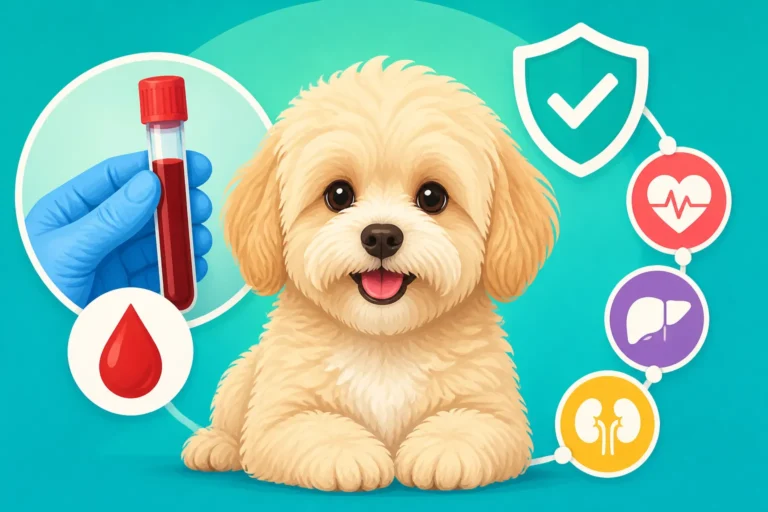
- Liver Shunt: Portosystemic Shunt (PSS) or liver shunt, is a serious condition where blood bypasses the liver, preventing toxins from being filtered. This is more common in Maltese dogs and can be inherited by Maltipoos. A responsible breeder will often test their puppies for this with a bile acid test, and a good guarantee should explicitly cover severe, congenital liver shunts. It's crucial to ensure The Liver Shunt Test a Maltipoo Puppy Should Have has been done, and that the guarantee reflects this.
These are not exhaustive, but they represent some of the most critical genetic conditions a responsible breeder will screen for and cover in their guarantee. The presence of specific conditions listed shows the breeder’s awareness and proactive approach to genetic health.
Hypoglycemia Clause for Maltipoo Puppies
For small breed puppies, especially those on the smaller end of the Maltipoo size spectrum (often marketed as "Teacup"), hypoglycemia (low blood sugar) is a very real and dangerous threat. While not strictly a genetic disease in the same vein as a liver shunt, it's a condition related to their tiny size and metabolic rate, making them prone to sugar crashes if not properly managed.
A responsible breeder's guarantee might include a clause or strong advice regarding hypoglycemia prevention, especially during the crucial first few days and weeks in your home. They might specify that they are not liable for hypoglycemic episodes after the puppy leaves their care, unless it can be directly tied to pre-existing, severe underlying health issues they should have detected. However, a good breeder will equip you with all the knowledge and resources, such as Keeping Nutri-Cal on Hand for a Maltipoo Puppy, to prevent this in your new puppy. They understand the vulnerability of Hypoglycemia and the Teacup Maltipoo Puppy and should provide guidance on feeding schedules and stress reduction to prevent these crashes. While direct "coverage" for a puppy's sugar crash might be limited in the guarantee, the information and support you receive about this risk is invaluable.
Exclusions and Limitations
Just as important as knowing what's covered is understanding what isn't. Health guarantees always have exclusions, and these should be clearly stated. Common exclusions typically include:
- Accidental Injury: A guarantee won't cover your Maltipoo if it falls off the sofa and breaks a leg, for example. This is where your vigilance and proper supervision come into play, as well as considering pet insurance.
- Contagious Diseases: While the initial 48-72 hour vet check period covers immediate infections, the guarantee usually won't cover contagious illnesses (like kennel cough, parvovirus, or distemper) acquired weeks after the puppy has been in your home, as the breeder cannot control the puppy's environment post-purchase. Vaccinations are your best defense here.
- Parasites: Most guarantees will not cover common parasites like fleas, ticks, or even intestinal worms (though a good breeder will have dewormed puppies regularly). Again, the initial vet check is vital for parasite screening and treatment.
- Neglect or Abuse: Obviously, if the puppy's health issue is a result of neglect, abuse, or improper care (e.g., poor nutrition, lack of veterinary attention) on the part of the buyer, the guarantee will be void.
- Routine Veterinary Care: This includes vaccinations, spaying/neutering, dental cleanings, and flea/tick prevention. These are standard costs of pet ownership, not covered by a health guarantee.
- "Buyer's Remorse": A health guarantee is not a return policy for simply deciding you don't want the puppy anymore. It's specifically for health-related issues.
- Adult-onset conditions: Conditions that typically arise later in life due to aging, such as cataracts that develop in an older dog, are generally not covered. The guarantee usually focuses on congenital or early-onset genetic conditions.
Make sure to read the exclusions carefully. Sometimes, a guarantee might exclude conditions that you assume would be covered, or it might have specific stipulations, such as requiring you to use a certain brand of food, which could limit your options with brands like Chewy or Ollie, or even void the guarantee if you don't comply.
Reading Between the Lines: What to Watch Out For
A health guarantee is a legal document, and like any contract, its wording matters immensely. Beyond simply checking for the presence of a guarantee, you need to scrutinize its language for potential pitfalls that could leave you unprotected.
Vague Language and Ambiguous Terms
This is perhaps the biggest red flag. If a guarantee uses broad, imprecise terms like "guaranteed healthy" without specifying the duration, the conditions covered, or the exact remedies, it's essentially meaningless. A good guarantee is concrete and leaves little room for interpretation. For example, a clause stating "puppy is guaranteed against life-threatening genetic defects" sounds good, but what exactly constitutes "life-threatening"? What if your Maltipoo develops a condition that severely impacts its quality of life but isn't immediately fatal, like a severe case of Collapsing Trachea in a Maltipoo's Neck? Without specific definitions, you could be left to argue with the breeder about whether the condition qualifies.
Look for guarantees that clearly define key terms and list specific diseases or types of conditions. The duration of the guarantee, the exact steps for making a claim, and the precise remedies offered should be unambiguous. If you find yourself having to guess what a clause means, it's a poorly written guarantee, and you should seek clarification in writing or consider a different breeder. A transparent breeder wants you to understand every aspect of the contract.
Requiring Return of the Dog
Many health guarantees, particularly those offering a replacement puppy, will stipulate that the original puppy must be returned to the breeder for the guarantee to be valid. While this might seem logical from the breeder's perspective (they often want to confirm the diagnosis and prevent the puppy from being rehomed with potentially unaddressed health issues), it can be incredibly difficult and emotionally painful for a new owner. You've already bonded with this little creature, and the thought of returning them, especially if they are ill, can be heartbreaking.
Before signing, consider if you are truly prepared for this possibility. If the thought of returning your Maltipoo is unbearable, this type of guarantee might not offer you the emotional comfort you seek, even if it offers financial protection. Some guarantees might offer a partial refund without requiring the return of the dog, allowing you to keep and treat your beloved pet. Discuss this point with the breeder directly. Understanding if a Maltipoo breeder will take the dog back is a crucial conversation to have.
Mandatory Vet Choice or Multiple Opinions
Some guarantees include clauses that require you to use a veterinarian chosen or approved by the breeder for the initial diagnosis or even for follow-up care. Others might demand a second (or even third) opinion from a specialist or a vet of the breeder's choosing. While it's reasonable for a breeder to want confirmation of a serious diagnosis, especially if they suspect a misdiagnosis or want to rule out environmental factors, this can also create logistical and financial hurdles for you.
You should always have the right to choose your own trusted veterinarian. Your vet knows you, your pet, and your specific circumstances. If a guarantee restricts your choice of veterinary care, it could be a significant inconvenience, especially if the breeder's approved vet is far away or unavailable. While a second opinion from a board-certified specialist might be a reasonable request for a rare or complex condition, requiring it for every claim can be burdensome. Ensure these clauses are fair and practical for you before committing.
Navigating a Health Guarantee Claim
Even with the most carefully chosen breeder and the most robust health guarantee, unforeseen issues can sometimes arise. Knowing the steps to take if you need to make a claim can make a stressful situation more manageable.
Prompt Veterinary Diagnosis and Documentation
The moment you suspect your Maltipoo puppy has a health issue that might fall under the guarantee, your immediate priority is to get them to your veterinarian. Do not delay. Early diagnosis is critical for your puppy's well-being and for substantiating any claim you might make. Time limits are often specified in guarantees, especially for the initial short-term coverage, so prompt action is essential.
During your vet visit, it's paramount to ensure that every symptom, observation, test result, and diagnosis is thoroughly documented. This means requesting copies of all medical records, lab results, X-rays, and any specialist reports. Your veterinarian's written report, including their professional opinion on whether the condition is congenital or hereditary, is your most vital piece of evidence. Without clear, professional documentation, your claim may be difficult to process. For instance, if your Maltipoo puppy experiences a sudden collapse, getting immediate veterinary attention and documentation of The Signs a Maltipoo Puppy Is Crashing and subsequent diagnosis is crucial for any potential claim regarding hypoglycemia or another underlying issue. Be aware that What an Emergency Sugar Crash Costs a Maltipoo Owner can be significant, reinforcing the need for clear documentation for any possible reimbursement or remedy.
Communicating with Your Breeder
Once you have a confirmed diagnosis and all necessary documentation from your vet, contact your breeder immediately. It's important to approach this communication professionally and calmly, even if you are feeling worried or upset. Refer back to your signed health guarantee and outline how your puppy's condition aligns with the covered terms. Provide all the veterinary documentation you've collected.
Remember that ethical breeders, while committed to healthy puppies, are also running a business. They will want to review the information and may have their own procedures for verifying a claim, which could include contacting your veterinarian directly or requesting further tests. Be patient and cooperative, but also firm in advocating for your Maltipoo and ensuring the terms of the guarantee are upheld. Most reputable breeders will want to work with you to find a fair resolution, as their reputation is at stake.
Potential Outcomes and Next Steps
The outcome of your claim will depend entirely on the specifics of your health guarantee and the nature of your Maltipoo's condition. As discussed, remedies typically include a replacement puppy, a partial refund, or a contribution towards vet bills. If a replacement puppy is offered, clarify the timeline and any requirements for returning your current dog. If a financial remedy is agreed upon, ensure you understand the exact amount and the timeline for receiving it.
In rare cases where a breeder is uncooperative or refuses to honor their guarantee despite clear evidence, you may need to consider further steps. This could involve mediation, consulting with a lawyer specializing in pet law, or reporting the breeder to relevant animal welfare organizations or consumer protection agencies. However, these steps can be costly and emotionally draining, and it's always preferable to resolve issues amicably. This is another reason why choosing a highly reputable breeder from the outset, who offers the four certificates a Maltipoo breeder should show and stands by their contract, is so important.
Beyond the Guarantee: Ongoing Health Planning for Your Maltipoo
While a health guarantee is an invaluable safety net during the initial critical period of your Maltipoo's life, it's crucial to understand that it is not a substitute for lifelong preventative care or a comprehensive plan for unexpected illnesses or accidents. Your commitment to your Maltipoo's health extends far beyond the terms of any breeder contract.
The Importance of Pet Insurance
A health guarantee typically covers specific genetic or congenital conditions for a limited time. Pet insurance, on the other hand, provides a much broader and longer-term safety net. It covers a wide range of unexpected accidents and illnesses that can occur at any stage of your Maltipoo's life, from a sudden ingestion of a toxic substance to a chronic condition developing later on. While a guarantee might help with a diagnosed liver shunt, it won't cover your Maltipoo if they break a tooth or develop an ear infection at two years old.
Consider enrolling your Maltipoo in pet insurance, ideally as soon as you bring them home. Companies like Healthy Paws offer various plans that can cover a significant portion of veterinary costs for accidents and illnesses, including emergency visits, surgeries, medications, and specialist care. This ensures that you can always make medical decisions based on what's best for your beloved Maltipoo, rather than on financial constraints. Many owners find peace of mind in knowing they've taken steps like Insuring a Maltipoo Before Its Knees Go, because preventative coverage for common breed issues is invaluable.
Preventative Care and Regular Vet Visits
The best defense against health issues is always proactive, preventative care. This starts with regular visits to your veterinarian, ensuring your Maltipoo receives their Yearly Checks a Maltipoo Should Get, vaccinations, and parasite prevention. Your vet is your partner in maintaining your dog's health and can often spot potential problems early, before they become serious.
Proper nutrition is also paramount for a Maltipoo's overall health and well-being. Feeding a high-quality, balanced diet suitable for small breeds is essential. Brands like Chewy and Ollie offer a range of premium food options, but always discuss your Maltipoo's specific dietary needs with your vet. Beyond food, daily dental care is non-negotiable for Maltipoos, who are prone to dental disease. Brushing a Maltipoo's Teeth Every Single Day can prevent costly dental procedures and extend their lifespan. Additionally, maintaining a healthy weight through appropriate portion control and regular, gentle exercise helps prevent undue stress on their delicate joints and internal organs.
Staying Informed About Maltipoo Health
As a responsible Maltipoo owner, taking the time to educate yourself about the common health concerns associated with the breed will serve you well for their entire life. Understanding the signs and symptoms of conditions like White Shaker Syndrome in a Maltipoo or recognizing the characteristic honking cough that might indicate Collapsing Trachea in a Maltipoo's Neck can empower you to seek veterinary attention promptly, potentially leading to earlier diagnosis and more effective treatment.
Being informed allows you to ask targeted questions at your vet visits, observe your Maltipoo more closely for subtle changes, and make better-informed decisions regarding their care. While a health guarantee provides initial security, your ongoing commitment to education and proactive care is truly the best long-term guarantee for your Maltipoo's health and happiness.
Comparison of Common Maltipoo Health Issues and Guarantee Coverage
To help clarify what you might expect to see in a health guarantee and the broader context of pet health, here's a table comparing some common Maltipoo health concerns:
| Health Condition | Typical Age of Onset | Usually Covered by Health Guarantee (Genetic) | Often Covered by Pet Insurance (Illness/Accident) | Key Preventative/Management Tips |
|---|---|---|---|---|
| Hypoglycemia | Puppyhood (under 6 mos) | Varies (often specific clauses or advice) | Yes (if diagnosed as illness) | Frequent, small meals; stress avoidance; Nutri-Cal on hand. |
| Patellar Luxation | Early puppyhood to adult | Yes (severe, congenital forms) | Yes (if not pre-existing) | Proper weight; avoiding high-impact jumps; joint supplements (consult vet). |
| Liver Shunt | Puppyhood | Yes (severe, congenital forms) | Yes (if not pre-existing) | Breeder testing; specialized diet; medication; surgery (if needed). |
| Collapsing Trachea | Middle to older age | Rarely (often considered age/wear related) | Yes (if not pre-existing) | Harness instead of collar; weight management; avoiding irritants; medication. |
| Progressive Retinal Atrophy (PRA) | Varies (often early to middle) | Yes (diagnosed genetic forms) | Yes (if not pre-existing) | Breeder screening; genetic testing (parent stock). |
| Dental Disease | All ages (progresses) | No (considered preventable) | Yes (for extractions, cleanings if not routine) | Daily tooth brushing; dental chews (vet-approved); regular vet dental checks. |
| White Shaker Syndrome | Young adult (6 mos – 3 yrs) | Yes (diagnosed genetic/autoimmune) | Yes (if not pre-existing) | Medication to manage symptoms; stress reduction. |
| Allergies | Puppy to adult | No (considered environmental/immune response) | Yes (for diagnostics & treatment) | Hypoallergenic diet; environmental control; medication; regular grooming. |
This table is a general guide. Always refer to your specific breeder's health guarantee and your pet insurance policy for exact terms and coverage.
Disclaimer
This article is for general informational purposes only and does not constitute professional advice. Laws, prices and regulations vary by location and change over time. Consult a qualified professional for guidance on your specific situation.