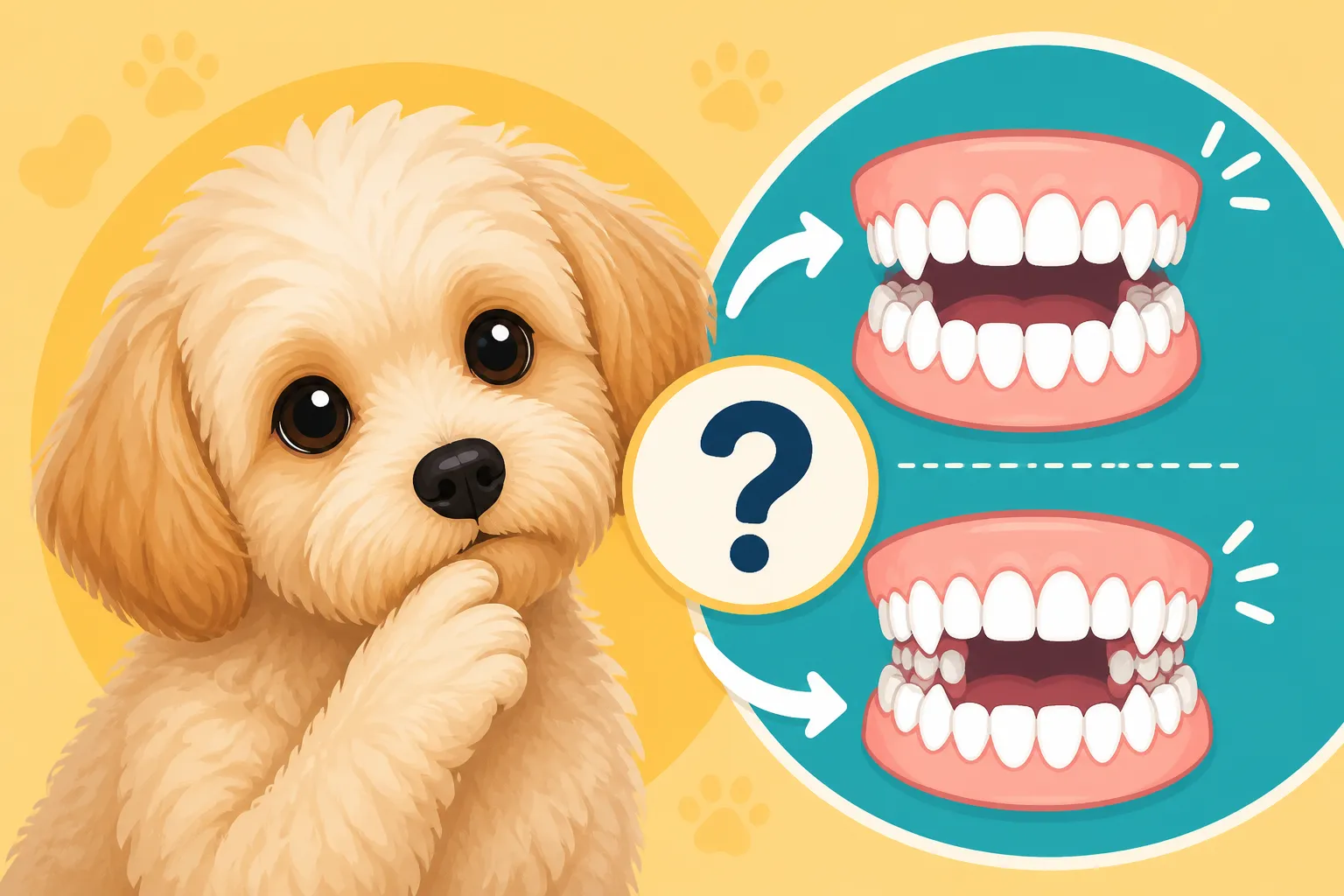
Whether a Maltipoo Has Two Rows of Teeth
One of the most concerning things you might notice as your adorable Maltipoo puppy grows is a peculiar sight in their mouth: what looks like a second row of teeth emerging while their baby teeth are still firmly in place. This isn't just an oddity; it's a significant dental issue that can cause discomfort, pain, and serious health problems for your furry friend if not addressed promptly. This guide will walk you through why this happens, what it means for your Maltipoo's health, and how to ensure their pearly whites stay healthy.
Understanding Your Maltipoo's Dental Development
Just like human babies, puppies are born without teeth and develop a set of deciduous, or "baby," teeth. These tiny, sharp teeth eventually fall out, making way for the stronger, permanent adult teeth. However, in small breeds like Maltipoos, this natural process often hits a snag, leading to dental complications that can be quite worrying for owners.
The Normal Teething Process in Puppies
Typically, a puppy will start erupting their deciduous teeth around three to six weeks of age. By the time they are six to eight weeks old, they'll usually have a full set of 28 baby teeth. This is why when you bring home an eight-week-old Maltipoo puppy, those tiny nips feel surprisingly sharp! Around three to four months of age, these baby teeth should start to loosen and fall out, gradually being replaced by 42 permanent adult teeth. The whole process usually wraps up by six or seven months of age. You might find a tiny tooth on the floor, or your puppy might just swallow them without you ever noticing. This is a seamless transition for most dogs, but for smaller breeds, it's a different story.
Why Small Breeds Like Maltipoos Are Different
The challenge for Maltipoos and other small breeds often comes down to genetics and skull structure. Their mouths are simply much smaller than those of larger dogs, but they are still expected to accommodate the same number of adult teeth. This anatomical constraint means there's less space for teeth to erupt properly. Consequently, the baby teeth sometimes don't have enough room to be pushed out by the emerging adult teeth. Instead of the adult tooth growing directly underneath the baby tooth and resorbing its root, the adult tooth might try to erupt next to it. This leads to the infamous "two rows of teeth" appearance, particularly in the canine (fang) teeth and incisors. It's a common issue that many owners face, making it crucial to monitor your Maltipoo's mouth closely during their teething phase. You might find yourself asking, "Whether a Maltipoo's Baby Teeth Do Not Fall Out?" and for many, the answer is unfortunately yes.
When "Two Rows of Teeth" Actually Happens: Retained Deciduous Teeth
The sight of both baby and adult teeth present in your Maltipoo's mouth can be alarming, but it's a condition known as retained deciduous teeth. It's not truly two rows in the sense of a shark, but rather baby teeth that haven't fallen out as they should, standing alongside the new adult teeth.
What Retained Baby Teeth Look Like
When your Maltipoo has retained deciduous teeth, you'll typically see a permanent tooth erupting either in front of, behind, or alongside its baby tooth counterpart. This is most frequently observed with the canine teeth (the longer, pointed teeth) and the incisors (the small front teeth). Instead of the neat, single line of adult teeth you'd expect, you'll notice a crowded arrangement, often with the baby tooth still quite prominent. Sometimes, the retained baby tooth might even be slightly mobile, but it's not falling out on its own. It's important to differentiate this from normal teething where a baby tooth might wobble for a short period before falling out. If you see two teeth in the same spot for more than a couple of weeks after the adult tooth has clearly emerged, it's a retained tooth. This specific problem is a key reason why many owners wonder, "Whether a Maltipoo's Teeth Need Pulling at a Year."
The Dangers of Leaving Retained Teeth Untreated
Leaving retained baby teeth in your Maltipoo's mouth can lead to a cascade of dental and health problems. Firstly, the double set of teeth creates a perfect trap for food particles and bacteria. The tight spaces between the retained baby tooth and the erupting permanent tooth are impossible to clean effectively, even with diligent brushing. This rapidly accelerates the buildup of plaque and tartar, leading to early-onset periodontal disease.
Beyond hygiene issues, retained teeth can cause significant discomfort and even pain. The misaligned adult teeth might grow into the wrong position, potentially rubbing against the gums, tongue, or even piercing the roof of the mouth, causing painful sores or ulcers. This can make eating difficult and unpleasant for your dog. Furthermore, the roots of retained baby teeth can sometimes damage the roots of the permanent teeth, leading to further complications down the line, potentially even abscesses or tooth loss for the adult teeth. It's not just about aesthetics; it's about preventing a lifetime of dental woes. Ignoring this problem can lead to a very painful and unhealthy mouth for your beloved Maltipoo.
The Impact of Crowding on a Maltipoo's Oral Health
The issue of retained baby teeth isn't just about an extra tooth; it's about the profound impact that crowding has on the entire oral cavity of a small breed like a Maltipoo. Their already compact jaws struggle to accommodate their full set of adult teeth, and any retained deciduous teeth only exacerbate this challenge, creating an environment ripe for disease.
Predisposition to Dental Disease
Imagine trying to clean between teeth that are packed so tightly together that they're practically overlapping. That's the reality for a Maltipoo with a crowded mouth. Even with the most meticulous daily brushing, it's incredibly difficult to reach all the nooks and crannies where food particles, plaque, and bacteria love to hide. This crowding significantly increases their predisposition to dental disease, often starting much earlier in life than in larger breeds.
Plaque, a sticky film of bacteria, forms almost immediately after eating. If not removed, it hardens into tartar within days. Tartar then irritates the gums, leading to gingivitis – inflamed, red, and often bleeding gums. With overcrowding, this process accelerates dramatically. The sheer number of teeth, especially if those extra baby teeth are still present, means there are more surfaces for plaque to adhere to, more protected areas for bacteria to flourish, and less effective natural cleansing from saliva or chewing. This is a critical factor in understanding "The Forty Two Teeth Crowding a Maltipoo's Jaw" and the challenges it presents for their health.
Long-Term Consequences of Poor Oral Hygiene
Left unchecked, gingivitis will progress to full-blown periodontal disease, a much more serious condition that affects the supporting structures of the teeth. The inflammation and infection spread beneath the gum line, destroying the bone and ligaments that hold teeth in place. As the disease advances, teeth become loose, painful, and can even fall out. This can lead to your Maltipoo having trouble eating, becoming lethargic, or showing signs of chronic pain.
But the consequences don't stop in the mouth. The bacteria from severe dental infections can enter the bloodstream, traveling to other organs in the body and causing systemic issues. Studies have linked periodontal disease to problems with the heart, kidneys, and liver. For example, bacterial endocarditis, an infection of the heart valves, can be a direct result of chronic dental infection. This is why the question of "Whether Dental Disease Shortens a Maltipoo's Life" is not just theoretical; it's a very real concern for small dog owners. Preventing severe dental disease is not just about oral comfort; it's about safeguarding your Maltipoo's overall health and longevity.
Prevention and Management: What You Can Do
When it comes to your Maltipoo's dental health, especially with the predisposition to issues like retained baby teeth and crowding, proactive prevention and consistent management are absolutely key. You, as their owner, play the most critical role in ensuring they lead a comfortable, healthy life free from unnecessary dental pain.
Regular Veterinary Check-ups and Early Intervention
The first and most crucial step in preventing serious dental problems is to maintain a strict schedule of regular veterinary check-ups. For puppies, this means ensuring your vet examines their mouth thoroughly at every visit during their teething phase, typically from three months up to seven or eight months of age. Your vet can identify retained deciduous teeth as soon as they become problematic, often before they cause significant issues.
If retained baby teeth are detected, your veterinarian will likely recommend surgical extraction. This procedure is usually performed under general anesthesia, and it's often combined with spaying or neutering if the timing aligns, to minimize the number of times your Maltipoo needs to go under. Early intervention is vital because the longer a retained tooth remains, the more likely it is to cause permanent damage to the adult tooth's alignment or health. Delaying treatment can mean more complicated extractions later, or even irreversible damage. You should never try to pull a retained tooth yourself; the roots can be surprisingly long, and improper removal can cause fractures or leave root fragments behind, leading to infection. For more information on this, you might want to read about "What Pulling a Maltipoo's Retained Baby Teeth Costs" and how vets approach this necessary procedure.
Daily Dental Care at Home
While professional intervention is necessary for retained teeth, daily home dental care is your front-line defense against plaque and tartar buildup, especially given the crowding common in Maltipoos. Brushing your Maltipoo's teeth every single day is the gold standard. It might sound daunting, but with patience and positive reinforcement, most Maltipoos can learn to tolerate it, and many even come to enjoy the routine.
Start early with your puppy, even before their adult teeth fully come in, to get them accustomed to having their mouth handled. Use a pet-specific toothbrush and toothpaste (never human toothpaste, as it contains ingredients toxic to dogs). Focus on the outside surfaces of the teeth, where plaque tends to accumulate most. Even a quick brush is better than no brush at all. Beyond brushing, consider other dental health aids approved by your vet, such as dental chews, water additives, or specialized dental diets. These can help reduce plaque and tartar, but they are generally supplementary to, not a replacement for, daily brushing. Consistency is what truly makes the difference, and it directly addresses the advice of "Brushing a Maltipoo's Teeth Every Single Day."
Financial Considerations for Maltipoo Dental Care
It’s no secret that owning a pet comes with financial responsibilities, and for Maltipoo owners, dental care is often one of the more significant recurring costs. Being prepared for these expenses can save you from difficult decisions down the line and ensure your furry companion receives the best possible care.
The Cost of Extractions and Preventative Care
The cost of dental procedures for a Maltipoo can vary widely depending on your location, the specific veterinary clinic, and the complexity of the procedure. For something like retained deciduous teeth, an extraction might involve general anesthesia, pre-anesthetic blood work, the extraction itself, pain medication, and potentially antibiotics. This can easily range from a few hundred dollars for a straightforward extraction to over a thousand if multiple teeth are involved or if there are complications. These costs are a real concern for many owners, which is why understanding "What Extractions Add to a Maltipoo Dental" is crucial for budgeting.
Beyond extractions, regular professional dental cleanings are a necessary part of preventative care for many Maltipoos, often recommended annually or bi-annually. These cleanings also require anesthesia and can cost several hundred dollars each time. Skipping these can lead to more expensive and invasive procedures down the road, as neglected mouths often require multiple extractions, which drastically increases the bill. Remember, small dogs are prone to rapid plaque and tartar buildup, meaning their dental needs are often more intensive than those of larger breeds.
The Role of Pet Insurance
Given the potential for significant dental expenses, many Maltipoo owners find pet insurance to be a valuable investment. While routine cleanings might not always be covered (though some wellness plans offer partial reimbursement), accidental injuries to teeth or the treatment of periodontal disease, including necessary extractions, are often included in comprehensive policies. If your Maltipoo develops a condition like retained baby teeth, having insurance can make the decision to proceed with necessary surgery much less financially burdensome.
Providers like Healthy Paws offer various plans that can help mitigate the costs of unexpected veterinary care, including those related to dental health problems arising from conditions like retained teeth or advanced periodontal disease. When choosing a policy, it's wise to read the fine print regarding dental coverage, as some policies might have waiting periods or exclusions for pre-existing conditions. Enrolling your Maltipoo when they are young and healthy is generally the best approach to ensure maximum coverage should dental issues arise later. A good pet insurance policy can provide peace of mind, knowing you can afford the best care for your Maltipoo's smile.
Disclaimer
This article is intended for informational purposes only and does not constitute veterinary advice. Always consult with a qualified veterinarian for any health concerns or before making any decisions about your Maltipoo's medical care.