Whether a Maltipoo’s Liver Values Should Be Checked
One of the most concerning things for any Maltipoo parent is the thought of an invisible health issue lurking beneath the surface, especially when our furry friends can't tell us what's wrong. Liver problems are a serious concern for many small breeds, and Maltipoos, with their unique genetic background, are no exception. This guide will walk you through everything you need to know about checking your Maltipoo's liver values, helping you understand why these tests are so crucial and what the results might mean for your beloved companion's health.
Understanding Liver Values in Your Maltipoo
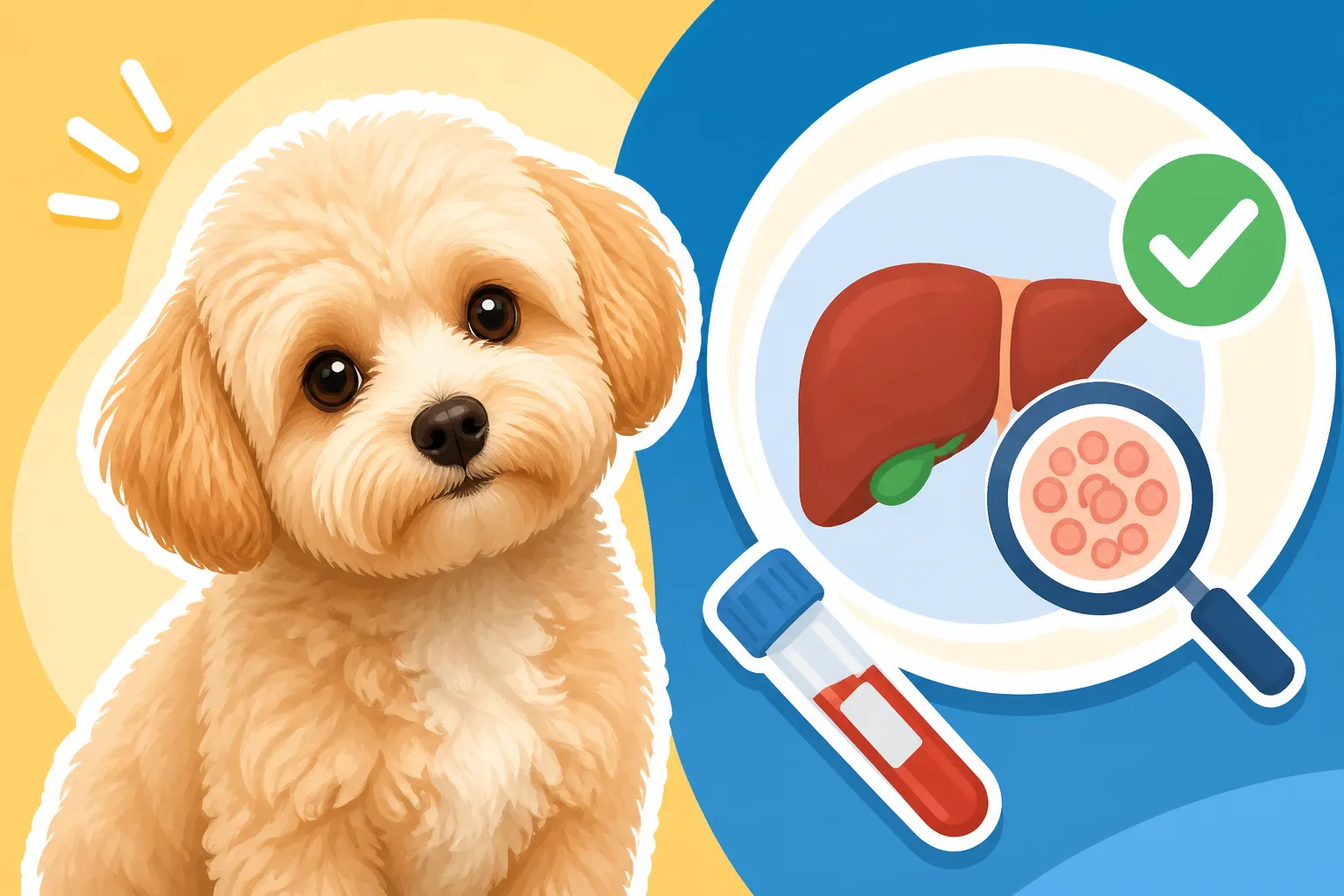
When your veterinarian talks about "liver values," they're referring to a panel of specific substances measured in your dog's blood that give insight into how well their liver is functioning. The liver is an absolute powerhouse organ, performing hundreds of vital functions, from filtering toxins and producing bile for digestion to synthesizing proteins and storing energy. If something is amiss with this critical organ, it can have wide-ranging and severe impacts on your Maltipoo's entire body.
These values typically include several enzymes like Alanine Aminotransferase (ALT), Alkaline Phosphatase (ALP), and Gamma-Glutamyl Transferase (GGT), which can indicate liver cell damage or bile duct issues. Beyond enzymes, a full liver panel often looks at bilirubin, which is involved in bile production and red blood cell breakdown; albumin, a protein produced by the liver that’s crucial for fluid balance; and sometimes blood urea nitrogen (BUN) and glucose, as the liver plays a significant role in their metabolism.
For Maltipoos, understanding these values is particularly important due to their heritage. The Maltese side, for instance, is known to be predisposed to certain congenital conditions, most notably portosystemic shunts, often referred to as liver shunts. These are abnormal blood vessels that bypass the liver, preventing blood from being properly detoxified. This condition can severely impact a Maltipoo's health, leading to a buildup of toxins in their system. You can read more about The Liver Shunt a Maltipoo Can Inherit From the Maltese to grasp the gravity of this genetic predisposition. The Poodle side also contributes to overall health considerations, but the Maltese's propensity for liver issues makes liver value checks a particularly salient topic for Maltipoo owners. It's not just about acute illness; these tests can uncover chronic issues that, if left unaddressed, could significantly shorten your Maltipoo's lifespan.
When and Why to Test Your Maltipoo's Liver
Knowing when to check your Maltipoo's liver values is just as important as understanding what they are. These tests aren't just for sick dogs; they're a vital part of proactive healthcare that can literally be a lifesaver.
Routine Wellness Checks and Puppy Screening
For any Maltipoo puppy, especially one suspected to be on the smaller side or from a breeding line with known history, an early liver assessment is critical. A bile acid test, which is a specific type of liver function test, is highly recommended for puppies. This test checks how well the liver processes bile acids, and it's much more sensitive for detecting congenital conditions like portosystemic shunts than a standard enzyme panel alone. Your breeder should ideally have run these tests on the parents and potentially the puppies, but if not, it’s definitely something to discuss with your own veterinarian. Learning about The Bile Acid Test a Maltipoo Puppy Should Have can give you a clearer picture of this specific diagnostic.
As your Maltipoo grows, regular annual or bi-annual wellness checks should include routine blood work, which often features liver enzymes. This creates a baseline for your dog's normal values, making it easier to spot deviations in the future. Just like with humans, these yearly check-ups are paramount for early detection of many conditions. You can find more comprehensive information on what these visits should entail in The Yearly Checks a Maltipoo Should Get. Catching slight elevations early can give you and your vet a chance to intervene before the problem becomes severe.
Identifying Concerning Symptoms
Sometimes, our Maltipoos give us subtle (or not-so-subtle) clues that something isn't right. If you observe any of the following symptoms in your Maltipoo, it’s definitely time to get those liver values checked immediately:
- Lethargy or unusual weakness: A sudden drop in energy levels or a lack of enthusiasm for playtime could be a sign.
- Loss of appetite or weight loss: If your normally food-motivated Maltipoo starts turning up their nose at meals, or you notice them getting thinner despite eating, it’s a red flag.
- Vomiting or diarrhea: While these can be signs of many ailments, persistent gastrointestinal upset can indicate liver distress.
- Jaundice: A yellowish tint to their gums, the whites of their eyes, or their skin is a classic sign of liver issues. This is due to a buildup of bilirubin.
- Increased thirst and urination: While also a sign of kidney issues or diabetes, it can be related to liver problems.
- Neurological symptoms: This is particularly concerning with liver shunts. You might see disorientation, aimless wandering, pressing their head against a wall, seizures, or even temporary blindness. These are often worsened after eating, as the toxins from digestion build up. If you're seeing these signs, understanding The Signs a Maltipoo Puppy Has a Shunt will be incredibly useful for you.
- Abdominal distension: A swollen belly could indicate fluid buildup (ascites) due to liver failure.
It’s easy to dismiss some of these symptoms as just "having an off day," but for a small dog like a Maltipoo, changes can escalate quickly. Trust your gut instinct if you feel something is wrong.
Prior to Anesthesia and During Medication Use
Any time your Maltipoo needs to undergo a procedure requiring anesthesia, such as a dental cleaning (which, let's be honest, will probably be a regular occurrence given The Forty Two Teeth Crowding a Maltipoo's Jaw), your vet will likely recommend pre-anesthetic blood work. This is crucial for assessing liver and kidney function, as these organs are responsible for metabolizing and eliminating anesthetic drugs from the body. If the liver isn't functioning optimally, it increases the risk of complications during and after anesthesia. What Pre Anesthetic Bloodwork Adds for a Maltipoo explains why this step is non-negotiable for their safety, especially for smaller dogs who are more sensitive to medication dosages. Considering Whether a Maltipoo Under Five Pounds Can Be Anesthetized is another reminder of how careful vets need to be with tiny canines.
Furthermore, if your Maltipoo is on any long-term medication, particularly those known to be metabolized by the liver, regular monitoring of liver values will be part of their treatment plan. This ensures the medication isn't causing undue stress or damage to the liver over time.
Interpreting Your Maltipoo's Liver Test Results
Getting those lab results back can feel like deciphering a secret code. Your veterinarian will always be the best person to explain what your Maltipoo's specific numbers mean, but having a basic understanding can help you feel more informed and less overwhelmed.
Understanding Normal vs. Abnormal Ranges
Each liver value has an established "normal" reference range. Numbers outside of this range, whether high or low, indicate a potential problem.
-
Elevated Liver Enzymes (ALT, ALP, GGT):
- ALT (Alanine Aminotransferase): This is often considered a direct indicator of liver cell damage. If liver cells are injured, ALT leaks into the bloodstream, causing levels to rise. This could be due to inflammation, toxins, certain medications, or lack of oxygen to the liver.
- ALP (Alkaline Phosphatase): Elevated ALP can indicate bile flow obstruction or certain metabolic conditions, including Cushing's disease. In growing puppies, ALP can be naturally higher due to bone growth, but in an adult Maltipoo, it's a significant marker.
- GGT (Gamma-Glutamyl Transferase): Often associated with bile duct issues or certain liver diseases. Its elevation usually points to a more specific type of liver problem than ALT or ALP alone.
-
Bilirubin: High bilirubin levels cause jaundice. This can happen if the liver isn't processing bilirubin correctly (e.g., due to liver disease) or if there's excessive red blood cell destruction.
-
Albumin: Low albumin levels can suggest chronic liver disease, as the liver is responsible for producing this protein. Low albumin can lead to fluid accumulation in the abdomen (ascites) or other parts of the body.
-
Bile Acid Test: This is particularly important for Maltipoos due to the risk of liver shunts. A fasting bile acid test is taken, then a second sample is taken a few hours after a small meal. If the liver isn't processing the bile acids efficiently, the post-meal levels will be significantly elevated. This is a crucial test for diagnosing The Liver Shunt Test a Maltipoo Puppy Should Have and determining if Whether a Maltipoo Inherits the Maltese Shunt is a concern.
The Need for Further Diagnostics
It's vital to remember that an abnormal liver value on its own often doesn't give a definitive diagnosis. It points the vet in the right direction. For instance, high liver enzymes might just be a sign of irritation, or it could be pointing to something much more serious like hepatitis, cancer, or a liver shunt.
If initial blood work shows concerning liver values, your vet will likely recommend additional diagnostics. These could include:
- Repeat blood work: Sometimes, minor elevations can be temporary or due to a fluke. A re-test can confirm if the trend continues.
- Abdominal ultrasound: This non-invasive imaging technique allows the vet to visualize the liver, assess its size, shape, and internal structure, and look for masses, cysts, or abnormalities in blood vessels (like a shunt).
- X-rays: While not as detailed as an ultrasound for soft tissues, X-rays can show overall liver size and may reveal other issues.
- Urine tests: To rule out other conditions affecting hydration or kidney function.
- Liver biopsy: This is the most definitive diagnostic test, involving taking a small tissue sample from the liver for microscopic examination. It can identify specific diseases, inflammation, or cancerous cells. However, it's a more invasive procedure and typically reserved for cases where other diagnostics are inconclusive.
Receiving concerning news about your Maltipoo's health is incredibly stressful. It's okay to feel overwhelmed and scared. Take a deep breath, ask your vet all the questions you have, and explore all the options. Your vet is your partner in this journey, and they want the best for your furry family member.
Proactive Steps for Liver Health and Managing Concerns
Taking care of your Maltipoo's liver health isn't just about reacting to problems; it's about being proactive and setting them up for a long, healthy life.
Diet and Nutrition
A high-quality, balanced diet is fundamental for overall health, including liver function. Feed your Maltipoo a commercial dog food specifically formulated for small breeds, as these are typically designed with appropriate nutrient balances and kibble sizes. Avoid feeding excessive human food, especially fatty or spicy items, as these can put unnecessary strain on the liver and pancreas. Always ensure fresh, clean water is available. For dogs diagnosed with liver disease, your vet might recommend a specialized prescription diet that is lower in protein, copper, or other components to reduce the liver's workload.
Avoiding Toxins and Harmful Medications
The liver's job is to detoxify the body, so minimizing exposure to toxins is crucial. Keep all household chemicals, human medications, certain plants, and toxic foods (like chocolate, xylitol, grapes, onions) out of your Maltipoo's reach. Always consult your vet before giving any over-the-counter human medications or supplements, as many are toxic to dogs or can interact negatively with their liver. Even seemingly benign supplements can sometimes contain ingredients that are hard for a sensitive liver to process.
Regular Veterinary Check-ups and Monitoring
We've emphasized this already, but it bears repeating: consistent veterinary care is your best defense. Regular check-ups allow your vet to spot subtle changes, perform routine blood work, and recommend specific liver tests if there's any suspicion of an issue. If your Maltipoo has been diagnosed with a liver condition, adherence to your vet's prescribed treatment plan and follow-up appointments are paramount for managing the disease and monitoring its progression. This might include regular rechecks of their liver values to ensure medication is working or to adjust treatment as needed.
Considering Pet Insurance
The cost of diagnostic tests, specialized veterinary care, and potential treatments for liver conditions can quickly add up. For example, comprehensive testing for a liver shunt, potentially including an ultrasound and specialized bile acid tests, can be hundreds to thousands of dollars, and if surgery is needed, that's another significant expense. This is where pet insurance can be a real game-changer. Companies like Healthy Paws offer coverage that can help offset these unexpected vet bills, providing immense peace of mind.
Thinking about What Insuring a Maltipoo Runs Monthly upfront can save you from a tough financial decision down the line if a serious condition like a liver shunt is diagnosed. Imagine your Maltipoo needing surgery for a shunt; Whether a Shunt Diagnosis Bankrupts a Maltipoo Owner is a real concern for many, but insurance can provide a vital financial safety net. Many owners wonder Whether Pet Insurance Pays Off on a Maltipoo, and when faced with unexpected, high-cost medical issues like liver disease, the answer is often a resounding yes. It's a proactive investment in your Maltipoo's future health and your financial stability as an owner.
Following Veterinary Recommendations
Ultimately, your veterinarian is your primary resource and guide. If they recommend a specific course of action, whether it's further diagnostic testing, a specialized diet, medication, or even surgical intervention, it's essential to follow their advice. They have the expertise to interpret complex information and tailor a treatment plan specifically for your Maltipoo's needs. Don't hesitate to ask for clarification, a second opinion if you feel it's necessary, or resources for support groups if you're dealing with a chronic or serious liver condition. Being an informed and engaged owner is one of the greatest gifts you can give your Maltipoo.
Common Liver Values and What They Might Indicate
Here's a quick reference table to help you understand some of the common liver values your vet might discuss:
| Liver Value | Common Abbreviation | What it Measures | Potential Indication of High Levels | Potential Indication of Low Levels |
|---|---|---|---|---|
| Alanine Aminotransferase | ALT | Enzyme released when liver cells are damaged | Liver cell damage (inflammation, injury, toxins) | Not typically a concern |
| Alkaline Phosphatase | ALP | Enzyme found in liver, bone, and other tissues | Bile flow issues, liver disease, Cushing's, bone growth (puppies) | Not typically a concern |
| Gamma-Glutamyl Transferase | GGT | Enzyme indicating bile duct and liver disease | Bile duct obstruction, liver inflammation or disease | Not typically a concern |
| Bilirubin | Total Bili | Byproduct of red blood cell breakdown, processed by liver | Jaundice, liver disease, excessive red blood cell destruction | Not typically a concern |
| Albumin | ALB | Protein produced by the liver, maintains fluid balance | Not typically a concern | Chronic liver disease, severe malnutrition, kidney disease |
| Bile Acids | BA | Measures liver's ability to process bile acids | Portosystemic shunt, severe liver disease | Not typically a concern |
| Blood Urea Nitrogen | BUN | Byproduct of protein metabolism, filtered by kidneys | Kidney disease, dehydration (High); Severe liver disease (Low) | Severe liver disease (Low) |
Remember, this table is for general understanding. Always consult your veterinarian for a precise interpretation of your Maltipoo's individual test results.
Disclaimer
The information provided in this guide is intended for educational purposes only and should not be considered a substitute for professional veterinary advice. Always consult with a qualified veterinarian regarding any health concerns or before making any decisions about your Maltipoo's medical care.