Whether a Maltipoo Gets Distichiasis
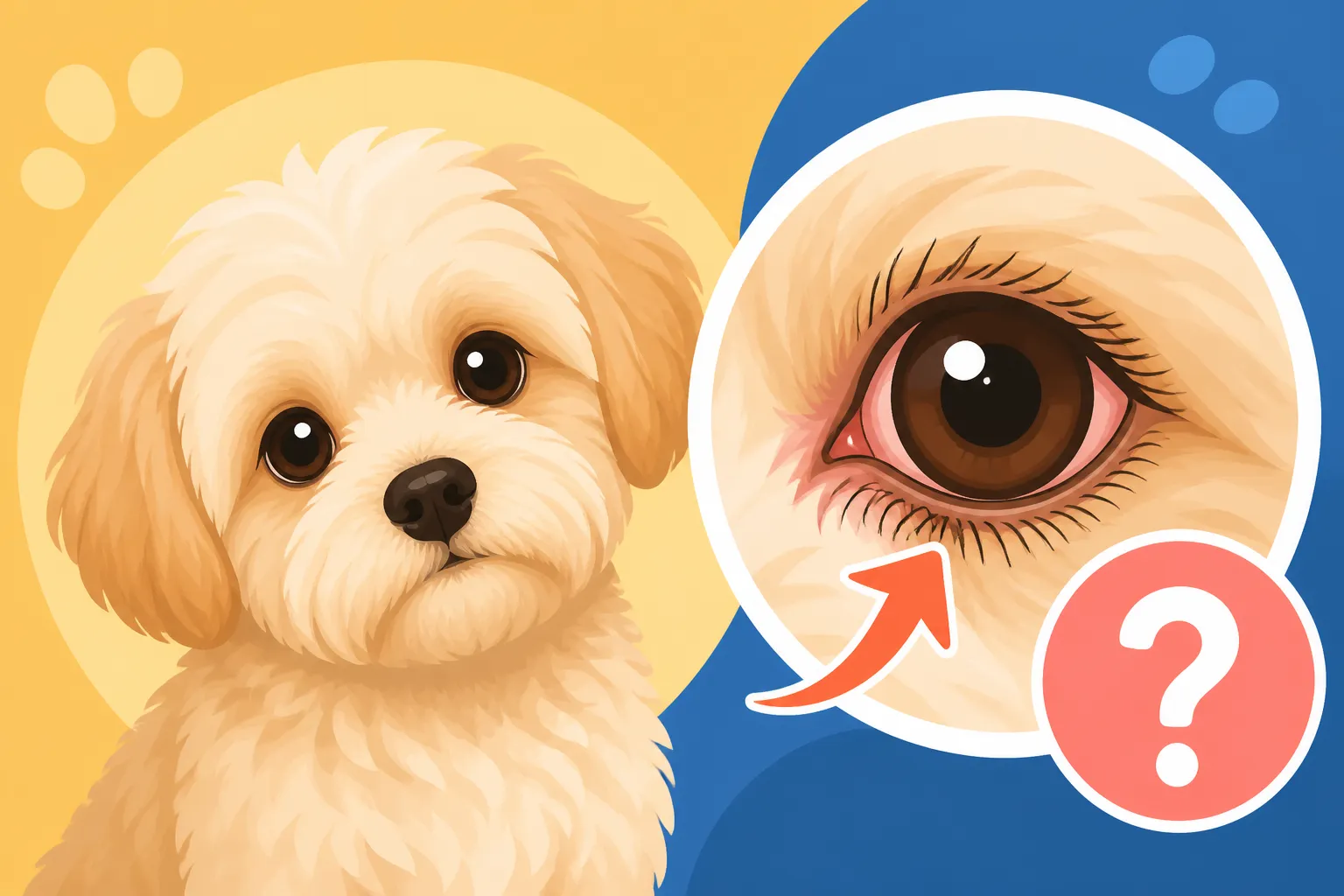
It’s a heart-sinking moment when you notice something isn't quite right with your precious Maltipoo's eyes. Maybe they’re rubbing at their face more, or you see a persistent wetness and tear staining that wasn’t there before. These little dogs, with their adorable fluffy faces, are unfortunately prone to several eye conditions, and one that often causes confusion and worry among owners is distichiasis. This comprehensive guide will walk you through everything you need to know about distichiasis in Maltipoos, from identifying the signs to understanding treatment options and long-term care.
Understanding Distichiasis in Maltipoos
The eyes are the windows to your Maltipoo's soul, and keeping them healthy is paramount. When something as seemingly minor as an errant eyelash can cause significant discomfort and even damage, it’s crucial to understand what you’re up against. Distichiasis is one of those conditions that sounds complicated but is quite common in certain breeds, including our beloved Maltipoos.
What Exactly is Distichiasis?
Imagine having an eyelash growing right where it shouldn't be, constantly poking and irritating your eyeball. That’s essentially what distichiasis is. It's a condition where extra eyelashes, called distichiae, grow from abnormal locations on the eyelid. Instead of emerging from the outer skin of the eyelid like normal lashes, these rogue hairs sprout from the meibomian glands along the inside margin of the eyelid.
These extra eyelashes can be single hairs or clusters, and they can be soft and fine, or stiff and bristly. The problem arises when these hairs are positioned in such a way that they rub against the cornea (the clear front surface of the eye) or the conjunctiva (the pink lining of the eyelids). This constant friction can lead to a range of issues, from mild irritation to serious damage. It's not just an aesthetic concern; it’s a source of genuine pain and potential long-term eye problems for your furry friend.
Why Maltipoos Are Susceptible
Maltipoos, being a crossbreed of the Maltese and the Poodle, inherit a genetic predisposition to various health conditions from both sides. When it comes to eye issues like distichiasis, both parent breeds are known to be affected. The Maltese, with its long facial hair and tendency towards tear staining, and the Poodle, known for a range of inherited eye conditions, both contribute to the Maltipoo's susceptibility.
It’s not uncommon for breeders to screen for such conditions, but with crossbreeds, the genetic lottery can sometimes result in a combination of predispositions. This is why understanding The Eyes a Maltipoo Gets From the Poodle is so important, as many of these traits carry over. While not every Maltipoo will develop distichiasis, the genetic background means they are certainly more at risk than some other breeds. It’s simply part of their genetic makeup, something we as owners need to be aware of and vigilant about.
Distichiasis Versus Other Eyelid Abnormalities
It’s easy to get distichiasis confused with other common eyelid and eyelash abnormalities, especially since many of them present with similar symptoms. However, understanding the distinctions is vital for accurate diagnosis and effective treatment.
- Ectopic Cilia: This is perhaps the most painful and potentially damaging condition. Ectopic cilia are eyelashes that grow through the conjunctiva (the inner lining of the eyelid) and directly out onto the surface of the eye. Unlike distichiae, which grow from the eyelid margin, ectopic cilia are much more likely to cause severe irritation and corneal ulcers because they are constantly abrading the delicate eye surface. These are often solitary hairs but cause intense discomfort.
- Trichiasis: This refers to normal eyelashes that are misdirected and grow inwards, rubbing against the eye. This can happen if the eyelid itself turns inward (a condition called entropion), or if particularly long or coarse normal lashes simply grow at an awkward angle.
- Entropion: This is a structural issue where a portion of the eyelid itself rolls inward, causing the fur on the outside of the eyelid (including normal eyelashes) to rub against the eye. While the symptoms are similar, entropion is a problem with the eyelid's shape, not just an errant lash. This often requires surgical correction to reposition the eyelid.
Recognizing the subtle differences between these conditions usually requires a professional veterinary eye examination. Each condition has its own specific treatment, so accurate diagnosis is the first and most crucial step towards relief for your Maltipoo.
Recognizing the Signs and Symptoms
Catching eye issues early can make a huge difference in your Maltipoo's comfort and long-term eye health. Because distichiasis can range from a mild annoyance to a serious threat to vision, knowing what to look for is key. Your Maltipoo can't tell you in words that their eye hurts, so you need to be their detective.
Subtle Early Indicators
Sometimes, the first signs of distichiasis are so subtle you might not immediately realize they're symptoms of an eye condition. Given how delicate Maltipoos can be, even minor irritation can lead to noticeable changes in their behavior or appearance.
- Excessive Blinking or Squinting: This is often the very first clue. If your Maltipoo is blinking more frequently than usual, or seems to be holding one or both eyes partially closed, it could be a sign of irritation. They're trying to relieve the discomfort caused by the foreign object (the eyelash) rubbing against their eye.
- Increased Tearing and Tear Staining: Maltipoos are already prone to tear staining, which makes this symptom a bit tricky. However, if you notice a sudden increase in the amount of tears, or the staining becoming more pronounced or wetter than usual, it’s a red flag. The tears are the eye's natural response to irritation, attempting to flush out the offending hair. This constant wetness can lead to unsightly brown or reddish streaks, a topic often covered when discussing Tear Duct Problems in a Maltipoo.
- Rubbing at the Eyes or Face: You might see your Maltipoo using their paw to rub at their eyes, or rubbing their face against furniture, carpets, or even your leg. This is a clear attempt to alleviate itching or discomfort. Be very careful if they're doing this, as vigorous rubbing can actually worsen the irritation and potentially scratch the cornea.
- Mild Redness in the Eye: A slight pinkness or redness of the conjunctiva (the pink tissue around the eyeball) can also be an early sign of inflammation due to constant irritation.
These subtle signs often come and go, especially in mild cases, which can make them easy to dismiss. But consistent observation of any of these behaviors warrants a closer look.
More Severe Symptoms
When left unaddressed, the constant friction from distichiae can escalate into more serious issues, causing significant pain and potentially leading to permanent damage. This is when an immediate veterinary visit becomes absolutely critical.
- Pronounced Eye Redness and Inflammation: Beyond a subtle pinkness, the whites of your Maltipoo’s eyes might appear noticeably red, or the eyelids themselves could look swollen and inflamed. This indicates a more advanced stage of irritation and infection.
- Cloudiness or Ulcers on the Cornea: The most severe complication of distichiasis is corneal ulceration. The constant rubbing can create open sores or abrasions on the cornea. You might notice a cloudy spot on the surface of the eye, or your Maltipoo might be extremely sensitive to light. Corneal ulcers are incredibly painful and can lead to serious infections, vision impairment, or even loss of the eye if not treated promptly.
- Holding Eye Completely Shut (Blepharospasm): If your Maltipoo is experiencing significant pain, they may hold the affected eye completely shut. This involuntary muscle spasm is a strong indicator of severe discomfort and is usually accompanied by other signs of distress.
- Discharge from the Eye: While initial increased tearing is clear and watery, as irritation progresses or if an infection sets in, you might notice thick, mucous-like, or even pus-filled discharge from the eye. This signals a bacterial infection that requires immediate veterinary attention.
Never ignore these more severe symptoms. They indicate that your Maltipoo is in significant pain and at risk of lasting eye damage. If you see any of these, it's an emergency, and you need to get them to the vet without delay. Remember, issues like Whether a Maltipoo Gets Cataracts or Whether a Maltipoo Gets Dry Eye also affect their vision and comfort, so ruling out all possibilities with a professional diagnosis is crucial.
Diagnosis and Treatment Options for Distichiasis
Once you suspect your Maltipoo might have distichiasis, the next step is a professional diagnosis and a discussion of treatment options. This isn't something you can tackle at home, as the delicate nature of the eye requires expert care.
The Veterinary Examination
When you bring your Maltipoo to the vet with suspected eye problems, they won't just glance at it. A thorough examination is crucial to correctly diagnose distichiasis and rule out other conditions.
The vet will typically start with a general physical exam, paying close attention to your Maltipoo's overall demeanor and any signs of pain. Then, they'll move to the eyes specifically. This usually involves:
- Visual Inspection: Using specialized magnification, your veterinarian will carefully examine the eyelids and the surface of the eye. They'll be looking for those tiny, abnormally growing eyelashes along the eyelid margin. Sometimes, these hairs are so fine and light-colored that they are incredibly difficult to spot without powerful magnification.
- Fluorescein Stain Test: This is a common and vital diagnostic tool for any eye irritation. A special orange dye is applied to the eye. If there's an abrasion or ulcer on the cornea, the dye will stick to the damaged area and glow green under a blue light. This helps the vet assess the severity of any damage caused by the errant eyelashes.
- Schirmer Tear Test: This test measures tear production to rule out conditions like dry eye, which can have similar symptoms of irritation and redness.
- Ophthalmoscopy: In some cases, the vet might use an ophthalmoscope to examine the internal structures of the eye.
Don't be surprised if your vet recommends seeing a veterinary ophthalmologist, especially if the case is complex or requires specialized surgical techniques. These specialists have advanced training and equipment to handle intricate eye conditions. Early and accurate diagnosis is the cornerstone of effective treatment, so trusting your vet's recommendation is vital.
Managing Mild Cases
For Maltipoos with very few distichiae that are soft and cause only minimal irritation, a conservative approach might be considered initially. The goal here is to keep the eye comfortable and prevent further damage.
- Lubricating Eye Drops or Ointments: Your vet might prescribe artificial tears or lubricating ointments. These help to create a protective barrier over the eye, reducing the friction caused by the eyelashes. They can also help soothe the irritation and keep the eye moist, which is particularly beneficial if the eye is dry from excessive tearing. You might need to apply these several times a day.
- Regular Cleaning: Gentle cleaning around the eye with a sterile saline solution can help remove any debris or crust that might accumulate due to increased tearing. This is especially important for Maltipoos prone to tear staining.
- Observation: With mild cases, sometimes the best approach is careful monitoring. You'll need to keep a close eye on your Maltipoo for any worsening symptoms, such as increased pain, redness, or discharge. If the condition progresses, more definitive treatment will be necessary.
It’s important to understand that these conservative methods manage the symptoms but don't address the cause of distichiasis. The eyelashes are still there and still have the potential to cause problems.
Permanent Solutions for Persistent Issues
When distichiasis causes significant discomfort, corneal damage, or recurrent problems, a more permanent solution is usually recommended. These procedures aim to remove or destroy the offending hair follicles.
- Manual Epilation (Plucking): This is the simplest and least invasive method, where the veterinarian uses fine forceps to pluck out the offending eyelashes. It provides immediate relief, but it’s rarely a long-term solution. The hair follicles remain, and the eyelashes almost always grow back, often within a few weeks to months, sometimes even coarser than before. It’s typically used as a temporary measure or for very isolated hairs in dogs that are difficult to anesthetize. This procedure often requires sedation as it can be uncomfortable for your Maltipoo.
- Cryotherapy (Freezing): This is a more permanent and commonly used method. Under general anesthesia, a cryoprobe (a specialized freezing instrument) is applied to the eyelid where the distichiae are growing. The freezing and thawing cycles destroy the hair follicles, preventing regrowth. This procedure is quite effective but can sometimes lead to temporary swelling or pigment changes in the eyelid.
- Electrolysis (Electroepilation): Similar to cryotherapy, electrolysis uses a fine needle to deliver an electric current to the individual hair follicles, destroying them. This is often done under general anesthesia as it requires precision. It can be effective for a limited number of hairs.
- Surgical Excision: In some severe or complex cases, a veterinary ophthalmologist might perform surgery to remove the section of the eyelid containing the abnormal follicles. This is a more invasive procedure and is typically reserved for cases where other methods haven't been successful or when there are a large number of distichiae in one area.
- Laser Ablation: Using a specialized laser, the hair follicles can be precisely destroyed. This method also requires general anesthesia and is highly effective, minimizing damage to surrounding tissues.
All of these permanent solutions require general anesthesia, which can be a concern for small breeds like Maltipoos. This is a conversation you'll have with your vet to weigh the risks and benefits. When considering such procedures, pet insurance can be a huge help. Providers like Healthy Paws offer comprehensive coverage that can significantly alleviate the financial burden of these specialized treatments. It’s definitely worth looking into pet insurance while your Maltipoo is young and healthy, before pre-existing conditions become an issue. Unexpected costs, whether for What Patella Surgery Runs on a Maltipoo or eye surgery, can quickly add up, and having a plan in place provides peace of mind.
Long-Term Care and Prevention
Living with a Maltipoo, you quickly learn that preventative care is often the best care. This holds especially true for eye conditions like distichiasis. While you can't always prevent genetic predispositions, you can certainly manage the risks and ensure your dog lives a comfortable, healthy life.
Regular Eye Care Routine
A proactive daily and weekly routine can make a world of difference in preventing irritation and detecting issues early. Small dogs like Maltipoos, with their adorable, often-hairy faces, require specific attention to their eye area.
- Daily Gentle Wiping: Make it a habit to gently wipe your Maltipoo’s eyes every day with a soft, damp cloth or a specialized pet eye wipe. This helps remove any accumulated tears, dirt, or debris that could otherwise contribute to irritation or bacterial growth. Pay particular attention to the corners of the eyes.
- Keeping Hair Trimmed: The long, flowing hair that is characteristic of Maltipoos, particularly around their face, can easily irritate their eyes. Regular grooming is essential. This includes having a professional groomer trim the hair around their eyes, or learning to do a safe The Two Week Face Trim a Maltipoo Needs at home yourself. Hair constantly brushing against the eye can mimic the irritation of distichiasis and can even worsen existing conditions or lead to new ones.
- Checking for Redness and Discharge: During your daily routine, take a moment to carefully examine your Maltipoo's eyes. Look for any redness, cloudiness, or unusual discharge. Is one eye watering more than the other? Are they squinting? Noticing these subtle changes quickly can help you address potential problems before they become severe.
- Protection from Environmental Irritants: Keep your Maltipoo away from strong winds, dust, and harsh chemicals, which can all irritate their eyes. If they love sticking their head out the car window, consider doggy goggles to protect their delicate peepers.
Incorporating these simple steps into your daily interactions with your Maltipoo can go a long way in promoting eye health and comfort.
Importance of Regular Vet Check-ups
Even with the most diligent home care, nothing replaces the expertise of your veterinarian. Regular check-ups are paramount for detecting and addressing potential health concerns, including those affecting the eyes.
- Annual Wellness Exams: Your Maltipoo should have a comprehensive wellness exam at least once a year. During this visit, your vet will perform a general health check and specifically examine your dog's eyes. They can spot issues that might be invisible to the untrained eye. This is also the time to discuss any concerns you've noticed at home. Many owners underestimate the importance of these routine visits, but they are crucial for a long and healthy life.
- Early Detection of Eye Conditions: Regular vet visits mean that conditions like distichiasis, Whether a Maltipoo Gets Dry Eye, or even early signs of The Retinal Disease a Maltipoo Gets From the Poodle can be caught early. The earlier a condition is diagnosed, the sooner it can be treated, often leading to better outcomes and less discomfort for your Maltipoo. For example, if distichiasis is identified before it causes a corneal ulcer, the treatment is typically less invasive and recovery is faster.
- Professional Advice on Eye Care: Your vet can offer tailored advice on specific eye care products, grooming techniques, and even diet adjustments that might support your Maltipoo's eye health. They can also recommend specialists if a complex eye issue arises.
- Vaccinations and Parasite Control: While not directly related to distichiasis, keeping up with vaccinations and parasite control (especially heartworm and flea/tick prevention) contributes to your Maltipoo's overall health and ability to fight off infections, including those that might affect the eyes. A healthy immune system helps with everything, even recovering from a problem like Hypoglycemia and the Teacup Maltipoo Puppy or healing after surgery.
Think of these regular check-ups as your Maltipoo's annual MOT. They ensure everything is in working order and help identify any potential problems before they become significant. It's an investment in their well-being, and often saves you more in the long run by preventing costly emergency treatments. And again, having pet insurance like Healthy Paws can ease the financial stress of managing ongoing or unexpected health issues. Understanding The Yearly Checks a Maltipoo Should Get will give you a good overview of what to expect during these vital appointments.
Breeder Responsibility and Genetic Screening
While not a direct treatment, choosing a responsible breeder is perhaps the most significant preventative measure you can take against inherited conditions like distichiasis.
- Health Testing of Parents: A reputable breeder will health test their breeding stock for common genetic conditions known to affect Maltese and Poodles. For eyes, this often includes examinations by a board-certified veterinary ophthalmologist (like OFA Eye Certification) to screen for conditions like progressive retinal atrophy (PRA), juvenile cataracts, and of course, eyelid abnormalities like distichiasis and entropion.
- Transparency and Documentation: A good breeder will be transparent about the health history of their parent dogs and will provide you with documentation of these health clearances. They should be able to discuss potential genetic predispositions in their lines and answer all your questions honestly.
- Why It Matters: While even the best health testing can't guarantee a puppy will never develop a condition, it significantly reduces the risk. Breeders who prioritize health and genetics over appearance or quick profits are investing in the long-term well-being of their puppies. Conversely, breeders who don't conduct health testing often contribute to the prevalence of inherited conditions, which can lead to heartbreaking and expensive problems for owners down the line.
Ultimately, while distichiasis can be a frustrating and uncomfortable condition for your Maltipoo, it is manageable and often treatable. With vigilance, proper veterinary care, and a good understanding of your dog's needs, you can ensure their eyes stay bright and healthy for years to come.
Distichiasis Treatment Comparison Table
To give you a clearer picture of the primary treatment options for distichiasis, here's a comparison:
| Treatment Option | Description | Pros | Cons | Approximate Cost Range (USA) | Recovery Time |
|---|---|---|---|---|---|
| Manual Epilation | Plucking individual errant eyelashes with forceps. | Quick, immediate relief, minimally invasive. | Temporary (hairs often regrow coarser), requires frequent repetition, sometimes needs sedation. | $50 – $200 (per session) | Immediate |
| Cryotherapy | Freezing the hair follicles with a cryoprobe under general anesthesia. | Often permanent, effective for multiple hairs. | Requires general anesthesia, potential for temporary swelling/pigment change. | $500 – $1,500 (per eye) | A few days (swelling) |
| Electrolysis | Using an electric current to destroy individual follicles under anesthesia. | Often permanent, precise for single hairs. | Requires general anesthesia, precise technique needed, can be time-consuming for many hairs. | $400 – $1,200 (per eye) | A few days (minor irritation) |
| Surgical Excision | Surgical removal of the section of eyelid containing affected follicles. | Permanent, effective for severe cases or large clusters. | More invasive, requires general anesthesia, potential for eyelid scarring or shape change. | $800 – $2,000+ (per eye) | 1-2 weeks |
| Laser Ablation | Using a laser to destroy follicles under general anesthesia. | Highly precise, often permanent, minimal tissue damage. | Requires specialized equipment, general anesthesia, higher cost. | $700 – $1,800 (per eye) | A few days (mild irritation) |
Note: Costs are approximate and can vary significantly based on location, vet clinic, severity of the condition, and whether a specialist is involved. Pet insurance, like that offered by Healthy Paws, can help cover a significant portion of these costs, especially for surgical procedures.
Disclaimer
As a veteran lifestyle blogger, I'm passionate about sharing comprehensive and empathetic advice based on my experience and thorough research. However, the information provided in this article is for educational purposes only and is not a substitute for professional veterinary advice. If your Maltipoo is exhibiting any signs of illness or discomfort, please consult with a qualified veterinarian immediately. Only a veterinary professional can accurately diagnose and recommend the appropriate treatment for your pet.