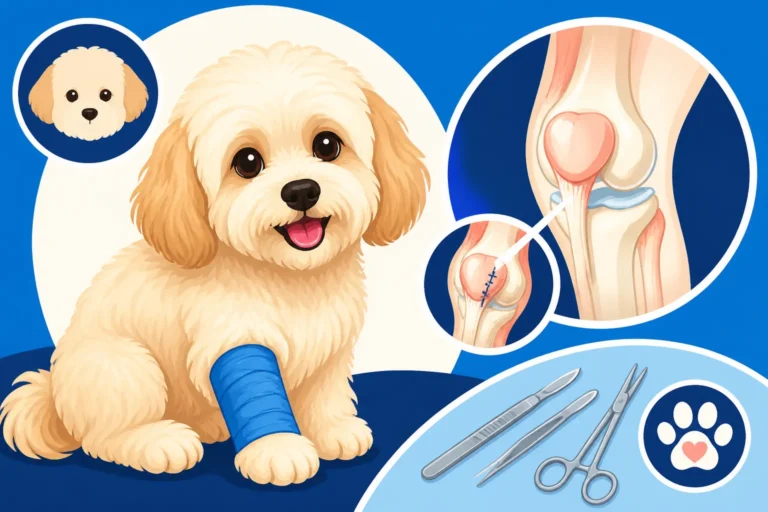
Whether a Maltipoo Needs Supplements
It’s a natural instinct to want to give our beloved Maltipoos every advantage for a long, healthy life. Often, this leads us down the path of wondering if they need a little extra boost beyond their daily meals, perhaps in the form of vitamins or supplements. The truth is a bit more nuanced than a simple yes or no, and diving into your Maltipoo's specific needs with a knowledgeable approach is key to truly supporting their well-being. This guide will walk you through when supplements might be beneficial, and more importantly, when they might not be, ensuring you make informed decisions for your furry family member.
The General Rule: A Balanced Diet is Key for Most Maltipoos
It's easy to fall for clever marketing or anecdotal advice when it comes to your dog's diet, especially when you love them as much as we love our Maltipoos. But for the vast majority of healthy adult Maltipoos, their regular dog food should already be doing all the heavy lifting. Think of it like a perfectly composed symphony – every instrument has its part, and adding more instruments doesn't necessarily make the music better, and in some cases, it can actually throw off the balance.
What Constitutes a Complete and Balanced Diet?
When we talk about a "complete and balanced diet" for your Maltipoo, we're referring to dog food that meets the nutritional standards set by bodies like the Association of American Feed Control Officials (AAFCO). These standards ensure that a food contains all the essential nutrients – proteins, fats, carbohydrates, vitamins, and minerals – in the correct proportions for your dog's life stage (puppy, adult, senior) and size.
High-quality commercial dog foods, whether they are kibble, wet food, or even carefully formulated fresh food diets, are specifically designed to provide everything your Maltipoo needs to thrive. Reputable brands spend considerable time and resources on research and development to create these formulations. They’ve already included the necessary vitamins like A, D, E, and B-complex, and minerals such as calcium, phosphorus, and zinc, in amounts that support overall health without the risk of deficiencies or excesses. Many reputable online retailers like Chewy offer a wide selection of foods from brands that adhere to these strict standards, making it easier for owners to find suitable options. If you're using a personalized fresh food service, such as Ollie, their formulations are also designed to be complete and balanced, custom-tailored to your dog’s specific profile, which can also minimize the need for extra supplements.
The key is to read the label. Look for the AAFCO statement confirming the food is complete and balanced for your Maltipoo's life stage. This simple verification is your first line of defense against nutritional gaps. Choosing a diet that meets these standards means you're providing a solid foundation, and typically, any additional supplementation could actually disrupt that delicate balance rather than enhance it.
When a "Healthy" Maltipoo Might Not Need Supplements
It's a common misconception that if a little bit of something is good, more must be better. We want to be proactive guardians, always looking for ways to boost our Maltipoo's health and happiness. But with supplements, this line of thinking can actually lead to problems. Giving a healthy Maltipoo supplements they don't need can introduce too much of certain nutrients into their system, leading to imbalances or even toxicity.
For example, too much calcium can lead to skeletal issues, especially in growing puppies, and excessive vitamin A can cause bone and joint pain. Vitamins and minerals work in concert within the body, and throwing off the ratio of one can impact the absorption or function of another. Imagine trying to fix a perfectly running engine by arbitrarily adding more oil or coolant; you might actually clog it up or cause it to overheat.
Before you consider adding anything to your healthy Maltipoo's diet, always, always consult with your veterinarian. They can assess your dog's current diet, lifestyle, and overall health to determine if there's an actual need. They might ask about any subtle changes you've noticed, your Maltipoo's energy levels, coat condition, or even their bathroom habits. Without a clear deficiency or a specific medical reason, the best "supplement" for a healthy Maltipoo is often just a high-quality, balanced diet and plenty of love and exercise.
Specific Health Concerns That Might Warrant Supplements
While a good diet is the cornerstone, there are specific situations where a veterinarian might recommend certain supplements to address particular health challenges your Maltipoo might face. These aren't about "boosting" an already healthy system, but rather about providing targeted support for an existing condition or a predisposition common in the breed.
Joint Health: Addressing Slipping Kneecaps and Arthritis
Maltipoos, inheriting traits from their Maltese and Poodle parents, are unfortunately prone to certain orthopedic issues, with patellar luxation – commonly known as "slipping kneecaps" – being a prime example. This condition, where the kneecap temporarily dislocates from its groove, can cause discomfort, limping, and, over time, can contribute to arthritis. For more on this, you might want to read Slipping Kneecaps in a Maltipoo.
If your Maltipoo has been diagnosed with patellar luxation, or if they are entering their senior years and showing signs of general joint stiffness, your vet might suggest supplements aimed at supporting joint health. The most common ingredients you'll hear about are glucosamine and chondroitin. These compounds are natural building blocks of cartilage, which is the cushioning tissue in joints. The idea is that providing these as supplements can help maintain the integrity of existing cartilage and potentially reduce inflammation, offering some relief and slowing down degeneration. Omega-3 fatty acids, which we'll discuss more in the next section, are also often included in joint health formulations due to their anti-inflammatory properties.
It's important to understand that these supplements are not a cure for conditions like patellar luxation, especially in its more severe grades, nor will they regrow lost cartilage. However, they can be part of a comprehensive management plan to improve comfort and mobility. The effectiveness can vary between dogs, and your vet will help you decide if they're a worthwhile addition for your individual Maltipoo, taking into account the severity of their condition and their general health. The age at which your Maltipoo might first experience these issues is also a factor, which is explored in The Age a Maltipoo's Kneecap First Slips.
Skin and Coat Issues: Omega Fatty Acids for Dryness and Allergies
The Maltipoo's beautiful, soft, often wavy coat is one of its most endearing features. But like us, they can suffer from skin and coat problems, including dryness, itchiness, and allergies that manifest as skin irritation. If your Maltipoo is constantly scratching, has flaky skin, or their coat lacks its usual luster, omega-3 and omega-6 fatty acids might be beneficial.
Omega fatty acids play a crucial role in maintaining healthy skin barrier function and reducing inflammation throughout the body, including the skin. Fish oil (rich in EPA and DHA, types of omega-3s) is a popular choice, known for its powerful anti-inflammatory effects. Omega-6 fatty acids, often found in plant oils, are also important but typically more abundant in commercial dog foods, so the focus is usually on boosting omega-3s.
For Maltipoos prone to environmental allergies or food sensitivities, supplementing with omega fatty acids can help to soothe inflamed skin, reduce itching, and promote a healthier, shinier coat. You might notice less shedding (though Maltipoos are already low-shedders!), less dry skin, and a noticeable improvement in overall coat quality. It’s not a magic bullet for allergies, which can be complex to manage, but it can certainly be a valuable tool in your vet’s arsenal. If you're concerned about your Maltipoo's constant scratching, you might find valuable insights in Allergies Behind a Maltipoo's Itching.
Digestive Support: Probiotics for Sensitive Stomachs
Maltipoos can sometimes have sensitive tummies, experiencing occasional bouts of loose stools, gas, or general digestive upset. This could be due to stress, a change in diet, or even a course of antibiotics. In these situations, probiotics can be incredibly helpful.
Probiotics are beneficial bacteria that live in the gut, helping to maintain a healthy balance of microorganisms. When this balance is disrupted, your Maltipoo might experience digestive woes. Introducing probiotics can help restore the good bacteria, aid in digestion, improve nutrient absorption, and strengthen the immune system (a large part of which resides in the gut).
Your vet might recommend probiotics after a round of antibiotics, which can wipe out both good and bad bacteria, or during times of stress, like moving to a new home or during travel. They can also be beneficial for Maltipoos who experience chronic mild digestive issues, as they can help regulate bowel function and reduce inflammation in the gut. Just like with humans, not all probiotics are created equal, so a vet-recommended product designed specifically for dogs is always the best choice.
Cognitive Support for Senior Maltipoos
As our beloved Maltipoos age, just like us, they can experience cognitive decline. You might notice changes in their behavior, such as disorientation, altered sleep-wake cycles, reduced interaction, or accidents in the house. These can be heartbreaking signs that your older Maltipoo's brain isn't as sharp as it used to be. For more insights into the care of an aging Maltipoo, consider reading Caring for a Maltipoo Past Ten.
For senior Maltipoos showing signs of cognitive dysfunction syndrome, your vet might recommend supplements designed to support brain health. These often contain ingredients like antioxidants (vitamins E and C), omega-3 fatty acids, medium-chain triglycerides (MCTs) from coconut oil, and various botanical extracts. The goal of these supplements is to combat oxidative stress in the brain, improve blood flow, and provide alternative energy sources for brain cells, potentially slowing the progression of cognitive decline and improving quality of life.
While these supplements aren't a fountain of youth, they can help manage symptoms and make your Maltipoo's golden years more comfortable and engaged. Discussing these options with your vet is crucial, as they can differentiate between normal aging and specific medical conditions, and tailor a plan that best suits your aging companion.
The Importance of Veterinary Consultation Before Starting Supplements
It's tempting to play doctor with our Maltipoos, especially when we see a minor issue and want to address it quickly. But the world of pet supplements is vast and often unregulated, making professional guidance absolutely essential. Adding anything new to your Maltipoo's diet without veterinary input can be ineffective at best, and actively harmful at worst.
Avoiding Self-Diagnosis and Harmful Interactions
The biggest danger of self-supplementation is misdiagnosis. That limping you notice might not just be a bit of stiffness that a joint supplement will fix; it could be something more serious, like a fracture, a ligament tear, or even an underlying neurological issue. Only a veterinarian can properly diagnose the root cause of your Maltipoo's symptoms through thorough examination and diagnostic tests like X-rays or blood work. Treating symptoms with the wrong supplement not only delays proper treatment for the actual problem but could also make it worse.
Furthermore, supplements can interact with medications your Maltipoo might already be taking. For example, certain herbs can affect blood clotting, which could be dangerous if your dog needs surgery or is on blood-thinning medication. Even seemingly innocuous vitamins can interfere with the absorption of prescription drugs or magnify their effects, leading to unintended side effects. Human supplements are particularly risky, as their dosages are designed for a much larger body mass and often contain ingredients that are toxic to dogs. Your vet knows your Maltipoo's entire medical history and can spot potential interactions, ensuring whatever you give them is safe and appropriate.
Understanding Dosages and Quality Control
When your vet recommends a supplement, they’re not just picking one off the shelf at random. They’re considering the specific brand, its ingredients, and the precise dosage for your Maltipoo's weight and condition. For tiny dogs like Maltipoos, getting the dosage just right is critically important. A dose that's perfectly safe for a Golden Retriever could be dangerously high for a two-pound Maltipoo. Your vet will ensure you have clear instructions on how much and how often to administer a supplement, taking the guesswork out of it.
The supplement industry for pets, unlike pet food, isn't as tightly regulated, which means there can be significant variability in the quality, purity, and even the actual content of products on the market. Some supplements might contain fillers, insufficient amounts of the active ingredient, or even contaminants. This is where your vet's expertise is invaluable. They often have access to professional-grade supplements from trusted manufacturers that undergo rigorous third-party testing to verify purity and potency. If your vet does recommend a supplement, you'll find many trusted brands available through retailers like Chewy, or your vet might dispense them directly. If your Maltipoo does develop a chronic condition requiring ongoing supplements, having pet insurance like Healthy Paws can certainly help manage the financial burden of vet consultations, diagnostics, and even some prescribed medications or therapeutic supplements. Always look for brands with a Veterinary Health Council (VHC) stamp or similar independent certification.
Ultimately, your veterinarian is your best partner in navigating the world of pet supplements. They can help you determine if a supplement is truly necessary, recommend safe and effective products, and guide you on proper dosing, always keeping your Maltipoo's unique health profile at the forefront.
Here's a quick overview of common Maltipoo health concerns and potential supplements, but remember, this is for informational purposes only and always requires veterinary consultation.
| Health Concern | Potential Supplements (Vet-Recommended) | Primary Benefit | Important Considerations |
|---|---|---|---|
| Joint Health (Patellar Luxation, Arthritis) | Glucosamine, Chondroitin, MSM, Omega-3 Fatty Acids | Cartilage support, anti-inflammatory, pain relief | Not a cure, slows progression, requires consistent use, vet to determine grade of luxation. |
| Skin and Coat Issues (Dryness, Allergies) | Omega-3 Fatty Acids (Fish Oil), Biotin | Improves skin barrier, reduces itching, shiny coat | Dosage critical for small dogs, can take weeks to see results. |
| Digestive Issues (Sensitive Stomach, Post-Antibiotics) | Probiotics, Prebiotics | Restores gut flora, aids digestion, boosts immunity | Specific strains for dogs, check viability, short-term or long-term use as advised. |
| Cognitive Decline (Senior Dogs) | Antioxidants (Vit E/C), Omega-3, MCT Oil, SAMe | Brain health, reduced oxidative stress, improved function | Part of a multi-faceted approach, effectiveness varies. |
| General Health (Nutrient Gaps in Poor Diet) | Multivitamin (rarely needed with balanced diet) | Fills broad nutritional gaps | Only if diet is truly lacking or medical reason, risk of over-supplementation. |
In conclusion, while the desire to provide the absolute best for your Maltipoo is commendable, a well-balanced, high-quality dog food usually meets all their nutritional needs. Supplements become truly valuable tools when a specific health issue, predisposed condition, or a vet-diagnosed deficiency is present. Always prioritize a conversation with your veterinarian before introducing any new supplement into your Maltipoo's routine. Their professional guidance ensures that any additional support you offer is safe, effective, and genuinely beneficial for your cherished companion.
Disclaimer
This article is for general informational purposes only and does not constitute professional advice. Laws, prices and regulations vary by location and change over time. Consult a qualified professional for guidance on your specific situation.