Allergies Behind a Maltipoo’s Itching
It’s utterly heartbreaking to see your beloved Maltipoo constantly scratching, licking, and generally miserable, isn't it? That relentless itching isn't just annoying; it can be a sign of underlying allergies that are making your furry friend genuinely uncomfortable. This comprehensive guide is here to shed light on why Maltipoos are prone to allergies, how to identify the culprits, and most importantly, how to work with your vet to find lasting relief for your itchy companion.
The Unique Susceptibility of Maltipoos to Allergies
You might think that because Maltipoos are often touted as "hypoallergenic," they'd be immune to allergies. Oh, if only that were true! While their low-shedding coats certainly help those with human allergies, it doesn't mean your Maltipoo's own immune system is impervious to environmental or food triggers. In fact, due to their parent breeds, Maltipoos can be quite prone to developing various types of allergies.
Understanding Their Genetic Predisposition
Both the Maltese and the Poodle, the proud parents of our charming Maltipoos, bring certain genetic predispositions to the table, and not all of them are positive when it comes to skin and immune health. The Maltese, for instance, is known for its delicate skin and can be prone to various dermatological issues, including allergies. They can contribute to a Maltipoo's tendency towards sensitive skin and certain allergic reactions. If you've ever wondered What the Maltese Contributes to a Maltipoo, you'll know their elegant appearance often comes with a need for meticulous care, especially for their skin and coat.
Similarly, Poodles, especially smaller ones like the Toy Poodle often used in Maltipoo breeding, can pass on tendencies for atopy (environmental allergies) and certain food sensitivities. This combination means your Maltipoo essentially gets a double dose of potential allergy risk. Their immune systems can sometimes overreact to otherwise harmless substances, leading to that maddening itch. It's not a flaw in your dog, just an unfortunate genetic lottery win that requires our diligent care.
Environmental Factors in Allergy Development
Beyond genetics, our modern lifestyles and environments play a significant role in how and when allergies manifest in Maltipoos. Just like us, dogs are exposed to a myriad of potential irritants daily. Think about the common household dust mites thriving in your carpets and upholstery, the seasonal pollen count skyrocketing during spring and fall, or even mold spores hiding in damp corners of your home. These omnipresent factors can become powerful allergens for a sensitive Maltipoo.
The unique coat of a Maltipoo, often a luscious, non-shedding marvel that is a blend of their parents’ hair types, means they require consistent grooming. While fantastic for allergy sufferers, this dense, fine hair can also trap environmental allergens close to the skin, prolonging exposure and potentially worsening irritation. Keeping their coat clean and free of mats is crucial not just for aesthetics but for skin health. Neglecting proper care for The Coat a Maltipoo Gets From Two Non Shedding Parents can exacerbate existing skin sensitivities. Our homes, with their myriad cleaning products, air fresheners, and even laundry detergents, can introduce chemical irritants that further challenge a Maltipoo's delicate skin barrier. It’s a complex dance between genetics and environment that ultimately triggers those irritating allergic reactions.
Decoding the Different Types of Maltipoo Allergies
When your Maltipoo is constantly scratching, it's easy to assume it's just "allergies," but pinpointing the specific type is key to effective treatment. Allergies in dogs generally fall into a few main categories, each with its own set of triggers and diagnostic pathways.
Environmental Allergies Atopy
Environmental allergies, often referred to as atopy or atopic dermatitis, are incredibly common in Maltipoos. These are reactions to allergens found in their surroundings, much like seasonal allergies in humans. The usual culprits include pollen from trees, grasses, and weeds, microscopic dust mites (which are present year-round, not just seasonally), and various molds. Your dog's immune system mistakenly identifies these harmless substances as threats, triggering an inflammatory response that primarily affects the skin.
Symptoms of atopy can be seasonal, flaring up when specific pollens are prevalent, or they can be perennial (year-round) if the allergen is always present, like dust mites. Imagine how frustrating it must be for your little one, feeling itchy everywhere but not being able to communicate what's wrong. Because these allergens are literally everywhere, avoiding them entirely is practically impossible, which makes managing environmental allergies a long-term commitment. The constant exposure can lead to persistent discomfort and a cycle of scratching, licking, and skin irritation.
Food Allergies and Sensitivities
Food allergies are another significant cause of itching and skin problems in Maltipoos. Unlike environmental allergies, which often manifest solely as skin issues, food allergies can sometimes present with gastrointestinal symptoms as well. Common food allergens for dogs include proteins like chicken, beef, dairy, wheat, soy, and even certain fish. Your Maltipoo's immune system reacts adversely to a specific protein in their diet, causing a variety of symptoms.
It’s important to understand the distinction between a true food allergy and a food sensitivity or intolerance. A true allergy involves an immune response, often immediate, while an intolerance is a digestive issue that typically builds over time and doesn't involve the immune system. However, both can lead to uncomfortable symptoms for your dog. A key challenge is that the symptoms of food allergies can often mimic those of environmental allergies, making it tricky for owners to differentiate. For instance, chronic ear infections or itchy paws could be due to either. This is why a precise diagnostic approach is so critical for determining Whether a Maltipoo's Skin Reacts to Food or if something else entirely is at play.
Contact Dermatitis and Flea Allergies
While less common than atopy or food allergies, contact dermatitis can also make your Maltipoo incredibly itchy. This type of allergy occurs when your dog's skin comes into direct contact with an irritant or allergen. Common triggers can include certain household cleaning products, pesticides in your yard, specific plant materials (like poison ivy or certain grasses), or even chemicals in shampoos or detergents used on their bedding. The reaction usually occurs on areas of the body that make direct contact, such as the belly, paws, or chin.
Then there are flea allergies, specifically Flea Allergy Dermatitis (FAD). This is one of the most intense allergic reactions a dog can experience. It's not the fleas themselves that cause the severe itching, but rather the proteins in their saliva. For a Maltipoo with FAD, even a single flea bite can trigger an extreme, generalized allergic reaction that can last for weeks. You might see disproportionate scratching, redness, scabs, and hair loss, often concentrated around the tail base, hind legs, and belly. This makes year-round, diligent flea prevention absolutely non-negotiable, even if you never see a flea, because the allergic reaction is so severe for sensitive individuals.
Recognizing the Telltale Signs Beyond Simple Itching
While itching is the hallmark symptom of allergies in Maltipoos, it's rarely the only sign. A diligent owner will notice a constellation of symptoms that point towards an allergic reaction, which can range from obvious skin issues to more subtle behavioral changes. Understanding these various manifestations is crucial for early detection and intervention.
Skin and Coat Manifestations
The most common signs of allergies in a Maltipoo appear on their skin and coat. That persistent itching leads to a cycle of scratching, licking, and chewing, which in turn causes further irritation and damage. You might notice your Maltipoo's skin becoming red, inflamed, or developing a rash. In severe cases, you could see "hot spots" – moist, red, painful lesions that appear suddenly and expand rapidly, often due to intense self-trauma.
Chronic scratching can also lead to hair loss, leaving patchy or thinned areas, especially on the belly, flanks, and legs. Over time, the skin in affected areas might thicken and darken, a condition known as lichenification. Some Maltipoos might develop greasy skin or a dull, unhealthy-looking coat due to the constant inflammation. One of the most common and frustrating signs is compulsive paw licking and chewing, sometimes to the point where the fur becomes stained reddish-brown from saliva. If your Maltipoo Whether a Maltipoo Chews Its Feet Until They Stain, especially the white parts of their fur, it's a strong indicator of underlying allergies or discomfort. This can also lead to secondary bacterial or yeast infections, which worsen the itching and require additional treatment.
Ear, Eye, and Paw Problems
Allergies in Maltipoos don't always present as a generalized rash. Often, they manifest in specific, localized areas that might seem unrelated at first glance. Chronic ear infections are a classic sign of underlying allergies. If your Maltipoo is constantly shaking its head, scratching at its ears, or you notice redness, discharge, or an unpleasant odor, it’s worth considering allergies as a cause. It's frustrating to deal with Whether a Maltipoo Gets Ear Infections repeatedly, especially when you're trying your best to keep them clean. The inflammation from allergies creates a warm, moist environment within the ear canal, making it a perfect breeding ground for bacteria and yeast.
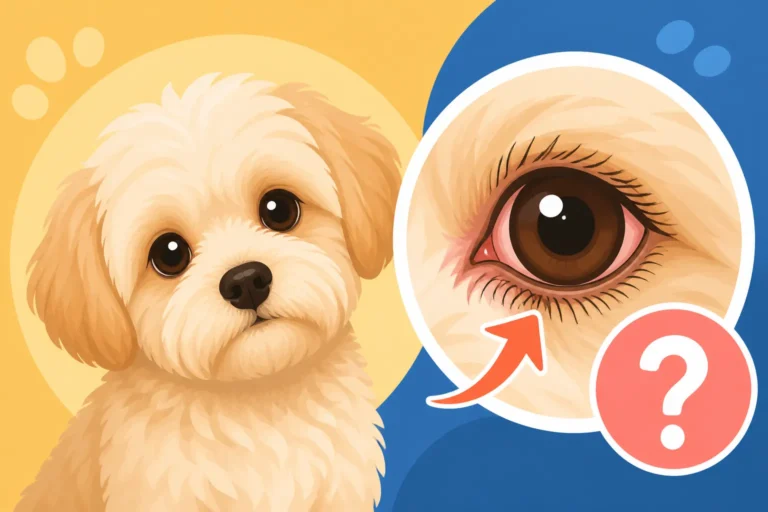
Another common symptom, particularly in light-colored Maltipoos, is excessive tearing and tear staining around the eyes. While some tear staining is normal for the breed, an increase in discharge, redness of the whites of the eyes, or constant rubbing of the face could indicate an allergic reaction. This is often linked to Tear Staining on a Light Coated Maltipoo that seems to worsen despite your best efforts. You might find yourself constantly wiping their face. Swollen, irritated, or painful paws are also typical, as Maltipoos tend to lick and chew their paws intensely to relieve itching. This can make walking uncomfortable and lead to further infections between their paw pads.
Less Obvious Symptoms
Beyond the visible skin issues, allergies can sometimes manifest in ways that are less obvious and might initially be attributed to other health problems. For Maltipoos with food allergies, gastrointestinal upset can be a significant symptom. This might include chronic or intermittent diarrhea, vomiting, excessive gas, or an upset stomach after meals. If your Maltipoo experiences digestive issues in conjunction with skin irritation, a food allergy should definitely be a top consideration.
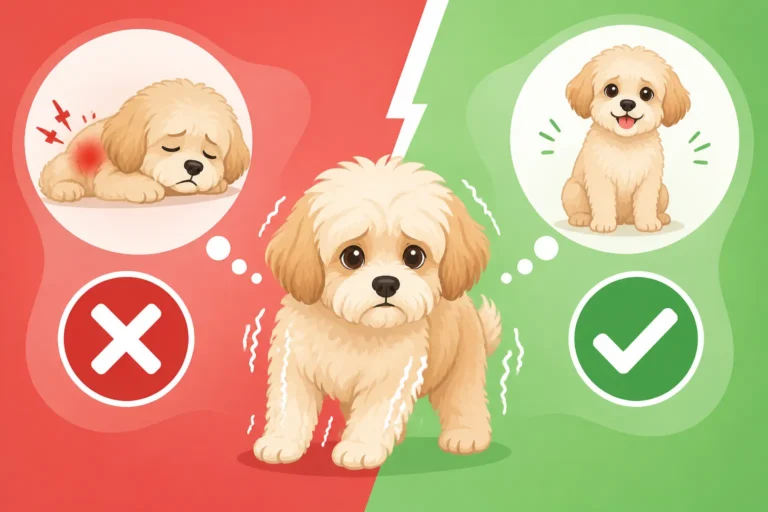
Furthermore, the chronic discomfort and irritation from allergies can take a toll on your Maltipoo's overall demeanor and behavior. A normally playful and cuddly dog might become restless, irritable, or even withdrawn. They might have trouble sleeping due to constant itching, leading to fatigue and a general sense of unease. You might notice them rubbing against furniture or carpets more frequently in an attempt to relieve the itch. These behavioral changes, while not diagnostic on their own, are important indicators that your furry friend is experiencing significant distress due to their allergies.
Navigating the Diagnostic Journey with Your Veterinarian
Pinpointing the exact cause of your Maltipoo's allergies can feel like detective work, but it's an essential step towards effective treatment. This journey requires patience, careful observation, and a close partnership with your veterinarian.
The Importance of a Thorough Vet Exam and History
The first and most crucial step is a comprehensive visit to your veterinarian. Don't underestimate the power of a detailed history! Your vet will ask you a lot of questions about your Maltipoo’s symptoms: when they started, if they're seasonal, what you feed them, any changes in their environment, and what treatments you've tried. Be as thorough as possible; even seemingly minor details can provide critical clues.
During the physical examination, your vet will meticulously inspect your Maltipoo's skin, coat, ears, and paws. They'll be looking for specific patterns of inflammation, hair loss, or infection that can help differentiate between various causes. One of the initial goals is often to rule out other common causes of itching, particularly parasites. Fleas, mites (like sarcoptic or demodectic mange), and even certain fungal infections can cause intense itching, mimicking allergy symptoms. Your vet may recommend skin scrapes or tape strips to look for these microscopic culprits. Only once these external factors are confidently ruled out can the focus shift more squarely to allergies. This initial diagnostic phase can sometimes feel slow, but it's vital to ensure you're treating the right problem, not just the symptoms.
Diagnostic Tools and Procedures
Once parasites and other non-allergic causes are ruled out, your vet will likely move on to specific diagnostic tests for allergies. For suspected food allergies, the gold standard is an elimination diet trial. This is not a quick fix; it's a commitment! Your Maltipoo will be put on a novel protein diet (one they've never eaten before, like duck or venison) or a hydrolyzed protein diet (where proteins are broken down so small the immune system doesn't recognize them). This diet must be fed exclusively for 8-12 weeks – no treats, no table scraps, no flavored medications. If symptoms improve dramatically during this period, specific food items are then slowly reintroduced one by one to identify the exact trigger. This methodical process can feel tedious, but it’s the most reliable way to determine Whether a Maltipoo's Skin Reacts to Food.
For environmental allergies (atopy), there are two main diagnostic tests:
- Intradermal Skin Testing (IDAT): This is performed by a veterinary dermatologist. Small amounts of common allergens (like pollens, dust mites, molds) are injected just under the skin. A localized reaction (a small welt) indicates an allergy to that substance. It's considered very accurate but requires sedation and a specialist.
- Serum IgE Blood Tests: These tests measure antibodies (IgE) in your Maltipoo's blood that are specific to various environmental allergens. While less invasive than skin testing, their accuracy can vary, and results need to be interpreted carefully by your vet.
In addition to allergy-specific tests, your vet might perform skin cytology (examining skin cells under a microscope) or bacterial/fungal cultures to identify any secondary infections (yeast or bacterial) that have developed due to the constant itching and skin damage. These infections often worsen the itch and need to be treated concurrently with the underlying allergy. The goal is a holistic picture, ensuring all contributing factors are identified and addressed for comprehensive relief.
Comprehensive Strategies for Allergy Management
Once your Maltipoo's allergies are diagnosed, the good news is that there are many effective ways to manage them. There's no single magic bullet, and often a multimodal approach combining several strategies yields the best results.
Dietary Interventions and Novel Proteins
For Maltipoos diagnosed with food allergies, strict dietary management is the cornerstone of treatment. This usually involves transitioning to a prescription hydrolyzed protein diet, where the protein molecules are broken down into such tiny fragments that your dog's immune system can't recognize them as allergens. Alternatively, a novel protein diet, featuring a protein source your Maltipoo has never been exposed to before (like alligator, rabbit, or kangaroo), might be recommended. The key is absolute strictness; even a tiny piece of an allergen-containing treat or forgotten table scrap can derail weeks of effort.
Your vet might also suggest dietary supplements. Omega-3 fatty acids, for instance, are powerful anti-inflammatory agents that can help improve skin barrier function and reduce overall inflammation, potentially easing the severity of allergic reactions. Probiotics can also play a role by supporting a healthy gut microbiome, which is intimately linked to immune function and can sometimes help with food sensitivities. Remember, these dietary changes are long-term commitments, not temporary fixes, and can significantly improve your Maltipoo's quality of life.
Topical Treatments and Bathing Protocols
Topical treatments are a fantastic way to soothe inflamed skin, remove allergens, and combat secondary infections directly at the source. Regular therapeutic bathing with medicated shampoos and conditioners is often recommended. For example, shampoos containing ingredients like chlorhexidine (antibacterial), miconazole (antifungal), or oatmeal (soothing) can provide immense relief. Using a shampoo that Shampoos That Suit a Maltipoo's Coat specifically for sensitive or allergic skin can make a huge difference. These baths not only treat infections but also physically wash away environmental allergens from the coat, reducing skin exposure.
Following a bath, a good conditioner is vital to help restore the skin's natural barrier. Between baths, your vet might suggest medicated wipes, sprays, or mousses for targeted relief of specific itchy areas like paws, armpits, or groin. For instance, if your Maltipoo experiences significant tear staining, incorporating The Daily Face Wipe a Maltipoo Needs with an appropriate solution can help manage irritation around the eyes, though it won't resolve the underlying allergy. These topical solutions can dramatically reduce discomfort and prevent further self-trauma, breaking the itch-scratch cycle.
Medications and Immunotherapy
When dietary changes and topical treatments aren't enough, or for more severe environmental allergies, systemic medications and immunotherapy become essential. Antihistamines, like diphenhydramine or cetirizine, are often tried first for mild allergies, though they are usually only mildly effective in dogs compared to humans. Corticosteroids, such as prednisone, are very effective at rapidly reducing inflammation and itching, but they come with potential side effects and are typically used for short-term relief during severe flare-ups.
For long-term management of environmental allergies, newer, targeted medications have revolutionized treatment. Drugs like Apoquel (oclacitinib) work by blocking the itch pathway in the brain, offering fast and effective relief for many dogs. Cytopoint (lokivetmab) is an injectable antibody therapy that targets and neutralizes a specific protein responsible for transmitting the itch signal, providing a month or more of relief with minimal side effects. These advanced treatments can dramatically improve your Maltipoo's comfort and quality of life.
Another highly effective long-term solution, especially for atopy, is allergy-specific immunotherapy (ASIT), often referred to as allergy shots or drops. This involves identifying your Maltipoo's specific environmental allergens (via skin or blood tests) and then custom-formulating injections or oral drops containing tiny amounts of those allergens. Over time, these gradually desensitize your dog's immune system to the triggers, essentially "teaching" their body not to overreact. This is the only treatment that can actually change the immune response rather than just managing symptoms. The initial diagnostic tests and ongoing treatment for chronic allergies can be costly, and this is where having pet insurance like Healthy Paws can truly make a difference, helping to cover a significant portion of these expenses.
Proactive Care and Long-Term Prevention
Managing your Maltipoo's allergies isn't just about reacting to flare-ups; it's about establishing a proactive care routine to minimize exposure to allergens and maintain overall skin health. Long-term success hinges on consistency and commitment.
Environmental Control at Home
For Maltipoos with environmental allergies, minimizing exposure to triggers within the home can make a significant difference. Regular cleaning is paramount. Vacuum frequently, especially carpets and upholstered furniture, and use a vacuum with a HEPA filter to trap microscopic allergens like dust mites and pollen. Wash your Maltipoo's bedding weekly in hot water to eliminate dust mites. Consider using air purifiers with HEPA filters in the rooms your Maltipoo spends the most time in.
During high pollen seasons, keep windows closed and run your air conditioning. When your Maltipoo comes in from outdoors, especially after walks, consider wiping their paws and face with a damp cloth or a pet-safe wipe to remove pollen and other outdoor allergens before they can be tracked inside and further irritate the skin. This kind of diligent cleaning schedule and proactive measure can help reduce the overall allergen load in your home environment, providing some much-needed relief to your sensitive Maltipoo.
Consistent Grooming and Skin Care Routines
As we touched on earlier, a Maltipoo's luxurious coat requires consistent care, and this is doubly true when dealing with allergies. Regular brushing (daily or every other day) helps to remove loose hair, dander, and trapped environmental allergens from the coat before they can settle on the skin. This also prevents mats, which can trap moisture and allergens, exacerbating skin issues.
Professional grooming appointments every 4-8 weeks are essential to keep their coat trimmed and healthy. Discuss your Maltipoo's allergies with your groomer so they can use appropriate hypoallergenic shampoos and conditioners. Between professional grooms, at-home bathing with vet-recommended therapeutic shampoos can be a lifeline for allergic Maltipoos. Remember to always use a gentle, pH-balanced shampoo that is appropriate for canine skin. Additionally, daily cleaning of the face and paws, as previously mentioned, helps to remove allergens and prevent staining and irritation in these common trouble spots. Healthy skin is the first line of defense against allergens, and a consistent, gentle grooming routine supports this vital barrier.
The Role of Pet Insurance and Ongoing Support
Living with a Maltipoo with chronic allergies means a long-term commitment to care, and frankly, that care can become quite expensive. From diagnostic tests and specialized diets to ongoing medications, immunotherapy, and regular vet visits, the costs can add up quickly. This is where pet insurance can be an invaluable resource. Companies like Healthy Paws offer comprehensive plans that can cover a significant portion of veterinary bills for chronic conditions like allergies, helping to alleviate the financial burden and ensuring your Maltipoo receives the best possible care without you having to make difficult choices based on cost. It's smart to look into getting a policy before any chronic conditions arise, as pre-existing conditions are typically not covered.
Beyond financial planning, ongoing support from your veterinary team is crucial. Regular follow-up appointments allow your vet to monitor your Maltipoo's progress, adjust treatment plans as needed, and address any new concerns. Don't hesitate to communicate openly with them about what's working and what isn't. You might also find comfort and valuable tips in online communities or local support groups for owners of allergic dogs. Learning from others' experiences and continuously educating yourself about new treatments or management strategies will empower you to provide the best possible life for your itchy, but utterly lovable, Maltipoo.
Comparison of Common Maltipoo Allergies
| Allergy Type | Common Triggers | Primary Symptoms | Diagnosis | Treatment Approach |
|---|---|---|---|---|
| Environmental (Atopy) | Pollen (trees, grasses, weeds), dust mites, molds | Itching (paws, face, ears, armpits, groin), redness, secondary infections, recurrent ear infections | Intradermal skin test, serum IgE blood test, history, rule-out other causes | Antihistamines, corticosteroids, Apoquel/Cytopoint, immunotherapy (allergy shots/drops), medicated shampoos, environmental control |
| Food Allergy | Proteins (chicken, beef, dairy, wheat, soy, eggs) | Itching (often widespread), skin inflammation, chronic ear infections, gastrointestinal upset (vomiting, diarrhea) | Strict elimination diet trial (8-12 weeks) with novel or hydrolyzed protein diet | Strict adherence to a hypoallergenic diet, novel protein diets, supplements (probiotics, Omega-3s) |
| Flea Allergy Dermatitis (FAD) | Flea saliva from even a single flea bite | Intense itching (especially tail base, hind legs), redness, scabs, hair loss, hot spots | Presence of fleas/flea dirt, history of flea exposure, clinical signs | Strict year-round flea prevention (topicals, oral medications), corticosteroids for acute relief |
| Contact Dermatitis | Plants (e.g., certain grasses), cleaning products, fabrics, topical medications | Localized itching, redness, rash where skin contacted irritant (belly, paws, chin) | History of exposure, patch testing (rare), rule-out other causes | Avoidance of irritant, topical corticosteroids, protective clothing (e.g., booties) |
Disclaimer
The information provided in this article is for educational and informational purposes only and does not constitute veterinary advice. Always consult with a qualified veterinarian for any health concerns or before making any decisions about your Maltipoo's medical care or treatment plan.