Whether a Maltipoo’s Baby Teeth Come Out at Neutering
It's a common question, and one that often causes a little confusion: if your adorable Maltipoo puppy is heading in for their spay or neuter surgery, will the vet automatically take care of any lingering baby teeth at the same time? Many new Maltipoo parents assume these two procedures go hand-in-hand, but the reality is a bit more nuanced. This guide will clarify why your Maltipoo's baby teeth might not fall out on their own, the critical importance of addressing them, and how a well-timed neuter appointment can be the perfect opportunity to set your little one up for a lifetime of better oral health.
The Reality of Retained Baby Teeth in Maltipoos
You might be thinking, "Don't all puppies lose their baby teeth?" And yes, in a perfect world, they do! But our sweet Maltipoos, with their charmingly small mouths, often don't follow that ideal script. Understanding why this happens is the first step toward proactive care.
Why Baby Teeth Don't Always Fall Out on Their Own
When a Maltipoo's adult teeth start to emerge, they're supposed to push against the roots of the baby teeth, causing those roots to resorb (dissolve) and the baby teeth to loosen and fall out. It’s a natural, elegant process in most dog breeds. However, with small and toy breeds like Maltipoos, Poodles, and Maltese, their jaws are often quite petite, which means there might not be enough room for both sets of teeth to develop properly. This can lead to a situation where the adult tooth comes in right next to the baby tooth, rather than directly underneath it.
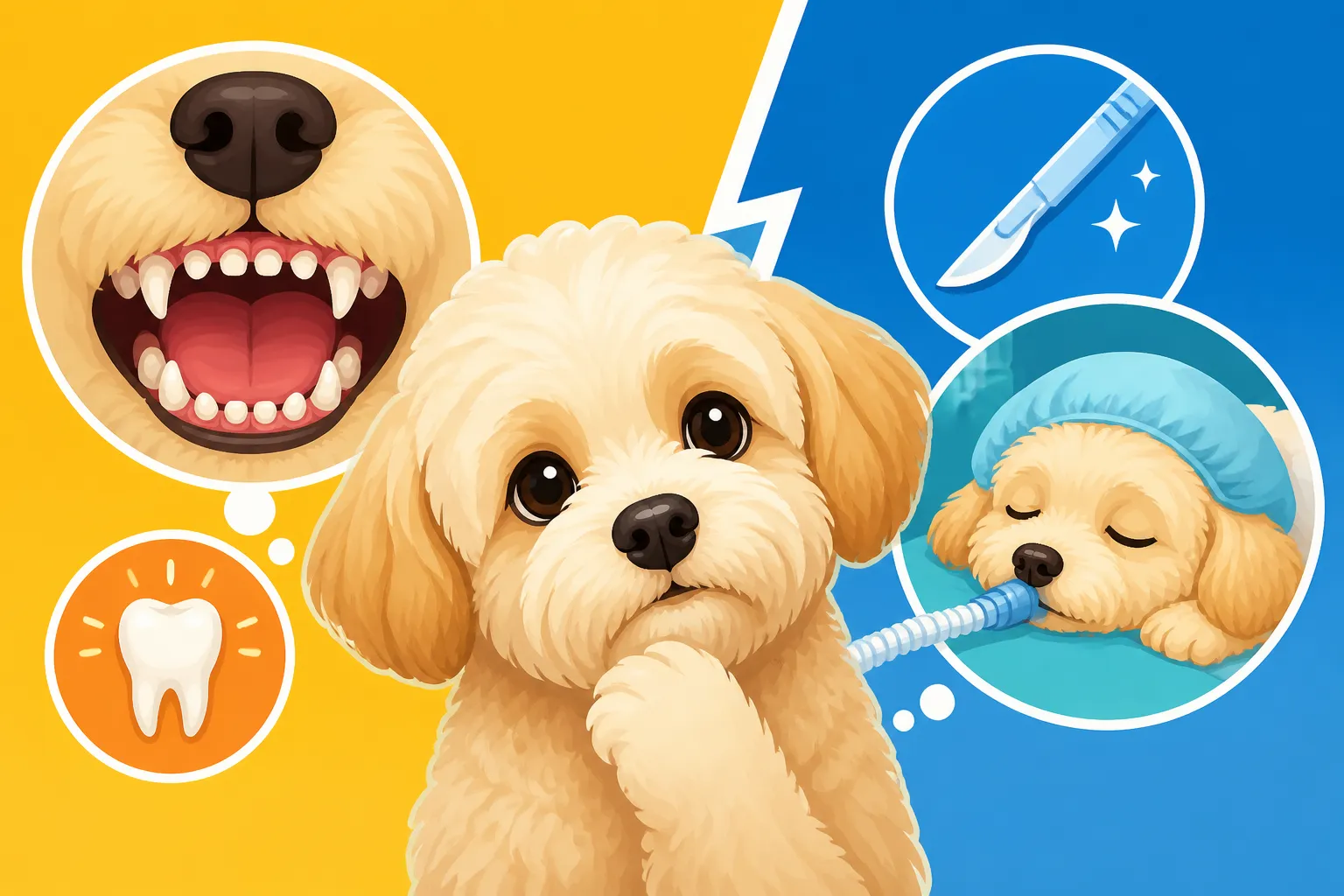
When the adult tooth doesn't exert the right pressure on the baby tooth's root, the root doesn't resorb. The baby tooth, now technically called a "persistent deciduous tooth," stays firmly in place. It's not uncommon to see a Maltipoo puppy sporting what looks like two rows of teeth, especially the canines, where the sharp baby tooth stands guard right alongside the incoming adult canine. This inherited predisposition, a blend of both the Maltese and Poodle genetics, means that if you're counting The Forty Two Teeth Crowding a Maltipoo's Jaw, some of them might be baby teeth long past their welcome. This is a very real challenge and one of the reasons Why a Maltipoo's Baby Teeth Do Not Fall Out as they should.
The Health Risks of Keeping Baby Teeth
While a double row of adorable puppy teeth might seem harmless at first glance, those retained baby teeth are actually a ticking time bomb for your Maltipoo's oral health. They create a host of problems that can cause discomfort, pain, and serious long-term issues.
Firstly, overcrowding is a major concern. When both baby and adult teeth occupy the same space, the adult teeth are often pushed into abnormal positions. This misalignment makes it incredibly difficult for your Maltipoo to chew properly and can lead to uneven wear. More significantly, the tight spaces created by these extra teeth become perfect traps for food particles, plaque, and tartar. Imagine trying to clean between two teeth jammed right next to each other – it’s nearly impossible, even with diligent brushing. This trapped debris rapidly escalates into severe periodontal disease, which is inflammation and infection of the gums and supporting structures of the teeth.
Beyond just tartar and gum disease, persistent deciduous teeth can also cause trauma to the gums and roof of your Maltipoo's mouth. An adult tooth coming in at an odd angle due to a retained baby tooth can rub or even puncture the sensitive oral tissues, leading to painful sores or chronic inflammation. Over time, the infection that starts in the mouth can spread systemically, impacting other organs. Many Maltipoo owners don't realize that poor dental health isn't just about bad breath; it can be a gateway to more serious health problems affecting the heart, kidneys, and liver. So, while it might seem like a minor issue, addressing retained baby teeth is crucial for your Maltipoo's overall well-being.
Neutering: A Prime Opportunity for Dental Care
Knowing the risks of retained baby teeth, it becomes clear that they need to be removed. But when? Scheduling separate surgeries for teeth and neutering means two rounds of anesthesia, two recovery periods, and essentially, double the stress and cost. This is where combining procedures becomes a smart, practical choice for many Maltipoo parents.
Why Anesthesia is Key for Thorough Dental Work
When it comes to dental care for pets, especially intricate work like extracting retained baby teeth or a full professional cleaning, general anesthesia isn't just an option; it's a necessity. Unlike humans, dogs won't sit patiently with their mouths open while a vet scrapes away tartar or precisely extracts a tooth. Anesthesia allows the veterinary team to perform a thorough and safe procedure without causing your Maltipoo pain, stress, or fear.
Under anesthesia, the vet can perform a comprehensive oral exam, which includes probing gum pockets, taking dental X-rays to assess the roots of affected teeth and ensure no fragments are left behind, and then performing any necessary extractions with precision. For a small dog like a Maltipoo, this is particularly important. Their small size means that every detail matters, and working in a relaxed, still environment drastically reduces the risk of complications. Your vet will monitor your Maltipoo's vital signs meticulously throughout the procedure, ensuring their safety. Concerns about anesthesia are valid, especially for tiny dogs, but modern veterinary practices prioritize safety protocols. If you're wondering Whether a Maltipoo Under Five Pounds Can Be Anesthetized, rest assured that with proper pre-anesthetic testing and monitoring, it can be a safe procedure.
Combining Procedures: The Logic and the Benefits
The logic behind combining the removal of retained baby teeth with a neuter or spay surgery is compelling. Both procedures require general anesthesia, and by performing them concurrently, you expose your Maltipoo to anesthesia only once. This significantly reduces the overall risk associated with anesthesia, streamlines the recovery process, and is generally less stressful for your dog. Think about it: instead of two separate fasting periods, two sedation events, and two recovery times, it's all handled in one go.
From a practical standpoint, combining these procedures often makes financial sense as well. You're typically only paying for one anesthetic event and one set of pre-surgical bloodwork, which can lead to considerable savings compared to two distinct surgeries. While there will be additional costs for the dental portion, such as X-rays and extractions, these are usually less than a completely separate dental cleaning and extraction procedure would be. Many vets advocate for this combined approach precisely because it’s efficient, cost-effective, and prioritizes the pet's well-being by minimizing exposure to anesthesia. When you consider What Extractions Cost on a Maltipoo versus scheduling two separate events, it often makes the decision much easier. Discussing these options with your vet beforehand is always the best approach to ensure you're comfortable with the plan for your Maltipoo's surgical day.
What to Expect: Before, During, and After Combined Procedures
The idea of your beloved Maltipoo undergoing surgery can be daunting, but being prepared and knowing what to expect can ease a lot of that worry. From the initial consultation to bringing your little one home, understanding each step helps you feel more in control and ensures the best outcome for your furry friend.
Pre-Surgical Consultations and Preparation
Before any surgery, especially one combining neutering and dental work, your vet will insist on a thorough pre-surgical consultation. This isn't just a quick chat; it's a vital step where your vet will perform a comprehensive physical exam on your Maltipoo, listen to their heart and lungs, and discuss their medical history. This is your opportunity to voice any concerns, ask questions, and ensure you understand the procedure fully.
A crucial part of this preparation for a Maltipoo, especially given their small size, is pre-anesthetic bloodwork. This blood panel assesses organ function (liver and kidneys), checks for anemia, and helps the vet identify any underlying issues that might affect how your Maltipoo metabolizes anesthesia or recovers from surgery. It's a non-negotiable step that significantly enhances the safety of the procedure. Additionally, your vet will likely discuss fasting instructions – typically no food after midnight the night before surgery, but usually water is permitted until the morning of the procedure. Always follow your vet's specific instructions. Getting ready involves a lot of small details, but these are all designed to protect your Maltipoo.
| Pre-Op Checklist for Your Maltipoo | Details |
|---|---|
| Vet Consultation | Discuss full procedure, address concerns, review medical history. |
| Physical Exam | Vet checks heart, lungs, general health, looks for retained baby teeth. |
| Pre-Anesthetic Bloodwork | Essential to assess organ function and ensure safe anesthesia; typically done a few days before or morning of surgery. |
| Fasting Instructions | No food after a certain time (usually midnight) the night before; follow vet's specific guidance. |
| Medication Review | Inform vet of any current medications or supplements your Maltipoo is taking. |
| Drop-off Details | Confirm exact time and location for dropping off your Maltipoo on surgery day. |
The Surgical Day: Focus on Dental and Neutering
On the big day, you’ll drop off your Maltipoo, likely feeling a mix of anxiety and hope. Once settled, the veterinary team will administer a sedative to help them relax before anesthesia. They'll then induce general anesthesia, typically using an intravenous medication, and intubate your Maltipoo to ensure a clear airway and allow for the administration of anesthetic gas and oxygen. This controlled environment is paramount for tiny patients.
The order of procedures might vary slightly, but generally, the dental work will be performed first. This includes a thorough cleaning (scaling and polishing) of all teeth, followed by any necessary extractions of those persistent baby teeth. The vet will use specialized instruments and may take X-rays to ensure complete removal of tooth roots, which is crucial to prevent future complications. Once the dental work is complete, your Maltipoo will be repositioned, and the neutering surgery will proceed. Throughout both procedures, the veterinary nurses will continuously monitor your Maltipoo's heart rate, respiration, blood pressure, and oxygen saturation, making real-time adjustments as needed. This meticulous monitoring is what makes modern veterinary anesthesia safe, even for our smallest companions.
Post-Operative Care and Recovery at Home
Bringing your Maltipoo home after surgery is when your crucial role in their recovery begins. They will likely be groggy, possibly a little disoriented, and might shiver as the anesthesia wears off. Your vet will provide detailed instructions for home care, but here are some general expectations:
- Pain Management: Your Maltipoo will likely be sent home with pain medication, possibly anti-inflammatories, to keep them comfortable. Administer these exactly as prescribed.
- Food and Water: Offer small amounts of water when they are fully awake. A small, soft meal (like canned food or softened kibble) can be offered a few hours later, unless your vet advises otherwise. The dental extractions mean their mouth will be sore, so soft food is essential for several days. This is definitely not the time for hard treats or tough chews.
- Activity Restriction: This is perhaps the hardest part for an energetic Maltipoo! They will need strict rest. No jumping, running, or rough play for at least 10-14 days. Keep them on a leash for potty breaks, even in a fenced yard, to prevent sudden movements.
- Incision Care: Check the neuter incision site daily for excessive redness, swelling, discharge, or if any stitches are missing. Prevent your Maltipoo from licking or chewing at the incision by using an E-collar (cone of shame) if necessary. Don't worry, they usually get used to it quickly.
- Dental Site: While there won't be an external incision for the teeth, monitor for any persistent drooling, refusal to eat, or pawing at the mouth, which could indicate discomfort or a complication.
- Warmth and Comfort: Provide a quiet, warm, and comfortable recovery space away from drafts and other pets. A cozy bed or crate with soft blankets will be much appreciated. Whether a Small Maltipoo Regulates Its Temperature well is a concern, so keeping them warm is important.
Always remember that if you have any concerns during the recovery period, don't hesitate to call your veterinarian. They are your best resource for guiding your Maltipoo through a smooth and successful recovery.
Beyond Neutering: Ongoing Dental Health for Your Maltipoo
While addressing retained baby teeth during neutering is a fantastic start, it's really just the beginning of a lifelong commitment to your Maltipoo's oral health. Their small mouths and genetic predispositions mean you'll need to be vigilant long after puppyhood.
The Lifelong Commitment to Oral Hygiene
Let's be realistic: a professional dental cleaning and extractions under anesthesia are powerful tools, but they're not a magic bullet that makes your Maltipoo immune to future dental problems. The truth is, because of their genetics, Maltipoos are highly prone to developing dental disease throughout their lives. This is why you must commit to daily home care.
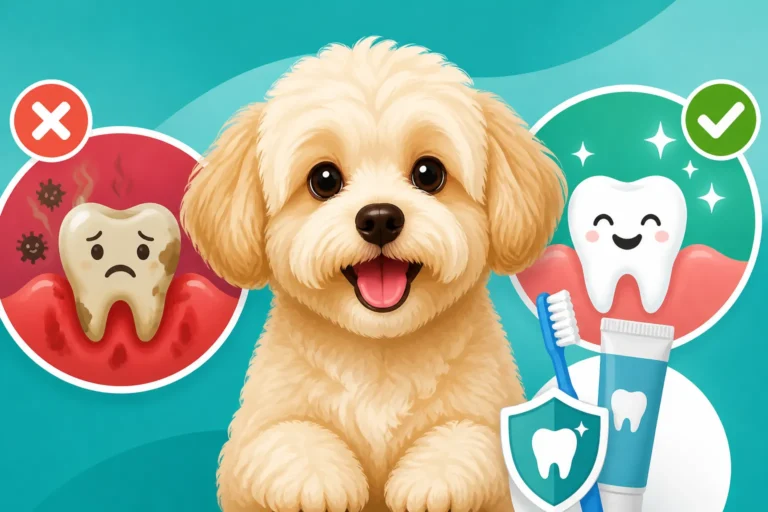
Brushing your Maltipoo's teeth every single day is the gold standard. It might sound like a chore, but it's the most effective way to remove plaque before it hardens into tartar. Start slowly and make it a positive experience with a flavored pet toothpaste (never human toothpaste!) and a small, soft toothbrush designed for pets, or even a finger brush. You'll want to focus on the outside surfaces of the teeth, especially the molars and canines, as these tend to accumulate the most plaque. Regular brushing significantly reduces the frequency and severity of professional dental cleanings your Maltipoo will need in the future. For more details on this daily practice, you might find Brushing a Maltipoo's Teeth Every Single Day helpful. You can find excellent pet toothbrushes and enzymatic toothpastes specifically formulated for dogs on sites like Chewy or Amazon.
Beyond brushing, you can incorporate other dental aids. Look for veterinary-approved dental chews that have been scientifically proven to reduce plaque and tartar. Not all dental chews are created equal, so do your research or ask your vet for recommendations. There are also water additives that can help reduce bacteria in the mouth, though these are typically seen as supplementary to brushing, not a replacement. Remember, Whether a Maltipoo's Jaw Is Too Small for Its Teeth is a genuine concern, and proactive home care is the best defense against the dental issues that can arise from this anatomical reality.
Regular Vet Check-ups and Professional Dentals
Even with the most diligent home care, professional veterinary oversight is indispensable for your Maltipoo's oral health. Your annual vet visit should always include a thorough oral examination. During this check-up, your veterinarian will assess the overall condition of your Maltipoo's teeth and gums, looking for any signs of developing dental disease, such as gingivitis, tartar buildup, or fractured teeth. They'll also check for any issues with alignment that might have developed or worsened.
Depending on their findings, your vet might recommend a professional dental cleaning. Unlike a quick check-up, a professional cleaning involves anesthesia, allowing the vet to thoroughly scale away tartar above and below the gum line, polish the teeth, and take full-mouth X-rays. These X-rays are crucial for identifying problems hidden beneath the gum line, such as bone loss, root abscesses, or other painful conditions that can’t be seen during a conscious exam. It's truly amazing what a difference a professional cleaning makes not just for their breath, but for their overall health and comfort. How Often a Maltipoo Needs a Dental really depends on the individual dog and your home care routine, but many small breeds benefit from cleanings every one to three years. Combining consistent home care with regular professional exams and cleanings is the best way to ensure your Maltipoo enjoys a healthy, pain-free mouth for their entire, happy life. Knowing that Whether a Maltipoo's Dental Disease Can Be Prevented is largely in your hands empowers you to take these proactive steps.
Disclaimer
This article is for general informational purposes only and does not constitute professional advice. Laws, prices and regulations vary by location and change over time. Consult a qualified professional for guidance on your specific situation.