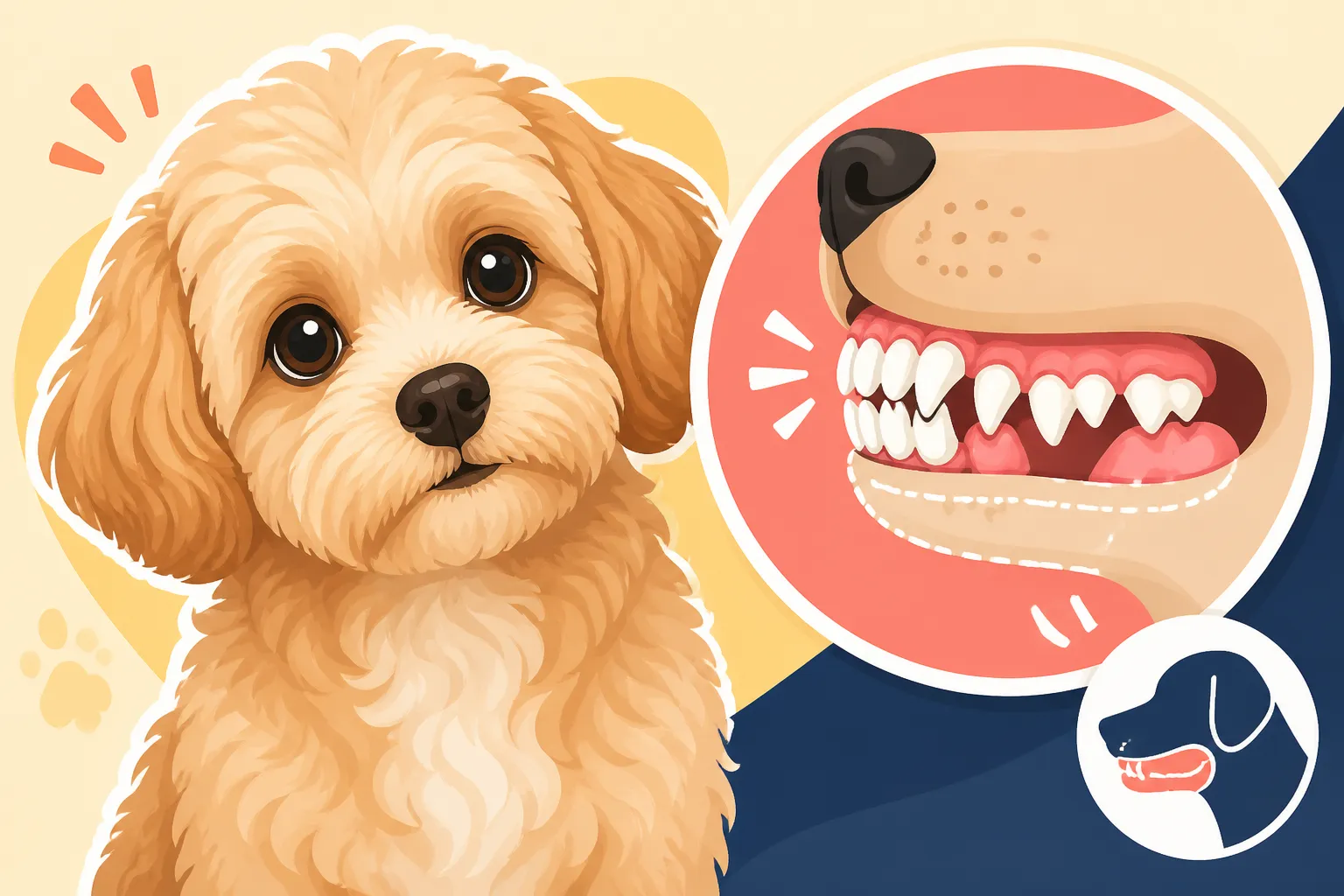
Whether a Maltipoo’s Jaw Is Too Small for Its Teeth
It's a common and genuinely unsettling sight: peering into your adorable Maltipoo's tiny mouth and seeing teeth that look far too crowded, maybe even a double row of them. Many owners worry, and rightly so, whether their little companion's jaw is simply too small for all those pearly whites, leading to discomfort, pain, and expensive vet bills down the line. This comprehensive guide will explore the genetic reasons behind this common Maltipoo dental dilemma, what signs to look for, and most importantly, how you can proactively care for your dog's oral health to ensure they live a happy, pain-free life.
The Genetic Blueprint: Why Small Jaws and Many Teeth Collide
The Maltipoo, a delightful crossbreed of the Maltese and the Poodle, inherits a unique blend of traits from both sides. While this mix often results in an adorable, intelligent, and low-shedding companion, it can also lead to some specific challenges, particularly when it comes to their oral health. Understanding the genetic predispositions from each parent breed is the first step in comprehending why dental overcrowding is such a prevalent issue for these small dogs.
The Legacy of Both Parents: Maltese and Poodle Contributions
When you look at a Maltese, you see a breed renowned for its petite size and delicate features. Unfortunately, this often includes a small jaw. Despite their tiny mouths, Maltese dogs are genetically programmed to have a full set of adult teeth, which can already be a tight squeeze. Poodles, even the smallest Toy Poodles, also carry genes for a complete set of adult teeth—all forty-two of them, in fact. These teeth are designed for a medium-sized dog, not necessarily scaled down perfectly to fit a truly miniature jaw.
Now, imagine combining these two genetic blueprints. Your Maltipoo is born with the potential for a small, compact jaw from the Maltese side, but with the expectation of accommodating the full The Forty Two Teeth Crowding a Maltipoo's Jaw that both parent breeds typically possess. It's a bit like trying to fit a king-sized mattress into a studio apartment – something just has to give. This evolutionary mismatch, where selective breeding for smaller dog size outpaces the scaling down of dental anatomy, is a primary driver of overcrowding. Instead of developing fewer or smaller teeth to match the jaw, the standard number of teeth attempts to erupt, often leading to a chaotic oral landscape. This isn't a fault of the dog or the owner; it's a predictable outcome of their unique lineage.
Retained Baby Teeth: A Common Culprit in Overcrowding
Beyond the inherent jaw-to-tooth ratio, another significant factor contributing to dental crowding in Maltipoos is the common problem of retained deciduous teeth, or baby teeth. Unlike larger breeds where baby teeth typically fall out on their own as the permanent teeth emerge, many small breeds, including Maltipoos, struggle with this natural process. The roots of the baby teeth often fail to resorb (dissolve) as they should, preventing them from loosening and falling out.
What happens then is that the permanent adult teeth try to erupt right alongside the stubborn baby teeth. This creates what veterinarians often refer to as "double rows" of teeth. Imagine your child having their adult teeth grow in before their baby teeth ever fall out – it's precisely the same issue. This double-row scenario is particularly problematic because it significantly exacerbates the already limited space in a Maltipoo's mouth. These extra teeth make it incredibly difficult for your dog to chew properly, and perhaps even more critically, they create tight, inaccessible crevices where food particles, plaque, and bacteria can accumulate rapidly. This sets the stage for rampant dental disease, even in very young dogs. Understanding Why a Maltipoo's Baby Teeth Do Not Fall Out is crucial for early intervention.
The Visible Impact: Signs and Symptoms of Dental Overcrowding
It’s one thing to understand why a Maltipoo might have a crowded mouth, but it’s another to recognize the actual signs and symptoms. Your little companion can’t tell you if their teeth hurt or if they’re uncomfortable, so it’s up to you to be vigilant. Overcrowding isn’t just an aesthetic issue; it’s a direct pathway to serious health problems that can significantly impact your Maltipoo’s quality of life.
Bad Breath and Plaque Buildup
If you’ve ever leaned in for a sweet Maltipoo kiss and been hit with an unpleasant odor, you might just be experiencing the earliest, most obvious sign of dental trouble: bad breath. This isn't just "dog breath"; it's a strong indicator of bacterial overgrowth in the mouth, often directly linked to overcrowding. When teeth are crammed together, they create a multitude of tight spaces and overlaps where food particles can easily become trapped. These nooks and crannies are perfect breeding grounds for bacteria.
These bacteria, combined with saliva and food debris, quickly form plaque, a sticky film that adheres to the tooth surface. If not removed promptly, plaque hardens into tartar (calculus). Overcrowded teeth mean more surfaces and more inaccessible areas for plaque and tartar to latch onto and build up. You might start noticing yellowish or brownish deposits, especially along the gum line, or on the surfaces of teeth that are poorly aligned. This buildup is not only unsightly but also highly irritating to the gums. What Tartar Looks Like on a Maltipoo can give you a better idea of what to watch for, but honestly, any visible accumulation means trouble.
Gum Disease and Discomfort
The progression from plaque and tartar to gum disease is swift in an overcrowded mouth. The bacteria in plaque release toxins that irritate the gums, leading to inflammation known as gingivitis. You might notice your Maltipoo's gums looking red, swollen, or even bleeding slightly when they chew on a toy or if you try to brush their teeth. At this stage, gingivitis is reversible with professional cleaning and consistent home care.
However, if left untreated, gingivitis progresses to periodontal disease. This is a much more serious condition where the inflammation spreads beneath the gum line, affecting the supporting structures of the teeth – the bone and ligaments. As periodontal disease advances, it causes irreversible damage, leading to gum recession, bone loss, and eventually, loose teeth that can fall out or require extraction. The pain and discomfort associated with this can be significant, even if your Maltipoo, being a stoic little creature, doesn't always show obvious signs. They might become pickier with food, chew on only one side of their mouth, or simply seem less enthusiastic about playtime. Sadly, Whether Dental Disease Shortens a Maltipoo's Life is a real concern, as oral bacteria can enter the bloodstream and affect vital organs like the heart, liver, and kidneys.
Misaligned Bites and Jaw Pain
Dental overcrowding doesn't just affect individual teeth; it can throw off the entire alignment of your Maltipoo's bite, also known as malocclusion. When teeth are pushed out of their normal positions, they may not meet correctly when your dog closes their mouth. This can lead to a host of problems. Some teeth might constantly rub against opposing teeth, causing abnormal wear and sensitivity. Worse, some teeth might actually dig into the gums or soft tissues of the roof of the mouth or the cheek, causing chronic irritation, sores, and significant pain.
Imagine having a tooth that constantly pokes the inside of your cheek every time you chew – that’s the kind of subtle but persistent discomfort your Maltipoo might be enduring. This misalignment can make eating painful and inefficient, leading to your dog dropping food, struggling to chew hard kibble, or even shying away from certain toys. In severe cases, the jaw itself can experience strain and pain due to the uneven pressure distribution. Observing how your Maltipoo eats, plays, and carries its mouth can provide clues to underlying issues. Any noticeable changes in their chewing habits or an increased reluctance to play with chew toys should prompt a vet visit.
Proactive Care: Managing Your Maltipoo's Dental Health
Recognizing the problem is the first step; taking action is the crucial next. Because of their predisposition to dental issues, Maltipoo owners need to be particularly diligent and proactive about their dog's oral hygiene. It's not just about addressing issues when they arise, but actively preventing them. This often requires a combination of dedicated home care and regular professional veterinary attention.
The Power of Daily Brushing
Let's be real: daily tooth brushing might sound like a huge chore, especially with a tiny, squirming Maltipoo. But I cannot stress this enough: it is the single most effective thing you can do at home to combat dental disease in your Maltipoo. Think of it this way – would you go days, let alone weeks, without brushing your own teeth? Your dog's teeth need the same attention. Brushing physically removes plaque before it has a chance to harden into tartar, and it stimulates healthy gum tissue.
Start early, ideally when your Maltipoo is a puppy, to get them accustomed to the process. Make it a positive experience with lots of praise and treats. You'll need a small, soft-bristled toothbrush or a finger brush designed for pets, along with enzymatic dog-specific toothpaste (never use human toothpaste, as it contains ingredients toxic to dogs). Focus on the outside surfaces of the teeth, especially where they meet the gum line, as this is where plaque accumulates most rapidly. Even a minute or two of gentle brushing can make a world of difference. Consistency is key. For a deep dive into techniques and tips, check out Brushing a Maltipoo's Teeth Every Single Day. You can find excellent pet toothbrushes and toothpastes, often in enticing flavors like poultry or beef, on sites like Chewy or Amazon, making it easy to get started.
Regular Professional Dental Cleanings and Extractions
While home brushing is vital, it cannot replace professional dental cleanings by a veterinarian. Just like with humans, there are areas in your Maltipoo’s mouth that are impossible to reach effectively at home, and once plaque has hardened into tartar, only a professional cleaning can remove it. These procedures are performed under general anesthesia, which sounds daunting for a small dog, but it's essential. Anesthesia allows the vet to conduct a thorough examination, including dental X-rays (which reveal problems below the gum line), scale and polish all tooth surfaces, and meticulously check for any issues like pockets of infection or damaged teeth.
During these cleanings, your vet might identify retained baby teeth that never fell out, or adult teeth that are so severely overcrowded or diseased that they are causing pain and fostering infection. In such cases, extractions are often necessary. Removing problematic teeth, even if it seems drastic, can significantly alleviate discomfort, improve the overall health of the remaining teeth, and prevent future complications. Your vet will discuss the process and potential costs, but understand that interventions like What Extractions Cost on a Maltipoo are investments in your dog's long-term comfort and health. It's also worth noting that retained baby teeth are often addressed during a spay or neuter procedure when a puppy is already under anesthesia, which is why your vet might discuss Whether a Maltipoo's Baby Teeth Come Out at Neutering at that time.
Diet, Chews, and Water Additives
Beyond brushing and professional cleanings, certain dietary choices, dental chews, and water additives can play a supportive role in your Maltipoo's oral health. However, it's crucial to understand these are supplementary measures and not substitutes for daily brushing or vet visits.
- Dental-Specific Kibble: Some brands formulate kibble with a larger, more abrasive design that helps scrape plaque off the tooth surface as your dog chews. These can be beneficial, but again, they won't reach every surface or prevent all buildup.
- Dental Chews: High-quality dental chews can help reduce plaque and tartar, but choose them wisely. Look for products that are approved by veterinary dental organizations. They should be appropriately sized for your Maltipoo to prevent choking and should be flexible enough not to cause tooth fractures. Avoid very hard chews like antlers or bones, as these can easily break tiny teeth. Whether Dental Chews Are Enough for a Maltipoo is a common question, and the answer is generally no – they are an aid, not a solution.
- Water Additives: These products are designed to reduce bacteria in your dog's drinking water, helping to minimize plaque formation. They are typically tasteless and simply added to your Maltipoo's water bowl daily.
When selecting these supplementary products, always consult your veterinarian for recommendations. You can find a wide range of vet-approved dental chews and water additives from reputable brands on platforms like Ollie, Chewy, or Amazon. Just remember to prioritize the foundational practices of daily brushing and regular professional cleanings.
Long-Term Outlook: What to Expect and How to Prevent Further Issues
Living with a Maltipoo means accepting that dental care will be an ongoing, lifelong commitment. It's not a set-it-and-forget-it aspect of their care, but rather a dynamic process that evolves with your dog's age and specific needs. By staying informed and working closely with your veterinarian, you can navigate these challenges effectively and help your Maltipoo enjoy a healthy, comfortable life for many years.
The Lifelong Commitment to Dental Care
The reality is that due to their genetic predisposition for crowded mouths, Maltipoos will always be at a higher risk for dental disease compared to many other breeds. This isn't a temporary phase; it's a lifelong consideration. From puppyhood through their senior years, maintaining meticulous oral hygiene is paramount. This means making daily tooth brushing a non-negotiable part of your routine, much like daily walks or meal times. It also means scheduling regular veterinary check-ups where your vet will assess their dental health.
As your Maltipoo ages, their dental needs might change. Older dogs can become more susceptible to advanced periodontal disease, and issues like tooth decay or abscesses might arise. Early detection and intervention are key to managing these conditions effectively. A consistent routine of preventative care can significantly reduce the severity and frequency of major dental problems, ultimately contributing to a longer, happier life for your furry friend. Truly understanding How Often a Maltipoo Needs a Dental and adhering to those recommendations will pay dividends in their overall health and well-being.
Working with Your Veterinarian
Your veterinarian is your most important partner in managing your Maltipoo's dental health. Don't hesitate to have open, honest conversations with them about any concerns you have, whether it's bad breath, changes in chewing, or simply wanting advice on the best brushing techniques. They can provide personalized recommendations based on your dog's specific oral anatomy and health status.
Regular vet visits are essential for monitoring dental health. Beyond routine check-ups, your vet will recommend professional dental cleanings as needed, often on an annual basis for small breeds prone to dental disease. When a professional cleaning is scheduled, ensure you discuss all aspects, including pre-anesthetic bloodwork. For small dogs like Maltipoos, What Pre Anesthetic Bloodwork Adds for a Maltipoo is a critical step to ensure they are healthy enough for anesthesia and to minimize risks during the procedure. Your vet can also guide you on the appropriate use of dental supplements, special diets, and effective home care products.
Recognizing When It's More Than Just "Bad Teeth"
While overcrowding and periodontal disease are the most common dental issues for Maltipoos, it's important to remember that other oral health problems can occur. Sometimes, what might appear to be a simple case of "bad teeth" could be something more complex.
For instance, some Maltipoos might develop oral tumors, cysts, or traumatic injuries to their mouth or jaw. These can present with similar symptoms to severe dental disease, such as difficulty eating, swelling, or excessive drooling. Additionally, certain systemic diseases can manifest with oral signs, making a thorough veterinary examination crucial for accurate diagnosis. If you notice any unusual lumps, persistent bleeding, sudden changes in eating habits, or a severe reluctance to allow mouth handling, it's imperative to seek veterinary attention promptly. Early diagnosis and treatment, regardless of the underlying cause, will always lead to the best possible outcome for your beloved Maltipoo.
Disclaimer
This article is for general informational purposes only and does not constitute professional advice. Laws, prices and regulations vary by location and change over time. Consult a qualified professional for guidance on your specific situation.