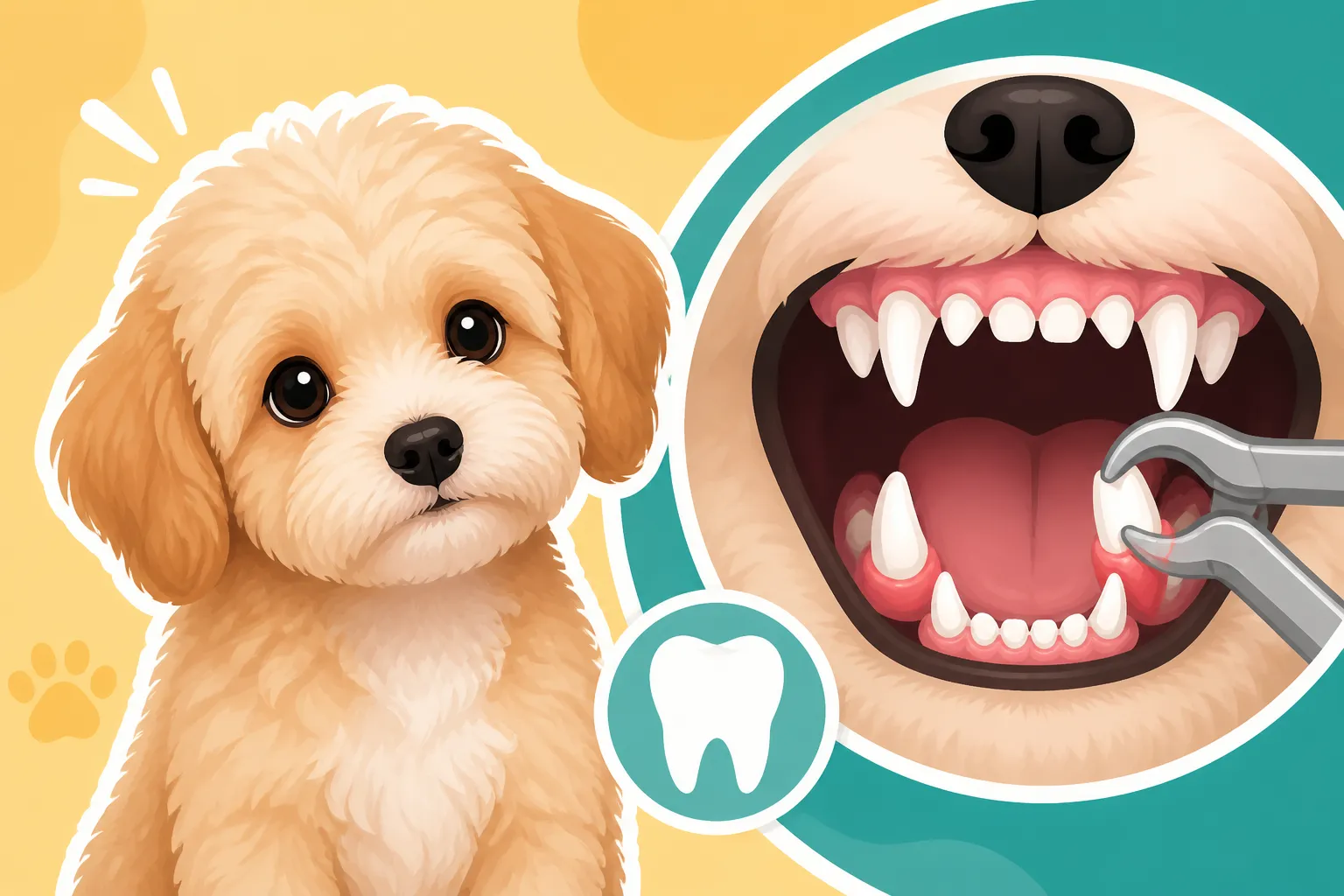
Whether a Maltipoo’s Teeth Need Pulling at a Year
It's a common worry for many Maltipoo parents: you've got this adorable, fluffy little bundle, but as they grow, you start to notice something a bit off with their tiny teeth. Specifically, you might see those sharp puppy canines still stubbornly holding their ground, long after their adult counterparts have pushed through. This guide is going to walk you through exactly why your Maltipoo's teeth might need a little extra help, what to look for, and when it’s absolutely critical to talk to your vet about potential extractions, especially as they approach their first birthday.
Understanding Retained Deciduous Teeth in Maltipoos
The thought of your sweet Maltipoo needing teeth pulled can be unsettling, but it's a surprisingly common issue, particularly in smaller breeds. When we talk about "retained deciduous teeth," we're simply referring to those stubborn baby teeth that just don't want to let go, even after the permanent adult teeth have started to erupt. It's not a reflection of anything you did wrong, but rather a quirk of their unique dental anatomy.
Why Baby Teeth Don't Fall Out Naturally
In an ideal world, a puppy's baby teeth (deciduous teeth) have roots that are gradually reabsorbed by the body as the permanent teeth push their way through. This reabsorption process weakens the baby tooth, allowing it to naturally loosen and fall out, making way for the adult tooth to settle into its proper position. However, with smaller breeds like our beloved Maltipoos, this process often doesn't go as smoothly.
Many small dogs have smaller jaws, which can lead to a bit of a traffic jam in their mouth. There might not be enough space for the adult tooth to emerge directly beneath its baby tooth predecessor. Instead, the adult tooth might come in alongside the baby tooth, or at a slightly different angle. When this happens, the root of the baby tooth isn't properly stimulated for reabsorption, and it remains firmly anchored in the jaw. This is precisely why a Maltipoo's baby teeth do not fall out naturally in many cases, leading to a "double row" of teeth that looks quite unusual and can be problematic. It's not just a cosmetic issue; it's a structural one that can set the stage for a lifetime of dental woes if not addressed.
The Risks of Retained Puppy Teeth
Leaving those retained baby teeth in your Maltipoo's mouth can pave the way for a whole host of dental problems that are not only uncomfortable but can also become quite painful and costly down the line. The most immediate and obvious risk is overcrowding. With two teeth trying to occupy the space meant for one, there simply isn't enough room. This leads to teeth being pushed out of alignment, creating what veterinarians call malocclusion, or an improper bite.
Beyond the alignment issues, the tight spaces created by retained teeth become perfect breeding grounds for bacteria. Food particles and plaque get easily trapped between the closely packed teeth, creating an environment ripe for the development of periodontal disease. This insidious condition starts with gingivitis – inflammation of the gums – and can quickly progress to infections that attack the bone supporting the teeth. Over time, this can lead to painful gum recession, bone loss, and eventually, tooth loss. Imagine having chronic inflammation and infection in your mouth; it's a truly miserable experience for your little one. These infections can even spread throughout the body, impacting vital organs and potentially shortening your Maltipoo's lifespan if left unchecked.
The Ideal Timeline for Dental Development in Maltipoos
Understanding the normal rhythm of dental development in puppies can help you pinpoint when something might be amiss with your Maltipoo. It's not about being overly anxious, but rather about being an informed and proactive pet parent. Knowing what to expect allows you to intervene early, which is always better for your pup's health and your wallet.
Normal Puppy Teething Stages
A Maltipoo puppy, just like any other breed, begins its dental journey with a set of 28 deciduous, or baby, teeth. These typically start to erupt when they are around 3-4 weeks old. By the time they are 6-8 weeks old, most puppies will have a full set of these tiny, needle-sharp teeth. They use these for nursing and, soon after, for exploring the world with their mouths, chewing on everything in sight.
The exciting (and sometimes painful for owners!) part comes next: the transition to adult teeth. This process usually kicks off around 3-4 months of age. The incisors (front teeth) are usually the first to go, followed by the canines (fangs) and premolars. By the time your Maltipoo is around 6-7 months old, they should have shed all their baby teeth and have their full complement of 42 permanent adult teeth. It’s a busy time in their mouth, and often goes by without a hitch, but for many small breeds, it’s a period that requires careful monitoring. This is also when your vet will typically give their mouth a thorough check during their routine puppy visits.
When to Be Concerned About Retained Teeth
While the "at a year" mark in our title is a good general benchmark, concern about retained teeth should really begin much earlier. If your Maltipoo is approaching 6-7 months old and you notice a baby tooth still present alongside an erupting adult tooth – creating that classic "double row" appearance – it's time to reach out to your veterinarian. This is particularly true for the canine teeth, which are often the most problematic when it comes to retention.
A visit to the vet around this 6-7 month mark is crucial, especially if you see any signs of delay in shedding. Sometimes, the baby tooth might still be there, but the adult tooth hasn't even started to peek through yet. Your vet will assess the situation and advise on the best course of action. Delaying intervention past this stage, and certainly waiting until a year if a retained tooth is clearly causing an issue, can lead to the serious complications we discussed earlier, such as increased plaque buildup, gingivitis, and the permanent displacement of adult teeth. Early action can prevent more invasive and costly procedures later on, and ensure your Maltipoo's comfort.
Recognizing the Signs of Dental Issues in Your Maltipoo
As a devoted Maltipoo parent, you’re often the first line of defense when it comes to noticing subtle changes in your dog's health. Dental issues, particularly those stemming from retained teeth, can manifest in ways that are both visually obvious and behaviorally subtle. Knowing what to look for can empower you to seek veterinary attention promptly, preventing minor problems from escalating into major discomfort for your furry friend.
Visual Cues of Overcrowding and Double Rows
The most unmistakable sign that your Maltipoo might have retained deciduous teeth is the visual presence of a "double row" of teeth. This is exactly what it sounds like: you'll see both the small, sharp baby tooth and the larger, more mature adult tooth sitting side-by-side in the same position in the jaw. This is most commonly observed with the canine teeth, both upper and lower, but can occur with incisors and premolars too. Gently lifting your Maltipoo's lips and carefully inspecting their mouth (if they tolerate it!) is key.
Beyond the double rows, look for general overcrowding. Are the teeth jumbled or rotated? Do some teeth seem to be pointing in odd directions? This can be a direct result of the baby teeth preventing the adult teeth from settling into their natural, spacious alignment. You might also notice redness or swelling around the gum line, particularly between teeth that are packed too closely together. This inflammation, known as gingivitis, is often a precursor to more serious periodontal disease and is a strong indicator that bacteria are having a field day in those tight crevices. Any persistent bad breath, beyond the typical "dog breath," can also be a significant visual (and olfactory!) cue that something is amiss.
Behavioral Indicators of Oral Discomfort
Sometimes, your Maltipoo might not show obvious visual signs, or perhaps they're just not keen on you inspecting their mouth. In these cases, behavioral changes can be incredibly telling. If your typically enthusiastic eater suddenly becomes a bit finicky or starts dropping food, it could be a sign of oral discomfort. Chewing on only one side of their mouth, or avoiding hard kibble and toys they once loved, are all red flags. Imagine how you'd feel trying to eat with a sore tooth!
You might also observe your Maltipoo pawing at their mouth, excessive drooling, or even rubbing their face on furniture or the carpet more than usual. These are attempts to alleviate irritation or pain. Some dogs might become withdrawn or even a little grumpy when approached, especially if they anticipate you might touch their face or mouth. A sudden aversion to grooming near their muzzle or ears could also signal an underlying issue. Remember, Maltipoos are generally very sweet and affectionate, so any marked change in their demeanor, particularly around meal times or face handling, warrants a closer look by your veterinarian. They can't tell you in words that their mouth hurts, so it's up to us to pick up on these subtle clues.
The Veterinary Examination and Diagnosis Process
So, you've noticed some red flags – perhaps a double row of teeth or some unusual behavior from your Maltipoo. The next crucial step is a visit to your veterinarian. Don't delay this appointment, as early diagnosis and intervention can make all the difference in preventing long-term complications and ensuring your Maltipoo's comfort. Your vet has the expertise and tools to properly assess the situation and recommend the best course of action.
What Your Vet Looks For During a Check-up
During a routine check-up, your veterinarian will perform a thorough oral examination. This usually starts with a visual inspection of your Maltipoo's gums, tongue, and the visible surfaces of their teeth. They’ll be looking for signs of retained deciduous teeth, overcrowding, malocclusion (an improper bite), any redness or swelling of the gums, and plaque or tartar buildup. They'll also check for any missing teeth or abnormal growths.
However, a truly comprehensive dental assessment often requires more than just a quick peek. Because Maltipoos can be squirmy and tend to have tiny mouths that are hard to fully examine when awake, your vet may recommend a dental check-up under sedation or light anesthesia. This allows them to carefully probe the gum line, check for pockets, and get a complete picture of the health of each tooth without causing stress or pain to your dog. It's during this deeper examination that they can confirm if baby teeth are indeed retained, or if there are other underlying issues that aren't apparent on a conscious exam. This is an important step, as it forms the basis for any treatment plan. For more information on what a Maltipoo's first vet visit should include, you might want to read our detailed guide.
Diagnostic Tools for Dental Health
While a visual and manual examination is a great start, the true heroes of dental diagnosis are often unseen. X-rays, specifically dental radiographs, are indispensable tools for assessing the full scope of your Maltipoo's oral health. Just like in human dentistry, these X-rays allow your vet to look beneath the gum line, which is where many problems silently begin.
Dental X-rays can reveal several critical pieces of information:
- Retained Tooth Roots: Even if a baby tooth has partially broken off, a retained root can still be a source of infection or prevent the adult tooth from erupting properly.
- Unerupted Teeth: Sometimes, an adult tooth is fully formed but simply hasn't erupted through the gum line. This can be painful and lead to cysts if not addressed.
- Bone Loss: X-rays are excellent at showing signs of bone loss around the tooth roots, indicating advanced periodontal disease.
- Abscesses and Fractures: They can pinpoint hidden infections at the root tips or identify fractures that aren't visible on the surface.
For a Maltipoo with suspected retained deciduous teeth, X-rays are especially vital. They confirm the presence of the retained root and ensure that no fragments are left behind after an extraction. They also help the vet understand the relationship between the retained baby tooth and the developing adult tooth, guiding the best approach for removal to protect the permanent dentition. This detailed diagnostic step ensures that your Maltipoo receives the most accurate and effective treatment possible.
Treatment Options for Retained and Problematic Teeth
Once your veterinarian has thoroughly assessed your Maltipoo's mouth and identified any retained deciduous teeth or other dental problems, they will discuss the appropriate treatment plan with you. For retained teeth, the solution is almost always extraction. While the thought of surgery can be daunting, understanding the process and the care involved can ease your mind.
The Procedure of Extracting Retained Deciduous Teeth
Extracting retained baby teeth in a Maltipoo is a common procedure, but it's important to remember that it's still a surgical one, requiring careful planning and execution. The procedure is always performed under general anesthesia, as this is the only way to ensure your Maltipoo is completely still, pain-free, and safe during the delicate work involved. Before anesthesia, your vet will likely recommend What Pre Anesthetic Bloodwork Adds for a Maltipoo to ensure their organs are functioning well and they can safely metabolize the anesthetic agents.
During the extraction, the veterinarian will carefully loosen and remove the entire baby tooth, including its root. This is a crucial step; leaving any root fragments behind can lead to persistent pain, infection, or the formation of cysts. Modern veterinary practices employ precise techniques, often using specialized instruments designed for small mouths. After the extraction, the gum may be sutured closed to promote healing. Pain management is also a critical component, with medications administered before, during, and after the procedure to keep your Maltipoo as comfortable as possible. Your vet will also carefully monitor your Maltipoo throughout the entire anesthetic period, a vital consideration for small breeds. You might be interested in knowing Whether a Small Maltipoo Needs a Specialist for Anesthesia to understand the protocols involved.
Post-Extraction Care and Prevention Strategies
Once your Maltipoo comes home after extractions, proper post-operative care is essential for a smooth recovery. Your vet will provide specific instructions, but generally, this includes feeding soft food for several days to allow the surgical sites to heal, administering prescribed pain medication and antibiotics (if necessary), and keeping an eye out for any signs of discomfort or complications. Limiting strenuous activity and preventing them from chewing on hard toys is also usually advised.
Looking beyond the immediate recovery, the best prevention strategy for future dental woes is a robust home dental care routine, paired with regular veterinary check-ups. Daily tooth brushing is paramount for Maltipoos, given their predisposition to dental disease. Establishing Brushing a Maltipoo's Teeth Every Single Day from puppyhood is the gold standard. While dental chews can offer some benefit, they are rarely a substitute for brushing and should be chosen carefully to ensure they are safe and effective for small mouths.
It's also worth noting that unexpected dental procedures can be costly. The cost of extractions can vary depending on the complexity, the number of teeth involved, and your geographic location. Many pet parents find that pet insurance, like plans offered by Healthy Paws, can be incredibly helpful in managing these unforeseen expenses. Understanding Whether Dental Work Is Covered on a Maltipoo Policy is a great way to be prepared for the financial aspect of your Maltipoo’s dental care.
Long-Term Dental Health for Your Maltipoo
Addressing retained baby teeth is often just the first step in a lifelong commitment to your Maltipoo's oral health. Because of their breed-specific predispositions, Maltipoos require consistent and diligent dental care to ensure they live a long, comfortable, and pain-free life. Neglecting their teeth can lead to serious health issues, impacting far more than just their mouth.
The Critical Role of Daily Oral Hygiene
If you take away one piece of advice from this entire guide, let it be this: daily oral hygiene is non-negotiable for a Maltipoo. Their small mouths are prone to overcrowding, which creates perfect little nooks and crannies for plaque and tartar to accumulate. Without regular intervention, this buildup leads to gingivitis, and eventually, irreversible periodontal disease. This is why The Forty Two Teeth Crowding a Maltipoo's Jaw is such a significant issue; even with perfect eruption, there's a lot of surface area to keep clean.
The gold standard for at-home care is daily tooth brushing with a pet-specific toothbrush and toothpaste. Human toothpaste is toxic to dogs, so please avoid it. Start slowly and make it a positive experience, even if it's just for a minute or two at first. Consistency is more important than perfection. Introduce it as early as possible, even when they're puppies, so it becomes a normal part of their routine. Beyond brushing, talk to your vet about other supportive measures. Some dental-specific diets, water additives, or veterinary-approved dental chews can offer supplementary benefits, but they should never replace manual brushing. Remember, keeping those teeth clean every single day can significantly reduce the need for future professional interventions.
Planning for Future Professional Dentals
Even with the most diligent home care, most Maltipoos will require professional dental cleanings under anesthesia throughout their lives. Think of it like your own routine dental check-ups and cleanings, but for a dog who can't hold still or rinse! These professional cleanings allow the vet to thoroughly scale away plaque and tartar, both above and below the gum line, where brushing simply can't reach.
Your veterinarian will advise you on the frequency, but many Maltipoos benefit from a professional dental cleaning every 1-2 years, starting from around two to three years of age, or even earlier if issues arise. During these procedures, dental X-rays are typically taken to assess the health of the tooth roots and jawbone, catching problems before they become severe. Professional dentals are crucial not only for cleaning but also for identifying and addressing issues like cavities, fractured teeth, or advanced periodontal disease that might require extractions.
The costs associated with these procedures, including anesthesia, cleaning, X-rays, and potential extractions, can add up. Understanding What Extractions Cost on a Maltipoo or What Putting a Maltipoo Under for Its Teeth Costs can help you plan financially. This is where pet insurance, like Healthy Paws, can be a real lifeline, helping to cover a significant portion of these expenses and ensuring you can always provide the best care for your Maltipoo without financial stress. Being proactive about these cleanings is a far better and often less expensive approach than waiting until a severe problem develops. The reality is that Whether Dental Disease Shortens a Maltipoo's Life is a serious consideration, as oral health impacts overall systemic health.
Common Misconceptions and Owner Concerns
It’s completely normal to have a swirl of questions and even anxieties when faced with the prospect of dental work for your beloved Maltipoo. Many common concerns arise from understandable places of love and worry for our tiny companions. Let's tackle some of these head-on, because informed decisions are always the best decisions.
"My Maltipoo is too small for anesthesia!"
This is perhaps the most common and heartfelt concern I hear from owners of small breeds like Maltipoos. The idea of a tiny, delicate dog going under anesthesia can be truly terrifying. However, modern veterinary anesthesia protocols have advanced dramatically, making procedures safer than ever, even for the smallest of patients. It's not about being "too small," but about proper preparation and monitoring.
Reputable veterinary clinics take specific precautions for small breeds. This includes:
- Pre-Anesthetic Bloodwork: As mentioned, this is crucial to ensure organ function.
- Tailored Anesthetic Protocols: Specific drugs and dosages are chosen based on your Maltipoo's weight, age, and overall health.
- Intravenous (IV) Catheter and Fluids: An IV line ensures immediate access for emergency drugs and helps maintain blood pressure and hydration during the procedure.
- Advanced Monitoring: During anesthesia, your Maltipoo will be continuously monitored by a dedicated veterinary technician who tracks vital signs like heart rate, breathing, oxygen saturation, blood pressure, and body temperature. Small dogs are prone to hypothermia, so careful temperature regulation is key.
- Warmth and Recovery: Maintaining body temperature with heated blankets or circulating warm water pads is critical throughout the procedure and during recovery.
While no anesthetic procedure is entirely without risk, the risks of leaving painful, infected teeth in place often far outweigh the risks of a carefully managed anesthetic event. Chronic pain and infection can severely impact your Maltipoo's quality of life and even shorten their lifespan. Always discuss your concerns with your vet; they can walk you through their specific protocols and alleviate your fears.
Delaying Extractions: What Could Go Wrong
It’s tempting to put off dental work, especially if your Maltipoo isn’t overtly showing signs of severe pain. Maybe you think a retained tooth will eventually fall out, or that it's "not that bad." However, delaying necessary extractions, particularly for retained deciduous teeth or advanced periodontal disease, can lead to a cascade of worsening problems.
Here’s what can go wrong when you delay:
- Worsening Periodontal Disease: Those trapped food particles and bacteria thrive between retained teeth, accelerating the progression of gingivitis to periodontitis. This leads to bone loss, painful gum recession, and eventually the need for more complex and multiple extractions later on.
- Permanent Malocclusion: If the baby tooth remains, the adult tooth cannot erupt into its proper position. This can cause the adult tooth to grow in at an abnormal angle, leading to lifelong bite issues that can cause trauma to other teeth or the soft tissues of the mouth. In some cases, severely misaligned teeth may also need to be extracted.
- Chronic Pain and Infection: Imagine living with a toothache that never goes away. Retained teeth can cause constant irritation and pain. Over time, chronic infection from the mouth can spread systemically, affecting vital organs like the heart, kidneys, and liver, potentially leading to serious health complications and Whether Dental Disease Shortens a Maltipoo's Life.
- Increased Difficulty and Cost: What might have been a relatively straightforward extraction of one or two retained baby teeth can, with delay, turn into a much more complex procedure involving multiple adult tooth extractions, advanced bone grafting, and significantly higher veterinary bills. Furthermore, the longer the problem persists, the longer your Maltipoo suffers in silence. Early intervention is always the kindest and most responsible approach.
| Feature | Normal Puppy Teething (6-7 months) | Retained Deciduous Teeth (6-7 months onward) |
|---|---|---|
| Visual Appearance | Full set of adult teeth, no baby teeth present. | "Double row" of teeth (baby & adult in same spot), overcrowding, crooked teeth. |
| Gum Health | Pink, healthy gums. | Redness, swelling, inflammation (gingivitis) between teeth. |
| Breath | Generally neutral puppy breath. | Persistent bad breath due to bacterial buildup. |
| Chewing/Eating | Normal appetite, enjoys chewing toys. | Reluctance to chew hard foods/toys, dropping food, chewing on one side. |
| Pain Signs | No signs of oral pain. | Pawing at mouth, rubbing face, drooling, sensitivity around mouth. |
| Veterinary Action | Routine dental check for eruption and alignment. | Thorough oral exam, dental X-rays, typically extraction under anesthesia. |
| Long-Term Impact | Good foundation for lifelong oral health. | Risk of periodontal disease, malocclusion, pain, systemic infection. |
Disclaimer
The information provided in this guide is for general educational purposes only and should not be considered a substitute for professional veterinary advice. Always consult with your veterinarian for any health concerns or before making any decisions related to your Maltipoo's care.