Whether the Maltese Half Makes a Maltipoo White
It’s a really common expectation, isn’t it? When you think of a Maltipoo, especially if you picture that fluffy, angelic white Maltese parent, you naturally assume your little one will be a pristine cloud of white. But then you start looking at puppies or even adult Maltipoos, and you see all sorts of colors – creams, apricots, reds, even blacks and silvers – and it can be a little confusing. This guide is here to unravel the fascinating genetics behind Maltipoo colors, helping you understand why the Maltese half often doesn't guarantee a white coat, and what that means for your furry family member.
Understanding Maltipoo Genetics and Color Inheritance
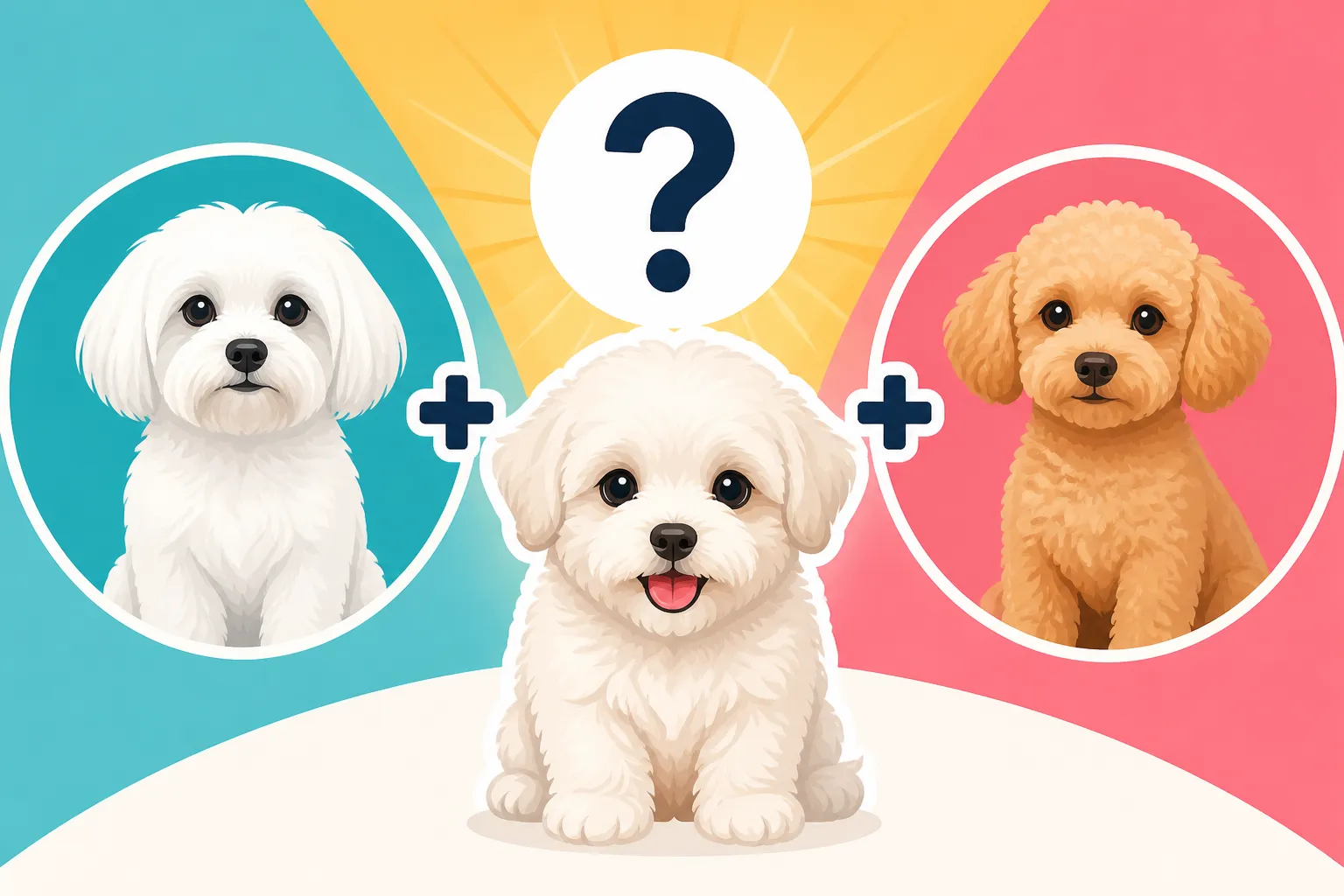
When we talk about a Maltipoo, we're talking about a hybrid dog, a wonderful mix of two distinct purebreds: the Maltese and the Poodle. Each parent brings a unique genetic blueprint to the table, and when those blueprints combine, you get a beautiful spectrum of possibilities. It’s not simply a matter of averaging their colors; it’s a complex dance of dominant and recessive genes.
The Maltese Genetic Contribution
The Maltese breed is renowned for its stunning, long, silky white coat. In fact, white is the only color recognized by major kennel clubs for Maltese dogs. This means that genetically, the Maltese carries genes for solid white coats. Breeders have worked for centuries to select for this pure white pigment, ensuring that nearly every Maltese puppy born will have that characteristic bright, clean appearance. So, when a Maltese is part of the Maltipoo equation, it certainly brings a strong "white" gene pool. You might think this would be enough to make all Maltipoos white, but that's where the Poodle's contribution really shakes things up.
The Poodle's Rainbow of Colors
On the other side of the genetic coin is the Poodle, a breed celebrated not just for its intelligence and elegance, but for its incredible array of coat colors and patterns. Poodles come in a vast palette of hues: black, brown, apricot, red, cream, silver, blue, café au lait, and even multi-colored "parti" and "phantom" patterns. Each of these colors and patterns is governed by specific genes, and many of these genes are dominant. For instance, a Poodle might carry genes for a vibrant red coat, which is a strong, dominant color. Even a white Poodle, which visually appears white, often carries underlying color genes that simply aren't expressed because of other masking genes. This rich genetic diversity from the Poodle parent is the primary reason why Maltipoos don't always end up being pure white, even with a pure white Maltese parent.
The Blending of Genes: What Actually Happens
Imagine trying to mix two different paint palettes together. The outcome isn't always a simple 50/50 blend. In genetics, some genes are dominant, meaning they will be expressed even if only one copy is present, while others are recessive and only show up if two copies are inherited (one from each parent).
When a Maltese (carrying white genes) and a Poodle (carrying a multitude of color genes) breed, their DNA combines in unpredictable ways. The Poodle's dominant color genes (like those for apricot, red, or black) can often override the Maltese's white genes. So, even if the Maltese parent passes on its "white" allele, if the Poodle parent passes on a dominant "apricot" allele, the puppy will likely be apricot. It’s less about a simple averaging of colors and more about which genes win the genetic lottery for expression. This is why Why a Maltipoo Comes in Colors a Maltese Never Does is such a critical concept to grasp when considering your future pup.
Why Many Maltipoos Aren't Pure White (Even with a White Parent)
Despite the Maltese's strong genetic predisposition for white, it's actually quite common to see Maltipoos in a wide range of colors. This often comes as a surprise to new owners who had a mental image of a little white fluffy companion, only to find themselves with a gorgeous apricot or cream pup.
Dominant Color Genes from the Poodle Side
The Poodle's genetic influence is truly powerful when it comes to coat color. Many of the Poodle's colors are governed by dominant genes. For example, the gene for black coat color is dominant. If a Poodle parent carries even one copy of this dominant black gene, and passes it to the Maltipoo puppy, that puppy will very likely have a black coat, regardless of the Maltese parent's white genes. The same can be true for apricot or red genes, which are also often dominant or express strongly.
You might have a Maltipoo that looks mostly white but has faint cream undertones, or subtle apricot shading around the ears or muzzle. This isn't the Maltese making it white; it’s likely a cream or very pale apricot gene from the Poodle side, which can sometimes be mistaken for white, especially in puppyhood. It's a testament to the Poodle's diverse genetic makeup that the "white" expectation from the Maltese isn't always met.
The Role of 'Fading Genes' and Pigment
Another fascinating aspect of Poodle genetics that heavily influences Maltipoo colors is the presence of "fading genes." Many Poodle colors, particularly shades of apricot, red, and black, can lighten or "fade" over time. An apricot puppy might mature into a much lighter cream adult, or a deep red puppy might soften to a pale apricot. A black Maltipoo might eventually develop a beautiful silver or blue hue as they age.
This fading phenomenon is distinctly different from a pure white coat. A dog with fading genes is genetically colored, but the intensity of that pigment lessens over months or even a couple of years. So, while your Maltipoo might appear lighter as they grow, it’s not because the Maltese is finally "making it white"; it’s the Poodle's genetic trait for color dilution at play. This can be particularly true for Whether an Apricot Maltipoo Fades, making color prediction tricky. The color you see at 8 weeks might not be the color you see at 2 years old!
Parti and Phantom Patterns
Poodles also carry genes for striking coat patterns like "parti" and "phantom." A parti-colored dog has a white base with distinct patches of another color (like black, brown, or apricot). A phantom-colored dog has a solid base color with lighter points (like eyebrows, muzzle, chest, and legs), similar to a Doberman's markings.
If a Maltipoo inherits these pattern genes from its Poodle parent, it will absolutely not be a solid white dog. Instead, it will have these beautiful, distinct markings. Imagine a white Maltipoo with bold black or apricot patches – that's a parti! Or a black Maltipoo with striking tan points – that's a phantom! These patterns are entirely derived from the Poodle's diverse gene pool and clearly demonstrate that the Maltese's white genes aren't always the dominant force in the Maltipoo's appearance.
The Reality of Maltipoo Colors and What to Expect
It's easy to get caught up in the idea of a specific color, but the truth about Maltipoo coats is far more varied and often beautifully unexpected. Understanding this reality can help set realistic expectations and ensure you appreciate your dog for more than just their hue.
Common Maltipoo Colors Beyond White
While some Maltipoos can indeed be white, often a soft, creamy white rather than the stark white of a Maltese, many will display a range of other colors. Here’s a look at some of the common colors you’ll find:
- Apricot: This is a very popular color, ranging from a pale golden to a deeper, richer orange-cream. It's almost always a Poodle-derived color and often fades over time.
- Cream: Similar to apricot but lighter, sometimes appearing almost white. This can also be a fading apricot or a genetically distinct cream from the Poodle side.
- Red: A rich, vibrant russet color, quite striking. Red is also a Poodle characteristic and can sometimes fade to apricot or cream.
- Black: Solid black Maltipoos are stunning, often inheriting the deep pigment from a black Poodle parent.
- Chocolate/Brown: Ranging from a light milk chocolate to a dark, rich brown.
- Parti: These are Maltipoos with a white base coat and distinct patches of any other color.
- Phantom: These pups have a solid base color (like black or brown) with lighter tan or apricot markings on specific areas like the muzzle, chest, and legs.
It's clear that pure, bright white is just one of many possibilities, and often a less common one than many people initially imagine. The genetic lottery means Whether a Maltipoo's Color Changes as It Grows is a very real consideration!
Predicting a Maltipoo's Adult Color
Trying to predict a Maltipoo's adult color from a young puppy can be a bit like trying to guess the weather a month in advance – you can make an educated guess, but there are always surprises. As mentioned, fading genes from the Poodle side mean that many colors will lighten significantly as the puppy matures. An intense red puppy might become a lighter apricot, and a dark apricot could become a pale cream.
Even solid colors like black can "blue" or "silver" out over time, especially if the Poodle parent carried those dilute genes. Breeders can sometimes offer insights based on the parent's genetics and the history of their lines, but there's no absolute guarantee. This unpredictability is part of the charm, but it means you should never choose a Maltipoo solely for a specific color expectation.
Prioritizing Health Over Color
While it's completely natural to have a preference for a certain look or color, the most crucial thing to prioritize when choosing any dog, especially a Maltipoo, is health and temperament. An ethical breeder will focus on genetic health testing for both parents to screen for conditions common in Maltese and Poodles, such as Slipping Kneecaps in a Maltipoo, The Liver Shunt a Maltipoo Can Inherit From the Maltese, and eye diseases. A healthy, well-socialized puppy with a good temperament will bring far more joy and fewer heartaches than a dog chosen purely for its aesthetic appeal. Asking a breeder about the health history of the parents and the litter is much more important than asking if Whether a Maltipoo's Color Is Guaranteed. Remember, a cheap Maltipoo might lead to significant vet bills later on.
Practical Considerations for Coat Color
Beyond aesthetics, the color of your Maltipoo's coat can actually have some practical implications, particularly when it comes to grooming and maintenance. It's not just about what looks pretty; it's about what requires your ongoing attention.
Grooming Differences for Lighter vs. Darker Coats
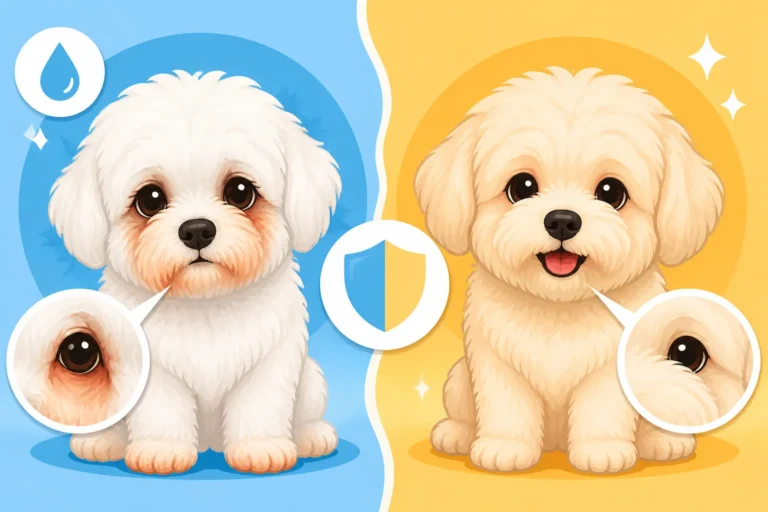
One of the most noticeable differences between a white or light-colored Maltipoo and a darker one is how easily dirt and stains show up. A white Maltipoo's pristine coat can quickly become discolored by mud, grass, food, or simply daily grime. Tear stains, which are common in many small breeds, become much more prominent on a light face. Likewise, saliva around the mouth can cause a reddish-brown stain on a white beard.
Darker coats, on the other hand, are much more forgiving. A black or chocolate Maltipoo can get a little dusty or have some minor staining, and it won't be nearly as obvious. This isn't to say darker coats don't need grooming – all Maltipoos need diligent care due to their non-shedding, fast-growing hair – but the visual impact of daily life on their coat is less pronounced.
Maintaining a Light-Colored Maltipoo's Appearance
If you do end up with a beautiful white or cream Maltipoo, be prepared for a bit more focused grooming effort to keep them looking their best.
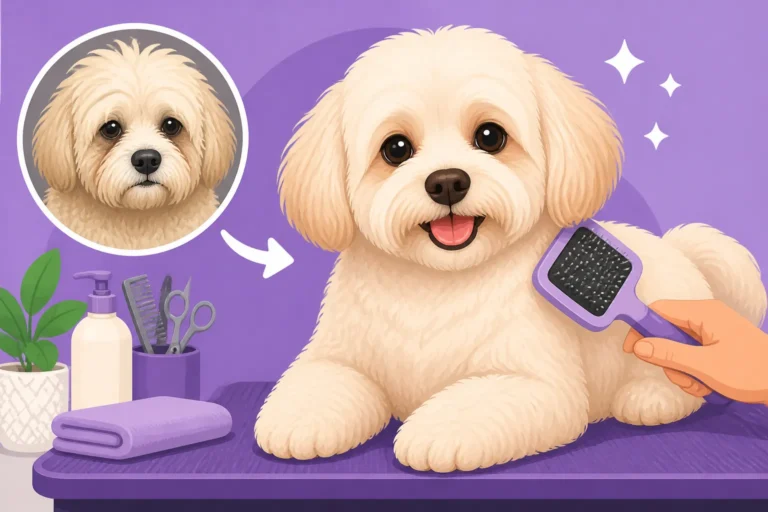
- Daily Face Wipes: To combat tear stains and beard stains, a gentle daily wipe around the eyes and mouth is essential. You can find tear stain removers and gentle cleaning solutions on sites like Chewy or Amazon. Consistency is key here. Keeping a Maltipoo's Face Trimmed and Clean is paramount for avoiding staining and irritation.
- Regular Brushing: All Maltipoos need frequent brushing to prevent mats, but a light-colored dog will show dirt and tangles more readily. Aim for several times a week, ensuring you brush down to the skin. How Many Times a Week a Maltipoo Needs Combing should be a regular part of your routine.
- Bathing: While you don't want to over-bathe, a light-colored Maltipoo might need baths a bit more frequently than a darker one to maintain their bright appearance. Use a gentle dog shampoo designed for white coats to help keep their fur sparkling.
- Professional Trims: Regular professional grooming is a must for all Maltipoos. For lighter coats, discuss with your groomer techniques for keeping the face clean and trimmed, such as a short "puppy cut" or regular The Two Week Face Trim a Maltipoo Needs around the eyes.
Embracing Your Maltipoo's Unique Hue
Ultimately, while the Maltese half brings those beautiful white genes, the Poodle's diverse genetic palette often means your Maltipoo will be a unique and charming mix of colors. Whether your Maltipoo is bright white, creamy apricot, deep red, or even a striking parti-color, their coat is just one small part of what makes them special.
Every Maltipoo is an individual with their own personality, quirks, and boundless affection. The color is merely the wrapping paper; the true gift is the loving companion inside. Focus on their health, their training, and the bond you share. Whatever their final color, your Maltipoo will bring immeasurable joy into your life, and that's what truly matters.
| Common Maltipoo Coat Colors | Primary Genetic Influence | Tendency to Fade/Change | Grooming Visibility of Stains/Dirt |
|---|---|---|---|
| White | Maltese (strong) / Poodle | Low | High |
| Cream | Poodle (common) | Medium (can lighten) | Medium-High |
| Apricot | Poodle (common) | High (fades to cream) | Medium |
| Red | Poodle (less common) | High (fades to apricot) | Medium |
| Black | Poodle (common) | Medium (can silver/blue) | Low-Medium |
| Chocolate/Brown | Poodle (less common) | Low | Low |
| Parti | Poodle (patterns) | Varies by color patches | Varies by color patches |
| Phantom | Poodle (patterns) | Varies by base color | Varies by base color |
Disclaimer
This article is for general informational purposes only and does not constitute professional advice. Laws, prices and regulations vary by location and change over time. Consult a qualified professional for guidance on your specific situation.