Why a White Maltipoo Stains and a Cream One Hides It
There's nothing quite like the pristine, snowy white coat of a Maltipoo puppy to melt your heart. But then, as the weeks turn into months, a common frustration begins to emerge: those stubborn, reddish-brown streaks under their eyes. If you own a white Maltipoo, you know exactly what I'm talking about, and you might be wondering why your cream-colored Maltipoo-owning friends seem to have it so easy. This guide will delve into the nitty-gritty of why white Maltipoos appear to suffer more from tear staining and how their cream counterparts often have a natural advantage.
Understanding Tear Stains: More Than Just Tears
It's a common misconception that tear stains are just, well, tears. While tears are certainly involved, the discoloration itself is a bit more complex, and it's something many Maltipoo owners grapple with daily. It's a persistent issue that can make even the most pampered Maltipoo look a little less than picture-perfect.
The Science Behind the Reddish-Brown Marks
Those tell-tale reddish-brown streaks are actually a combination of a few factors. Primarily, they're caused by porphyrins, which are iron-containing molecules that are a natural byproduct of red blood cell breakdown in the body. Dogs excrete porphyrins through various bodily fluids, including tears, saliva, and urine. When these porphyrins come into contact with light and air, they oxidize, creating that reddish-brown color we all dread. It's similar to how an apple browns when exposed to air.
Beyond porphyrins, moisture from excessive tearing creates a damp environment under your Maltipoo's eyes. This warm, moist area is an ideal breeding ground for yeast and bacteria, specifically a type of yeast called Malassezia. When Malassezia colonizes the area, it can cause secondary infections, irritation, and further discoloration, often adding a darker, almost blackish hue to the reddish-brown stains. This can also lead to a distinct, slightly sweet or cheesy odor if the problem is left unchecked. So, it's not just the tears, but what's in the tears and what grows because of the tears.
Common Causes of Excessive Tearing in Maltipoos
Understanding the underlying reasons for excessive tearing is crucial for tackling tear stains. It’s not always just a cosmetic issue; sometimes, it points to something deeper that needs attention. It can feel overwhelming trying to pinpoint the exact cause, as several factors can contribute to this watery-eyed dilemma.
One of the most frequent culprits is simple irritation. This could be anything from dust, pollen, or environmental allergens floating in the air, especially if your Maltipoo spends time outside or in a dusty home. Ingrown eyelashes (distichiasis or ectopic cilia) can also constantly rub against the eye, causing irritation and increased tear production. Even something as simple as stray hairs near the eye, characteristic of the Maltipoo's fluffy coat, can act like tiny irritants. Sometimes, these issues can be subtle and hard to spot without a closer look.
Diet can also play a surprisingly significant role. Some commercial dog foods contain artificial colors, fillers, or ingredients that certain dogs might be sensitive to, leading to a mild allergic reaction that manifests as excessive tearing. High mineral content in tap water can also contribute to staining. If your Maltipoo is constantly drinking water filled with heavy metals or other impurities, these can be deposited around the eyes via tears. Switching to filtered or distilled water, especially in a stainless steel or ceramic bowl, can sometimes make a noticeable difference. It's a small change that can have a big impact for some sensitive pups. You might even explore options from brands like Ollie for fresh food or filter systems available on Amazon to see if dietary changes help. Blocked tear ducts, a condition known as Tear Duct Problems in a Maltipoo, can also prevent tears from draining properly, leading to overflow and subsequent staining.
Why White Maltipoos Are Uniquely Susceptible (Visually, Anyway)
This is where the heart of the matter lies. It's not that white Maltipoos necessarily produce more porphyrins or more tears than their cream-colored cousins, but rather how their coat color interacts with the staining.
The Pigment Puzzle: How Coat Color Plays a Role
Imagine spilling a glass of red wine on a crisp white tablecloth versus a patterned, deep red one. The stain is equally present on both, but it's glaringly obvious on the white, while it might blend almost seamlessly into the red. This is precisely what happens with tear stains on a Maltipoo's coat. A pure white Maltipoo, with its striking, light-pigmented fur, offers zero camouflage for the reddish-brown porphyrin stains. Every single molecule of discolored tear liquid becomes a beacon of visible frustration for owners.
The absence of underlying pigments in a white coat means that any foreign discoloration, whether it's from tears, dirt, or even saliva after grooming themselves, stands out dramatically. It's a cruel trick of genetics; the very trait that makes these dogs so adorable – their angelic white fur – also makes them seem perpetually "dirty" if tear stains aren't meticulously managed. Owners of white Maltipoos often feel like they are fighting a losing battle, constantly cleaning and wiping, only for the stains to reappear. This daily struggle can be disheartening, making you feel like you're somehow failing to keep your beloved pet pristine.
The Illusion of Cleanliness for Cream and Apricot Maltipoos
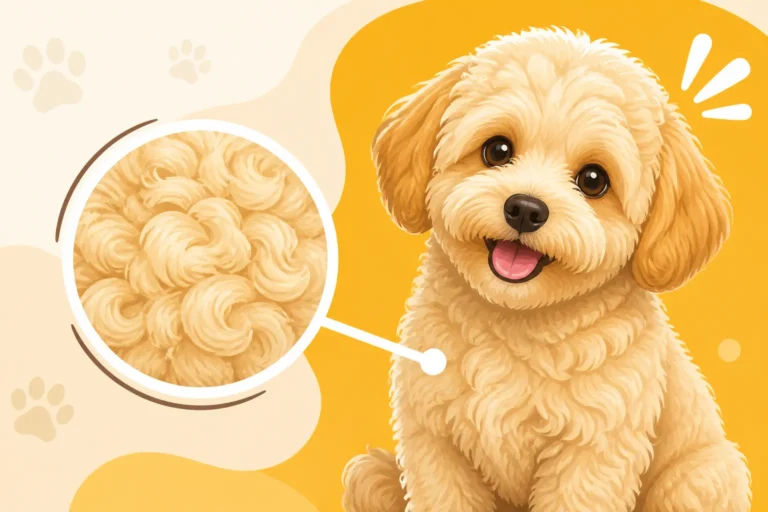
Now, let's consider the cream, apricot, or even light tan Maltipoos. These dogs have warmer, darker pigments in their fur. When porphyrins and yeast-related discoloration occur, these subtle reddish-brown or yellowish tones tend to blend in with the dog's natural coat color. The stains are still there; the porphyrins are still being excreted, and the moisture is still attracting yeast, but the visual impact is drastically reduced.
For an owner of a cream Maltipoo, a mild tear stain might just look like a slightly darker shade of their dog's fur, or perhaps simply dampness that dries without leaving a stark contrast. They might not even notice it unless they're specifically looking for it or if the staining becomes severe. This gives the illusion that cream Maltipoos don't stain as much or are inherently cleaner, when in reality, they just have a built-in camouflage system. This is why you might hear cream Maltipoo owners remarking on how easy it is to keep their dog's face clean, while white Maltipoo owners are left scratching their heads, wondering what secret they're missing. It's not a secret; it's simply genetics working in their favor!
Practical Steps for Managing Tear Stains on Your Maltipoo
Tackling tear stains on a Maltipoo, especially a white one, requires a multi-pronged approach. It’s not just about cleaning, but about consistent care and addressing potential root causes. It can feel like a never-ending task, but with dedication, you can make a real difference.
Daily Wiping and Gentle Cleaning Routines
This is your first line of defense, and consistency is absolutely key. For white Maltipoos, daily (sometimes twice daily) wiping is non-negotiable. You want to gently cleanse the area to remove the tear build-up before the porphyrins have a chance to oxidize and set. There are many commercial tear stain wipes and solutions specifically formulated for dogs that contain mild cleansing agents and sometimes natural astringents like witch hazel. You can find many effective options from retailers like Chewy or Amazon.
When wiping, be incredibly gentle. Use a soft, lint-free cloth or a specially designed tear stain wipe. Hold your Maltipoo's head still and carefully wipe away from the eye, focusing on the fur beneath the lower eyelid and around the inner corner. Be careful not to get any solution into the eye itself, as this can cause irritation. After wiping, you might consider applying a tiny bit of cornstarch or an ophthalmic-grade powder to help keep the area dry, creating a less hospitable environment for yeast and bacteria. Remember, preventing moisture build-up is just as important as cleaning away existing stains. It’s also important to make sure the fur around the eyes is trimmed regularly; The Daily Face Wipe a Maltipoo Needs goes into detail about this routine.
Dietary Considerations and Water Quality
As we touched on earlier, diet and water can profoundly impact tear staining. If you've been battling persistent stains, it's worth taking a close look at what your Maltipoo is consuming. Some owners find that switching to a high-quality, grain-free kibble with limited ingredients can reduce allergic reactions and, consequently, tear production. Look for brands that avoid artificial colors, preservatives, and common allergens like corn, wheat, and soy.
Consider using filtered or distilled water instead of tap water. Tap water, depending on your location, can be rich in minerals like iron and magnesium, which contribute to the porphyrin content in tears. Simply filling your Maltipoo's bowl with filtered water can sometimes yield surprising results over time. If your Maltipoo's beard is also browning, this is a strong indicator that water quality might be playing a role; Whether a Maltipoo's Beard Browns From Its Bowl explores this issue further. Always use stainless steel, ceramic, or glass bowls, as plastic bowls can harbor bacteria and absorb odors, potentially exacerbating the problem. Wash these bowls daily to maintain optimal hygiene.
Addressing Underlying Health Issues
Sometimes, tear staining is a symptom of an underlying health problem that needs veterinary attention. If your Maltipoo's tear stains are sudden, particularly severe, or accompanied by other symptoms like squinting, redness, pawing at the face, or a discharge from the eye, a vet visit is imperative. Your veterinarian can rule out medical causes and suggest appropriate treatments.
Potential health issues include:
- Allergies: Environmental or food allergies can lead to watery, itchy eyes. Your vet might recommend allergy testing or a trial elimination diet.
- Blocked tear ducts: The tears aren't draining properly, overflowing onto the face. This can often be corrected with a simple procedure by your vet. You can learn more about this in Tear Duct Problems in a Maltipoo.
- Eyelid abnormalities: Conditions like entropion (eyelid rolling inward) or ectropion (eyelid rolling outward) can cause irritation and excess tearing.
- Dental problems: Believe it or not, dental issues can sometimes contribute to tear staining, especially if there's an infection or inflammation in the upper jaw that affects the tear ducts. Regular dental care is important, as covered in How Often a Maltipoo Needs a Dental. Your vet will perform a thorough eye exam, potentially flushing the tear ducts, checking for foreign bodies, and ensuring there are no painful corneal scratches.
Preventative Measures for a Stain-Free Future
Moving beyond immediate stain removal, cultivating consistent preventative habits is the key to minimizing tear stains on your Maltipoo long-term. This isn't just about quick fixes, but about integrating care into your daily and weekly routine.
Grooming Beyond the Face: Keeping the Whole Dog Clean
While the face is the focal point for tear stains, a well-maintained overall coat contributes to better hygiene and can indirectly reduce tear staining. Maltipoos have luscious, constantly growing coats that need regular grooming. Without it, mats can form, especially around the eyes, trapping moisture and bacteria, and making it harder to clean the stained areas effectively. This also prevents stray hairs from irritating the eyes.
Regular professional grooming, typically every 4-6 weeks, is essential for a Maltipoo. Your groomer can give your Maltipoo a proper sanitary trim, trim the hair around the eyes (often called an "eye trim" or "fringe trim"), and keep their coat knot-free. Many Maltipoo owners opt for a "puppy cut" or "teddy bear cut" which keeps the fur shorter and more manageable, reducing the likelihood of mats and making daily cleaning much easier. Between professional grooms, you'll need to do some maintenance at home. This includes brushing daily to prevent mats, and performing The Two Week Face Trim a Maltipoo Needs to keep the hair around the eyes from getting too long. Regular bathing with a gentle, tear-free shampoo is also important to remove dirt and allergens from their entire coat, reducing overall irritation.
Long-Term Strategies for Minimizing Stains
Creating a sustainable long-term strategy for tear stain management is about combining all the practices we've discussed into a consistent routine. It's about proactive care rather than reactive treatment, and understanding that it's an ongoing commitment for your Maltipoo.
One effective strategy is to use a dedicated "tear stain kit" that includes specific wipes, a soft comb, and perhaps a sterile saline solution or a mild cleanser. Keep this kit readily accessible. Consistency is your best friend here. Make cleaning your Maltipoo's face a positive daily ritual, perhaps before breakfast or bedtime, so they learn to tolerate and even enjoy the attention. Positive reinforcement with treats and praise will go a long way. Beyond physical cleaning, consider the environment your Maltipoo lives in. Reducing dust, using air purifiers, and ensuring their bedding is clean can all minimize environmental irritants.
Establishing a partnership with your veterinarian is also crucial. Regular check-ups can catch underlying issues early before they become severe. Your vet can monitor for conditions like The Eyes a Maltipoo Gets From the Poodle or subtle dental problems that might be contributing to tear stains. Discuss any persistent issues or changes in your Maltipoo's eyes or tear staining with them. They might recommend specific supplements or further diagnostic tests if they suspect a deeper problem. Remember, managing tear stains is a marathon, not a sprint, and with patience and consistent effort, you can help your white Maltipoo look and feel their very best.
| Maltipoo Coat Color | Visible Tear Stains | Primary Reason | Daily Maintenance Needs |
|---|---|---|---|
| White | Highly Visible | No camouflage for reddish-brown porphyrins | High (daily/twice daily wiping) |
| Cream/Apricot | Less Visible | Natural pigments blend with porphyrins | Moderate (less visually urgent) |
| Darker Colors (Red, Black, Phantom) | Least Visible | Dark pigments completely hide stains | Low (focus on health, not visual stain) |
Disclaimer
This article is for general informational purposes only and does not constitute professional advice. Laws, prices and regulations vary by location and change over time. Consult a qualified professional for guidance on your specific situation.