Whether a Maltipoo Refuses Wet Grass
Oh, the classic Maltipoo wet grass dilemma! If you're currently wrangling a furry little cloud who eyes a damp lawn like it's a shark-infested swamp, you are definitely not alone. Many Maltipoo parents face the very real frustration of their otherwise perfectly trained pup suddenly deciding that a sprinkle of rain renders their designated potty spot utterly unusable. This guide is here to help you understand why your Maltipoo might be staging a silent protest against wet grass and, more importantly, what actionable steps you can take to encourage them to go outside, come rain or shine.
Why Your Maltipoo Might Be Turning Up Their Nose at Wet Grass
It's easy to look at your Maltipoo's aversion to wet grass and think they're being stubborn or dramatic. While there might be a tiny bit of diva in every adorable Maltipoo, their reluctance usually stems from very practical reasons, deeply rooted in their small stature and sensitive nature. Understanding these reasons is the first step toward finding a solution that works for both of you.
The 'Delicate Flower' Factor: Temperature and Touch Sensitivity
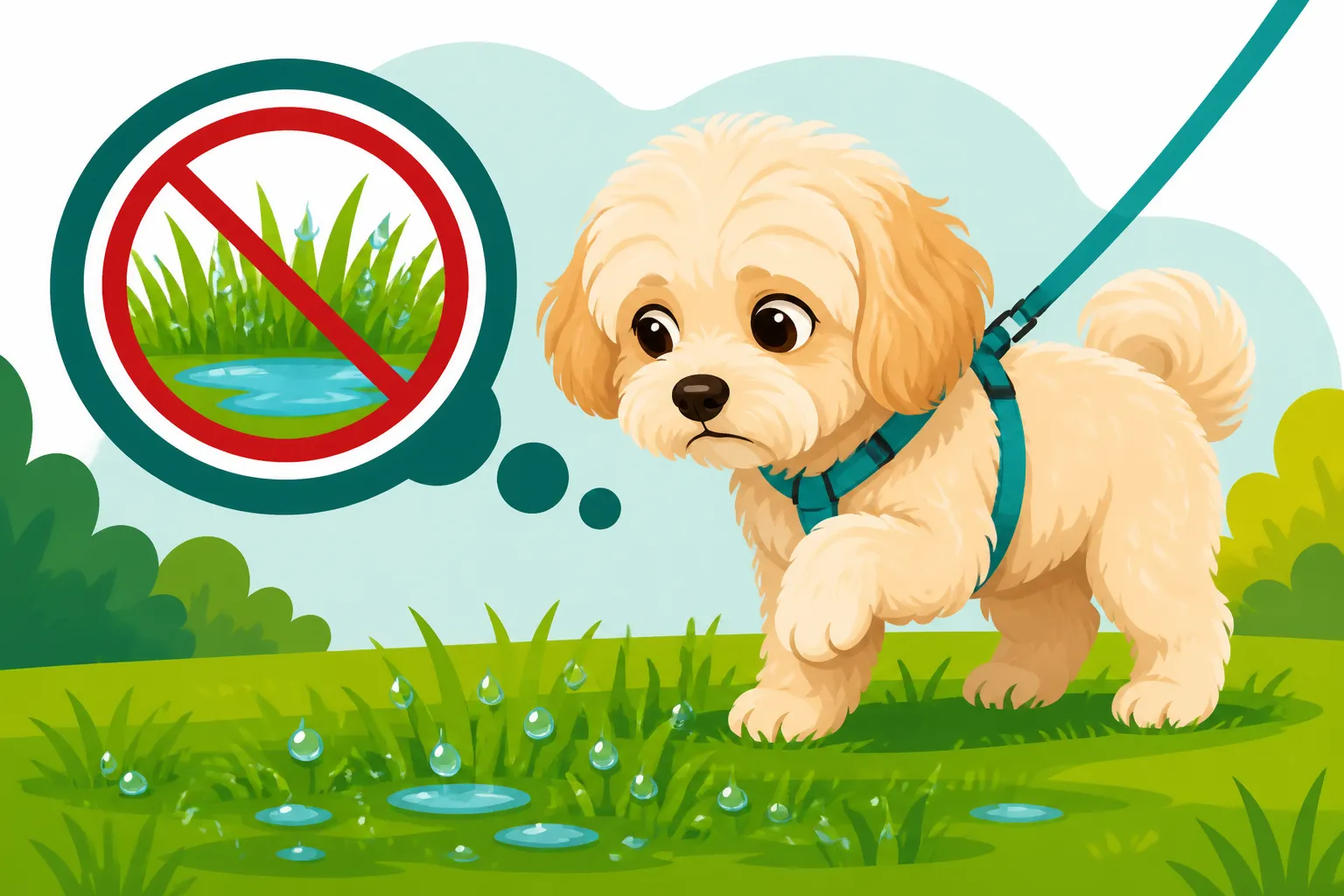
Let's be real, a Maltipoo is not built for the Arctic tundra or even a chilly morning dew. Their small size means they lose body heat incredibly fast. Imagine stepping barefoot into a cold, wet puddle on a brisk morning – now imagine that puddle coming up to your knees! That's essentially what a Maltipoo experiences. Their little paw pads, while tough, are still very sensitive to temperature and texture. Cold, wet grass can feel shocking, uncomfortable, or even painful to their delicate paws and thin skin.
Moreover, if your Maltipoo has a finer, silkier coat (leaning more towards their Maltese heritage), that wetness can soak right through to their skin, making them shiver uncontrollably. Even those with a curlier, Poodle-like coat can get quite matted and uncomfortable when wet, especially if they aren't dried thoroughly soon after. This isn't just a slight annoyance for them; it's a full-body discomfort that their instincts tell them to avoid. They're not trying to be difficult; they're genuinely trying to protect themselves from an unpleasant sensation. Whether a Maltipoo Gets Cold Easily
A Learned Aversion: Negative Experiences with Outdoor Potty Breaks
Sometimes, a Maltipoo's refusal isn't just about the immediate discomfort of wet paws, but a deeper-seated learned aversion. If a puppy is rushed outside during a downpour, scolded for an indoor accident when it's raining, or has an unpleasant experience while out in bad weather (a sudden loud noise, being startled, feeling vulnerable), they can quickly associate outdoor potty breaks in the wet with negative feelings.
Think about it: as responsible owners, we want our pups to go outside. So, on a rainy day, we might bundle them up and whisk them out there, perhaps a bit urgently. If the experience is consistently cold, windy, or generally miserable, they'll start to anticipate that feeling every time they see the leash come out when the sky is grey. This creates a cycle where their anxiety about the weather compounds their physical discomfort, making it even harder for them to relax enough to do their business. This isn't just a puppy problem either; older dogs can develop these associations after a few bad experiences.
The Indoor Comfort Zone: When Potty Pads Become the Default
Another major contributor to wet grass refusal, especially in smaller breeds like Maltipoos, is the reliance on indoor potty pads. Pads are convenient, no doubt. They offer a warm, dry, and predictable place for your Maltipoo to relieve themselves, regardless of what's happening outside. The problem arises when this convenience becomes the only acceptable option for your pup.
If your Maltipoo has been primarily trained on pads, they've learned that soft, absorbent material indoors is the correct toilet. When you then try to transition them to the great outdoors, especially when it's wet, it's a completely different sensory experience. The texture is unfamiliar, the temperature is uncomfortable, and the sounds and smells are new. They simply haven't generalized "potty time" to include "potty time on wet grass." They might hold it, pace, or try to sneak back inside to their preferred indoor spot. This creates a real challenge when you're trying to move a Maltipoo from pads to the yard, especially when the weather isn't cooperating. Moving a Maltipoo From Pads to the Yard
Practical Strategies to Encourage Outdoor Potty Breaks in the Wet
Now that we've delved into why your Maltipoo might be giving the wet grass the cold shoulder, let's talk about what you can actually do about it. It’s all about making the outdoor experience as comfortable, positive, and irresistible as possible, even when the weather isn't ideal.
Gear Up for Success: Protecting Your Maltipoo from the Elements
You wouldn't go out in a downpour without a raincoat, right? Your Maltipoo deserves the same consideration. Equipping your pup with the right gear can make a world of difference in their willingness to face the elements.
First, consider a waterproof dog coat or sweater. Look for one that covers their back and ideally has a bit of belly coverage too. This helps keep their core warm and dry, preventing that immediate chill that can deter them. Many options are available on marketplaces like Amazon, ranging from lightweight rain jackets to insulated winter coats. Ensure it fits well – not too tight, not so loose it trips them up.
Next, address those sensitive paws. Dog boots can be a game-changer for many Maltipoos. It might take some desensitization and practice to get them used to wearing boots, but once they accept them, their paws will be protected from cold, wet grass, ice, and even hot pavement in the summer. If boots aren't an option, a good paw wax can create a protective barrier on their paw pads, reducing direct contact with the cold moisture. Some pet parents even keep a designated towel right by the door to quickly wipe paws the second they step back inside, reinforcing that relief from wetness is immediate. The goal here is to minimize discomfort, turning a potentially miserable experience into a tolerable one. Whether a Maltipoo Needs a Coat Outdoors
Consistent Routine and Positive Reinforcement
This might sound like Housetraining 101, but consistency is absolutely paramount, especially when tackling a specific challenge like wet grass refusal. Your Maltipoo needs to understand that potty time happens outside, regardless of the weather, and that doing their business outside is incredibly rewarding.
Establish a rock-solid potty schedule and stick to it religiously, rain or shine. Take them out at the same times every day: first thing in the morning, after meals, after naps, before bed, and any other regular intervals. This predictability helps their bladder and bowels regulate, and it also reinforces the routine in their mind.
When you take them out in the wet, make it a no-nonsense, business-only trip at first. Go to their designated spot, wait patiently (but don't make it a play session), and give them a clear cue like "Go potty!" The instant they relieve themselves, unleash a torrent of enthusiastic praise and immediately offer a high-value treat – something they absolutely adore that they only get for successful outdoor potty breaks. We're talking tiny pieces of cooked chicken, cheese, or specialized training treats. Make it a party! Then, and only then, can you bring them back inside for warmth and cuddles. This positive reinforcement creates a strong association: wet grass = discomfort + going potty = incredible reward. Over time, the reward can outweigh the discomfort. How Often a Maltipoo Puppy Needs Taking Out
Creating a Designated, Covered Potty Area
Sometimes, even with the best gear and endless praise, the thought of standing directly in the rain is just too much for a Maltipoo. This is where a covered potty spot can be a lifesaver. This doesn't have to be anything elaborate, but it provides a dry haven where your pup can do their business without getting drenched.
Consider setting up a small, temporary shelter in your yard or on a patio. This could be as simple as a large, sturdy outdoor umbrella secured over a patch of grass or artificial turf, a pop-up canopy, or even a small dog house with an open front. The key is to provide overhead cover and, if possible, a little wind break. If you live in an apartment with a balcony, an outdoor potty box with real or artificial grass under a small awning can work wonders.
The idea is to give them a "dry island" where they feel less exposed and more comfortable doing their business. Many Maltipoo owners have found great success with this, especially during extended periods of rain. You're meeting them halfway, acknowledging their aversion while still training them to go outdoors. Whether a Covered Potty Spot Helps a Maltipoo
Overcoming Resistance: Patience and Problem-Solving
Dealing with a Maltipoo who refuses wet grass requires a generous helping of patience and a problem-solving mindset. It's not usually a quick fix, but a gradual process of desensitization, positive association, and sometimes, ruling out other issues.
Gradual Introduction and Desensitization
If your Maltipoo has a strong aversion, you can't just throw them into a thunderstorm and expect them to magically comply. You need to introduce them to the concept of wetness gradually, making it less scary and more familiar.
Start small. On a day with only a light drizzle or just damp grass (perhaps after the rain has stopped), take them out for a very short potty break, armed with your gear and high-value treats. If they're reluctant, don't force them or scold them. Instead, try bringing out their favorite toy and playing briefly in a slightly damp area, or just walk them to the edge of the damp grass and give them a treat for simply being near it. The goal is to create positive associations with the location first, even if they don't potty right away.
As they become more comfortable, gradually increase the wetness of the area or the duration of their time outside. Celebrate every tiny success – a sniff of the wet grass, a paw placed on it. This desensitization process, much like any fear-based training, requires consistency and a light, encouraging tone. Don't forget that consistent positive reinforcement from reputable online training programs, like those offered by BAXTER & Bella, can provide structure and support during this process, even for something as specific as wet grass aversion.
Addressing Underlying Anxiety or Fear
Sometimes, what looks like stubbornness is actually anxiety or fear. Observe your Maltipoo's body language when you try to take them out in the wet. Are they tucking their tail, trying to bolt back inside, shivering excessively (beyond just being cold), or looking genuinely distressed? If so, the issue might be deeper than just physical discomfort.
In these cases, avoid scolding or showing frustration. Your negative emotions will only confirm their fears and strengthen the negative association with wet outdoor potty breaks. Instead, project a calm, reassuring demeanor. Use a gentle, upbeat voice. Short, frequent trips, coupled with lots of praise and treats for any progress at all, can help rebuild their confidence. Forcing them into a situation they're genuinely fearful of can lead to regression in housetraining or even behavioral issues. Remember, a Maltipoo is a sensitive soul, and raising your voice shuts a Maltipoo down quickly. Whether Raising Your Voice Shuts a Maltipoo Down
Consulting a Professional Trainer or Vet
If you've tried everything and your Maltipoo is still adamantly refusing wet grass, or if their behavior seems extreme, it might be time to bring in the professionals.
A certified professional dog trainer can observe your specific situation, help identify underlying behavioral issues (like severe anxiety or a deep-seated learned aversion), and develop a tailored training plan. They can offer hands-on guidance and techniques that might be difficult to implement on your own.
It's also crucial to rule out any underlying medical conditions. Sometimes, a physical discomfort that isn't immediately obvious can be exacerbated by cold or wet conditions. For example, joint pain (even subtle arthritis), a urinary tract infection, or even a dental issue that makes squatting uncomfortable could contribute to their reluctance. A trip to the veterinarian can ensure there's no medical reason for their refusal. They can also check if a urinary infection explains a Maltipoo's accidents, which might sometimes be mistaken for general refusal. Whether a Urinary Infection Explains a Maltipoo's Accidents
Remember, your Maltipoo wants to please you, but their comfort and instincts also play a huge role. By understanding their needs and approaching the situation with patience, positive reinforcement, and a bit of ingenuity, you can help them become more comfortable with wet weather potty breaks.
Here’s a quick overview of some strategies:
| Strategy Category | Description | Key Actions |
|---|---|---|
| Environmental Control | Modifying the outdoor space to be more appealing. | Provide a covered potty spot (umbrella, canopy). Consider artificial turf if natural grass is the issue. |
| Protective Gear | Shielding your Maltipoo from uncomfortable elements. | Invest in a waterproof coat/sweater. Use paw boots or paw wax. Keep a towel by the door for immediate drying. |
| Behavioral Training | Shaping desired behavior through positive reinforcement. | Stick to a consistent potty schedule. Use high-value treats and enthusiastic praise immediately after successful outdoor elimination. |
| Desensitization | Gradually accustoming your Maltipoo to wet conditions. | Start with lightly damp grass, increase exposure slowly. Pair with play or treats in damp areas. Avoid force or punishment. |
| Addressing Anxiety | Recognizing and mitigating fear-based responses. | Observe body language for signs of fear. Maintain a calm, reassuring tone. Never scold for reluctance. Seek professional help if anxiety is severe. |
| Health Check | Ruling out medical reasons for reluctance. | Schedule a vet check-up to ensure no underlying pain, infection, or discomfort is making outdoor elimination difficult. |
Disclaimer
This article is for general informational purposes only and does not constitute professional advice. Laws, prices and regulations vary by location and change over time. Consult a qualified professional for guidance on your specific situation.