Moving a Maltipoo From Pads to the Yard
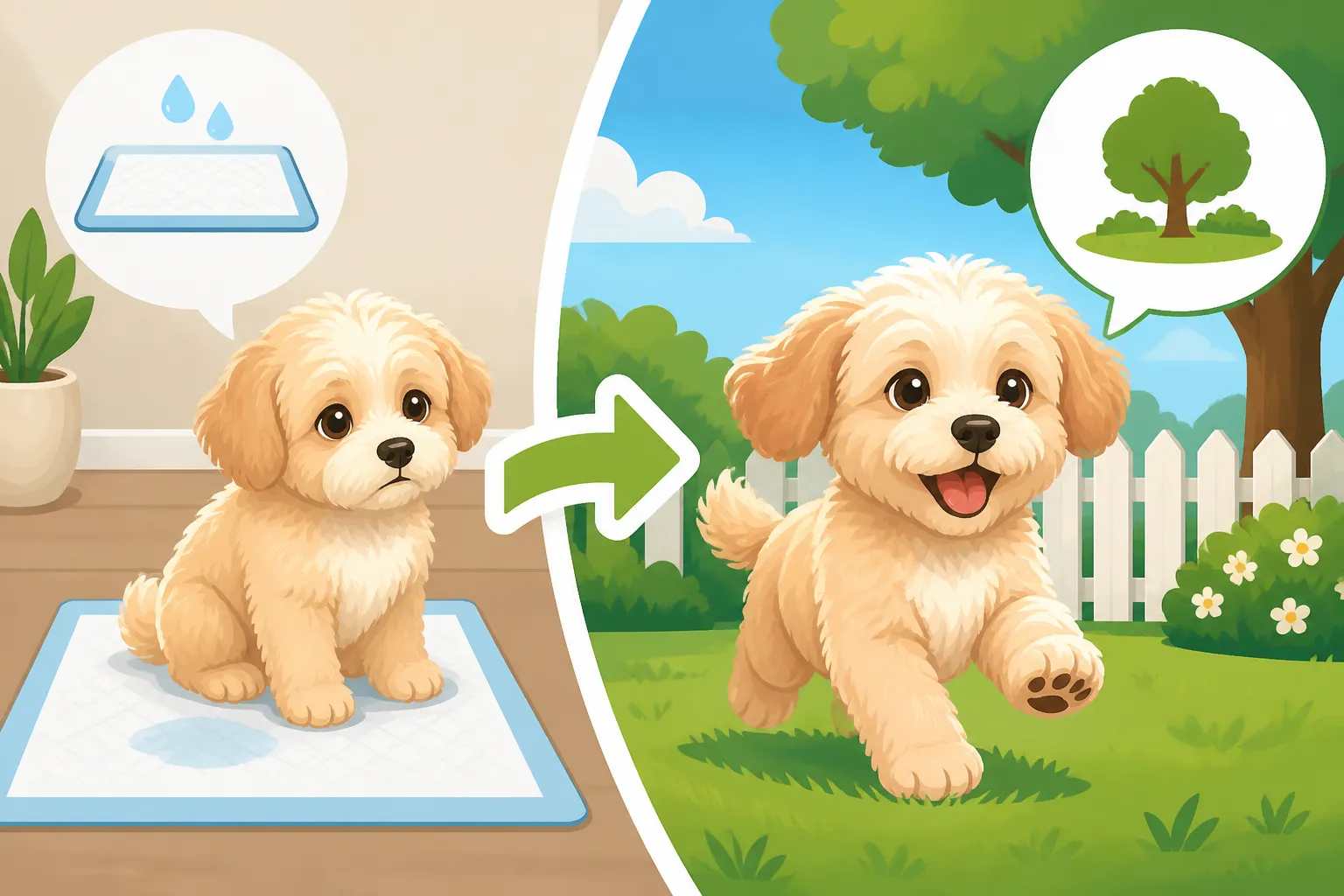
Many Maltipoo owners find themselves in a bit of a pickle: their adorable little fluffball is a superstar at using indoor potty pads, but when it comes to doing their business outside in the big wide world, it’s a completely different story. It's frustrating when you're trying to move towards a cleaner, more consistent outdoor routine, but your Maltipoo just doesn't seem to get it, or actively resists. This comprehensive guide will walk you through the practical steps, common challenges, and empathetic solutions to successfully transition your Maltipoo from using pee pads to confidently and consistently toileting in the yard.
Understanding Why the Pad-to-Yard Transition is a Hurdle for Maltipoos
Let's be real, moving from the cozy, predictable world of indoor potty pads to the vast, unpredictable outdoors isn't always a smooth journey for our sensitive Maltipoos. It's not about being stubborn (though sometimes it feels that way!), but rather a combination of their inherent traits and the strong habits we've inadvertently helped them build.
The Comfort and Consistency of Potty Pads
When we bring a new Maltipoo puppy home, especially one that's tiny and still developing bladder control, potty pads often seem like a godsend. They're convenient, they protect our floors, and they offer an immediate solution to those frequent potty breaks. The problem is, they're too good at their job. Your Maltipoo learns quickly that this soft, absorbent square in a specific indoor location is the place to go. They develop a strong association: pad equals potty. This isn't just a casual preference; it becomes a deeply ingrained habit, reinforced every single time they use it successfully.
Think about it from your Maltipoo's perspective. The pad is always there, always smells the same (to them, not us, thankfully!), and there are no strange noises, smells, or weather conditions to contend with. It's a safe, predictable toilet. The yard, on the other hand, is a sensory overload. There are unfamiliar smells from other animals, the sound of rustling leaves or distant cars, the feel of wet grass or cold concrete under their paws, and the ever-present threat of a sudden breeze or a bird flying overhead. It’s no wonder they might hesitate to relieve themselves in such a "wild" and distracting environment. They've been taught to seek out one very specific type of substrate in one very specific environment, and the outdoors is quite the opposite.
Maltipoo Temperament and Size Considerations
Maltipoos, being a cross between Maltese and Poodle, inherit a fascinating blend of traits that can either help or hinder this transition. On the Maltese side, you often get a dog that loves comfort, is deeply attached to their owner, and can sometimes be a bit particular or sensitive to their surroundings. They're small, and small dogs often feel more vulnerable in large, open spaces. This sensitivity can make them hesitant to potty outside, especially if it's windy, raining, or even just a bit chilly. They just want to be warm and safe, and doing their business out in the elements can feel like a chore, or even a threat.
From the Poodle side, Maltipoos often inherit intelligence and a desire to please, which can be a huge asset in training. However, they can also be creatures of habit and, if not properly motivated, can use their smarts to outwit us! Their small size also means tiny bladders, especially as puppies, which can make the strict schedule needed for outdoor training feel impossible. You might find your Maltipoo holding it for ages outside, only to rush back in and have an accident right near where the pads used to be. This isn't spite; it's often a combination of being uncomfortable outdoors and a strong, learned preference for the indoor potty spot. Some Maltipoos also tend to be less tolerant of cold or wet weather, thanks to their delicate size and single coat, making outdoor trips a chilly, unwelcome experience. This is especially true for those tiny "teacup" Maltipoos, who struggle to regulate their body temperature. Whether a Maltipoo Gets Cold Easily is a genuine concern for these little ones.
Setting the Stage for Outdoor Success: Preparation is Key
Before you can effectively transition your Maltipoo to outdoor potty training, you need to set yourself and your pup up for success. This isn't a spontaneous decision; it requires careful planning and a commitment to consistency.
Phasing Out the Potty Pads Gradually
The first, and often most challenging, step is to start making those indoor pads less accessible and less appealing. You can't just yank them away cold turkey; that's a recipe for accidents and frustration for everyone involved. Instead, begin by gradually moving the potty pad closer and closer to the door you intend to use for outdoor potty breaks. Move it just a few feet each day, over the course of a week or so. The goal is to slowly guide your Maltipoo's association with "potty spot" from the middle of the living room to the exit point.
Once the pad is right by the door, you can try moving it just outside the door, maybe on a porch or a covered stoop, if possible. This helps bridge the mental gap between inside and outside. At this point, you might consider cutting the pad in half, or even in quarters, to make it less inviting but still offer that familiar texture if they're truly struggling. The idea is to make the pad less of a fixture and more of a temporary aid. During this time, it's absolutely crucial to supervise your Maltipoo like a hawk indoors. Any unsupervised time is an open invitation for an accident, and you want to prevent those at all costs to avoid reinforcing the wrong behavior. Investing in some enzymatic cleaner, like those readily available on Amazon, is a must for cleaning up any accidents thoroughly, so your Maltipoo isn't drawn back to the spot by residual odors. Cleaning Up So a Maltipoo Does Not Return to the Spot is vital for successful potty training.
Establishing a Dedicated Outdoor Potty Spot
Just as your Maltipoo had a dedicated spot indoors for their pad, they need one outdoors. This isn't just any patch of grass; it should be a relatively quiet, safe, and consistent location in your yard. Try to choose a spot that's not overly exposed to loud noises or foot traffic, especially if your Maltipoo is easily startled. For smaller dogs, a spot near a bush or fence line might feel more secure than the middle of an open lawn.
Take your Maltipoo to this exact same spot every single time you go outside for a potty break. Consistency is the magic word here. If you have a larger yard, you might consider using a long leash or a portable exercise pen initially to keep them focused on that specific area, rather than letting them wander off to explore. You can even try to "seed" the spot with a little bit of their urine from a previous indoor pad, though this isn't always necessary or practical. The goal is to make this outdoor spot as predictable and unthreatening as their old indoor pad was. Over time, the scent of their own urine will become an attractive signal for them to relieve themselves there again.
Gathering Your Training Arsenal
Successful potty training requires the right tools to make the process smoother for both you and your Maltipoo. First and foremost, you'll need a good, comfortable harness and leash. For a Maltipoo, a harness is usually preferred over a collar to protect their delicate trachea. Why a Maltipoo Should Never Wear a Collar explains this in detail. Make sure the harness fits snugly but doesn't chafe.
Next, high-value treats are non-negotiable. These aren't their everyday kibble; these are the treats that make their eyes light up – tiny pieces of cooked chicken, cheese, or specialized training treats they absolutely adore. You'll need to deliver these instantly when they successfully potty outside. A clicker can also be a wonderful tool for precise timing of your rewards. Beyond that, a good supply of enzymatic cleaner for accidents (because they will happen), and perhaps some waterproof liners for crates or bedding, will be helpful. Consider also a sturdy, but lightweight, outdoor kennel or tether if you need to safely supervise them for a few minutes while waiting for them to go, especially if you have an unfenced yard or a lot of distractions. For more in-depth training resources, platforms like BAXTER & Bella offer comprehensive online puppy programs that can provide structured guidance for house-training and other essential behaviors, which might be a good supplemental tool for those really struggling.
The Step-by-Step Guide to Transitioning Your Maltipoo Outdoors
Now for the nitty-gritty: the actual process of getting your Maltipoo to understand that "potty time" means "outside time." This isn't a race; it's a marathon that requires patience and a strict routine.
Implementing a Strict Potty Schedule
This is arguably the most critical component of successful outdoor potty training for a Maltipoo. Their tiny bladders simply can't hold it for long, especially as puppies. You need to take your Maltipoo out frequently and on a very consistent schedule. This means first thing in the morning, immediately after waking from naps, after playtime, about 15-20 minutes after eating or drinking, and right before bed. Seriously, set a timer on your phone for every 30-60 minutes initially, especially for young puppies. As they get older and gain more bladder control, you can gradually extend these intervals.
Here’s a sample schedule, but remember to adjust it to your Maltipoo’s individual needs and your lifestyle:
| Time | Activity | Notes |
|---|---|---|
| 7:00 AM | Wake up, immediately outside to potty | First thing out of crate/bed. |
| 7:15 AM | Breakfast, water | Keep water available for a set time, then pick up. |
| 7:30 AM | Outside to potty | Small bladders empty quickly after drinking. |
| 8:00 AM | Playtime, training, supervision | Keep a close eye, watch for sniffing, circling. |
| 8:30 AM | Outside to potty | After play, needs to go. |
| 9:00 AM | Nap/Crate Time | If crated, ensure they've just pottied. |
| 10:30 AM | Wake up, immediately outside to potty | After nap. |
| 11:00 AM | Playtime | |
| 11:30 AM | Outside to potty | |
| 12:00 PM | Lunch, water | |
| 12:30 PM | Outside to potty | After eating/drinking. |
| 1:00 PM – 5:00 PM | Repeat cycles of play, potty, nap every 1-2 hours | Adjust intervals based on age and bladder control. |
| 5:00 PM | Dinner, water | |
| 5:30 PM | Outside to potty | After eating/drinking. |
| 6:00 PM – 9:00 PM | Supervised family time | Continue short potty breaks, especially after any excitement or play. |
| 9:00 PM | Last potty break before bed | Make sure they completely empty their bladder. |
| 9:15 PM | Bedtime/Crate Time |
This routine might feel relentless, but it's how you build the habit. How Often a Maltipoo Puppy Needs Taking Out explores this further.
Supervise Like a Hawk and Know the Potty Cues
During the transition period, your Maltipoo should never be unsupervised indoors. This means tethering them to you, keeping them in an approved pet-safe area like a playpen, or using their crate for short periods when you absolutely cannot watch them. This intense supervision is key to preventing accidents and catching those subtle potty cues before they happen.
What are those cues? Watch for sniffing around intently, circling, suddenly walking away from you towards a quiet corner, or squatting. For a Maltipoo, these signs might be very subtle and happen quickly. The moment you see any indication that they might need to go, grab them gently but quickly (no yelling or startling) and take them directly to their designated outdoor potty spot. Use a consistent, calm command like "outside potty" or "go pee" as you go. You want to make the connection between the urge to potty and going outside immediate. If you're not seeing any signs but it's time for a scheduled break, just take them out anyway.
Rewarding Outdoor Success Extravagantly
This is where the high-value treats and praise come into play. When your Maltipoo successfully potties outside in their designated spot, you need to throw a party! Seriously, be overly enthusiastic. Shower them with verbal praise ("Good potty!"), give them multiple high-value treats immediately (within 2-3 seconds of them finishing), and offer a quick, happy petting session. This isn't the time for a long play session; the reward should be quick, clear, and directly linked to the act of peeing or pooping outside.
The timing of this reward is crucial. If you wait too long, your Maltipoo won't connect the treat with the act of going potty. This positive reinforcement creates a strong association: "I potty outside, and amazing things happen!" If they don't go within 5-10 minutes, bring them back inside, keep them supervised, and try again in another 15-20 minutes. Don't punish them for not going; just calmly bring them back in. Your goal is to make the outdoor potty experience the most rewarding thing they can do.
Troubleshooting Common Setbacks and Staying Consistent
It's easy to get discouraged when accidents happen or your Maltipoo seems to be regressing. Remember, this is a normal part of the process, especially with small breeds. The key is to address setbacks calmly and maintain your consistency.
Dealing with Indoor Accidents Gracefully
Accidents are going to happen, especially during the transition. The absolute worst thing you can do is punish your Maltipoo after the fact. If you find a puddle or pile that's already there, simply clean it up thoroughly with an enzymatic cleaner (this is where having a good cleaner from Amazon comes in handy!). Rubbing their nose in it, yelling, or scolding them after the fact only teaches them to fear you and to hide their accidents, making them even harder to train.
If you catch your Maltipoo in the act of having an accident indoors, calmly interrupt them with a quick "Nope!" or "Outside!" and immediately pick them up and carry them to their designated outdoor potty spot. If they finish going outside, praise and reward them lavishly. If they don't, bring them back inside, supervise closely, and try again in 15 minutes. The important thing is to avoid creating negative associations with going potty in general. The goal is to teach them where to go, not to scold them for making a mistake. Maltipoos can be quite sensitive, and harsh corrections can make them retreat and become fearful, hindering your training progress. Whether a Maltipoo Is Too Soft for Correction is something to keep in mind.
Addressing Reluctance Due to Weather or Environment
Some Maltipoos, particularly those with a strong Maltese lineage, are quite particular about the weather. Rain, snow, wind, or even just chilly temperatures can make them resistant to going outside. The Maltipoo That Refuses to Go Outside in the Wet is a common complaint. For these weather-sensitive pups, consider getting a small, waterproof coat or sweater to keep them warm and dry. A small umbrella might even help for very light drizzles.
You can also try to make the outdoor potty spot more appealing. A small, covered area like an overhang or a pop-up canopy can provide shelter from the elements. If your Maltipoo dislikes the feeling of wet grass, you could lay down a patch of artificial turf in their designated spot, or even a small square of natural grass if you have space. This provides a consistent texture that isn't always cold and wet. Remember, their comfort is key to compliance. If they're shivering and miserable, they're less likely to focus on the task at hand. Keep the outdoor trips brief during inclement weather – just long enough for them to do their business, then back inside for warmth and praise.
The Importance of Undoing Pad Dependence
To truly succeed, you must fully commit to removing the pads from their regular indoor spots. While phasing them out, you might still keep one in a truly emergency, last-resort spot (like a bathroom) for a few weeks, but it should not be their primary option. Your Maltipoo needs to understand that the pads are gone, and the only acceptable place to potty is outside. If you continue to offer indoor pads, you're sending mixed signals and undermining your efforts.
This often means increasing your supervision and outdoor trips in the initial days after pads are fully removed. If you work long hours, this might mean hiring a dog walker to come in a few times a day to take your Maltipoo out to their designated outdoor spot. Or, if you have a reliable friend or family member who can pop over, that's another option. The continuity is crucial. The longer they go without using an indoor pad, the stronger the outdoor habit becomes. If your Maltipoo is still struggling with the concept, you might want to revisit resources on Whether a Maltipoo Can Learn an Indoor Toilet Only just to be sure you're not accidentally setting them up for continued pad use.
Making the Outdoors Appealing and Maintaining the Routine
Beyond simply training, there are ways to make the outdoor potty experience more enjoyable and ensure the new habits stick for good.
Enhancing the Outdoor Potty Zone
While consistency in location is crucial, you can also make the outdoor potty spot a more pleasant place for your Maltipoo. Keep it clean from previous waste, but don't obsessively remove all scent. A slight scent of their own urine can actually be an attractant, signaling "this is my spot!" for future potty breaks. If your Maltipoo seems hesitant, try to spend a few quiet moments with them in the area without demanding they go potty. Just let them sniff around, get comfortable, and associate the area with positive, calm experiences.
For some Maltipoos, particularly those who are easily distracted, a small, designated potty patch that's slightly enclosed (like a small x-pen used outdoors) can help them focus. This is especially helpful if your yard is very large or has many enticing smells. Consider adding a small, weather-resistant treat dispenser nearby, so you don't have to fumble for treats, making the reward delivery even faster. The goal is to make the outdoor potty area feel safe, predictable, and even a little bit special.
Integrating Play and Positive Experiences with Outdoor Time
Potty breaks don't have to be just about potty. Once your Maltipoo is more consistently going outside, start to extend some of your outdoor sessions to include a few minutes of praise, gentle play, or sniffing exploration after they've done their business. This teaches them that going outside is not just about a quick transaction, but also an opportunity for fun and bonding. A few minutes of fetch with their favorite small toy, or a short walk around the perimeter of the yard, can make the entire outdoor experience much more appealing.
If your Maltipoo is showing signs of boredom or disinterest in the outdoor potty routine, injecting some novelty can help. Rotate a few different high-value treats, or vary your verbal praise. The idea is to keep them engaged and motivated. This also helps with dogs who might be holding it outside because they're simply too busy sniffing or looking for distractions. Once they relieve themselves, the "fun" part can begin, reinforcing the idea that going potty quickly leads to more enjoyable activities. Building a Toilet Schedule Around a Maltipoo's Bladder can be an ongoing challenge, so making the outdoor trips more varied can help.
Long-Term Consistency and Reinforcement
The transition might take weeks or even months, but once your Maltipoo is consistently going outside, your work isn't entirely done. Maintaining those good habits requires ongoing attention.
Sticking to the Schedule and Avoiding Regression
Even after successful transition, don't immediately abandon the schedule. Gradually extend the time between potty breaks, but always keep an eye on your Maltipoo for any signs of needing to go. Young Maltipoos might still have occasional accidents up to a year or even older. How Many Months Before a Maltipoo Stops Having Accidents can vary greatly. Regression can happen for various reasons: a change in routine, a new environment, stress, or even a subtle health issue. If accidents start to reoccur, revisit the strict schedule and supervision you used during the initial training phase.
Always take your Maltipoo out after any significant event: waking up, eating, drinking, playing, or getting excited. Consistency is the bedrock of canine training, and it needs to be maintained, especially with small, sensitive breeds. If your Maltipoo is typically reliable but suddenly starts having accidents, rule out any medical issues with a vet visit. A urinary tract infection, for example, can cause sudden changes in potty habits.
Gradual Independence and Monitoring
As your Maltipoo becomes more reliable, you can start to give them a little more freedom indoors. This might mean allowing them to roam a bit further from you, or having short periods of unsupervised time in a confined, dog-proofed area. However, always remain vigilant. If they have an accident during this increased freedom, you know you've moved too fast. Reel it back in, increase supervision, and go back to basics for a little while longer.
Consider a doggy door if your home setup allows for safe, direct access to the outdoor potty area. This can be a game-changer for independent outdoor potty breaks, especially for adult Maltipoos. Just be sure the outdoor area is secure and safe. Even with a doggy door, continue to take them out on scheduled trips sometimes, and always praise and reward good outdoor habits. The goal is to create a dog who chooses to go outside because it's the established and most rewarding routine, not just because it's the only option. With consistent effort and a loving approach, your Maltipoo will be a pad-free, outdoor potty pro in no time!
Disclaimer
This article is for general informational purposes only and does not constitute professional advice. Laws, prices and regulations vary by location and change over time. Consult a qualified professional for guidance on your specific situation.