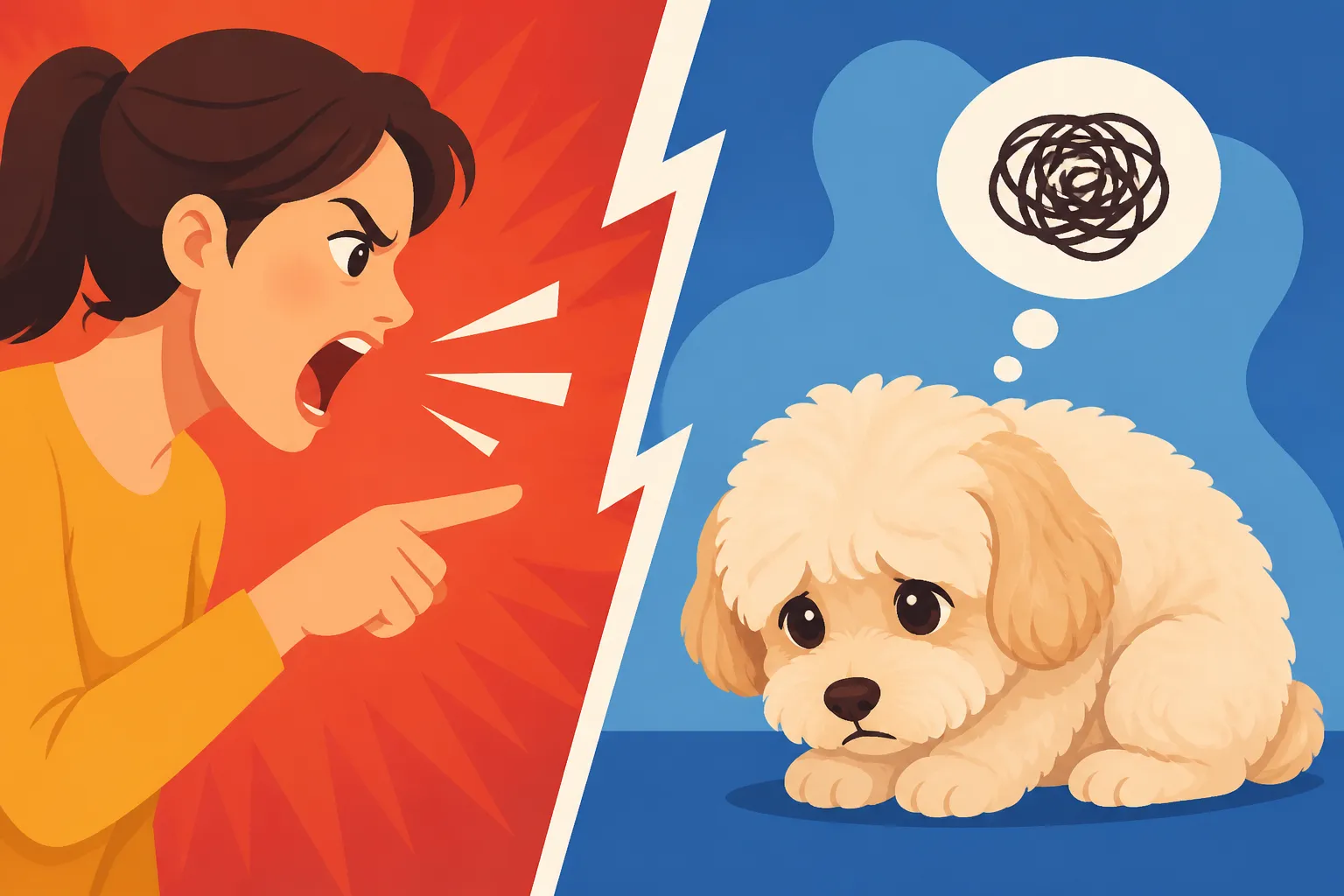
Whether Raising Your Voice Shuts a Maltipoo Down
It's incredibly frustrating when you're trying to communicate with your beloved Maltipoo, and it feels like they're just not listening, or worse, completely shutting down. You might find yourself raising your voice, not out of anger, but out of sheer desperation to get through to them, only to discover it makes things even worse. This guide will delve into why raising your voice can be counterproductive for a sensitive breed like the Maltipoo and offer kinder, more effective ways to build a strong, trusting bond.
The Unique Sensitivity of Your Maltipoo
Maltipoos are truly special little dogs, a wonderful blend of the gentle, affectionate Maltese and the intelligent, often eager-to-please Poodle. But this combination also means they inherit a distinct level of sensitivity. They're not built like a sturdy working breed that can shake off a harsh tone; their world is often experienced with a finer, more delicate filter. Understanding this inherent nature is the first step toward effective communication and a harmonious household.
The Gentle Heart of the Maltese Influence
Think about the Maltese side of your Maltipoo. Maltese dogs were historically companions to royalty, bred for their sweet dispositions and charming presence. They thrive on close human interaction and positive attention. They are not known for their stoicism or their ability to withstand harsh treatment; in fact, they can be quite delicate emotionally. A sharp word or a loud reprimand can be genuinely upsetting to them, causing them to withdraw or become anxious. They want to please you, but fear can quickly override that desire, leaving them confused and scared rather than compliant.
This means your Maltipoo likely carries some of that tender Maltese spirit. They crave gentle reassurance and respond best to a soft, encouraging tone. When you raise your voice, it might feel like a huge, booming sound to their small ears, and their inherent need for peace and closeness can be profoundly disrupted. They might interpret a loud voice as a threat, even if your intention is just to get their attention or express frustration.
The Poodle's Sharp Mind and Delicate Spirit
Then there's the Poodle influence. Poodles are renowned for their intelligence and quick learning abilities. They are incredibly observant and pick up on human emotions and subtle cues with remarkable speed. This makes them highly trainable, but it also means they are finely attuned to their environment and the people within it. A Poodle, even a small Toy Poodle, can be very sensitive to vocal inflection and body language. They want to understand and participate, but if they perceive anger or displeasure, they can become quite anxious or "shut down."
So, your Maltipoo likely has that keen Poodle intellect combined with an equally delicate emotional makeup. They're trying to figure out what you want, and if your voice becomes loud or angry, it can short-circuit their thought process. Instead of focusing on the command, they focus on your tone, which can be overwhelming. They might become hesitant to try new things or even offer behaviors they've already learned because they fear making a mistake that will elicit that harsh sound again. For a dog that genuinely wants to learn and please, this can be incredibly demoralizing.
How a Raised Voice Impacts Your Maltipoo's Behavior
It’s easy to think that if you just speak louder, your Maltipoo will finally "get it." But with such a sensitive breed, the opposite is often true. Raising your voice rarely results in better understanding; instead, it can lead to a host of negative behavioral responses that hinder training and damage the precious bond you share.
The "Shut Down" Response: Fear and Retreat
When you raise your voice at a Maltipoo, their immediate reaction is often to shut down. This isn't defiance; it's a fear response. Imagine a giant person yelling at you in a language you don't fully understand. You'd likely freeze, try to make yourself small, or look for an escape. Your Maltipoo experiences something similar. Their small stature makes your voice seem even more imposing and threatening.
This "shutting down" can manifest in several ways:
- Cowering or Hiding: Your Maltipoo might tuck their tail, lower their head, flatten their ears, or even run and hide under furniture. This is a classic sign of fear and submissiveness.
- Avoidance: They might actively avoid eye contact, turn their head away, or simply walk away from you. This isn't them being disrespectful; it's them trying to de-escalate what they perceive as a confrontational situation.
- Regression in Training: If you're working on a new command and suddenly raise your voice, your Maltipoo might forget everything they just learned. The fear overwhelms their ability to process information. They might even regress on commands they previously mastered.
- Refusal to Engage: A dog that is constantly reprimanded with a loud voice may simply stop offering behaviors altogether. Why try if every attempt could lead to a frightening sound? They literally "shut off" their engagement switch.
This shutdown is particularly common in sensitive breeds. They absorb the energy and tone of their human companions, and a sudden shift to a harsh voice can be incredibly jarring and emotionally unsettling. It can create a barrier rather than a bridge to understanding.
Anxiety and Long-Term Behavioral Issues
The repeated use of a raised voice doesn't just cause momentary fear; it can have lasting negative effects on your Maltipoo's psychological well-being. Chronic exposure to harsh vocalizations can lead to generalized anxiety and other long-term behavioral problems that are much harder to resolve than simply teaching a command.
Consider these potential long-term impacts:
- Generalized Anxiety: A Maltipoo who is frequently exposed to loud, angry voices may become generally anxious. They might startle easily, tremble, pace, or exhibit excessive licking or chewing behaviors as a way to cope with stress. This anxiety can extend beyond interactions with you, making them fearful of other people, sounds, or new environments.
- Fear-Based Aggression: While it might seem counterintuitive, constantly making a dog fearful can eventually lead to fear-based aggression. If your Maltipoo feels continually threatened and has no other way to escape, they might resort to snapping, growling, or even biting as a desperate attempt to protect themselves. This is a last-resort defense mechanism when they've been pushed past their emotional limits and feel cornered.
- Damaged Trust and Bond: Perhaps the most heartbreaking consequence is the erosion of trust. Your Maltipoo looks to you for safety, guidance, and affection. When your voice becomes consistently harsh, that sense of security is undermined. They may become less affectionate, hesitant to approach you, and the strong, loving bond you hoped for will be severely strained. They learn to associate your presence with unpredictable, frightening sounds, rather than comfort.
- Submissive Urination: Some highly sensitive Maltipoos may even begin to urinate submissively when faced with a raised voice or perceived threat. This is an involuntary physiological response to extreme stress and fear, not an intentional act of defiance.
- Over-Arousal and Hyperactivity: In some cases, rather than shutting down, a dog might become over-aroused and frantic when faced with yelling. They might bark excessively, jump, or run around wildly, struggling to process the situation or find an appropriate response. This often indicates a dog who is deeply stressed and unable to regulate their emotions.
It's vital to remember that these behaviors are not a reflection of your Maltipoo's "bad" personality but rather a direct response to how they are being communicated with. A calm, consistent, and positive approach will always yield better, more sustainable results and nurture a happier, more confident dog. If you're seeing signs your dog is shutting down or becoming anxious, you might want to consider Whether a Maltipoo Is Too Soft for Correction and adjust your methods.
| Communication Style | Immediate Maltipoo Response | Long-Term Impact |
|---|---|---|
| Raised Voice | Cowering, hiding, freezing, refusal to engage | Anxiety, fear-based aggression, damaged trust, submissive urination |
| Calm Voice | Attentive, engaged, willing to try, seeks interaction | Confidence, strong bond, eagerness to learn, balanced behavior |
Effective Communication Strategies for Your Maltipoo
So, if raising your voice is out, what's the alternative? The good news is that Maltipoos, with their intelligence and desire to please, respond beautifully to positive, consistent, and calm communication. It might take a bit more patience and intentionality on your part, but the rewards are a confident, well-adjusted dog and a truly joyful relationship.
The Power of Calm, Clear Commands
Imagine trying to learn a new skill while someone is shouting instructions at you. It's overwhelming, right? Your Maltipoo feels the same way. The key to effective communication is to use a calm, consistent, and clear voice.
- Low, Even Tone: Instead of raising your volume, focus on a low, even tone. This naturally sounds less threatening and more authoritative to a dog. A calm voice conveys confidence and control, which helps your Maltipoo feel secure and understand that you are guiding them, not scolding them.
- Short, Distinct Words: Use short, single-word commands like "Sit," "Stay," "Come," "No," or "Off." Avoid long sentences or rambling explanations. Your Maltipoo learns to associate specific sounds with specific actions. Consistency is key here; always use the same word for the same action.
- Body Language Matters: Your physical presence speaks volumes. Stand tall but relaxed, use clear hand signals (which many Poodle-influenced Maltipoos pick up quickly), and avoid leaning over them aggressively. A gentle tap on the leash or a guiding hand can be far more effective than a shout. This is especially true when teaching them things like Teaching a Maltipoo to Come When Called.
- Positive Interrupters: If your Maltipoo is doing something undesirable, instead of yelling "No!", use a sharp, short, neutral sound like a clap or a tongue click to interrupt the behavior. As soon as they stop and look at you, redirect them to an appropriate action and reward that. This teaches them what to do, rather than just what not to do, which avoids the "shut down" effect.
Unleashing the Magic of Positive Reinforcement
Maltipoos, like most dogs, are far more motivated by rewards than by punishment. Positive reinforcement is the cornerstone of effective and humane training, building a dog's confidence and eagerness to learn.
- High-Value Treats: Small, soft, incredibly tasty treats are a game-changer for Maltipoos. Think tiny pieces of cooked chicken, cheese, or specialized training treats available on platforms like Amazon. These are far more enticing than a piece of dry kibble. The moment your Maltipoo performs the desired action, even a tiny step in the right direction, immediately give them a treat and enthusiastic praise.
- Verbal Praise and Affection: Don't underestimate the power of a happy, high-pitched "Good boy!" or "Yes!" combined with a gentle scratch behind the ears or a belly rub. Many Maltipoos live for human approval, and your joyful reaction is a powerful reward. Make sure your praise sounds genuine and enthusiastic, but not overwhelming.
- Clicker Training: For a highly intelligent dog like a Maltipoo, clicker training can be incredibly effective. The clicker creates a precise "marker" for the exact moment they perform the correct behavior, followed immediately by a treat. This clarity helps them understand exactly what they did right. You can find excellent clicker training resources, including comprehensive courses that guide you step-by-step, from reputable platforms like BAXTER & Bella.
- Rewarding Calmness: It’s not just about rewarding specific commands. Reward your Maltipoo for being calm and settled. If they are quietly lying down, offer a gentle pet and a soft "good rest." This encourages them to be a peaceful companion. If you want your Maltipoo to enjoy activities where they need to focus, like Whether a Maltipoo Works for Food or Praise, positive reinforcement is the way to go.
- The "Lure and Reward" Method: To teach new behaviors, you can often "lure" your Maltipoo into position with a treat. For example, to teach "Sit," hold a treat over their head, moving it slowly back towards their tail. As their nose follows, their rear end will naturally drop. The moment their bottom touches the ground, mark with "Yes!" and give the treat.
Remember, the goal is to make training a positive, fun experience for your Maltipoo, fostering a deep desire to engage with you. This builds their confidence and strengthens your bond, turning potential frustrations into opportunities for connection. This positive approach can also be crucial when tackling challenges like Whether a Maltipoo Sulks After Being Told Off, helping them learn without fear.
Rebuilding Trust and Fostering a Confident Maltipoo
If you've realized that your previous communication style might have been too harsh or that your Maltipoo has started to "shut down," don't despair. The good news is that with patience and consistent positive methods, you can absolutely rebuild trust and help your Maltipoo blossom into a confident, happy companion. It's never too late to change your approach.
Starting Fresh with a Gentle Approach
Rebuilding trust often means taking a few steps back and resetting your interactions. You'll need to demonstrate to your Maltipoo, through your actions and tone, that you are a reliable, gentle, and safe presence.
- Observe Their Cues: Start by becoming a keen observer of your Maltipoo's body language. Learn to recognize the subtle signs of stress (lip licking, yawning, looking away, tension in the body, tucked tail) before they escalate to a full "shut down" or fear response. This will help you adjust your approach in the moment. A great resource like the BAXTER & Bella online program can help you learn to read these subtle signals and respond appropriately.
- Short, Positive Interactions: For a while, focus on very short, highly positive training sessions. Think 2-5 minutes at a time, ending on a success. This might mean just practicing a simple "Sit" or "Come" command with enthusiastic praise and treats. The goal is to build a string of positive experiences where they feel successful and rewarded.
- Gentle Handling and Play: Incorporate more gentle play sessions that are initiated by your Maltipoo. Use soft toys and keep the energy light and fun. When you handle them, be deliberate and gentle. Avoid sudden movements or overwhelming hugs, especially if they've become wary of handling. Make every interaction a positive one. This is also important if you have children, as understanding Whether a Maltipoo Is Too Fragile for a Toddler is crucial for both their safety and the dog's comfort.
- Create a Safe Space: Ensure your Maltipoo has a designated "safe space" where they can retreat and feel undisturbed, such as a cozy crate or a bed in a quiet corner. Teach children and other family members that this is their private spot and they should not be bothered there. This gives them a sense of control and security.
- Daily Routine and Predictability: Maltipoos thrive on routine. A predictable schedule for meals, potty breaks, and playtime can significantly reduce anxiety. Knowing what to expect helps them feel more secure and less on edge.
When to Seek Professional Guidance
Sometimes, despite your best efforts, behavioral issues can be complex and deeply ingrained. There's absolutely no shame in seeking professional help; in fact, it's a sign of a responsible and caring pet owner.
- Persistent Fear or Anxiety: If your Maltipoo continues to show significant signs of fear, chronic anxiety, or extreme shyness even after you've implemented positive changes, it's time for professional help. These could be symptoms of a deeper issue that requires expert assessment.
- Aggression: Any signs of aggression – growling, snapping, or biting – should be addressed by a certified professional behaviorist immediately. These behaviors can be dangerous and require specialized understanding and intervention. Do not try to manage aggression solely on your own.
- Sudden Behavioral Changes: If your Maltipoo suddenly develops new, unexplained behavioral issues (e.g., house-soiling after being reliably trained, increased vocalization, destructive chewing), a veterinary check-up is the first step to rule out any underlying medical conditions. Pain or illness can manifest as behavioral changes.
- Lack of Progress: If you've been consistently applying positive training methods for several weeks or months and aren't seeing any improvement, a professional trainer can offer tailored advice, identify subtle issues you might be missing, and provide hands-on guidance. Look for trainers who use positive reinforcement methods and are certified by reputable organizations.
Choosing a professional is an important decision. Ask about their methods, certifications, and experience with small, sensitive breeds like Maltipoos. A good trainer will teach you how to communicate effectively with your dog, empowering you to build a stronger, more confident relationship.
Disclaimer
This article is for general informational purposes only and does not constitute professional advice. Laws, prices and regulations vary by location and change over time. Consult a qualified professional for guidance on your specific situation.