Whether Excitement Wetting Passes in a Maltipoo
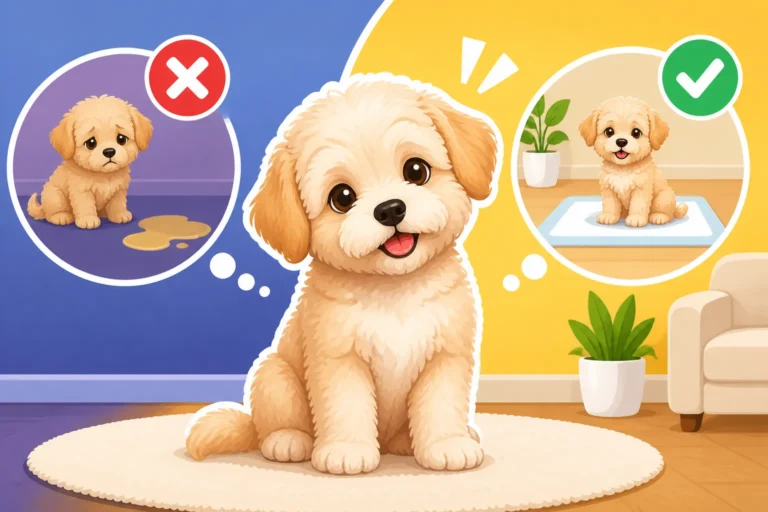
It’s a scenario many Maltipoo parents know all too well: you walk through the door after a long day, your sweet little fluffball greets you with an eruption of joyful wiggles and tiny barks, and then… a little puddle appears on the floor. It’s frustrating, sometimes embarrassing, and leaves you wondering if your adorable Maltipoo will ever truly grow out of this "excitement wetting" phase. This guide is here to validate your struggles and explore what excitement wetting truly is, why it happens, and what practical steps you can take to help your beloved companion move past it.
What Exactly is Excitement Wetting in a Maltipoo?
Let’s be honest, it’s not exactly a pleasant experience, but understanding what’s happening can help you approach it with more patience. Excitement wetting in Maltipoos, and indeed many small breeds, is primarily an involuntary physical response to overstimulation or extreme happiness. It’s not your Maltipoo being naughty or trying to get back at you for leaving them alone; it’s simply their tiny bladder, and often their submissive nature, reacting to a surge of emotion.
The Science (and Emotion) Behind the Puddle
Think about it from your Maltipoo's perspective. When you arrive home, or a new person comes over, or they're engaging in super-fun play, their little world explodes with joy. Their heart rate goes up, their tail wags so hard their whole body wiggles, and their brain is just overwhelmed with happy chemicals. For some dogs, especially those prone to submissive urination, this overwhelming emotion can temporarily override their bladder control. It’s a reflex, much like a human shedding a tear when they're intensely happy or sad. They genuinely can’t help it in that moment. It's often linked to the submissive component where a dog may roll onto its back, tuck its tail, and urinate, signaling "I'm not a threat!" This is why you might notice it more often during highly stimulating greetings or interactions. You might even notice it when they are displaying other submissive behaviors. For more on this, you can look into Whether a Maltipoo Submissively Urinates.
Common Triggers You'll Recognize
You’ve probably already identified some of these, but it helps to see them laid out. The most common triggers for excitement wetting are:
- Greetings: This is the big one. Whether it’s you, a family member, or a friend coming home, the sheer joy can be too much.
- New Visitors: Strangers, even friendly ones, can be incredibly exciting for a Maltipoo, especially if they approach too quickly or make a big fuss.
- Intense Play: Rough-housing, chase games, or even just an extra-lively session with a favorite toy can push them over the edge.
- Sudden Loud Noises or Movements: Sometimes it’s not even positive excitement; a startling noise or sudden movement can also trigger this involuntary response.
- High-Pitched Voices or Excessive Cooing: While well-intentioned, these can sometimes amplify a Maltipoo's excitement to an unmanageable level.
It's important to differentiate this from other potty issues. Excitement wetting usually happens in the moment of peak emotion, often accompanied by other signs of extreme joy or submission like tail tucking, crouching, or full-body wiggles. It's not usually a deliberate "accident" or a sign of poor housetraining, though it can certainly feel like one.
Practical Strategies to Help Your Maltipoo Outgrow Excitement Wetting
The good news is that for many Maltipoos, excitement wetting does diminish with age and consistent management. It’s not something you just have to live with forever, though it requires patience and a proactive approach. The key is to manage the environment and your reactions to prevent those overwhelming surges of emotion that trigger the wetting.
Mastering the Art of the "Calm" Greeting
This is perhaps the most impactful strategy. As much as you want to rush in and shower your Maltipoo with affection after being apart, that’s exactly what amplifies their excitement. Instead, try this:
- Ignore the initial burst: When you first come home, walk in calmly, avoid eye contact, and don't speak to your Maltipoo immediately. Put your keys down, take off your coat – act as if their ecstatic greeting is completely normal and not particularly interesting.
- Wait for calm: Wait until your Maltipoo has settled down a bit, maybe sitting or lying calmly, before you engage.
- Low-key interaction: When you do interact, keep your voice low and calm. Offer gentle pets, perhaps a quick scratch behind the ears, rather than enthusiastic belly rubs and high-pitched baby talk. The goal is to acknowledge them without escalating their emotional state.
- Pre-emptive Potty Break: Before you know there will be an exciting event, like visitors arriving or a new person coming over, take your Maltipoo outside for a quick potty break. A quick run around the yard can often empty their bladder, minimizing the amount of liquid available if an accident does occur.
This approach teaches your Maltipoo that calm behavior earns your attention, not frenzied excitement. It reconditions their expectation of your arrival.
Managing Interactions with Others and Playtime
The calm greeting applies to everyone in the household, and especially to visitors. Instruct guests to follow the same calm greeting protocol. If your Maltipoo tends to wet when meeting new people, consider these steps:
- Outside Introductions: If possible, have new visitors meet your Maltipoo outside first, where an accident is less impactful. Keep the interaction brief and calm.
- Controlled Entry: When visitors enter the house, your Maltipoo should ideally be on a leash or in a designated calm spot (like their crate or a playpen) until they’ve had a chance to settle.
- No Direct Eye Contact/Reaching: Ask visitors not to lean over, make direct eye contact, or reach for your Maltipoo initially. Let your Maltipoo approach them when ready, again, in a calm manner.
- Short Play Sessions: If intense play triggers wetting, break up playtime into shorter, less frenzied sessions. Focus on quieter games or training exercises that engage their mind without over-exciting them. Remember that Maltipoos often have a shorter attention span for intense training, so keep it fun and engaging. How Long a Maltipoo Works Before It Wanders Off can offer some perspective on this. Short, positive training sessions can be incredibly effective for Maltipoos, as explored in Whether Short Sessions Suit a Maltipoo. Using positive reinforcement during these sessions can help build confidence and a sense of calm.
The Role of Training and Confidence Building
Consistent training, especially positive reinforcement, can do wonders for your Maltipoo's overall confidence, which in turn can help reduce submissive and excitement wetting. Basic obedience like "sit," "stay," and "come" gives them a job and helps them understand what’s expected.
Consider enrolling in an online puppy training program. Resources like BAXTER & Bella offer comprehensive online training that can be done at home, providing structured lessons to build good habits and confidence without the overstimulation of an in-person class, which might be too much for a dog prone to excitement wetting. These programs often emphasize positive reinforcement, which is crucial for sensitive Maltipoos.
Also, ensure you have appropriate cleaning supplies on hand. Even with the best intentions, accidents happen. Having an enzymatic cleaner, readily available on platforms like Amazon, is essential for truly eliminating odors and discouraging repeat accidents. This is vital in Cleaning Up So a Maltipoo Does Not Return to the Spot.
When Excitement Wetting Might Be More Than Just a Puppy Phase
While excitement wetting is common, especially in puppies, it's essential to know when to consider professional help or rule out other issues. If your Maltipoo is older (past a year or so) and still consistently having accidents triggered by excitement, or if you notice other symptoms, it's time for a vet visit.
Age and Persistence
Most puppies outgrow excitement wetting by the time they are six to twelve months old. Their bladder control matures, and they learn to manage their emotions better. If your Maltipoo is well past this age and still frequently wetting themselves due to excitement, it’s worth investigating further. It might just be a lingering habit that requires more diligent management, but it could also signal something else. How Many Months Before a Maltipoo Stops Having Accidents can give you a better idea of typical timelines.
Ruling Out Medical Causes
Any time a dog is having frequent or unusual urination issues, a trip to the veterinarian is non-negotiable. It’s always best to rule out underlying medical conditions before assuming it’s purely behavioral. Your vet will perform a thorough examination, which may include urinalysis to check for:
- Urinary Tract Infections (UTIs): These are very common and can cause frequent, uncontrollable urination. A UTI can make it impossible for your Maltipoo to hold their bladder, regardless of excitement. For more on this, see Whether a Urinary Infection Explains a Maltipoo's Accidents.
- Bladder Stones: These can irritate the bladder and lead to increased urination.
- Kidney Issues or Diabetes: Less common in young dogs, but still possibilities.
- Weak Bladder Sphincter: Some dogs simply have a weaker bladder sphincter, which can be exacerbated by excitement.
- Other anatomical abnormalities.
Your vet might also suggest a broader health check, as discussed in The Yearly Checks a Maltipoo Should Get, especially if there are other subtle changes in their behavior or health.
Distinguishing Excitement Wetting from Other Issues
It can be tricky to tell the difference, so here’s a quick guide:
| Feature | Excitement Wetting | Submissive Urination (distinct from excitement) | Medical Issue (e.g., UTI) |
|---|---|---|---|
| Trigger | Overwhelming joy, greeting, play | Fear, intimidation, scolding, perceived threat | No specific trigger, constant urge |
| Body Language | Wiggling, tail wagging, crouching, sometimes rolling | Crouching, tail tucked, averting gaze, rolling | Normal, but dog may strain, lick excessively |
| Volume of Urine | Usually small to moderate puddle | Often a small dribble | Varies, can be large volumes, or frequent small amounts |
| Age Common | Puppies, young dogs | Puppies, sensitive dogs | Any age |
| Smell/Appearance | Normal urine | Normal urine | Can be strong, cloudy, bloody (depending on condition) |
| Response to Management | Improves with calm greetings, age | Improves with confidence building, no punishment | Requires vet treatment, medication |
If your Maltipoo’s urination doesn’t fit the typical excitement wetting pattern, or if it’s accompanied by straining, increased frequency outside of exciting moments, or changes in urine appearance, consult your vet promptly.
Cultivating Patience and Consistency for Long-Term Success
Helping your Maltipoo overcome excitement wetting is a marathon, not a sprint. There will be good days and bad days, and that’s perfectly normal. Your consistency and patience are the most powerful tools you have.
Embracing the Journey
It’s easy to get frustrated when you feel like you’ve taken two steps forward, only to have a big puddle set you back. Remind yourself that your Maltipoo isn't doing this on purpose. Every time you react calmly to an accident and diligently clean it up, you're reinforcing the right message. The goal isn't immediate perfection, but gradual improvement. Celebrate the small victories – the times your Maltipoo managed to keep it together during a greeting, or when a new person visited without incident.
Establishing a solid daily routine with consistent potty breaks can also work wonders. Maltipoos thrive on predictability, and knowing when to expect their next outdoor opportunity can help them hold it for longer and feel more secure. This also includes regular feeding schedules to help predict potty times.
The Power of Positive Reinforcement (and Avoiding Punishment)
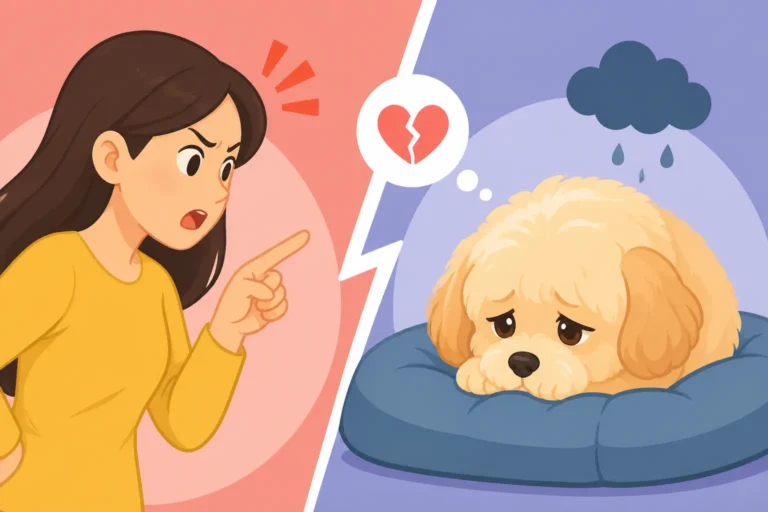
Punishing your Maltipoo for excitement wetting will almost always backfire. It can increase their anxiety, making them even more likely to urinate submissively out of fear, rather than out of pure excitement. It can also teach them to hide their accidents from you, making housetraining even harder.
Instead, focus on rewarding the desired behavior. When your Maltipoo greets you or visitors calmly, offer praise and a small, healthy treat. When they successfully go potty outside, throw a mini celebration. If an accident happens, clean it up without fanfare or scolding. Your calm, matter-of-fact approach will teach them more effectively than anger ever could. Consistent training, perhaps with a structured program like those offered by BAXTER & Bella, will help reinforce desirable behaviors and build their confidence. Remember, many useful training tools and cleanup supplies, like enzymatic cleaners and training treats, can be found readily on Amazon.
By understanding the root causes, implementing calm management strategies, ruling out medical concerns, and approaching the situation with kindness and consistency, you can absolutely help your Maltipoo navigate and eventually outgrow their excitement wetting. It takes time, but the bond you build through this process will be worth every effort.
Disclaimer
This article is for general informational purposes only and does not constitute professional advice. Laws, prices and regulations vary by location and change over time. Consult a qualified professional for guidance on your specific situation.