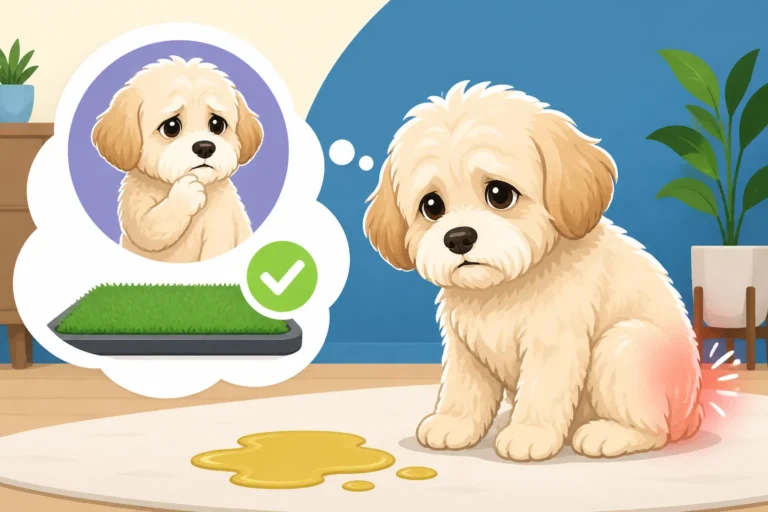
Whether a Mill Bred Maltipoo Can Be House Trained
Bringing a Maltipoo from a mill background into your home is an act of incredible compassion, but let's be honest, it often comes with a unique set of challenges. One of the biggest hurdles many new owners face is house training, and it can feel incredibly frustrating when your sweet new companion seems to struggle so much with basic potty habits. This guide aims to shed light on why house training a mill-bred Maltipoo can be particularly difficult and, more importantly, to arm you with realistic expectations and actionable strategies to help your dog succeed.
The Unique Challenges of House Training a Mill-Bred Maltipoo
When you welcome a Maltipoo from a less-than-ideal start, whether it's directly from a rescue that seized them from a mill or an older dog whose origins point to such a place, you're not just getting a dog; you're often bringing home a complex history. These environments are fundamentally different from a loving, clean home where puppies learn appropriate bathroom habits from their mothers and breeders. This past deeply impacts their understanding of house training, making it a much longer and more nuanced journey than with a well-socialized pup.
Understanding the Mill Environment's Impact
Imagine growing up in a place where your living space is constantly soiled. For dogs in puppy mills, cleanliness is not a priority. They often live in cramped, unsanitary conditions, often in wire-bottomed cages, where urine and feces fall through or simply accumulate. This creates a critical problem for house training: dogs, by instinct, prefer to keep their sleeping and eating areas clean. When forced to live in their own waste, this instinct is broken. They never learn that there’s a separate, "clean" place for going to the bathroom. Instead, they learn to eliminate wherever they are, because they have no other choice.
This lack of early training and appropriate conditions means your mill-bred Maltipoo likely has no concept of "holding it" or differentiating between indoor and outdoor spaces for elimination. They've been conditioned to relieve themselves instantly and wherever they stand. This isn't stubbornness; it's a learned behavior ingrained from birth. It takes time, patience, and a very structured approach to help them unlearn this deeply rooted habit and establish new, positive associations with designated potty spots.
Overcoming a Lack of Early Socialization and Structure
Beyond the physical environment, mill-bred Maltipoos often miss out on crucial early socialization experiences that contribute to a well-adjusted dog. This includes exposure to different sights, sounds, people, and surfaces – including grass, dirt, or concrete, which are typically where dogs are encouraged to relieve themselves. If a puppy has spent its formative weeks in a small, enclosed, unsanitary space, the sensation of grass under their paws, the vastness of a yard, or even the feeling of rain can be utterly foreign and frightening.
This lack of positive exposure can translate into fear or hesitancy when you try to take them outside for potty breaks. They might freeze, refuse to walk, or simply be too overwhelmed by the outdoor world to focus on eliminating. This isn't defiance; it's often genuine anxiety. They haven't learned to associate the outdoors with relief and freedom; instead, it might be a new, scary place. Building their confidence in the world around them becomes an integral part of the house training process. Remember, many of these dogs have never truly experienced the world beyond their cage.
The Emotional Toll on a Mill-Bred Dog
The psychological impact of a mill environment is profound and often manifests as anxiety, fear, or a general lack of confidence. These dogs have often experienced little to no positive human interaction and may view people as threats or simply irrelevant. When a dog is anxious, house training becomes even more challenging. Stress can lead to increased urination, submissive urination, or even marking indoors as a way to cope with overwhelming feelings.
Imagine trying to learn a new skill when you're constantly on edge. It's incredibly difficult. Your Maltipoo might be so fearful that they can't relax enough to do their business outside, rushing back inside to relieve themselves in a "safe" (familiar) spot. This isn't them trying to spite you; it's a symptom of their past trauma. Understanding this emotional fragility is key to approaching house training with the empathy and gentle encouragement these dogs desperately need. It's less about "training" and more about slowly building trust and security. If you're struggling to understand the full picture, reading posts like Fostering a Maltipoo Out of a Mill Seizure can offer deeper insight into their background.
A Realistic Approach to House Training: Setting Expectations and Strategy
House training a mill-bred Maltipoo won't be a quick fix. It requires immense dedication, but it is absolutely achievable. The most important thing you can do is adjust your expectations. Forget the timelines you might have heard for other puppies; this is a marathon, not a sprint. Your strategy needs to be consistent, gentle, and utterly committed to showing your Maltipoo a new way of life.
Patience, Consistency, and a Positive Mindset
The mantra for house training a mill-bred Maltipoo should be "patience, patience, patience." There will be accidents, there will be days where you feel like you're going backward, and there will be moments of pure frustration. It's vital to remember that your dog is not doing this to annoy you. They are learning a completely new paradigm, one that goes against everything they've known. Getting angry or punishing them will only heighten their anxiety and set back the training process significantly. Remember Whether Punishment Sets a Maltipoo Back can highlight why this approach is counterproductive.
Instead, focus entirely on positive reinforcement. When your Maltipoo eliminates in the right spot, celebrate like they've just won the lottery! Use enthusiastic praise, high-value treats, and a happy voice. This teaches them that going potty outside is a wonderful thing that makes you happy. Consistency is equally crucial. Everyone in the household needs to be on the same page with the schedule, the rewards, and the handling of accidents. A united front helps your Maltipoo feel secure and understand the new rules faster.
Establishing a Strict Schedule and Routine
A strict, predictable schedule is your most powerful tool. Mill-bred dogs thrive on routine because it provides a sense of security and helps them anticipate what comes next. You need to take your Maltipoo out much more frequently than you might think necessary. Think of it as preventing accidents rather than reacting to them.
Here’s a sample schedule to consider:
| Time of Day | Action | Notes |
|---|---|---|
| First thing in AM | Immediate potty break | Carry your Maltipoo outside directly from their sleeping area. Don't let their feet hit the floor indoors until they're outside. |
| After waking | Potty break | Every time they wake from a nap, take them out. |
| After eating | Potty break (within 5-15 mins) | Digestion stimulates elimination. This is critical. Consider How Many Ounces a Four Pound Maltipoo Eats and feed on a schedule to help predict potty times. |
| After drinking | Potty break (within 10-20 mins) | Similarly, after a drink, they'll likely need to go soon. |
| After play/excitement | Potty break | Intense play or moments of excitement can stimulate the urge to go. |
| Before bedtime | Last potty break before settling for the night | Make sure this is a calm, dedicated potty trip. Consider How Long a Maltipoo Puppy Holds It Overnight for guidance, but expect shorter holds initially for a mill-bred dog. |
| Hourly (or more) | Potty break, especially when unsupervised | For the initial weeks, aim for hourly trips, or even more frequently if your Maltipoo is small or prone to accidents. Small dogs, especially Maltipoos, have tiny bladders. You might want to review How Often a Maltipoo Puppy Needs Taking Out to get a clear picture of frequency needs. |
Always go to the exact same spot outside if possible. This helps them build an association. When they go, give the jackpot reward – a super special treat and lots of praise. If they don't go within 5-10 minutes, bring them back inside, confine them, and try again in 10-15 minutes. Do not let them wander freely if they haven't pottied.
Tools and Techniques to Aid the Process
There are several tools that can make this journey a bit smoother.
- Crate Training: A properly sized crate can be a lifesaver. Dogs generally don't want to soil their sleeping area, so a crate, when used correctly, can teach them to hold their bladder. The key is "properly sized" – just big enough for them to stand up, turn around, and lie down comfortably. If it's too big, they'll use one end as a bathroom. You might find guidance in What Size Crate Suits a Maltipoo Puppy and Whether Crate Training Speeds a Maltipoo Up. Introduce the crate slowly and positively, making it a safe, comfortable den, not a punishment.
- Playpens: For times when you can't actively supervise (which should be most of the time when house training), a playpen can provide a larger, safe area. Some owners successfully use playpens with a designated potty area (like a grass pad) if outdoor access is challenging or if the dog is too scared to go outside at first. Whether a Playpen Beats a Crate for a Maltipoo offers insights into this.
- High-Value Treats: Forget the everyday kibble. For house training, you need something irresistible – tiny pieces of cooked chicken, cheese, or specialized training treats. These treats should only be given immediately after they go potty outside.
- Enzymatic Cleaners: Accidents will happen. When they do, clean them thoroughly with an enzymatic cleaner (brands like Nature's Miracle or Rocco & Roxie are popular on Amazon). This neutralizes the odor, preventing your Maltipoo from being attracted back to the same spot. This is crucial as Cleaning Up So a Maltipoo Does Not Return to the Spot explains.
- Harness and Leash: Even in a fenced yard, keep your Maltipoo on a leash during potty breaks. This keeps them focused on the task at hand and prevents them from getting distracted or running off to play before they've done their business.
Remember, the goal is to set your Maltipoo up for success, not failure. Limit opportunities for accidents indoors by keeping them confined or closely supervised.
Common Roadblocks and How to Navigate Them
Even with the best intentions and a strict routine, you’re likely to encounter some bumps along the road when house training a mill-bred Maltipoo. These aren't signs of failure, but rather opportunities to adjust your approach and reinforce your commitment.
Dealing with "Accidents" and Relapses
Accidents are inevitable, especially with a dog that has never learned proper potty etiquette. When one happens, the absolute worst thing you can do is scold or punish your Maltipoo. This will only teach them to hide their accidents from you or become more fearful, making the problem worse. If you catch them in the act, a sharp, neutral "No!" or "Outside!" and immediately scooping them up (without being scary) to take them to their designated spot can work. If they finish outside, reward heavily.
However, if you find an accident after the fact, simply clean it up with an enzymatic cleaner and resolve to be more vigilant. Don't rub their nose in it or point and shame them. They won't understand why you're upset, only that you are upset, which erodes trust. Relapses, even after weeks or months of good behavior, can occur. This often signals a slight decrease in consistency on your part, a change in routine, or sometimes, a medical issue. If an older Maltipoo suddenly starts having accidents, it's wise to rule out a urinary tract infection or other health concerns with your vet. Whether an Older Maltipoo Starts Having Accidents or Whether a Urinary Infection Explains a Maltipoo's Accidents can offer more context. Just reset, go back to basics with the strict schedule, and reinforce heavily.
Addressing Fear and Anxiety During Potty Breaks
Many mill-bred Maltipoos are incredibly timid, and the big, wide world outside can be overwhelming. They might be afraid of loud noises, strange smells, other dogs, or even the wind. This fear can paralyze them, making it impossible for them to relax enough to go potty. If your Maltipoo exhibits this, you need to create a sense of safety and calm.
Try to find a quiet, secluded spot in your yard or a nearby patch of grass where there aren't many distractions. Go out at quieter times of day. Instead of rushing, stand still with them on a leash. Don't pull them around or try to force them. Talk to them in a calm, soothing voice. If they just stand there trembling, it's okay. Slowly, they will start to explore. Praise any small sign of comfort or sniffing. Bringing a favorite blanket or toy from indoors to the potty spot can sometimes create a familiar scent anchor. It’s all about building positive associations with the outdoors. Some people even use a secure, covered outdoor potty area or a special "potty patch" on their balcony to ease the transition for very anxious dogs. Remember, for some, Whether a Maltipoo Can Use Both Indoors and Out might be a necessary, albeit temporary, solution.
Seeking Professional Help When Needed
There's no shame in admitting you need help. House training a mill-bred Maltipoo is one of the most challenging aspects of dog ownership. If you're feeling overwhelmed, frustrated, or simply not making progress, consider reaching out to a certified professional dog trainer or a veterinary behaviorist. They can assess your specific situation, observe your Maltipoo's behavior, and provide tailored strategies.
Many trainers specialize in working with fearful or traumatized rescue dogs. They can offer invaluable guidance on building confidence, managing anxiety, and refining your house training techniques. Online resources like BAXTER & Bella also offer comprehensive training programs and support that can be adapted for challenging cases, providing structured lessons and community advice. Sometimes, a fresh perspective and expert eye can make all the difference, giving you the tools and confidence to continue.
Celebrating Small Victories and Long-Term Success
The journey of house training a mill-bred Maltipoo is often long, but it is incredibly rewarding. Every step forward, no matter how small, is a testament to your dedication and your dog's resilience.
Recognizing Progress, No Matter How Small
It's easy to get discouraged when you're focused on the ultimate goal and ignore the tiny wins along the way. Did your Maltipoo finally sniff around for more than two seconds before bolting back inside? That's progress! Did they pee outside, even if they pooped indoors later? That's a victory! Did they go three hours without an accident, when it used to be one? Celebrate it!
Keep a potty log. Seriously. Note down every successful outdoor elimination and every indoor accident. Over time, you'll see patterns, and more importantly, you'll see the trend moving in the right direction, even if there are occasional setbacks. This visual representation of progress can be a huge morale booster for you. Acknowledging these small achievements reinforces your positive connection with your Maltipoo and keeps you motivated.
Maintaining Consistency for Lasting Habits
Even after your mill-bred Maltipoo seems fully house trained, consistency remains paramount. Their past means they don't have the same ingrained habits as a conventionally raised puppy. Any significant change in routine, a new stressor, or a period of lax supervision can potentially trigger a regression.
Continue to offer frequent outdoor opportunities, especially after waking, eating, and playing. Stick to your established schedule as much as possible. Maintain the positive reinforcement for outdoor eliminations, even if it's less enthusiastic than in the early days. Remember, for many mill-bred dogs, complete and utter reliability can take a year or even longer. Your unwavering commitment is the foundation of their long-term success and well-being. You're not just house training a dog; you're patiently rebuilding their world and teaching them to trust.
Disclaimer
This article is for general informational purposes only and does not constitute professional advice. Laws, prices and regulations vary by location and change over time. Consult a qualified professional for guidance on your specific situation.