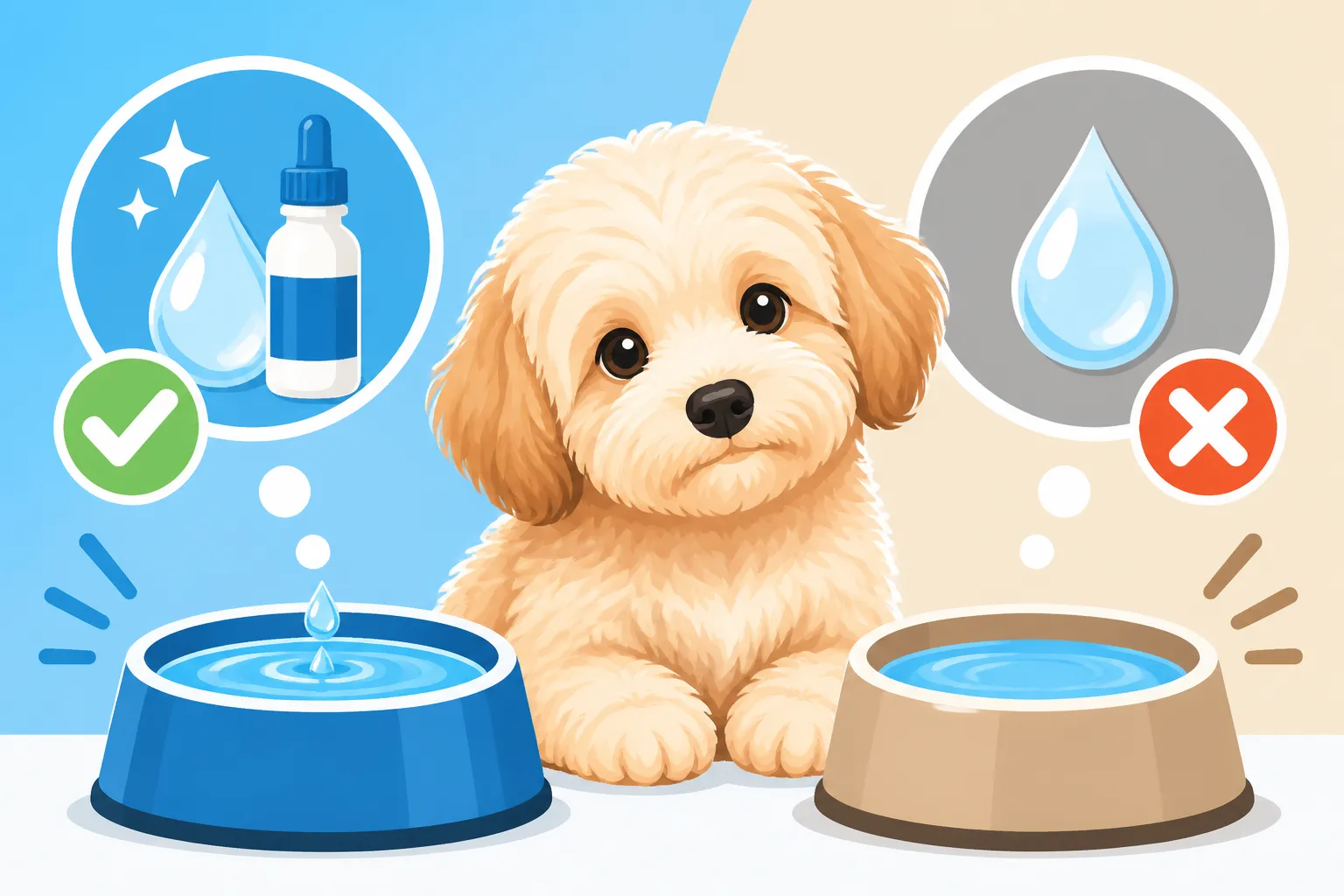
Whether Water Additives Help a Maltipoo
Oh, the daily struggle of keeping our precious Maltipoo's teeth clean and their breath smelling fresh! If you're anything like me, you've probably tried everything under the sun, from wrestling a tiny toothbrush into a tinier mouth to offering every dental chew known to dog-kind. It's frustrating when you're doing your best, but those pearly whites still seem to be gathering gunk. This guide is here to dive deep into one potential tool in our dental arsenal: water additives, and whether they can genuinely make a difference for your furry best friend.
The Daily Dental Battle for Your Maltipoo
Let's be honest, few things are as universally dreaded by small dog owners as dental care. It's not just about vanity; it's about genuine health. And for Maltipoos, this battle often feels uphill. We love their adorable little faces and compact size, but these very traits can unfortunately predispose them to a host of oral health challenges.
Why Maltipoos Are Prone to Dental Issues
One of the biggest reasons our Maltipoos often struggle with dental health is simply the architecture of their mouths. They have a full set of 42 adult teeth, just like much larger dogs, but these teeth are packed into a much smaller jaw. Imagine trying to fit all your furniture into a studio apartment – it's crowded, things rub together, and it's hard to get into all the nooks and crannies to clean. That's what's happening inside your Maltipoo's mouth. This crowding leads to an increased likelihood of food particles getting trapped between teeth, creating ideal breeding grounds for plaque and tartar. The Maltese parent's genetic predisposition to early dental disease, combined with the Poodle's often tight bite, means many Maltipoos are fighting an uphill battle from the start.
Beyond the sheer lack of space, the very nature of their diet can contribute. Unlike their wild ancestors who tore at raw meat and bones, modern domestic dogs, especially small breeds, primarily eat kibble that often doesn't provide enough abrasive action to naturally clean teeth. The softer foods can stick to teeth more readily, compounding the problem. It's a frustrating reality to face, knowing you're providing good food but it might inadvertently be contributing to dental issues. This is why you'll often hear us talking about The Forty Two Teeth Crowding a Maltipoo's Jaw and the unique challenges it presents. It's not just a minor inconvenience; it can lead to pain, infection, and even systemic health problems down the line.
The Limitations of Brushing Alone
Now, if you're a diligent Maltipoo parent, you know the gold standard for dental care is daily brushing. And bless your heart, if you're doing that, you're already leaps and bounds ahead of many! But let's be realistic: daily brushing, getting every single surface of every single tooth, can be a monumental task. Our little ones aren't always thrilled about having a brush in their mouths, especially if they weren't introduced to it as tiny puppies. Some days, life gets in the way. You're rushing out the door, your Maltipoo is wiggling, and you manage a quick swipe or two, feeling a pang of guilt that it wasn't a thorough job.
Even with the best intentions and the most cooperative Maltipoo, brushing can miss spots. The back molars, the inner surfaces of the teeth, or those tightly packed incisors can be incredibly hard to reach effectively. A tiny dog's mouth doesn't offer much maneuvering room for even the smallest dog toothbrush. This is where the frustration really sets in; you're putting in the effort, but you know it might not be enough. So, while we always advocate for trying your best to establish a routine of Brushing a Maltipoo's Teeth Every Single Day, it's also important to acknowledge that it's often not a complete solution, and many of us are looking for supplementary methods to bridge that gap. We want to do everything we can to avoid painful dental extractions for our furry friends.
Understanding Dental Water Additives
Given the challenges of traditional dental care, it's no wonder that many of us Maltipoo owners start looking for alternatives or supplements. This is where dental water additives often come into the picture, promising an easier way to support oral hygiene. But what are these mysterious liquids, and how are they supposed to help?
What Exactly Are They?
Dental water additives are essentially liquid formulas designed to be mixed into your dog's regular drinking water. The idea is simple: every time your Maltipoo takes a sip, they're also getting a dose of ingredients intended to combat plaque and bacteria in their mouth. Think of it like a mouthwash for your dog, but one that they consume throughout the day with their hydration. They come in various formulations, often clear or slightly tinted, and are usually flavorless or have a very subtle taste to avoid deterring your pup from drinking.
These additives typically contain a blend of active ingredients chosen for their oral health benefits. Common components include antiseptics like chlorhexidine, which helps reduce bacteria; zinc compounds, known for their ability to neutralize bad breath and inhibit plaque formation; and sometimes natural enzymes that can break down the biofilm where plaque starts. The manufacturers often highlight how easy they are to use – just add a measured amount to the water bowl daily – making them an appealing option for busy pet parents or those with a brushing-resistant Maltipoo. The convenience factor is undoubtedly a huge draw, offering a less invasive way to tackle a persistent problem.
How They Claim to Work
The marketing for dental water additives often makes bold claims, but the science behind them focuses on a few key mechanisms. Fundamentally, they are designed to reduce the bacterial load in your Maltipoo's mouth. Bacteria are the primary culprits behind plaque formation, gum inflammation, and eventually, bad breath. By introducing antibacterial or enzyme-boosting agents into the mouth via drinking water, these additives aim to disrupt the growth of these harmful microorganisms.
Many additives work by inhibiting the ability of bacteria to adhere to tooth surfaces, making it harder for plaque to form and build up. Others contain ingredients that neutralize the volatile sulfur compounds responsible for halitosis (bad breath), offering that sought-after fresh smell. Enzymatic formulas often contain enzymes that specifically target the components of plaque, essentially breaking it down before it can harden into tartar. It's crucial to understand, however, that these products are primarily preventative. They are excellent at reducing the buildup of new plaque and bacteria, but they are not effective at removing existing, hardened tartar. For that, your Maltipoo will still need a professional dental cleaning under anesthesia. They're a valuable tool for maintenance, but not a magic bullet to reverse advanced dental disease.
Types of Water Additives and Their Ingredients
The world of dental water additives isn't a one-size-fits-all solution. Just like human oral care, there are different formulations tailored to specific needs or preferences. Understanding the main types and their ingredients can help you make a more informed decision for your Maltipoo.
Antiseptic vs. Enzymatic Additives
When you browse the dental aisle (or more likely, a large online pet retailer like Chewy or Amazon), you'll primarily encounter two main categories of water additives: antiseptic and enzymatic. Each has its own approach to tackling oral bacteria and plaque.
Antiseptic Additives: These products typically rely on ingredients like chlorhexidine gluconate or cetylpyridinium chloride (CPC). Chlorhexidine is a well-known antimicrobial agent often used in veterinary dental rinses and gels. In water additives, it's present in much lower concentrations to be safe for daily ingestion. The idea is that these agents will kill or inhibit the growth of bacteria in the mouth, thereby reducing the formation of plaque and improving breath. The primary benefit is their direct attack on oral pathogens. However, some dogs might be sensitive to the taste of chlorhexidine, and in higher concentrations, it can sometimes cause temporary tooth staining (though this is less common with the diluted amounts found in water additives). Still, it's something to be aware of, especially for our white-coated Maltipoos.
Enzymatic Additives: These formulations take a different route, focusing on strengthening the mouth's natural defenses. They often contain enzymes, such as glucose oxidase or lactoperoxidase, which work to break down the biofilm where bacteria thrive and neutralize the compounds that contribute to bad breath. Instead of directly killing bacteria, they create an environment less hospitable for plaque development. The advantage here is that they tend to be very gentle and have less impact on a dog's taste perception, making them a good choice for picky drinkers. They support the mouth's natural processes, making them a more indirect but often very effective method. Many enzymatic products are designed to be quite palatable, which is a huge plus when you have a discerning Maltipoo.
Natural and Herbal Options
Beyond the more conventional antiseptic and enzymatic additives, you'll also find a growing number of "natural" or "herbal" water additives on the market. These products often appeal to owners who prefer to avoid synthetic chemicals and are looking for gentler alternatives. Common ingredients in these natural formulations might include green tea extract, peppermint oil, clove oil, or other plant-derived compounds.
The premise behind these natural options is that certain botanicals have antimicrobial, anti-inflammatory, or breath-freshening properties. For example, green tea extract is sometimes included for its antioxidant benefits and potential to inhibit bacterial growth. Peppermint or spearmint oils are typically added for their strong, pleasant aroma, which helps mask bad breath. While the idea of a natural approach is certainly appealing, it's important to approach these products with a critical eye. The efficacy of many herbal ingredients for canine dental health hasn't always been as rigorously studied or scientifically validated as some of their pharmaceutical counterparts. Always check the ingredient list carefully, and if using essential oils, ensure they are dog-safe and appropriately diluted. Some essential oils can be toxic to dogs, even in small amounts, so research is key. When considering these options, particularly from sites like Chewy or Amazon, make sure to look for reviews and, most importantly, discuss them with your veterinarian to ensure they are safe and appropriate for your Maltipoo. While the appeal of "natural" is strong, safety and proven effectiveness should always be your top priorities.
The Benefits and Drawbacks of Using Water Additives
Choosing to incorporate a dental water additive into your Maltipoo's routine isn't a decision to be made lightly. While they offer undeniable convenience, it's important to weigh the potential advantages against the potential concerns to see if they're truly a good fit for your dog and your lifestyle.
Potential Advantages for Maltipoo Owners
Let's start with the good stuff, because there are definitely some compelling reasons why Maltipoo owners turn to water additives. First and foremost is the incredible ease of use. We're talking about a "set it and forget it" solution, almost. You simply measure the recommended amount and add it to your dog's water bowl each day. No struggling with a squirming pup, no chasing them around the house with a toothbrush. For busy individuals, or those with dogs who are particularly resistant to having their mouths handled, this convenience is a huge relief. It removes a significant barrier to consistent dental care.
Secondly, water additives can reach areas brushing might miss. As we discussed, a Maltipoo's crowded mouth makes it incredibly difficult to brush every single surface of every tooth. The water additive, being ingested, theoretically comes into contact with all oral surfaces, including the often-neglected inner sides of teeth and deep gum lines. This can offer a more comprehensive approach than brushing alone, acting as an extra layer of protection. Finally, and perhaps most immediately noticeable for owners, is the fresher breath. If you've ever been on the receiving end of a Maltipoo's enthusiastic, but undeniably stinky, kiss, you know this benefit alone can be a game-changer. By reducing oral bacteria, these additives can significantly diminish that dreaded "dog breath." It's important to view them as complementary to brushing, not a replacement. Think of them as part of a multi-pronged attack on plaque, working alongside good daily habits and regular veterinary check-ups. They are an extra layer of defense that can really help maintain oral health between professional cleanings.
Important Considerations and Potential Concerns
While the benefits are appealing, it's crucial to look at the other side of the coin. Water additives aren't without their potential drawbacks, and these are especially important to consider for sensitive little Maltipoos. The biggest concern often revolves around taste aversion. Our Maltipoos can be notoriously picky, and even a subtle change in their water can sometimes be enough to make them refuse to drink. If your dog isn't drinking enough water, that's a much bigger health concern than a little bit of plaque. You might find yourself adding the additive, only to discover your Maltipoo suddenly views their water bowl with suspicion. This is why a gradual introduction, starting with a very small amount, is often recommended.
Another critical point is that water additives are not a substitute for professional dental care or regular brushing. I cannot stress this enough. They are a supplement, an aid, but they won't fix existing tartar buildup or severe gum disease. If your Maltipoo already has significant plaque, tartar, or red, inflamed gums, a water additive isn't going to reverse that. You'll still need that veterinary intervention to get their mouth healthy. Furthermore, some dogs, particularly those with sensitive stomachs, might experience gastrointestinal upset such as mild diarrhea or vomiting if the additive doesn't agree with them. This is why careful monitoring after introduction is essential. Lastly, the cost over time can add up. While a single bottle might seem inexpensive, consistent daily use for years can become a significant line item in your budget, especially when you factor in all the other expenses of caring for a Maltipoo. It's a calculation worth making, especially when you consider that a full dental cleaning can be a considerable expense, as detailed in articles like What a Routine Maltipoo Dental Runs. Weighing up preventative costs versus potential treatment costs is part of responsible pet ownership.
How to Choose and Introduce a Water Additive to Your Maltipoo
So, you've weighed the pros and cons, and you think a dental water additive might be a good fit for your Maltipoo. Great! But with so many options out there, how do you pick the right one, and more importantly, how do you introduce it without turning your pup into a water-strike protester?
What to Look for in a Product
When you're staring at the rows of bottles, it can feel overwhelming. My number one piece of advice is to look for products that carry the Veterinary Oral Health Council (VOHC) seal of acceptance. This seal is a strong indicator that the product has met rigorous scientific standards for plaque or tartar control in dogs. It means independent studies have shown the product actually works as claimed. Think of it as the gold standard in canine dental products. Without this seal, you're relying more on marketing claims, which may or may not be backed by solid research.
Beyond the VOHC seal, take a close look at the ingredient list. Avoid products with artificial sweeteners, dyes, or unnecessary chemicals. You want something clean and effective. For our Maltipoos, who can be prone to sensitivities, opting for simpler formulas is often best. Reputable brands are usually transparent about their ingredients and have a history of producing safe pet products. Don't be swayed solely by a catchy name or pretty packaging. Read reviews, especially those from other small dog owners, on sites like Chewy or Amazon. Pay attention to comments about palatability – if many reviewers say their dogs refused to drink, it might not be the best choice for your discerning Maltipoo. Your veterinarian can also provide invaluable guidance on specific brands or ingredients they recommend, or those you should avoid. They know your Maltipoo's individual health history best.
Step-by-Step Introduction and Monitoring
Introducing any new element into your Maltipoo's routine, especially something that changes their water, needs to be done gradually and carefully. Here's a sensible approach:
- Start Small, Really Small: Don't just dump the full recommended dose into their bowl on day one. Begin by adding a quarter or even an eighth of the suggested amount to their water. The goal is to introduce the change so subtly that your Maltipoo barely notices it.
- Monitor Water Intake: This is crucial. For the first few days, diligently watch how much your Maltipoo is drinking. Is their water bowl still emptying at its usual rate? Are they hesitant to drink, sniffing suspiciously before taking a sip? If you notice a significant decrease in water consumption, reduce the additive amount further, or even stop and try a different brand. Dehydration is far more serious than a little plaque.
- Gradually Increase: If your Maltipoo is happily drinking their water with the reduced amount, slowly increase the additive over several days or even a week, until you reach the full recommended dose. This slow ramp-up helps their palate adjust without shocking their system.
- Watch for Adverse Reactions: Keep an eye out for any changes in your Maltipoo's behavior or physical health. This could include tummy upset (diarrhea, vomiting), lethargy, or increased thirst or urination. While rare, some dogs can be sensitive to certain ingredients. If you notice any concerning symptoms, discontinue use immediately and contact your veterinarian.
- Be Consistent: Once you've successfully introduced the additive and your Maltipoo is tolerating it, consistency is key. Add it to fresh water daily, following the product's instructions for dosage and water changes.
Remember, the goal is to enhance their dental health without negatively impacting their overall well-being. A dental water additive should be just one part of their regular health plan, which also includes regular vet visits and ideally, some form of daily brushing to ensure thorough care. Keeping up with their dental health helps avoid more invasive procedures in the future, which is something we all want for our beloved pups. You want to stay on top of issues before they become emergencies, which means considering things like How Often a Maltipoo Needs a Dental.
Holistic Dental Care for Your Maltipoo's Lifespan
While dental water additives can be a helpful tool in your Maltipoo's oral hygiene routine, it's essential to remember that they are just one piece of a much larger puzzle. True, comprehensive dental care for your Maltipoo involves a multi-faceted approach that evolves as they age. No single product or method can do it all.
Combining Strategies for Optimal Oral Health
For optimal oral health, think of it as layering different forms of protection for your Maltipoo's teeth and gums. Daily brushing remains the most effective way to mechanically remove plaque before it hardens. Even if it's not perfect every day, doing your best with a dog-specific toothbrush and toothpaste makes a huge difference. Water additives then step in as a fantastic supplementary measure, helping to control bacteria and freshen breath in between brushing sessions. They act as a continuous, passive defense.
Beyond brushing and water additives, dental chews and treats can also play a role. Look for VOHC-approved dental chews that are specifically designed to scrub teeth as your Maltipoo chews. However, be mindful of calorie content and ensure they are appropriately sized and soft enough for your Maltipoo's delicate mouth, as some hard chews can cause fractures. Whether Dental Chews Do Anything for a Maltipoo is a common question, and the answer is usually "yes, if they are the right kind and used correctly." Lastly, and arguably most importantly, professional dental cleanings under anesthesia, as recommended by your veterinarian, are indispensable. These cleanings allow the vet to thoroughly examine, scale, and polish every tooth surface, including below the gum line where disease often begins, and extract any teeth that are too far gone. Without these regular deep cleans, plaque and tartar can accumulate relentlessly, leading to serious health issues. Brands like Ollie, known for their fresh food options, may also contribute to overall health, which in turn can indirectly support a healthier mouth through better systemic well-being. A truly holistic approach means considering diet, exercise, and preventative care across the board.
When to Consult Your Veterinarian
Your veterinarian is your most important partner in your Maltipoo's dental health journey. They are the experts who can assess your dog's individual needs, recommend specific products, and determine when a professional cleaning is necessary. Don't wait until your Maltipoo is in obvious pain or has visibly rotting teeth to seek veterinary care. Regular check-ups are key.
During your Maltipoo's annual wellness exams, your vet will perform an oral examination. They'll be looking for signs of plaque, tartar, gingivitis (gum inflammation), loose teeth, or other oral lesions. Pay attention to their recommendations, and don't hesitate to ask questions about preventative strategies. Furthermore, if you notice any concerning signs of advanced dental disease at home – such as persistent bad breath (beyond the usual doggie breath), reluctance to eat, dropping food, pawing at their mouth, excessive drooling, visible plaque or tartar, red and swollen gums, or loose teeth – schedule an appointment immediately. These symptoms indicate your Maltipoo is likely in pain and needs urgent veterinary attention. Addressing dental issues proactively can prevent more severe problems, save you money in the long run, and most importantly, ensure your beloved Maltipoo lives a comfortable, healthy life for as long as possible. Understanding The Yearly Checks a Maltipoo Should Get and acting on them is paramount, as untreated dental disease can even lead to more serious issues like heart or kidney problems, proving that Whether Dental Disease Shortens a Maltipoo's Life is a question with a very real, and often sad, answer.
| Dental Care Method | Primary Benefit | Best For | Limitations | Complementary With |
|---|---|---|---|---|
| Daily Brushing | Mechanical plaque removal | Preventing new plaque buildup | Requires cooperation, can miss spots, time-consuming | All other methods |
| Water Additives | Reducing oral bacteria, fresh breath | Continuous, passive prevention | Doesn't remove existing tartar, taste aversion, not a substitute | Brushing, chews, vet cleanings |
| Dental Chews (VOHC) | Abrasive action, some active ingredients | Plaque reduction, satisfies chewing instinct | Calorie intake, can cause fractures if too hard, variable effectiveness | Brushing, water additives, vet cleanings |
| Professional Cleaning | Comprehensive plaque/tartar removal | Existing disease, deep cleaning | Requires anesthesia, cost | All preventative methods |
| Diet (e.g., specific kibble, fresh food) | General health, some kibble designed for dental | Overall wellness, very mild plaque control | Not a standalone dental solution, depends on formulation | All methods |
Disclaimer
This article is for general informational purposes only and does not constitute professional advice. Laws, prices and regulations vary by location and change over time. Consult a qualified professional for guidance on your specific situation.