Whether a Maltipoo’s Color Changes as It Grows
It’s a common experience for Maltipoo owners to fall head over heels for their adorable puppy's initial coat color, only to watch it subtly, or sometimes dramatically, shift as they grow. This phenomenon can be quite perplexing, leaving many wondering if their little apricot fluffball will really end up cream, or if that striking black will soften to silver. This guide aims to demystify why Maltipoo coat colors change and what you can realistically expect from your furry companion's evolving palette.
The Unpredictable Canvas: Why Maltipoo Coats Change Color
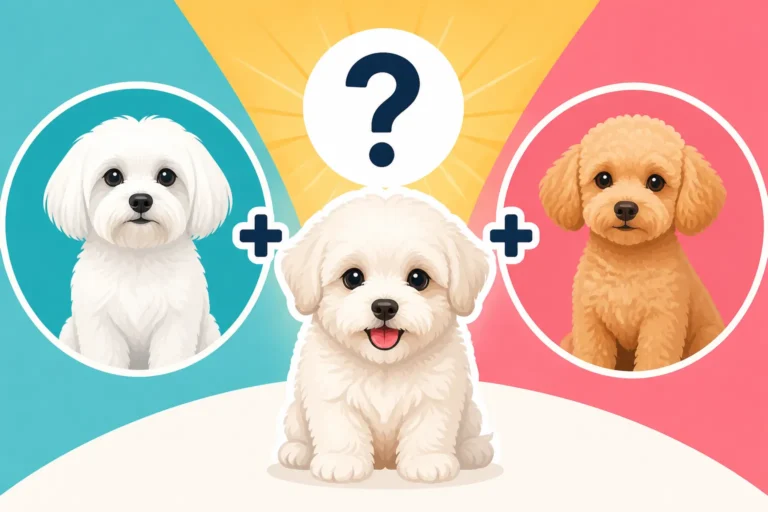
When you bring home a Maltipoo puppy, you're not just getting a bundle of joy; you're also bringing home a fascinating genetic tapestry woven from two distinct breeds: the Maltese and the Poodle. Each parent contributes to the Maltipoo's unique appearance, and when it comes to coat color, the Poodle side often brings a surprise element of change. It’s not uncommon for a Maltipoo's color to undergo several transformations before settling into its adult shade.
The Genetic Blend: Poodle and Maltese Influences
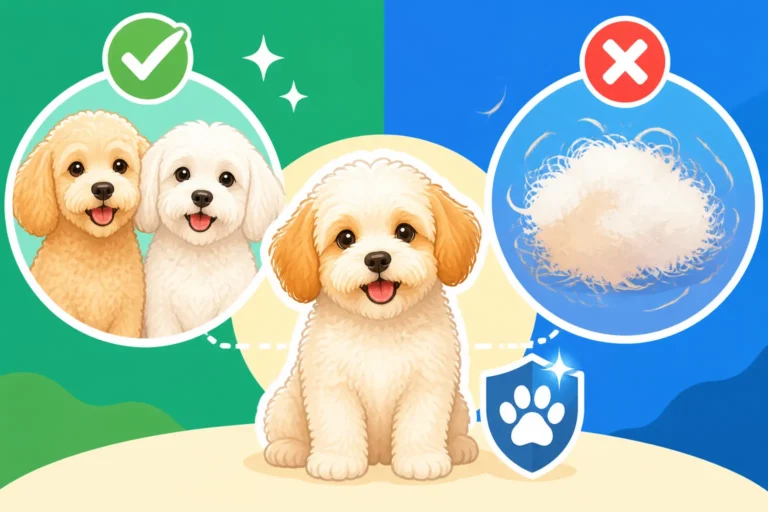
The Maltese is renowned for its beautiful, consistently pure white coat that rarely, if ever, changes color from puppyhood to old age. They're genetically predisposed to maintain that pristine white. The Poodle, however, is a different story. Poodles are famous for carrying "fading genes," sometimes referred to as the "G locus," which can cause their coat color to lighten significantly as they mature. A Poodle puppy born black might become a striking silver or blue, while a deep red or apricot can fade to a lighter cream or even white. This isn't a flaw; it's a natural genetic trait within the breed.
When these two genetic blueprints combine in a Maltipoo, you get a wonderfully unpredictable outcome. The Poodle's fading genes are often dominant over the Maltese's stable white, meaning that even a Maltipoo with a strong Maltese lineage might experience some degree of lightening or color shift. This is why breeders often cannot definitively guarantee an adult color, particularly for the more vibrant shades. Understanding this genetic dance is key to appreciating why your Maltipoo's coat is a living, evolving canvas.
Puppy Coat vs. Adult Coat
Think of your Maltipoo's puppy coat as a temporary, charming outfit that's destined to be replaced. Just like human babies often have softer, sometimes lighter hair that changes texture and color as they grow, Maltipoo puppies go through a similar metamorphosis. The soft, wispy fur your Maltipoo had as a tiny pup is known as their "puppy coat," and it's quite different from the denser, coarser "adult coat" that will eventually replace it.
This transition isn't just about texture; it's often about color too. The pigment in the puppy coat can be less stable or simply a different expression of the underlying genetics than the pigment that will develop in the adult coat. Most significant color changes tend to occur between six and eighteen months of age, as the puppy coat is shed and the adult coat grows in. During this time, you might notice patches of new color emerging, or a gradual lightening of the entire coat. It can be quite a shock, especially if you had a very specific vision for your Maltipoo's appearance, but it's a completely normal part of their development. This process is similar to what you might observe in other Poodle mixes or even purebred Poodles themselves, making it a hallmark of the Poodle genetic influence.
Common Color Transformations in Maltipoos
The range of colors in Maltipoos is truly stunning, owing to the diverse palette offered by the Poodle parent. However, many of these vibrant puppy colors rarely stay exactly the same into adulthood. Knowing what to generally expect can help manage expectations and allow you to appreciate your Maltipoo's evolving beauty. These shifts are what make each Maltipoo truly one-of-a-kind.
Apricot to Cream or White
This is perhaps one of the most common and often surprising color transformations in Maltipoos. Many Maltipoo puppies are born with a beautiful, rich apricot hue. It's a warm, inviting color that really stands out. However, more often than not, this deep apricot will begin to lighten as the puppy matures. By the time they are a year or two old, that vibrant apricot might have softened considerably, becoming a beautiful pale cream, or even a nearly pure white.
This change is almost exclusively due to the Poodle's fading genes. Even if the Maltese parent was solid white, the Poodle's genetics can override the intensity of the apricot pigment. It’s not an overnight change, but a gradual process. You might notice the lightening starting around the muzzle, eyes, and paws first, then spreading across the body. If your heart was set on a deep apricot adult, this can be a bit disappointing, but the resulting cream or white is often equally stunning, especially when paired with a The Wavy Maltipoo Coat or The Curly Maltipoo Coat.
Red to Lighter Red or Apricot
Similar to apricot, red Maltipoo puppies are highly sought after for their striking, fiery coats. These reds can be incredibly intense as puppies, sometimes appearing almost mahogany. However, much like their apricot counterparts, red coats are very prone to fading. It's rare for a Maltipoo to maintain a true, deep red throughout its entire life.
What typically happens is that the intense red softens over time. It might become a lighter, more golden red, or even fade into a rich apricot shade. The deepest reds often turn to a more muted, almost strawberry blonde. Again, this is the Poodle's fading gene at work, diminishing the intensity of the phaeomelanin pigment responsible for red and apricot colors. Some owners might try to enhance the color with special shampoos, but these typically only improve vibrancy rather than preventing the underlying genetic fade. If you see a breeder promising a "non-fading red," it's important to understand the strong genetic predisposition for these colors to lighten.
Black to Blue or Silver
If your Maltipoo puppy was born with a sleek, jet-black coat, prepare for a potential transformation that can be truly magnificent. Black is another color in Poodles that is heavily influenced by fading genes, particularly those that produce "blue" or "silver" Poodles. A blue Poodle is genetically black, but a fading gene dilutes the pigment to a dark grey or charcoal. A silver Poodle is also genetically black, but a different fading gene causes the black to lighten even more dramatically to a light grey.
A black Maltipoo puppy may, therefore, mature into a stunning charcoal, a smoky blue-grey, or even a shimmering silver. The change usually starts around the muzzle and paws, and then spreads across the body. It can be a very slow process, sometimes taking up to two years to fully reveal the adult color. If your Maltipoo has a The Straight Coated Maltipoo that is black, you might observe this transformation quite clearly. This shift is a beautiful testament to the Poodle's unique genetics and often results in an incredibly sophisticated-looking dog.
Brown/Chocolate to Cafe au Lait
Just like black, brown (often called chocolate) coats in Maltipoos can also undergo a significant lightening process. A deep, rich chocolate brown puppy might, with age, soften to a lighter, milky brown often described as "cafe au lait." This isn't a loss of pigment but a dilution, similar to the blue and silver fading, just acting on brown pigment instead of black.
The change can be subtle, sometimes making you wonder if the lighting is just different, but over months, the lightening becomes undeniable. The tips of the fur might appear lighter, or the whole body might gradually shift to a softer hue. This transformation contributes to the wide array of beautiful brown tones seen in adult Maltipoos, moving from rich espresso to a creamy latte shade. It's all part of the genetic magic that makes each Maltipoo a truly individual work of art.
Parti or Phantom Patterns Shifting
Parti and phantom Maltipoos are incredibly striking due to their distinct color patterns. A parti Maltipoo has a white base coat with patches of another color (like black, apricot, or brown). A phantom Maltipoo has a solid base color (like black or brown) with lighter markings in specific areas, such as the eyebrows, muzzle, chest, and legs, much like a Rottweiler or Doberman.
What happens with these patterns is that the base colors within the pattern can also be subject to fading. For example, if you have a black and white parti Maltipoo, the black patches might fade to blue or silver, leaving you with a blue/silver and white parti. Similarly, the solid base color of a phantom Maltipoo (say, a black phantom with cream points) might fade, turning the black to blue, while the cream points might also lighten or deepen slightly. These shifts can make the patterns even more unique and intricate. The beauty of a parti or phantom Maltipoo often lies in these dynamic and evolving patterns, making them endlessly fascinating companions.
Factors Influencing Color Change
While genetics are undoubtedly the primary driver behind a Maltipoo's coat color changes, several other factors can play a role in how a coat looks and evolves. It’s a complex interplay, and understanding these elements can help you better appreciate your dog's unique appearance and how to best care for their coat.
Genetics: The Dominant Player
There’s simply no getting around it: genetics are the most powerful determinant of whether your Maltipoo’s coat will change, and in what way. The Poodle parent brings with it a fascinating set of genes responsible for color fading or lightening. Specifically, the "G locus" (progressive graying gene) and other dilution genes are key players. These genes don't just affect poodles; they are passed down to their offspring, including Maltipoos.
If a Maltipoo inherits these fading genes, their initial puppy coat color is essentially a temporary placeholder. As the dog matures, these genes become active, gradually reducing the production of pigment in the hair follicles, leading to the lightening you observe. It’s not something you can prevent with diet or supplements; it’s hardwired into their DNA. This is also why Whether a Maltipoo Puppy's Coat Tells You Anything about its adult color can be misleading – the puppy coat might not truly reflect the genetic potential for fading. Reputable breeders understand these genetic predispositions and might be able to give you a more accurate expectation based on the Poodle lines in their breeding program, but it's never a 100% guarantee with a mixed breed.
Sunlight Exposure
Just like human hair, your Maltipoo's coat can be affected by prolonged exposure to the sun. While sunlight won't trigger the genetic fading process, it can certainly accentuate or speed up the lightening of certain pigments. For Maltipoos with lighter coats (apricot, red, cream), spending a lot of time outdoors in bright sunlight can cause their fur to bleach or lighten even further. This is especially noticeable on their backs and heads, which receive the most sun exposure.
Think of it like leaving a colored fabric out in the sun – it fades over time. The same can happen to your dog's fur. If you have an apricot Maltipoo that's already prone to fading, consistent sun exposure can turn those apricot tips even paler. Conversely, for darker coats like black or brown, excessive sun might cause a reddish tint to develop, giving the coat a "sun-bleached" look rather than a true color change. While a little sunshine is good for everyone, if you're concerned about preserving a specific shade, you might consider shorter, more frequent outdoor sessions during peak sun hours or even stylish sun protection for longer outings.
Diet and Nutrition
While diet doesn't fundamentally alter the genetic programming of your Maltipoo's coat color, it plays a crucial role in the health, vibrancy, and luster of their fur. A well-nourished Maltipoo with a balanced diet will generally have a healthier, shinier coat that reflects its true color more effectively. Conversely, a poor diet lacking essential nutrients can lead to a dull, dry, and brittle coat that may appear faded or lack depth, regardless of its genetic potential.
For optimal coat health, look for high-quality dog foods that list real meat as the first ingredient and contain essential fatty acids like Omega-3 and Omega-6. These fatty acids are vital for skin and coat health, helping to keep the fur strong, supple, and radiant. Some owners might consider supplements or fresh food options like those offered by Ollie, believing that superior nutrition translates to a better coat. While anecdotal evidence varies, ensuring your Maltipoo gets all its nutritional needs met, perhaps through a reputable brand like Chewy, is paramount for overall health, which naturally extends to a beautiful coat.
Grooming Practices and Products
The way you groom and the products you use on your Maltipoo’s coat can also influence its perceived color and condition. Harsh shampoos, excessive washing, or improper brushing techniques won't change your dog's underlying genetics, but they can certainly strip the coat of its natural oils, leading to dullness, dryness, or even temporary discoloration. For instance, some whitening shampoos can leave a bluish or purplish tint on light coats if not rinsed thoroughly.
Using high-quality, pH-balanced shampoos and conditioners specifically designed for dogs is essential. Regular brushing, using tools from retailers like Amazon, not only prevents mats but also distributes natural oils, which contributes to a healthy sheen. Over-washing can dry out the skin and coat, making it look less vibrant. On the other hand, neglecting regular grooming can lead to mats and tangles that trap dirt and dull the coat's appearance. Consistent, gentle grooming helps maintain the coat's integrity, ensuring it looks its best, whatever its evolving color may be. This is a critical part of The Daily Routine a Maltipoo Needs.
What to Expect and When to Expect It
Navigating the various stages of your Maltipoo's coat development can be a journey of anticipation and sometimes, a little surprise. Knowing the general timeline and what those changes typically look like can help you embrace each phase of your dog's evolving appearance. It’s all part of the unique charm of owning a Maltipoo.
The "Ugly Duckling" Phase
Many Maltipoo owners affectionately refer to a specific period in their dog's development as the "ugly duckling" phase. This is typically when the most significant coat transformations occur, usually between 6 and 18 months of age. During this time, your Maltipoo’s soft, fluffy puppy coat is gradually shed and replaced by their denser, often coarser adult coat. This transition isn't always pretty!
You might notice uneven texture, patches of lightening color, or even a somewhat scraggly appearance as the old hair makes way for the new. For example, a vibrant apricot puppy might start showing pale roots or faded tips, making the coat look less uniform. Owners of black Maltipoos might see grey hairs sprouting around the face and paws, which then gradually spread. It’s a stage where your Maltipoo might look a bit dishevelled, neither fully puppy nor fully adult in their coat. Patience and consistent grooming are key here. This phase can sometimes feel like How Many Months a Maltipoo's Coat Change Runs is interminable, but it’s a temporary and natural process.
Subtle Shifts Over a Lifetime
While the most dramatic changes typically happen within the first year and a half, a Maltipoo’s coat color isn't necessarily static after that. You might observe more subtle shifts throughout their life, particularly as they age. Just like humans, senior dogs can experience a lightening or graying of their fur, especially around the muzzle, eyes, and paws. This is a natural part of the aging process and is usually unrelated to the genetic fading seen in younger dogs.
Beyond age, environmental factors can continue to play a minor role. Seasonal changes, prolonged sun exposure (as discussed earlier), or even stress can impact the coat's appearance. For instance, a Maltipoo with a sensitive digestive system might experience a duller coat if their diet is disrupted. While these later changes are often less dramatic than the puppy-to-adult coat transition, they contribute to the ongoing evolution of your Maltipoo's unique look. It's a journey that keeps you guessing and appreciating the subtle nuances of their beauty. For more on aging, consider Whether a Maltipoo's Color Lightens as It Ages.
Predicting Adult Color And Why It's Hard
One of the biggest questions Maltipoo prospective owners ask is, "What color will my puppy be as an adult?" And honestly, it's one of the hardest questions to answer with absolute certainty. Because the Maltipoo is a hybrid, predicting their adult color involves understanding the complex interplay of genes inherited from both the Maltese and the Poodle, particularly the fading genes from the Poodle side.
Even if both parents are a specific color, the recessive genes they carry, or the strength of the fading genes, can lead to unexpected outcomes. For example, two apricot Maltipoos could produce puppies that are deep red, light apricot, or even cream, and then those colors can shift again. Breeders can offer their best educated guesses based on the parents' lineage and their experience with previous litters, but they usually can't give a definitive guarantee. The beauty of the Maltipoo lies in this very unpredictability; you're getting a truly unique individual whose coat color journey will unfold before your eyes.
| Puppy Coat Color | Most Common Adult Transformation | Potential Range of Adult Colors |
|---|---|---|
| Deep Apricot | Light Apricot, Cream, White | Pale Gold, Yellow, Off-White |
| Rich Red | Lighter Red, Strawberry Blonde, Apricot | Golden Red, Light Copper |
| Jet Black | Blue, Silver, Charcoal | Dark Grey, Smoky Grey, Steel Blue |
| Dark Chocolate | Cafe au Lait, Light Brown | Milk Chocolate, Tan |
| Black & White Parti | Blue & White, Silver & White Parti | Grey & White, Cream & White |
| Black Phantom | Blue Phantom, Silver Phantom | Dark Grey Phantom |
Embracing Your Maltipoo's Unique Hue
Ultimately, while the initial color of your Maltipoo puppy might be what first catches your eye, their health, personality, and the joy they bring into your life are what truly matter. The evolving nature of their coat color is just one more unique characteristic to appreciate about this wonderful designer breed.
Beyond the Initial Color
It’s completely understandable to have a preference for a certain coat color when choosing a Maltipoo puppy. We're drawn to what we find visually appealing! However, it's so important to remember that coat color is a superficial trait that has absolutely no bearing on your dog's temperament, health, or intelligence. A Maltipoo that fades from a vibrant red to a soft apricot is still the same loving, playful companion you brought home.
Focusing too heavily on a specific color can lead to disappointment or, worse, overlooking a perfectly wonderful puppy because its shade isn't "perfect." Instead, prioritize finding a healthy puppy from a reputable breeder who focuses on temperament and genetic health testing. These factors will contribute far more to your long-term happiness with your Maltipoo than whether their apricot coat stayed bright. The joy of a Maltipoo is in their vibrant spirit and affectionate nature, not just their outer appearance.
Maintaining Coat Health
Regardless of what color your Maltipoo's coat settles into, maintaining its health is crucial for its overall appearance and your dog's comfort. A healthy coat is a shiny, soft, and vibrant coat, whether it's white, cream, or silver. This requires consistent effort in several key areas. First, daily brushing is non-negotiable to prevent mats, which can be painful and lead to skin issues. Maltipoos are prone to matting, especially behind the ears and in areas where the legs meet the body. Using a good quality slicker brush and a metal comb, often found on Amazon, is essential to get down to the skin. You can read more about this in Whether a Maltipoo's Coat Ever Stops Growing and How Many Times a Week a Maltipoo Needs Combing.
Second, regular bathing with a gentle, dog-specific shampoo and conditioner helps keep the coat clean and fresh. However, avoid over-bathing, which can strip natural oils. Third, ensuring a high-quality diet, perhaps by sourcing kibble or fresh food from a pet supplier like Chewy or Ollie, supports coat health from the inside out. Supplements rich in Omega fatty acids can also contribute to a lustrous coat. Lastly, don't forget routine vet check-ups. A dull, brittle coat can sometimes be an indicator of underlying health issues, so any sudden changes should be discussed with your veterinarian.
Addressing Owner Concerns
It’s perfectly natural to feel a bit surprised or even a touch disappointed if your Maltipoo's coat color changes significantly from what you expected. Many owners express these feelings, and it’s okay to acknowledge them. You picked your puppy partly because of that initial cute coloring, after all! However, it's important to move past these initial feelings and embrace the unique dog you have.
Remember, a Maltipoo's coat color evolution is part of their charm and a direct result of their fascinating genetic heritage. Instead of fixating on what color they aren't, try to appreciate the beautiful shades and patterns they do develop. Each transition is a reminder of their growth and individuality. You'll likely find that as time goes on, you'll fall even more in love with the dog beneath the fur, regardless of its hue. After all, the love and companionship your Maltipoo offers are truly colorblind.
Disclaimer
This article is for general informational purposes only and does not constitute professional advice. Laws, prices and regulations vary by location and change over time. Consult a qualified professional for guidance on your specific situation.