Ice Balls Between a Maltipoo’s Toes
There’s nothing quite like a crisp winter walk with your Maltipoo, but that idyllic scene can quickly be ruined when you notice painful ice balls forming between their tiny toes. These seemingly innocent icy clumps can cause real discomfort, lead to limping, and even result in frostbite or injury if not addressed properly. This guide is here to help you understand why these icy nuisances occur, how to prevent them, and the safest, most effective ways to remove them, ensuring your furry friend can enjoy winter wonderland adventures without the pain.
Understanding Why Ice Balls Form on Maltipoo Paws
Maltipoos, with their delightful fluffy coats and smaller stature, are particularly susceptible to developing ice balls between their paw pads. It’s not just an inconvenience; it’s a specific problem rooted in their genetics and physical characteristics. Knowing why this happens is the first step toward effective prevention and care.
The Maltipoo's Unique Paw and Coat Structure
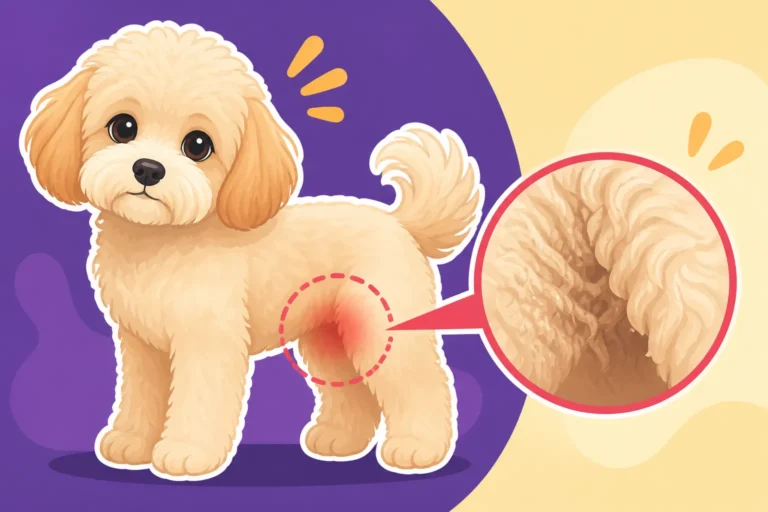
Your Maltipoo inherits a specific combination of traits from their Maltese and Poodle parents that make their paws prone to ice accumulation. The Maltese contributes fine, silken hair, while the Poodle brings a dense, often curly coat. When combined, this results in a soft, non-shedding, continually growing coat that extends well beyond their paw pads, creating a feathery fringe. This long, soft hair between their toes acts like a magnet for snow, slush, and ice. As your Maltipoo walks, snow gets packed into this fur, and the warmth from their body slightly melts it, only for the frigid air to refreeze it into hard, painful balls. These ice balls can pull at the sensitive skin, leading to cracks, irritation, and even open sores. It’s a delicate balance; their lovely soft fur, which minimizes shedding, is also their Achilles' heel in winter.
The Impact of Cold and Moisture
Beyond the fur itself, the environment plays a crucial role. Maltipoos are small dogs, and their compact size means they lose body heat more quickly than larger breeds. This makes them particularly sensitive to cold temperatures. You might notice them shivering or lifting their paws in cold weather, a clear sign they're uncomfortable. This sensitivity means they're not just dealing with ice balls, but often the general chilling effect of winter. When their paws are repeatedly exposed to cold, wet conditions, the delicate skin can dry out and crack, exacerbating any discomfort caused by ice balls. Furthermore, salt and de-icers commonly found on winter sidewalks can irritate their paws, creating a vicious cycle of pain and potential injury when combined with the abrasive nature of ice balls. This is why you need to be mindful of Washing Road Salt Off a Maltipoo's Feet after any walk.
Proactive Steps to Prevent Ice Balls
Prevention is always better than cure, especially when it comes to your Maltipoo's paw health. There are several effective strategies you can employ to minimize the chances of those painful ice balls forming in the first place, making winter walks a more pleasant experience for everyone.
Regular Paw Hair Trimming
This is arguably the most effective preventative measure. The long hair between your Maltipoo’s paw pads is the primary culprit for collecting snow and ice. Regularly trimming this fur short and flush with the pads removes the surface area for snow to cling to. This doesn't require a professional groomer every two weeks; with the right tools and a bit of patience, you can do this at home. Use small, blunt-nosed scissors or a small, quiet clipper (many options are available on Amazon that are designed for delicate areas). Carefully lift each paw, spread the toes gently, and trim the hair level with the paw pads. Be extremely cautious not to cut the pads themselves, which are very sensitive. Making this a routine part of your Maltipoo’s grooming, perhaps every 2-4 weeks during winter, will make a world of difference. It also ties into general grooming, as a well-maintained coat prevents mats in other areas, like those Mats Behind a Maltipoo's Ears.
Protective Paw Wear and Balms
Even with trimmed paw hair, some Maltipoos can still be susceptible, or you might be facing particularly harsh winter conditions. This is where protective paw wear comes in.
Dog Boots
Investing in a good pair of dog boots can offer excellent protection. Look for boots that are well-fitting, comfortable, and offer good traction. It might take some time for your Maltipoo to get used to wearing them – they often do a comical "high-step" dance at first! Introduce them gradually, maybe inside the house for short periods, with plenty of positive reinforcement. Boots create a physical barrier against snow, ice, salt, and de-icers, keeping paws dry and warm. Many pet supply stores and online retailers like Chewy offer a variety of dog boots specifically designed for small breeds.
Paw Balms and Waxes
If boots aren't a practical option or for additional protection, paw balms or waxes are a fantastic alternative. Products like Musher's Secret or other natural paw waxes create a protective barrier on the paw pads and between the toes. This barrier helps prevent snow and ice from sticking to the fur and provides a layer of moisture, protecting against dryness and cracks. Simply apply a thin layer before each walk, making sure to work it into the fur between the pads. You can find excellent paw balms from brands like Chewy or Amazon. Remember, even if you use a balm, it’s still important to keep paw hair trimmed.
Choosing Your Walking Path Wisely
Sometimes, the simplest solution is to adapt your routine. During heavy snowfall or when sidewalks are heavily salted, consider altering your walking route. Opt for grassy areas or paths less frequented by cars and de-icing chemicals. If a full walk isn't feasible or safe due to extreme cold, shorter, more frequent outings in a protected area like your backyard might be a better option. You might need to decide Whether a Maltipoo Should Skip Walks in Freezing Weather entirely on some days. Always check the weather forecast and ground conditions before heading out, especially since Maltipoos can get The Temperature a Maltipoo Starts Shivering At quite easily.
Here’s a quick comparison of common prevention methods:
| Method | Pros | Cons | Ideal Use Case |
|---|---|---|---|
| Paw Hair Trimming | Highly effective, low cost, natural feel | Requires regular maintenance, risk of accidental cuts | Everyday prevention in mild to moderate winter |
| Dog Boots | Excellent protection, keeps paws dry/warm | Can be expensive, dog may resist wearing, can fall off | Harsh weather, heavy snow, salted sidewalks, prolonged walks |
| Paw Balms/Waxes | Easy to apply, comfortable for dog | Less effective than boots in heavy snow, needs frequent reapplication | Mild conditions, light snow, added moisture barrier |
| Route Selection | Free, no equipment needed, reduces exposure to chemicals | Limited options, might reduce walk duration | Any winter conditions, especially urban areas with salt |
Safely Removing Ice Balls from Your Maltipoo's Paws
Despite your best efforts, ice balls might still form. When they do, it’s crucial to remove them gently and safely to avoid causing your Maltipoo further pain or injury. Never try to yank or pull them off, as this can severely damage their delicate skin and fur.
The Gentle Melting Method
The safest and most recommended method is to gently melt the ice balls.
- Warm Water Soak: Prepare a small basin or tub with lukewarm (not hot!) water. The water should be comfortably warm to your touch.
- Soak the Paws: Gently place your Maltipoo's affected paw into the warm water, allowing the ice balls to soften and melt naturally. Don't force their paw in if they're resistant; speak in a soothing voice and offer praise.
- Patience is Key: This process takes a few minutes. As the ice melts, you can gently massage the paw to help it along. You might need to repeat this for each paw.
- Towel Dry Thoroughly: Once the ice balls are gone, thoroughly towel dry your Maltipoo's paws, paying extra attention to the spaces between their toes. Leaving them wet can lead to chapped skin or fungal issues.
You can also use a warm, damp washcloth for very small or isolated ice balls, gently holding it against the affected area until the ice melts. This can be less stressful for a dog that dislikes having their paws submerged.
Avoiding Harsh Removal Techniques
It’s tempting to want to quickly get rid of the ice, but certain methods can do more harm than good:
- Never use clippers or scissors directly on ice balls. The ice can easily obscure the fur and skin, leading to accidental cuts. Imagine trying to cut a block of ice with your dog's skin underneath; it's a recipe for disaster.
- Do not chip or pull at the ice. This can pull out fur, cause skin tears, and is incredibly painful for your dog.
- Avoid using hair dryers on high heat. While warmth is good, direct hot air can burn their sensitive paw pads. If using a dryer, ensure it's on a low, cool setting and held at a safe distance, continuously moving it.
- Don't ignore them. Leaving ice balls can lead to prolonged discomfort, lameness, and in severe cases, frostbite, especially for a small dog like a Maltipoo who can get Whether a Maltipoo Gets Cold Easily.
Aftercare and Long-Term Paw Health
Once you've safely removed those pesky ice balls, the care doesn't stop there. Proper aftercare is essential to soothe any irritation, check for potential damage, and reinforce good paw health practices for the future.
Checking for Damage and Soothing Irritation
After removing the ice, take a moment to carefully inspect your Maltipoo's paws. Look for any signs of:
- Redness or Swelling: These could indicate irritation, minor frostbite, or injury.
- Cracks or Cuts: The cold and ice balls can cause the paw pads to crack or create small cuts between the toes.
- Limping or Favoring a Paw: If your Maltipoo is still limping, even after the ice is gone, they might have an injury or significant irritation.
- Blisters: In rare cases of severe cold exposure, blisters can form.
If you notice any of these signs, especially deep cracks, bleeding, or persistent limping, it's best to consult your veterinarian. For mild redness or dryness, applying a soothing paw balm (like the ones mentioned earlier from Chewy or Amazon) can help moisturize and heal the skin. Aloe vera gel (ensure it's pure, pet-safe gel without alcohol or additives) can also be very calming.
Maintaining Paw Health Year-Round
Good paw health isn't just a winter concern; it's a year-round commitment that benefits your Maltipoo immensely.
Regular Trimming
Continue regular paw hair trimming even outside of winter. It helps keep their paws clean, prevents debris from getting stuck, and makes it easier for them to grip surfaces. This is part of a broader grooming routine, as The Two Week Face Trim a Maltipoo Needs and How Many Times a Week a Maltipoo Needs Combing are also crucial.
Moisturizing
Just like human skin, paw pads can get dry and cracked, especially in extreme weather conditions (hot pavement in summer or dry winter air). Regularly applying a pet-safe paw moisturizer or balm can keep their pads supple and resilient.
Nail Trimming
Long nails can affect your Maltipoo's gait, cause discomfort, and even lead to painful injuries if they snag or break. Regular nail trims are essential. If you're unsure how to do it yourself, your vet or groomer can help. Knowing How Fast a Maltipoo's Nails Grow can help you establish a routine.
Daily Checks
Make it a habit to quickly check your Maltipoo's paws after walks, regardless of the season. This allows you to spot problems early, whether it's a thorn, a cut, or simply dry pads. This vigilance is particularly important for smaller breeds that are more prone to injury, and for older Maltipoos, where Grooming an Arthritic Maltipoo in Short Sessions might be necessary.
By understanding the unique challenges your Maltipoo faces in winter and implementing these proactive and reactive strategies, you can ensure their delicate paws stay healthy, comfortable, and ready for any adventure, no matter how cold it gets!
Disclaimer
This article is for general informational purposes only and does not constitute professional advice. Laws, prices and regulations vary by location and change over time. Consult a qualified professional for guidance on your specific situation.