Whether Raw Bones Clean a Maltipoo’s Teeth
It's completely understandable to want to find the most natural, effective way to keep your beloved Maltipoo's teeth sparkling clean. Seeing that stubborn plaque build-up can be disheartening, and the thought of costly vet dental procedures or even daily brushing can leave you searching for simpler solutions. This guide is here to unravel the common question of whether raw bones are a good idea for your Maltipoo's dental health, covering the potential benefits, the significant risks, and much safer alternatives.
The Allure and Reality of Raw Bones for Maltipoo Dental Health
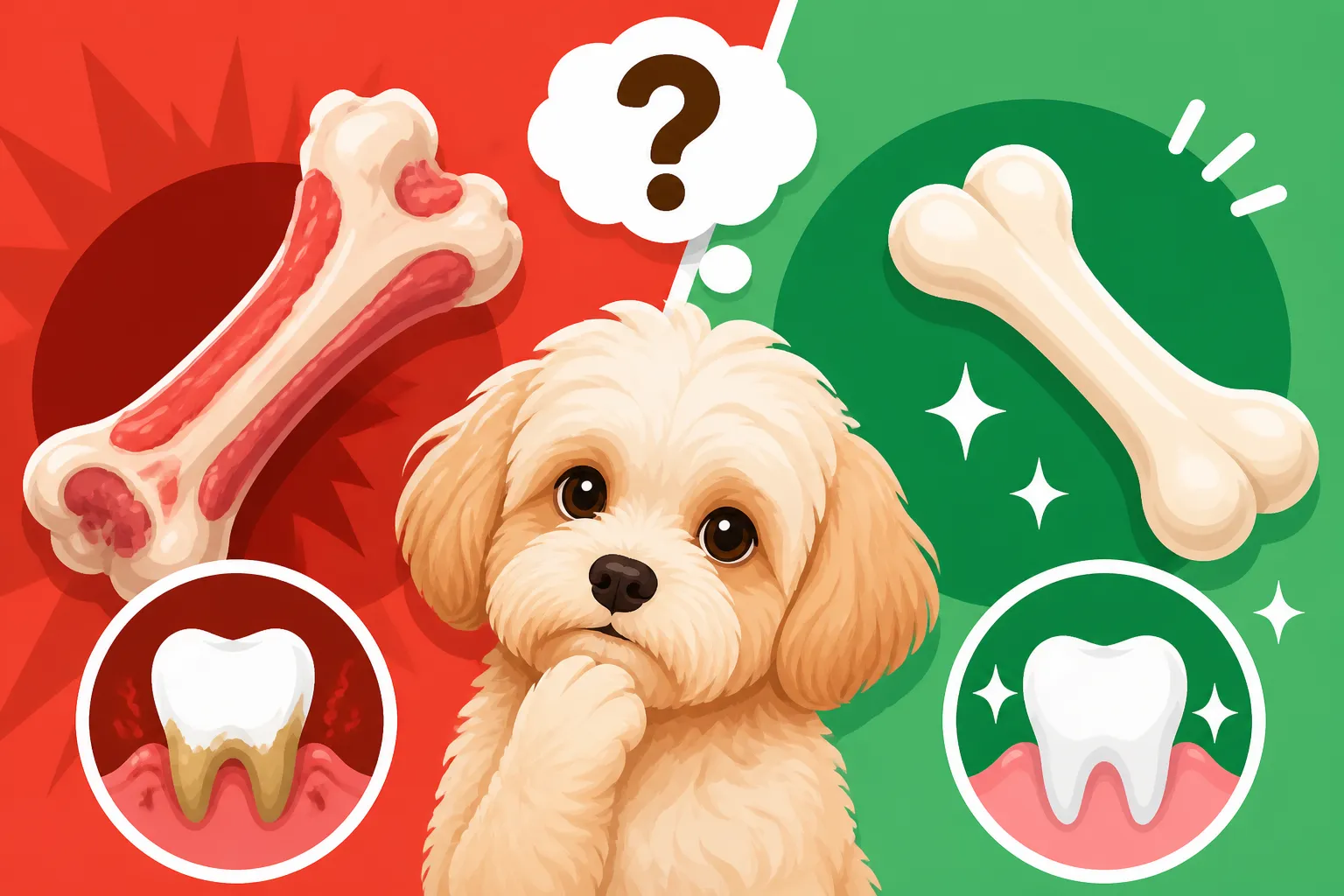
Many Maltipoo owners, striving for what feels most "natural," consider feeding raw bones to help with dental hygiene. The idea is compelling: let your dog gnaw on a bone, just as their wild ancestors might have, and watch their teeth get scraped clean. It sounds simple, intuitive, and budget-friendly. However, what works for a large wild canine, or even a robust larger domestic breed, often doesn't translate safely or effectively to a delicate, small breed like our Maltipoos.
The "Natural" Instinct: Why Owners Consider Raw Bones
The push for "natural" diets, including raw feeding and raw bones, comes from a good place. We want to provide our pets with the best possible care, mimicking what we perceive as their evolutionary diet. The image of a dog happily chewing on a bone, getting essential nutrients and cleaning its teeth simultaneously, is a powerful one. For owners facing the constant battle against tartar and plaque, or those worried about anesthetic dental procedures, raw bones can seem like a magic bullet. They're often seen as a holistic approach, avoiding processed dental chews or the perceived hassle of daily brushing.
Yet, this instinct needs to be tempered with the reality of our domesticated companions. A Maltipoo, despite its distant wolf ancestry, is a far cry from a wild canine. Their delicate bone structure, tiny jaws, and often overcrowded mouths (a common issue in small breeds, as discussed in The Forty Two Teeth Crowding a Maltipoo's Jaw) make them uniquely vulnerable to the risks that raw bones present. While the concept of natural cleaning is appealing, the practical application for a Maltipoo is fraught with danger that often outweighs any perceived benefit.
How Raw Bones Are Supposed to Clean Teeth
The theory behind raw bones cleaning teeth is based on mechanical abrasion. As a dog chews, grinds, and scrapes their teeth against the bone, the hard surface is supposed to help dislodge and remove plaque and some tartar from the tooth surfaces. This works similarly to how a toothbrush physically removes debris. Certain types of raw bones, specifically non-weight-bearing bones like chicken necks or wings (for larger dogs), are sometimes recommended because they are considered softer and more pliable, theoretically reducing the risk of tooth fracture.
However, for a Maltipoo, even "softer" raw bones can pose significant issues. Their small mouths and tiny teeth are not designed to safely break down bones of any significant density. What might be a healthy chew for a bigger dog can become a dangerous hazard for a Maltipoo. The actual cleaning effect is often limited to the outer surfaces of the teeth and rarely reaches the crucial gumline, where periodontal disease truly takes hold. Furthermore, the very act of trying to clean with a bone introduces risks that are simply not worth taking for such a fragile creature.
Significant Risks of Feeding Raw Bones to Your Maltipoo
While the idea of raw bones for dental hygiene might seem appealing at first glance, the reality for a small breed like a Maltipoo is that the risks far outweigh any potential benefits. Their delicate anatomy makes them particularly susceptible to a range of severe health problems from bone chewing.
Choking and Obstruction Hazards
This is arguably the most immediate and terrifying risk. Maltipoos are small dogs with narrow throats and digestive tracts. Even a seemingly small piece of bone can splinter or break off and become lodged in their throat, leading to choking. Imagine the panic and urgency if your tiny Maltipoo suddenly starts gagging and struggling to breathe – it's an emergency situation that can turn fatal in minutes. If a piece of bone makes it past the throat, it can still cause a blockage further down the digestive system. This can occur in the esophagus, stomach, or intestines.
An intestinal obstruction is incredibly painful and life-threatening. The sharp edges or irregular shapes of bone fragments can perforate the delicate intestinal walls, leading to peritonitis, a severe abdominal infection that requires immediate, expensive, and often complex surgery. These are not minor issues; they are critical medical emergencies that can easily cost thousands of dollars and, even with intervention, may not have a positive outcome for your beloved pet. The allure of a "natural" dental solution quickly fades when faced with such dire consequences.
Dental Damage: Broken Teeth and Gum Injuries
Contrary to the belief that bones clean teeth, they are far more likely to damage them in a small breed like a Maltipoo. Their teeth are not as robust as those of larger dogs, and even raw bones can be too hard. Chewing on bones frequently leads to chipped, fractured, or completely broken teeth. These injuries are excruciatingly painful for your dog and almost always require a trip to the vet for examination, pain management, and often, extraction of the damaged tooth. Fractured teeth expose the sensitive pulp chamber to bacteria, leading to infections and abscesses.
Beyond tooth fractures, the act of gnawing on bones can also cause trauma to the gums. Sharp edges can lacerate the delicate gum tissue, leading to bleeding, pain, and a gateway for bacterial infections. Moreover, tiny bone fragments can become wedged between teeth or stuck in the gums, causing irritation, inflammation, and further risk of infection. Dealing with these dental emergencies can be costly, both in terms of veterinary bills (as discussed in What Extractions Cost on a Maltipoo) and the distress caused to your Maltipoo. It's a stark reminder that sometimes the most natural approach isn't the safest. The fragility of a Maltipoo's jaw bone, which can even be a concern during routine dental procedures, makes extreme caution with hard objects paramount. Whether a Maltipoo's Jaw Breaks During a Dental explains more about this delicate structure.
Bacterial Contamination and Nutritional Imbalance
Raw bones, by their very nature, carry bacteria such as Salmonella and E. coli. While a dog's digestive system is more resilient to some bacteria than humans, there's still a risk of your Maltipoo contracting a bacterial infection, leading to gastrointestinal upset, vomiting, diarrhea, and lethargy. More concerning, these bacteria can be shed in your dog's feces, posing a significant risk to human family members, especially children, the elderly, or those with compromised immune systems, through cross-contamination. This risk is present even with careful handling and cleanup.
From a nutritional standpoint, raw bones are not a balanced food source and should never be considered a primary part of your Maltipoo's diet. While they contain some minerals, relying on them for dental care overlooks the comprehensive nutritional needs of a small breed. Furthermore, certain fatty bones can contribute to pancreatitis, an inflammation of the pancreas that is very painful and can be life-threatening for dogs. For these tiny dogs, even a small amount of unexpected fat can trigger a severe reaction. Ensuring a balanced diet, perhaps with options from trusted brands like Ollie for fresh, carefully formulated meals, is crucial for your Maltipoo's overall health, separate from dental considerations.
Safer and More Effective Alternatives for Maltipoo Oral Hygiene
Knowing the significant risks that raw bones pose, it's a relief to know there are far safer and more effective methods for maintaining your Maltipoo's sparkling smile. The key is consistency and choosing tools specifically designed for canine dental health, not for causing potential harm.
Daily Brushing: The Gold Standard
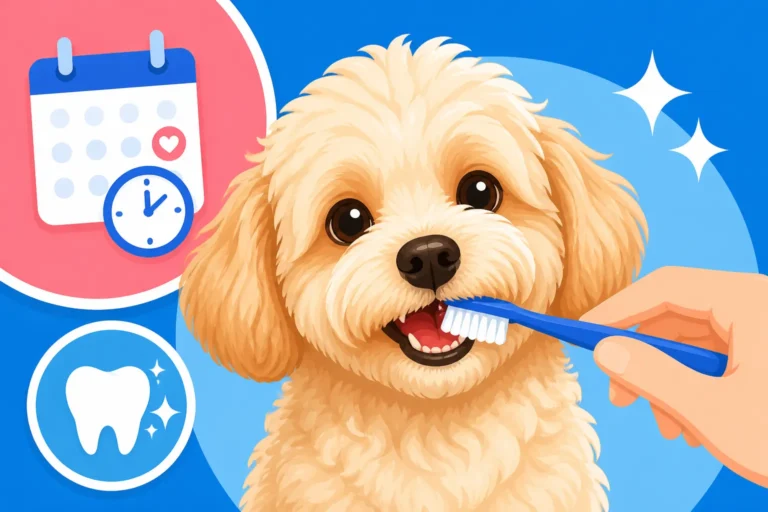
When it comes to keeping your Maltipoo's teeth clean, nothing beats daily brushing. Think of it just like your own dental routine – regular mechanical action is what removes plaque before it hardens into tartar. It might seem daunting at first, especially with a tiny mouth, but with patience and the right tools, it becomes a routine that can literally add years to your dog's life by preventing severe dental disease. Brushing a Maltipoo's Teeth Every Single Day goes into more detail about this essential practice.
You'll need a small, soft-bristled toothbrush designed for dogs, or even a finger brush, which can be less intimidating for some Maltipoos. Canine-specific toothpaste is crucial, as human toothpaste contains ingredients like xylitol and fluoride that are toxic to dogs. Brands like Virbac C.E.T. enzymatic toothpaste are popular and readily available from pet retailers like Chewy or Amazon. Start slow, make it a positive experience with lots of praise and treats, and aim to work up to brushing all surfaces of their teeth, focusing on the outside surfaces where plaque tends to accumulate most. Even if you can't manage every single day, regular brushing a few times a week is infinitely better than nothing. For tips on starting early, check out Starting Tooth Brushing on a Maltipoo Puppy.
Dental Chews and Water Additives
While not a substitute for brushing, certain dental chews and water additives can be a helpful adjunct to your Maltipoo's oral hygiene routine. The crucial factor here is choosing products that are approved by the Veterinary Oral Health Council (VOHC). VOHC-approved products have undergone scientific studies to prove their efficacy in reducing plaque and/or tartar. Look for their seal on the packaging. These chews work through mechanical abrasion, similar to how bones are intended to work, but with safer, digestible materials that are less likely to splinter or cause dental fractures.
It's vital to select chews appropriate for your Maltipoo's size and chewing style. A chew that's too hard can still cause damage, while one that's too soft might be consumed too quickly to be effective. Always supervise your Maltipoo when they are enjoying a dental chew. Water additives, on the other hand, contain ingredients that can help reduce bacteria in the mouth and freshen breath. They are simply added to your dog's drinking water daily. While convenient, they are generally considered the least effective standalone option and are best used in conjunction with brushing and dental chews. You can find a wide range of VOHC-approved chews and effective water additives on platforms like Chewy or Amazon. For more information on their effectiveness, read Whether Dental Chews Do Anything for a Maltipoo and Whether Water Additives Help a Maltipoo.
Specialized Dental Diets
Another valuable tool in the fight against dental disease for your Maltipoo is a prescription dental diet. These diets are formulated with kibble that is often larger and has a unique fibrous texture. The design encourages the dog to chew more thoroughly, and as the kibble crunches, it provides a gentle scrubbing action on the tooth surfaces, helping to reduce plaque and tartar build-up. These diets are not just about kibble shape; they often contain ingredients that inhibit bacterial growth or prevent tartar formation on a chemical level.
While feeding a specialized dental diet might not entirely eliminate the need for brushing or professional cleanings, it can significantly contribute to maintaining better oral health, especially for dogs prone to rapid plaque accumulation. Always consult your veterinarian before transitioning your Maltipoo to a specialized diet, as they can recommend the best option based on your dog's individual health needs and ensure it's balanced for their size and activity level. Remember that even with dental diets, portion control is vital for a small dog like a Maltipoo, whose caloric needs are precise, as discussed in How Many Ounces a Four Pound Maltipoo Eats. You also want to ensure the kibble size is appropriate for their tiny mouth, as explored in Whether a Maltipoo Needs Small Breed Kibble.
The Indispensable Role of Professional Veterinary Care
Even with the most diligent home dental care, professional veterinary attention remains a cornerstone of maintaining your Maltipoo's long-term oral health. There are certain aspects of dental care that simply cannot be replicated at home, regardless of how often you brush or what chews you provide.
Regular Vet Check-ups and Dental Assessments
Every Maltipoo should have regular veterinary check-ups, and during these visits, your vet will perform an oral examination. This isn't just a quick peek; a thorough examination allows them to assess the overall health of your Maltipoo's gums, check for any signs of gingivitis or periodontal disease, and identify tartar buildup. They'll also look for broken or loose teeth, any abnormalities in the mouth, and check for [retained baby teeth] which are common in small breeds and can contribute to crowding and accelerated dental disease.
Early detection is key. Catching issues early means they can be addressed before they become severe, more painful, and much more costly. Your vet can give you an honest assessment of your Maltipoo's oral health and recommend if and when a professional dental cleaning is needed. These regular check-ups are also the perfect time to ask for demonstrations on proper brushing techniques or advice on specific dental products. They are your best resource for tailored advice for your unique Maltipoo. For guidance on how often professional care is typically needed, consult How Often a Maltipoo Needs a Dental.
Professional Dental Cleanings Under Anesthesia
While daily brushing and dental chews are excellent for preventing plaque accumulation, they simply cannot remove hardened tartar that has formed above and, crucially, below the gumline. Once plaque mineralizes into tartar, it acts like a rough surface, attracting even more bacteria and accelerating the progression of periodontal disease. The only way to safely and effectively remove this tartar is through a professional dental cleaning performed by a veterinarian under general anesthesia.
During a professional dental cleaning, your Maltipoo's teeth are scaled, much like a human dental hygienist would do, using ultrasonic and hand instruments to remove tartar from all surfaces of the teeth, including beneath the gumline. The teeth are then polished to smooth the enamel, making it harder for new plaque to adhere. X-rays are often taken to assess the health of the tooth roots and jawbone, as much of the disease can be hidden below the gumline. If necessary, diseased teeth will be extracted. We understand the concern many owners have about anesthesia for small dogs, and it's a valid worry. However, modern veterinary anesthesia protocols, including pre-anesthetic bloodwork, IV fluids, and meticulous monitoring, have made these procedures much safer, even for tiny Maltipoos. Your vet will discuss all safety precautions with you, and you can learn more about this in Whether a Maltipoo Under Five Pounds Can Be Anesthetized. Ultimately, preventing severe dental disease through these cleanings is a critical investment in your Maltipoo's overall health and comfort, avoiding much greater pain and expense down the line.
| Dental Care Method | How It Works | Pros | Cons | Suitability for Maltipoos |
|---|---|---|---|---|
| Raw Bones | Abrasive action as dog chews | "Natural" appeal, perceived cost-effective | High risk of choking, obstructions, fractured teeth, gum injuries, bacterial contamination, nutritional imbalance | Not Recommended |
| Daily Tooth Brushing | Mechanical removal of plaque | Most effective for plaque removal, prevents tartar | Requires consistency, some dogs resist initially, needs specific tools (brush, dog toothpaste) | Highly Recommended |
| VOHC Dental Chews | Abrasive action, some enzymatic/anti-tartar | Can help reduce plaque/tartar between brushes, enjoyable | Not a standalone solution, must be VOHC-approved, choose correct size/hardness, supervise | Recommended (as adjunct) |
| Water Additives | Inhibits bacteria, freshens breath | Easy to use, convenient | Least effective standalone, not a substitute for brushing | Recommended (as adjunct) |
| Dental Diets | Special kibble shape/texture, sometimes chemical | Reduces plaque/tartar with every meal | Not a standalone solution, must be vet-recommended, caloric considerations | Recommended (as adjunct) |
| Professional Cleaning | Scales and polishes teeth under anesthesia | Removes hardened tartar below gumline, addresses issues | Requires anesthesia, can be costly, necessary every 1-3 years depending on individual | Essential |
Disclaimer
This article is for general informational purposes only and does not constitute professional advice. Laws, prices and regulations vary by location and change over time. Consult a qualified professional for guidance on your specific situation.