The Month a Maltipoo Starts Matting Daily
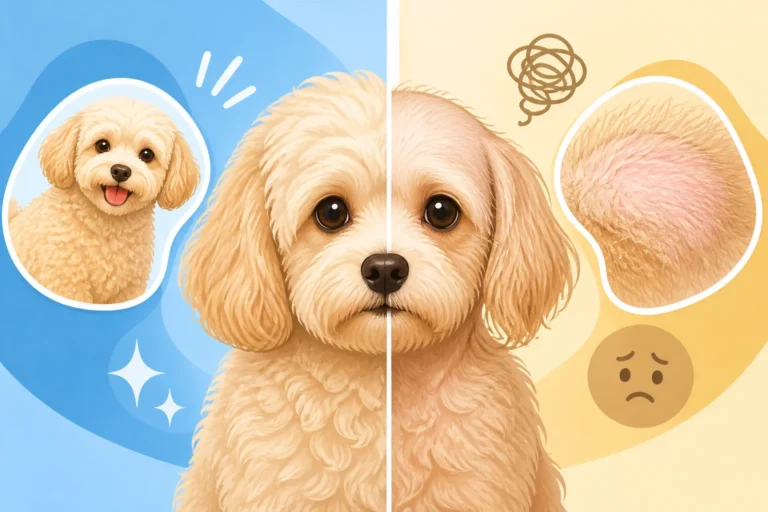
You've brought home that adorable, fluffy Maltipoo puppy, and for the first few months, life is a dream of soft, manageable curls. Then, almost overnight, it feels like your sweet little furball has decided to become a tangled mess, seemingly matting daily, even hourly! It's a common frustration that catches many new Maltipoo parents off guard, leaving them wondering if they're doing something wrong. This guide is here to shed some light on why your Maltipoo suddenly seems to mat so aggressively, when this phase typically hits, and most importantly, how to tackle it head-on to keep their beautiful coat healthy and mat-free.
Understanding the Maltipoo Coat: A Beautiful, But Demanding Blend
The Maltipoo's coat is one of its most defining features, a soft, often wavy or curly dream that's also famously low-shedding. But what makes it so desirable for many also makes it incredibly prone to tangles and mats. It’s a direct result of their unique genetic makeup, a charming but sometimes challenging blend of the Maltese and the Poodle.
The Genetic Lottery of a Maltipoo's Coat
Think of your Maltipoo's coat as a beautiful tapestry woven from two very distinct types of hair. On one side, you have the Maltese influence: a long, silky, single coat that grows continuously and has a fine texture. This breed is known for its elegant, flowing white locks that require meticulous daily grooming to prevent tangles. On the other side is the Poodle influence, bringing its dense, curly, coarse, and non-shedding hair. Poodle coats are famous for their springy texture and their tendency to felt up if not brushed regularly.
When these two coat types combine in a Maltipoo, you don't necessarily get a perfect 50/50 split, and you certainly don't get the best of both worlds without any effort. Instead, you get a wonderfully soft, hypoallergenic-friendly coat that might be wavy, curly, or even fairly straight, but it almost always retains the continuous growth of both parents and the propensity to tangle. This makes it utterly different from a dog with a double coat that sheds seasonally, where loose hair simply falls out. For a Maltipoo, those loose hairs stay in the coat, acting as anchors for new tangles. If you've ever wondered Whether Any Maltipoo Is Truly Non Shedding, you'll quickly realize that while they don't drop hair all over your furniture, the "shedding" happens within their own coat.
Why This Blend Leads to Matting
The structure of a Maltipoo's coat is inherently predisposed to matting. The fine, silky strands from the Maltese side are easily intertwined, while the curly, dense Poodle hair acts like tiny hooks, catching and holding onto anything it can – dust, debris, and, most critically, other hairs. When loose hairs don't fall out, they get caught in the surrounding live hair. Every movement your dog makes, every time they rub against something, or even just walk around, these loose hairs start to twist and felt together with the live hairs.
This process is exacerbated by friction. Areas of high friction on your Maltipoo's body are practically mat-magnets. Think behind the ears, under the armpits, around the collar, or where a harness rubs. These spots will often be the first to develop felted patches. Moisture, too, plays a huge role. A wet coat, left to air dry without being thoroughly brushed out, will inevitably mat as the hair contracts and clumps together. It's a cruel irony that such a beautiful, desirable coat demands so much vigilance, but understanding why it happens is the first step in combating it effectively.
When the Daily Matting Truly Kicks In: The "Coat Change" Phase
Many Maltipoo owners experience a honeymoon period with their fluffy puppy, where mats are minimal and easily brushed out. Then, almost like hitting a wall, grooming becomes a daily, often frustrating, battle. This dramatic shift is usually attributed to a phenomenon known as the "coat change."
The Dreaded "Adolescent Coat Change"
The most intense period of daily matting often begins when your Maltipoo is transitioning from their soft, wispy puppy coat to their more mature, denser adult coat. This typically happens anywhere between 6 to 12 months of age, though it can sometimes start a little earlier or extend slightly later. It's a phase that can truly test the patience of even the most dedicated dog owner, and it's absolutely normal to feel overwhelmed during this time. Suddenly, those cute, fluffy hairs you once adored are conspiring against you, creating knots that seem to appear out of nowhere.
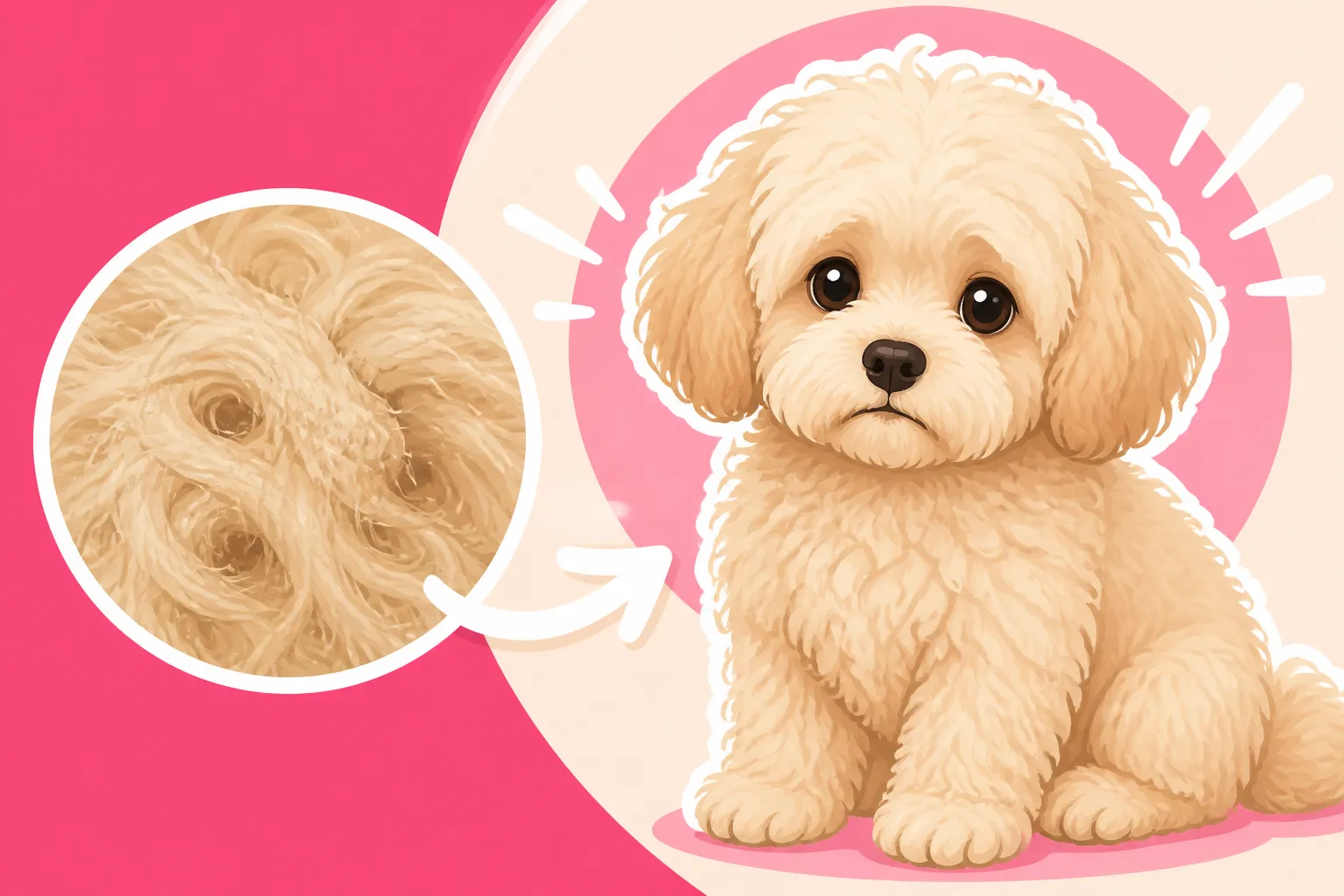
This isn't just a Maltipoo thing; many Poodle and Poodle-mix breeds go through a similar "coat change." During this period, your puppy’s baby fur is gradually shed, making way for the coarser, thicker adult coat. The problem isn't the amount of hair being shed, but the fact that these finer puppy hairs, when shed, don't just fall to the floor. Instead, they get inextricably woven and trapped within the incoming adult coat. This creates a dense, tangled underlayer that can quickly escalate into solid mats if not diligently managed. If you're observing this phenomenon, you might also be wondering How Many Months a Maltipoo's Coat Change Runs, and the answer is it varies, but consistent effort is key throughout.
What Happens During This Phase
Imagine tiny, soft strands of shed puppy hair acting like Velcro, clinging to the emerging, stronger adult hairs. As your Maltipoo moves, plays, and even sleeps, these trapped hairs start to felt together. Without regular, thorough brushing that reaches down to the skin, these small tangles quickly grow into larger, painful mats. These mats aren't just cosmetic; they can be incredibly uncomfortable, pulling on your dog's skin and causing irritation. In severe cases, mats can restrict blood flow, harbor parasites, and lead to skin infections.
It's a misconception that if your dog isn't visibly shedding, you don't need to brush. For a Maltipoo, the "shedding" is happening internally, within the coat itself. This is why a simple surface brush often isn't enough; you need to separate the hair and comb through it layer by layer. Ignoring this crucial phase, even for a few days, can lead to mats that are impossible to brush out at home, often requiring a professional groomer to shave them off, which can be upsetting for both you and your pet. This critical time is where the foundation for lifelong coat care is truly laid, and consistent effort can prevent significant discomfort and expensive professional interventions down the line.
Your Daily Battle Plan Against Mats: Tools and Techniques
When your Maltipoo enters the daily matting phase, it can feel like a losing battle. But with the right tools and a consistent routine, you can effectively manage their coat and keep them comfortable. It's not about being harsh; it's about being diligent and gentle.
Essential Grooming Tools for Your Maltipoo
Having the correct tools makes all the difference. Skimping here will only lead to more frustration and less effective grooming. Forget those flimsy brushes that only skim the surface. You need tools that can penetrate the dense Maltipoo coat without pulling or causing pain.
- Pin Brush: This is your everyday workhorse for general brushing and loosening tangles. Look for one with rounded, polished pins to prevent scratching your Maltipoo's delicate skin. It's great for getting through the top layers and stimulating the skin. You can find quality pin brushes readily available on sites like Chewy or Amazon.
- Slicker Brush: A slicker brush, with its fine, wire bristles closely set together, is crucial for removing loose undercoat hair and smaller mats. Be gentle! The wires are sharp, so use a light hand, especially on sensitive areas like armpits and behind the ears. Always ensure you're brushing away from the skin, not dragging it across.
- Metal Comb: This is your secret weapon for ensuring you've gotten down to the skin and removed all tangles. A good quality metal comb with both wide and narrow teeth is indispensable. After using your brushes, run the comb through the coat. If it snags, you've found a tangle that needs more attention. This step is often overlooked but is the true indicator of a mat-free coat.
- Detangling Spray: A good detangling spray can be a lifesaver. Apply it to tangles before brushing to help loosen them and prevent breakage. Many brands offer excellent detangling solutions that can be purchased from pet supply retailers like Chewy. Always choose one specifically formulated for dogs.
- Blunt-Nosed Scissors: For truly stubborn, tight mats that cannot be brushed out, these can be used with extreme caution. Only use them if you can get the blunt nose underneath the mat, between the mat and the skin, to cut it lengthwise. Never cut straight across a mat close to the skin, as it's incredibly easy to accidentally cut your dog. When in doubt, leave it to a professional.
- Grooming Table with Arm (Optional but Recommended): For small dogs like Maltipoos, a grooming table can make the process much easier on your back and keep your dog safely contained and still. It provides a stable, elevated surface that helps you reach all areas of their body.
The Daily Routine That Saves Your Sanity (and Your Dog's Coat)
Consistency is paramount during the coat change and throughout your Maltipoo's life. A few minutes every day is far more effective than a long, torturous session once a week.
- Preparation is Key: Start with your Maltipoo relaxed. A treat, some praise, and a calm environment can make a huge difference. If they're wiggly, consider doing short sessions.
- Section by Section: Don't try to tackle the entire dog at once. Work in small sections, starting from the bottom (paws, legs, belly) and working your way up. Use one hand to hold the hair at the base (close to the skin) while you brush with the other. This prevents pulling on the skin, which can be painful.
- Brush, Then Comb: Use your pin brush or slicker brush first to go over the section, working out larger tangles. Then, follow up with your metal comb. The comb is the true test – if it glides through from root to tip, that section is mat-free. If it snags, go back with your brush and detangler spray until the comb passes through smoothly. Pay extra attention to common trouble spots like Mats Behind a Maltipoo's Ears or Why a Maltipoo Mats Where the Legs Meet the Body.
- Don't Forget the Face and Tail: These areas are often neglected. Use a smaller comb or the narrow side of your metal comb for the delicate facial hair and around the eyes. Gently brush out the tail, working from tip to base.
- Positive Reinforcement: Keep it positive! Offer treats, praise, and gentle reassurance throughout the process. Make it a bonding experience, not a chore. If you find your Maltipoo resisting, try shorter sessions or spread grooming throughout the day. This also ties into Teaching a Maltipoo to Be Handled Every Two Weeks which sets them up for a lifetime of easier grooming.
Addressing Existing Mats (Without the Tears)
Discovering a mat is inevitable, even with the best intentions. The key is how you handle it.
- Never Pull or Rip: This is painful and can damage their skin. If you find a mat, resist the urge to just yank it out.
- Apply Detangler: Generously spray a good quality detangling spray directly onto the mat. Let it sit for a minute or two to penetrate the hair. Products like those found on Amazon can be quite effective.
- Work from the Outside In: Use the corner of your slicker brush or the wide-toothed side of your metal comb to gently pick at the very edges of the mat. Work small strands away from the main mat. Imagine gently teasing apart a knot in a piece of yarn, rather than trying to rip it.
- Patience is a Virtue: This can take time. If your Maltipoo gets agitated, take a break and come back to it. A little break and a treat can reset the mood.
- When to Call a Professional: If a mat is golf-ball sized or larger, feels hard and tight against the skin, or if your dog is in pain when you try to work on it, it's time to call a professional groomer. They have specialized tools and techniques to remove mats safely, often requiring a "shave down" which, while a drastic change, is far kinder than trying to painfully brush out severe mats. They can also advise on The Trim a Maltipoo Owner Should Ask For to help manage future matting.
Beyond the Brushing: Preventative Measures and Professional Help
While daily brushing is crucial, a holistic approach to coat care involves more than just a comb and brush. Understanding additional preventative measures and knowing when to enlist professional help can significantly reduce matting and keep your Maltipoo's coat in tip-top condition.
The Importance of Regular Professional Grooming
Even with the most diligent home grooming routine, professional grooming is an indispensable part of owning a Maltipoo. Groomers have specialized equipment, expertise, and a fresh perspective that can tackle knots you might miss or find difficult to manage.
- Scheduled Appointments: Most Maltipoos benefit from professional grooming every 4-8 weeks, depending on their coat type, lifestyle, and your ability to maintain their coat at home. For some, even 3-week intervals might be necessary, especially during the coat change. Think of it as a necessary health appointment, not a luxury. A regular schedule prevents mats from getting out of hand and makes each grooming session less stressful for your dog.
- Full Dematting vs. Shaving: A skilled groomer will assess your dog's coat. If there are minor mats, they might be able to carefully demat them. However, if the mats are extensive, tight, or causing your dog discomfort, the most humane option is often a full shave down. It might look dramatic, but it allows the skin to breathe and a fresh, healthy coat to grow back. Discuss this openly with your groomer.
- Asking for the Right Cut: Don't be afraid to communicate with your groomer about your lifestyle. If you're struggling with mats, asking for a shorter "puppy cut" or a "teddy bear trim" can significantly reduce the amount of daily maintenance required at home. These styles still look adorable but keep the hair at a more manageable length. A good groomer can help you find a style that works for both you and your Maltipoo.
Lifestyle Factors That Contribute to Matting
Several everyday factors can accelerate matting in a Maltipoo's coat. Being aware of these can help you adjust your routines and prevent problems before they start.
- Collars and Harnesses: Any area where a collar, harness, or clothing rubs against the coat is a prime location for mats. Check these areas daily. For collars, consider using a silk or satin-lined collar, or remove it when your dog is safely indoors. For harnesses, ensure it fits well and isn't constantly chafing. If your Maltipoo wears a harness for walks, inspect the areas where the straps sit immediately after removing it. You might even find that certain Whether a Harness Protects a Maltipoo's Windpipe discussions also touch on coat friction.
- Moisture: Wet hair mats faster than dry hair. If your Maltipoo gets wet from rain, a bath, or even just condensation, ensure they are thoroughly towel-dried and then brushed out while drying. Never let them air dry with a damp coat without brushing, especially if they have a curly or dense coat.
- Friction from Lying Down: Believe it or not, simply lying down can cause mats. The friction from sleeping on hard surfaces or even their bed can create tangles on their belly, chest, and behind their legs. Giving these areas a quick once-over with a comb or brush each morning can help break up nascent tangles.
- Debris: Burrs, twigs, leaves, and even household dust can get easily caught in a Maltipoo's coat and quickly form mats. After walks, always do a quick check, especially on their legs, belly, and tail. Products from Chewy or Ollie can help provide them with good nutrition for a healthy coat from the inside out, but outside care is still paramount.
- Diet and Health: While not a direct cause of mats, a healthy diet contributes to a healthy coat, which can be more resilient and easier to maintain. Ensure your Maltipoo is on a high-quality dog food. If you're seeing excessive dryness or breakage, consult your vet; sometimes underlying health issues can affect coat quality.
By staying proactive with grooming, using the right tools, and understanding both the natural coat change process and contributing lifestyle factors, you can navigate the "matting daily" phase with confidence. Your Maltipoo will thank you with a comfortable, beautiful coat that reflects the care and love you pour into them.
Disclaimer
This article is for general informational purposes only and does not constitute professional advice. Laws, prices and regulations vary by location and change over time. Consult a qualified professional for guidance on your specific situation.