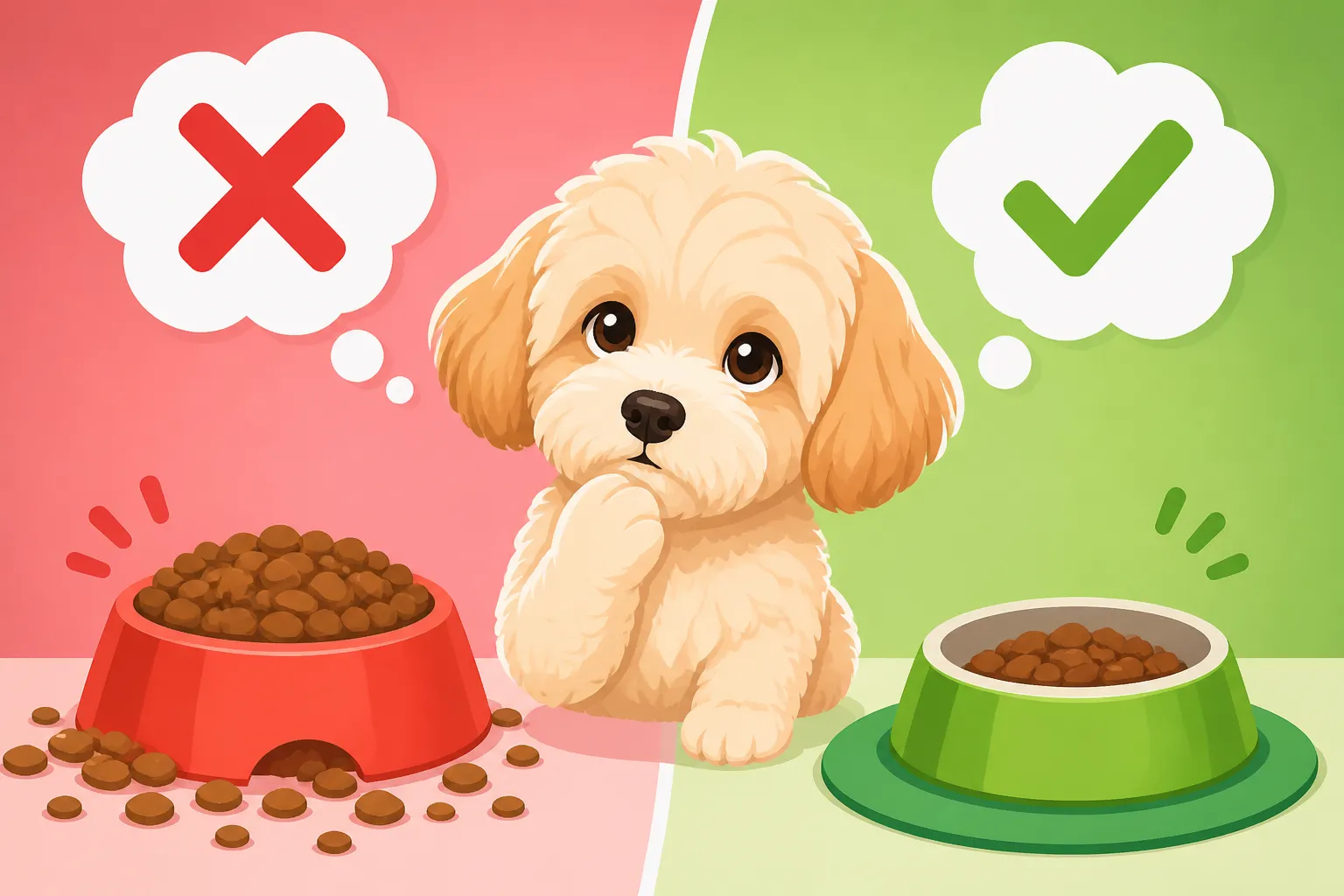
Whether a Maltipoo Should Ever Be Free Fed
It's a common picture: a full bowl of kibble sitting on the floor, waiting patiently for your Maltipoo to graze whenever the mood strikes. For many busy owners, the idea of "free-feeding" seems like a simple solution, offering convenience and the comforting thought that your beloved companion always has access to food. But when it comes to a delicate breed like the Maltipoo, this seemingly harmless practice can actually open the door to a host of health and behavioral problems that are far more complex and distressing than the perceived ease it offers. This guide is going to dig deep into why free-feeding might not be the best choice for your Maltipoo, and why a structured mealtime routine is a fundamental part of their well-being.
Understanding "Free-Feeding" for a Maltipoo
The concept of free-feeding, or ad libitum feeding, is deceptively simple: leave a bowl of food out all day and let your dog eat whenever they please. While it might seem like a way to ensure your Maltipoo is never hungry, it often overlooks the unique needs and vulnerabilities of small breeds.
What Does Free-Feeding Actually Mean?
At its core, free-feeding means providing a continuous supply of food, usually dry kibble, in your dog's bowl. There's no set schedule, no timed meals, and no direct portion control from you, the owner. The assumption is that your dog will regulate their own intake, eating only when hungry and stopping when full. For some dogs, particularly those with very high metabolisms or who are naturally self-regulating, this can work in theory. However, with a breed like the Maltipoo, whose ancestors were often used to having to work for their food, and whose small size brings its own metabolic quirks, this approach often falls short.
Think about it from your Maltipoo's perspective. The food is always there. There's no rush, no special event around mealtime. This can strip away the natural instinct of eating at a certain time and often leads to a casual approach to food that can have unintended consequences. It also means you might not notice if your Maltipoo's appetite changes, which is a crucial indicator of their health. When the bowl is always full, a slight decrease in eating over several hours might go completely unnoticed until it becomes a significant problem.
Why Owners Consider Free-Feeding
The reasons owners gravitate towards free-feeding are almost always rooted in good intentions and the realities of modern life. Convenience is a huge factor. In households where everyone has different schedules, or where a pet owner works long hours, the thought of precisely timing meals can feel like an extra burden. Leaving a full bowl out seems to solve that problem instantly.
Another common reason is the belief that it reduces competition in multi-pet households or provides a sense of security for the dog. Owners might think they are giving their Maltipoo "freedom" or preventing them from ever feeling hungry, especially if they associate hunger with anxiety. There's also the myth that dogs will naturally eat only what they need, a carryover from observing wild animals. But our domesticated Maltipoos, living in comfortable homes with readily available, calorie-dense kibble, are a far cry from their wild counterparts foraging for scarce resources. They're often opportunistic eaters, and if the food is there, many will simply eat it.
The Risks of Free-Feeding for a Maltipoo's Health
For a small, delicate breed like the Maltipoo, the potential downsides of free-feeding far outweigh any perceived benefits. Their unique physiology makes them particularly vulnerable to issues that stem directly from an unregulated diet.
Weight Management and Obesity
This is arguably the biggest and most immediate risk. Maltipoos, while active, are small. Their caloric needs are relatively low, and even a slight overconsumption of food can lead to noticeable weight gain. A few extra kibbles a day can quickly add up for a dog that only weighs a few pounds. How Many Calories a Six Pound Maltipoo Needs is a vital piece of information that gets completely lost when food is constantly available.
Obesity in Maltipoos isn't just about aesthetics; it's a serious health concern. Excess weight puts undue strain on their tiny joints, potentially exacerbating or even causing conditions like Slipping Kneecaps in a Maltipoo, a common ailment in small breeds. It can also lead to heart disease, diabetes, respiratory problems, and a decreased lifespan. When food is always in the bowl, many Maltipoos will graze throughout the day out of boredom or habit, not true hunger. This constant intake makes it incredibly difficult for owners to monitor exactly how much their dog is eating, leading to a creeping weight gain that can be hard to reverse. Imagine trying to track your own calorie intake if you had a buffet available 24/7 – it's tough, and it's even tougher for a dog who doesn't understand the concept of a balanced diet.
Hypoglycemia Risk, Especially for Puppies
This is a critical point, especially for young Maltipoo puppies or "teacup" sized adults. Hypoglycemia, or dangerously low blood sugar, is a real and terrifying threat for these tiny dogs. Their small bodies have limited energy reserves, and they can't go long periods without food. Why a Two Pound Maltipoo Cannot Skip a Meal isn't just a suggestion; it's a life-saving directive.
Scheduled feeding ensures that your Maltipoo, especially a puppy, receives consistent nourishment throughout the day, preventing their blood sugar from plummeting. When free-feeding, a puppy might gorge itself, then go long stretches without eating, leading to a sudden drop in blood sugar. This is why many breeders and vets strongly advise against free-feeding, particularly for puppies under six months or any Maltipoo The Weight at Which a Maltipoo Puppy Is at Risk. A scheduled approach also allows you to give them smaller, more frequent meals, which is often recommended for puppies. Whether a Maltipoo Puppy Should Be Fed Overnight is another concern that scheduled feeding addresses directly, ensuring vital calories are consumed during vulnerable periods.
Dental Health Concerns
Maltipoos are notoriously prone to dental issues. Their small mouths are often crowded with The Forty Two Teeth Crowding a Maltipoo's Jaw, which can lead to plaque and tartar buildup. While free-feeding itself doesn't directly cause dental disease, the type of food often left out for free-feeding, typically dry kibble, can actually contribute to the problem if not managed correctly.
When dogs graze on dry kibble throughout the day, bits of food can get stuck between teeth. If this food isn't cleared away, either by proper chewing or, more importantly, regular brushing, it quickly turns into plaque. Without distinct mealtimes, there's no natural "reset" or opportunity for the mouth to clear itself before the next round of grazing begins. Furthermore, some dental chews are designed to be given after meals to help clean teeth, but these lose their efficacy or become just another source of calories if food is constantly available. This makes the critical habit of Brushing a Maltipoo's Teeth Every Single Day even more vital, yet less effective if the diet isn't controlled.
Behavioral Implications of Free-Feeding
Beyond the physical health risks, free-feeding can subtly, and sometimes not so subtly, impact your Maltipoo's behavior, leading to habits that are difficult to break later on.
Picky Eating and Food Refusal
When food is always available, it loses its special status. Your Maltipoo might start taking it for granted, leading to pickiness. Why eat now when it will always be there? This can become a real problem if you ever need them to eat a specific food (like a prescription diet) or if you need them to eat within a certain timeframe for medical reasons.
A free-fed Maltipoo might become uninterested in their regular kibble because there's no anticipation or drive. They might hold out for treats or table scraps, knowing that their main meal is always there if they get truly desperate. This can turn mealtimes into a frustrating battle of wills, and suddenly, you're hand-feeding your Maltipoo just to get them to eat, inadvertently reinforcing their picky behavior. This cycle can be incredibly difficult to break and causes immense stress for owners concerned about their dog's nutritional intake.
Resource Guarding and Dominance Issues
While often associated with dogs in challenging environments, resource guarding can develop even in loving homes, and constant access to food can sometimes be a contributing factor. If food is always in the bowl, a Maltipoo might begin to see that bowl as an extension of their territory that they must protect from anyone approaching it. This might manifest as growling, snapping, or even biting if someone (or another pet) gets too close while they are eating or resting near their ever-present food source.
In a multi-pet household, this can be particularly problematic. Even if your Maltipoo is tiny, they can develop guarding behaviors towards other dogs or even children who might innocently approach the food bowl. Scheduled mealtimes, where food is put down and then picked up, establish clear boundaries and help the dog understand that food is provided by you at specific times, rather than being an unlimited resource they must constantly defend. This structure creates a more harmonious environment and reinforces your role as the provider.
Difficulty With Potty Training
One of the cornerstones of successful potty training is predictability. What goes in must come out, and usually on a fairly predictable schedule. When a Maltipoo is free-fed, there's no clear pattern to their intake, which means there's no clear pattern to their elimination needs. This makes it incredibly challenging to establish a consistent potty schedule.
You can't anticipate when they'll need to go out if you don't know when they last ate or how much. This often leads to more accidents in the house and prolongs the potty training process, which is already a significant undertaking for any small breed. Why Housetraining a Maltipoo Takes Longer Than You Expect is often cited, and inconsistent feeding schedules are a major contributor to this difficulty. Establishing set mealtimes, followed by immediate potty breaks, creates a rhythm that teaches your Maltipoo when and where to relieve themselves, setting them up for success.
Scheduled Feeding: The Safer, Healthier Alternative
Moving away from free-feeding and embracing a scheduled meal routine is one of the best decisions you can make for your Maltipoo's health, happiness, and overall well-being. It brings structure, predictability, and allows you to be an active participant in their nutritional care.
Establishing a Consistent Meal Schedule
The first step is to establish a routine. For most adult Maltipoos, two meals a day, morning and evening, works perfectly. For puppies, especially tiny ones, three or even four smaller meals a day might be necessary to ward off hypoglycemia. How Much a Maltipoo Puppy Eats at Twelve Weeks usually means dividing their daily portion into several sittings. The key is consistency. Feed them at roughly the same times every day.
When you put the food down, give them about 15-20 minutes to eat. If they haven't finished, pick up the bowl until the next scheduled meal. This might seem harsh at first, especially if they're used to grazing, but it teaches them that food is available at certain times and that they need to eat when it's offered. This also means no more food left out overnight, which can attract pests and become stale. This consistent routine will not only help regulate their appetite but also provide crucial predictability for potty breaks and other daily activities.
Portion Control and Nutritional Needs
With scheduled feeding, portion control becomes effortless. You know exactly how much your Maltipoo is consuming each day, making it easy to adjust their intake based on their activity level, age, and any specific health needs. This is where tools like a kitchen scale really shine. Eyeballing with a measuring cup can be notoriously inaccurate, especially for small portions. Measuring by weight, using a scale, ensures precision. How Many Ounces a Four Pound Maltipoo Eats is a precise number, not a guess.
Different life stages also have different nutritional requirements. Puppies need more calories for growth, while seniors might need fewer as their metabolism slows down, or a different type of food if they have dental issues. By monitoring portions, you can ensure they are getting the right balance without overfeeding. Brands like Chewy and Amazon offer a wide variety of precisely formulated small-breed foods and supplements, making it easier to meet these specific needs. For those considering fresh food options, services like Ollie provide pre-portioned meals tailored to your dog's specific caloric requirements, making portion control incredibly simple and accurate.
Monitoring Food Intake and Appetite
One of the most valuable benefits of scheduled feeding is the ability to closely monitor your Maltipoo's appetite. If your dog suddenly leaves food in their bowl or shows no interest in eating during their designated mealtime, it's a clear signal that something might be amiss. This early warning system is vital, especially for small breeds where health changes can escalate quickly.
A decreased appetite can be a symptom of various health issues, from dental pain to more serious conditions. If you're free-feeding, a slight dip in consumption might go unnoticed for hours, or even days, allowing a problem to worsen. With scheduled meals, you'll know immediately if your Maltipoo isn't eating their usual amount, prompting you to investigate further or consult your vet. This proactive approach can lead to earlier diagnosis and treatment, potentially saving your Maltipoo from significant discomfort or even a life-threatening situation.
Practical Tips for Successful Scheduled Feeding
Transitioning to scheduled feeding, or simply improving your current routine, doesn't have to be daunting. With a few practical tips, you can make mealtimes a positive and healthy experience for your Maltipoo.
Choosing the Right Food and Bowls
Selecting the right food is paramount. Look for high-quality small-breed kibble or wet food designed for their specific needs, often with smaller pieces that are easier for their tiny mouths to chew. Always read ingredient labels and consult your vet for recommendations based on your Maltipoo's age, activity level, and any sensitivities. Many excellent options are available from reputable pet supply retailers like Chewy, offering a wide selection and detailed product information.
The right bowl can also make a difference. Opt for shallow bowls or elevated feeders that are comfortable for your Maltipoo to eat from, without straining their neck. For Maltipoos with their adorable, long ear feathering, a narrow, deeper bowl can prevent their ears from dipping into their food, keeping them cleaner. This is a common issue that many owners overlook, but a bowl designed with their unique features in mind can be a real game-changer. Whether a Maltipoo Needs a Bowl That Keeps Its Ears Out is a valid question, and the answer is often yes, it can really help!
Managing Multiple Pets and Meal Times
If you have more than one pet, managing meal times can feel like a juggling act. However, scheduled feeding actually simplifies this. By feeding all pets at the same time in separate, designated areas, you minimize competition and the potential for resource guarding. Each pet learns that their food is theirs alone and that it will be provided reliably.
For pets with different dietary needs, this separation is crucial. You can ensure each dog is eating only their prescribed food without worrying about them sneaking bites from another's bowl. If one dog is a slow eater, you can put their food down in a quiet room and close the door, allowing them to eat without pressure from a more enthusiastic diner. This structured approach fosters a sense of calm and routine during mealtimes, reducing stress for everyone involved.
Overcoming Resistance to Scheduled Meals
If your Maltipoo has been free-fed their whole life, they might initially resist the change to scheduled meals. This is normal, and patience is key. They might turn their nose up at their first few scheduled meals, waiting for you to put the food back down permanently. Don't give in! They will eventually learn.
Start the transition gradually. If they're currently free-fed, try picking up the bowl for a few hours at a time, then putting it back down. Slowly increase the time the bowl is away, until you're at your desired two or three scheduled mealtimes. You can also make mealtime more appealing by adding a bit of warm water to their kibble to bring out the aroma, or mixing in a tiny bit of plain canned pumpkin or cooked chicken (ensure it's safe for dogs). If your Maltipoo consistently refuses to eat for more than 24 hours, especially a puppy, contact your vet immediately to rule out any underlying health issues. A gradual, consistent approach will help your Maltipoo adjust to their new, healthier routine.
Special Considerations for Maltipoo Puppies and Seniors
While scheduled feeding is important for all Maltipoos, puppies and seniors have unique needs that make a consistent and closely monitored meal schedule even more critical.
Puppies: High Energy and Hypoglycemia Protection
Maltipoo puppies are bundles of energy, and their tiny bodies are working overtime to grow and develop. This high metabolism, combined with their limited fat reserves, makes them extremely susceptible to hypoglycemia. This is why Hypoglycemia and the Teacup Maltipoo Puppy is such a pervasive concern. For these youngsters, "free-feeding" is simply too risky.
Puppies need frequent, small meals to keep their blood sugar stable. Depending on their age and size, this could mean feeding them three or four times a day. As they grow, you can gradually reduce the frequency to two meals a day, usually around six months of age. Always ensure they have access to fresh water alongside their meals. A scheduled routine ensures they get the constant fuel they need to thrive and protects them from potentially life-threatening sugar crashes. Monitoring how much they eat at each sitting is crucial, allowing you to intervene quickly if their appetite drops.
Seniors: Changing Appetites and Dental Challenges
As Maltipoos age, their needs shift again. Older Maltipoos might become less active, leading to a decrease in caloric requirements. Without portion control, it's easy for them to gain weight, which can worsen age-related conditions like arthritis. Cutting an Old Maltipoo's Portions as It Slows is a proactive step that scheduled feeding makes possible.
Dental issues also become more prevalent in senior Maltipoos. Years of wear and tear, coupled with a propensity for dental disease, can make chewing painful. They might have missing teeth or sore gums, making hard kibble difficult to manage. With scheduled feeding, you can easily switch to softer foods, add warm water to kibble, or use a high-quality wet food option. You can also monitor their chewing habits during meals, noticing if they're struggling or favoring one side of their mouth. This helps you communicate any concerns to your vet, ensuring their comfort and continued good health, which is vital as they enter their golden years.
Here's a quick comparison to help you visualize the differences:
| Feature | Free-Feeding a Maltipoo | Scheduled Feeding a Maltipoo |
|---|---|---|
| Food Availability | Constant, 24/7 access to food | Food offered at specific times, then removed |
| Portion Control | Difficult to impossible to monitor daily intake | Precise measurement and control of daily calories |
| Weight Management | High risk of obesity due to grazing | Easier to maintain a healthy weight and prevent overeating |
| Hypoglycemia Risk | Higher risk, especially for puppies, due to inconsistent intake | Minimized risk due to regular caloric intake and stable blood sugar |
| Dental Health | Potential for increased plaque/tartar buildup, food residue | Easier to clean mouth after meals, less constant food exposure |
| Appetite Monitoring | Difficult to detect changes in appetite | Easy to spot changes in appetite, early indicator of illness |
| Picky Eating | Can encourage pickiness and food refusal | Promotes healthy appetite and anticipation for meals |
| Resource Guarding | Can contribute to guarding behaviors | Reduces guarding by establishing clear food boundaries |
| Potty Training | Hinders predictability, leads to more accidents | Aids in establishing a consistent potty schedule |
| Owner Convenience | Perceived as convenient, but can create other problems | Requires consistency but offers greater control and peace of mind |
Ultimately, while free-feeding might seem like a straightforward way to keep your Maltipoo fed, the hidden costs to their health, behavior, and your peace of mind are significant. Embracing scheduled meals provides a foundation for a healthy, well-adjusted companion, allowing you to better understand and care for their specific needs, from puppyhood through their golden years.
Disclaimer
This article is for general informational purposes only and does not constitute professional advice. Laws, prices and regulations vary by location and change over time. Consult a qualified professional for guidance on your specific situation.