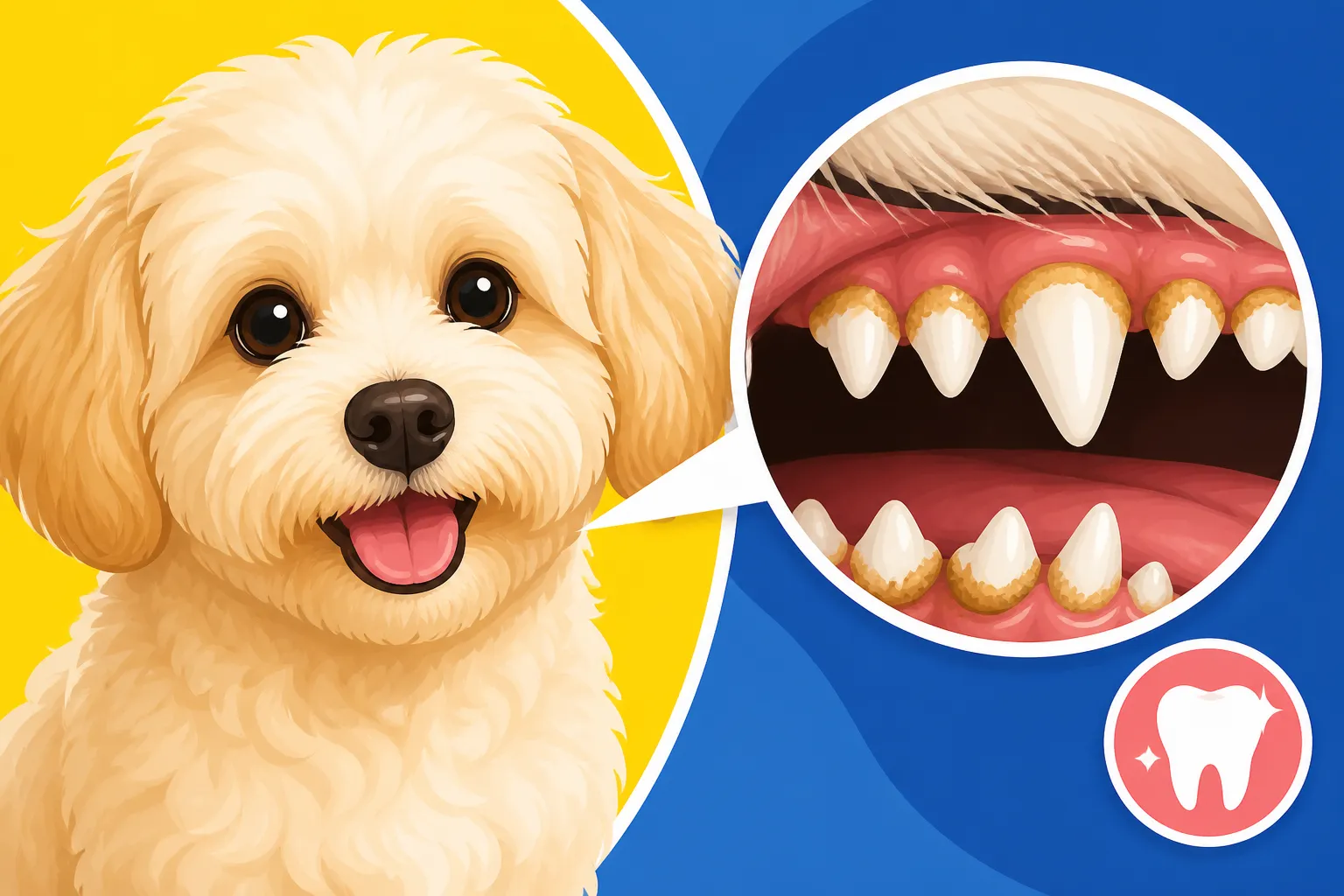
What Tartar Looks Like on a Maltipoo
It can be incredibly disheartening to realize your beloved Maltipoo’s sparkling white teeth are starting to look a little… well, not so sparkling anymore. That subtle yellow-brown discoloration or crusty build-up near the gum line is often the unwelcome sign of tartar, and it’s a problem far more common in our smaller canine companions than many owners realize. This guide will walk you through exactly what tartar looks like on a Maltipoo, why it's such a persistent issue for them, and what you can do to protect their precious smiles.
The Sneaky Nature of Dental Disease in Maltipoos
Maltipoos, with their adorable small jaws and sometimes crowded teeth, are unfortunately prime candidates for dental problems. It's not a reflection on your care; it's often a built-in predisposition. Many owners don't realize how quickly plaque can turn into hard, calcified tartar, leading to a cascade of other health concerns if left unchecked.
Why Maltipoos Are Prone to Dental Issues
One of the biggest frustrations for Maltipoo owners is how rapidly dental issues can develop. It often feels like you just had their teeth cleaned, and already there's new build-up. The truth is, their unique anatomy plays a huge role. Maltipoos inherit traits from both the Maltese and the Poodle, and when it comes to teeth, this can mean a double whammy of potential problems. Their small mouths often mean that their teeth are tightly packed together. Think of a tiny apartment trying to fit too much furniture – there's just not enough space for everything to sit comfortably. This crowding creates nooks and crannies where food particles and bacteria can easily get trapped. These are the perfect breeding grounds for plaque, which is a soft, sticky film that constantly forms on teeth.
If this plaque isn't brushed away regularly, it quickly combines with minerals in your dog's saliva and hardens into tartar, also known as calculus. Unlike plaque, tartar can't be brushed off with a toothbrush; it's a rock-hard substance that clings tenaciously to the tooth surface. Moreover, the breed tendency for retained baby teeth – where the deciduous teeth don't fall out as the adult teeth erupt – can exacerbate crowding and further increase the risk of plaque and tartar accumulation. It’s a battle many small dog owners know all too well, and it often feels like you’re fighting an uphill war. This is a big reason why The Forty Two Teeth Crowding a Maltipoo's Jaw is such a common topic among owners.
The Early Stages: What You Might Miss
In its very earliest stages, tartar can be incredibly subtle, which is why it's so easy for even the most vigilant owner to miss. Initially, you might notice a slight yellowing along the gum line, especially on the canine teeth (the longer, pointy ones) and the molars at the back. It’s not a dramatic shift, more like a dull film rather than a bright white. The gums themselves might still look healthy, a nice, pale pink. You might dismiss it as just a bit of stain, or perhaps even normal dog teeth.
However, as plaque progresses to tartar, this yellowing deepens. It starts to look more like dried mustard or a light beige crust. At this point, it's still usually confined to the very edge of the tooth where it meets the gum, and it might not yet extend far up the tooth surface. You might not notice any change in your Maltipoo's breath yet, or only a very faint, slightly "doggy" smell, not yet the full-blown "fish breath" that signifies more advanced disease. This is often the critical window where diligent home care can still make a significant difference, before professional intervention becomes absolutely necessary. This subtle stage is often why owners wonder Whether a Maltipoo's Breath Means Dental Disease or if it’s just how dogs smell.
Spotting Tartar: A Visual Guide for Maltipoo Owners
Identifying tartar early is crucial for your Maltipoo's long-term health. It's not always obvious, especially with their sometimes-nervous nature making mouth inspections a challenge. But knowing exactly what to look for can make all the difference.
The Tell-Tale Signs on Teeth and Gums
When tartar really starts to take hold, it becomes much more noticeable. You're looking for hard, rough deposits on the teeth. These deposits aren't smooth like tooth enamel; they have a gritty, often bumpy texture. The color will typically range from a dingy yellow to a dark brown, almost black, especially on the back teeth or where the tooth meets the gum. Imagine a piece of old, dried-up chewing gum stuck to a surface, then hardened and discolored over time – that's often what advanced tartar can resemble. It frequently appears as a collar around the base of the tooth, often extending downwards into the gum line.
Beyond the visible deposits on the teeth, the gums themselves will start to show signs of irritation and inflammation, a condition known as gingivitis. Healthy gums are a uniform pale pink, lying snug against the teeth. With gingivitis, you'll see redness, especially along the edge of the gums where they meet the teeth. They might also appear swollen or puffy, rather than firm and tight. In more severe cases, the gums might even bleed easily when touched or when your Maltipoo chews on a toy. If you gently lift your Maltipoo's lip and see a distinct red line where the gums meet the yellow-brown crust on the teeth, that’s a clear indicator that dental disease is progressing. You might even notice slight receding of the gums, exposing a bit more of the tooth root than you usually see. This is often when owners start asking What Tartar Looks Like on a Maltipoo.
Here’s a quick visual guide to help you differentiate:
| Sign | Healthy Mouth | Early Tartar | Advanced Tartar & Gingivitis |
|---|---|---|---|
| Tooth Color | Uniform off-white | Slight yellowing near gum line | Yellow to dark brown, crusty |
| Gum Color | Pale pink, uniform | Pale pink, possibly light redness at edge | Red, inflamed, swollen |
| Gum Adherence | Snug against teeth | Snug, maybe slight irritation | Receding, detached from teeth |
| Texture on Teeth | Smooth enamel | Slightly gritty film | Hard, rough, calcified deposits |
| Breath | Mild, neutral | Slightly "doggy" | Foul, strong, offensive odor |
| Pain/Sensitivity | None | None visible | Reluctance to chew, pawing at mouth |
Beyond the Mouth: Other Indicators of Dental Trouble
While the direct visual cues inside the mouth are the most definitive, dental disease can manifest in other, less obvious ways that signal it’s time for a closer look. One of the most common and often first noticed signs is bad breath. We're not talking about just "dog breath" after they've eaten something questionable. This is a truly foul, pungent odor that can clear a room. It's caused by the accumulation of bacteria in the plaque and tartar, which release volatile sulfur compounds. If you're wrinkling your nose every time your Maltipoo gives you a kiss, that's a huge red flag.
Beyond the smell, you might notice changes in their eating habits. A Maltipoo with painful gums or teeth might become reluctant to eat hard kibble or crunchy treats. They might drop food, chew only on one side of their mouth, or simply stop eating as enthusiastically as before. Sometimes, they might even start pawing at their mouth or rubbing their face against furniture or your leg, trying to alleviate discomfort. You might also notice excessive drooling, sometimes with a reddish tinge if their gums are bleeding. In more advanced cases, if the infection spreads, you could even see swelling on one side of their face, particularly below an eye, indicating an abscess. These are all signs that the problem is no longer just cosmetic; it's causing discomfort and potentially spreading infection. This reluctance to eat can sometimes lead owners to think their Maltipoo is a Getting a Picky Maltipoo to Eat without realizing it's pain, not pickiness.
Taking Action: What to Do When You See Tartar
Finding tartar on your Maltipoo's teeth can be alarming, but it’s not a lost cause. The good news is there are concrete steps you can take, both at home and with your vet, to address the issue and prevent it from worsening.
Home Care Strategies and Tools
Once plaque hardens into tartar, brushing alone won't remove it. However, diligent home care is absolutely essential for preventing new plaque from turning into tartar and for maintaining the cleanliness achieved after a professional dental cleaning. The cornerstone of home care is daily tooth brushing. Yes, daily! This might sound daunting, but it's the most effective way to mechanically remove plaque before it mineralizes. Invest in a small, soft-bristled toothbrush designed for dogs, or even a finger brush if that’s easier for your Maltipoo. Use an enzymatic dog toothpaste – never human toothpaste, which contains ingredients toxic to dogs. Many brands offer palatable flavors like poultry or peanut butter to make it more appealing. You can find a wide range of these products on platforms like Chewy or Amazon. Starting slowly and making it a positive experience with praise and treats will go a long way. This is why learning Starting Tooth Brushing on a Maltipoo Puppy early is so important.
Beyond brushing, consider dental chews and water additives. Not all dental chews are created equal; look for those that are VOHC (Veterinary Oral Health Council) approved, as these have been scientifically proven to help reduce plaque and tartar. Brands like Greenies or OraVet chews are popular choices. Water additives contain enzymes that can help break down plaque in the mouth. While these won't remove existing tartar, they can be a helpful adjunct to brushing. Some owners also find success with fresh food diets, like those from Ollie, which can sometimes lead to less plaque build-up due to their texture and lack of starchy ingredients that cling to teeth. While fresh food isn't a dental cure-all, many report improved overall oral health. The key is consistency; a little bit every day is far more effective than an intense session once a month.
When to Consult Your Veterinarian
If you’ve spotted any signs of tartar, redness, swelling, or bad breath, your next step should always be a visit to your veterinarian. They can accurately assess the extent of the dental disease through a thorough oral examination. They might recommend dental radiographs (X-rays) to check for problems below the gum line, such as bone loss, abscesses, or impacted teeth, which are invisible to the naked eye. This is crucial because up to 60% of dental disease lies hidden beneath the gums.
The vet will likely recommend a professional dental cleaning, which is performed under general anesthesia. This allows them to thoroughly clean each tooth above and below the gum line, scale off all the hardened tartar using ultrasonic tools, and polish the tooth surfaces to make them smooth and less prone to future plaque adherence. If there are severely diseased teeth, extractions might be necessary to prevent further pain and infection. It's a scary thought for many owners, but a necessary one to ensure your Maltipoo's overall health and comfort. Yes, anesthesia for small dogs like Maltipoos comes with considerations, but modern veterinary medicine has made it very safe, often including pre-anesthetic blood work and IV fluids to minimize risks. You'll likely also want to understand What Extractions Add to a Maltipoo Dental if this becomes necessary.
Preventative Measures to Keep Tartar at Bay
Prevention is truly the best medicine when it comes to your Maltipoo's dental health. Establishing a routine from puppyhood is paramount. Start handling your Maltipoo's mouth early, even if it's just lifting their lips and gently touching their teeth. This acclimates them to the process and makes brushing easier down the line. Daily tooth brushing is the gold standard for prevention. Make it a non-negotiable part of their daily care, just like their walks or meal times.
Beyond brushing, regular veterinary check-ups are critical. Your vet can monitor their oral health and recommend professional cleanings before the tartar becomes severe, which is less invasive and costly than dealing with advanced disease. Dietary choices can also play a role. While kibble is often touted for "cleaning" teeth, many vets agree its effect is minimal. Some specialized dental diets are available, designed with unique kibble shapes and textures that can help scrape plaque, or with additives that prevent plaque from sticking. Talk to your vet about these options. Remember, a clean mouth isn't just about aesthetics; it’s about preventing pain and systemic health issues that can severely impact your Maltipoo's quality of life. Thinking ahead about Whether Dental Disease Shortens a Maltipoo's Life can be a powerful motivator for consistent prevention.
The Long-Term Impact of Untreated Dental Disease
It’s easy to think of tartar as just a cosmetic issue or merely the cause of bad breath. But for a Maltipoo, untreated dental disease can have profound and serious consequences that extend far beyond their mouth, affecting their entire body and well-being.
Beyond Bad Breath: Systemic Health Risks
The bacteria thriving in the tartar and infected gums of your Maltipoo don't stay confined to the mouth. They can easily enter the bloodstream, traveling to vital organs throughout the body. This is where dental disease becomes much more than just a dental problem; it becomes a systemic health risk. The most commonly affected organs are the heart, kidneys, and liver. Chronic bacterial infection and inflammation put a constant strain on these organs, potentially leading to serious conditions like endocarditis (inflammation of the heart lining or valves), kidney disease, or liver damage. Imagine a constant low-grade infection silently attacking your dog's most crucial internal systems – that's what can happen when periodontal disease is left unaddressed.
Furthermore, severe dental disease is incredibly painful. Your Maltipoo might be silently suffering from chronic pain, gum recession, tooth loss, or even jaw bone deterioration, all of which significantly impact their quality of life. They might become lethargic, irritable, or lose interest in playing, simply because they are in constant discomfort. This pain can also lead to changes in eating habits, which can then cause weight loss or nutritional deficiencies. It’s a vicious cycle that can severely diminish the happy, vibrant life you want for your Maltipoo. This connection to overall health is why many owners eventually ask Whether Bad Teeth Reach a Maltipoo's Heart.
The Cost of Neglect
Neglecting your Maltipoo's dental health might seem like it saves money in the short term, avoiding the cost of dental cleanings. However, in the long run, it almost invariably leads to far greater financial burdens and emotional distress. A routine dental cleaning when tartar is mild is considerably less expensive than extensive procedures involving multiple extractions, bone grafts, or treatments for systemic organ damage caused by infection. If your Maltipoo develops kidney disease or heart issues secondary to dental infection, the ongoing veterinary care, medications, and specialized diets for those conditions can quickly become a significant financial strain, often far surpassing the cost of regular preventative dental care.
Beyond the financial aspect, there’s the emotional toll. Watching your beloved companion suffer from pain, be unable to eat comfortably, or face serious systemic health issues is heartbreaking. Many owners express profound regret that they didn't prioritize dental care sooner once they see the dramatic improvement in their dog's health and demeanor after successful treatment. Investing in regular preventative care, including daily brushing and routine professional check-ups, is an investment in your Maltipoo’s comfort, longevity, and overall well-being. It's often cheaper, and certainly kinder, to prevent dental disease than to treat its advanced stages and their systemic consequences. This financial reality is a driving factor for many to investigate The Dental Bills a Maltipoo Owner Cannot Avoid.
Disclaimer
This article is for general informational purposes only and does not constitute professional advice. Laws, prices and regulations vary by location and change over time. Consult a qualified professional for guidance on your specific situation.