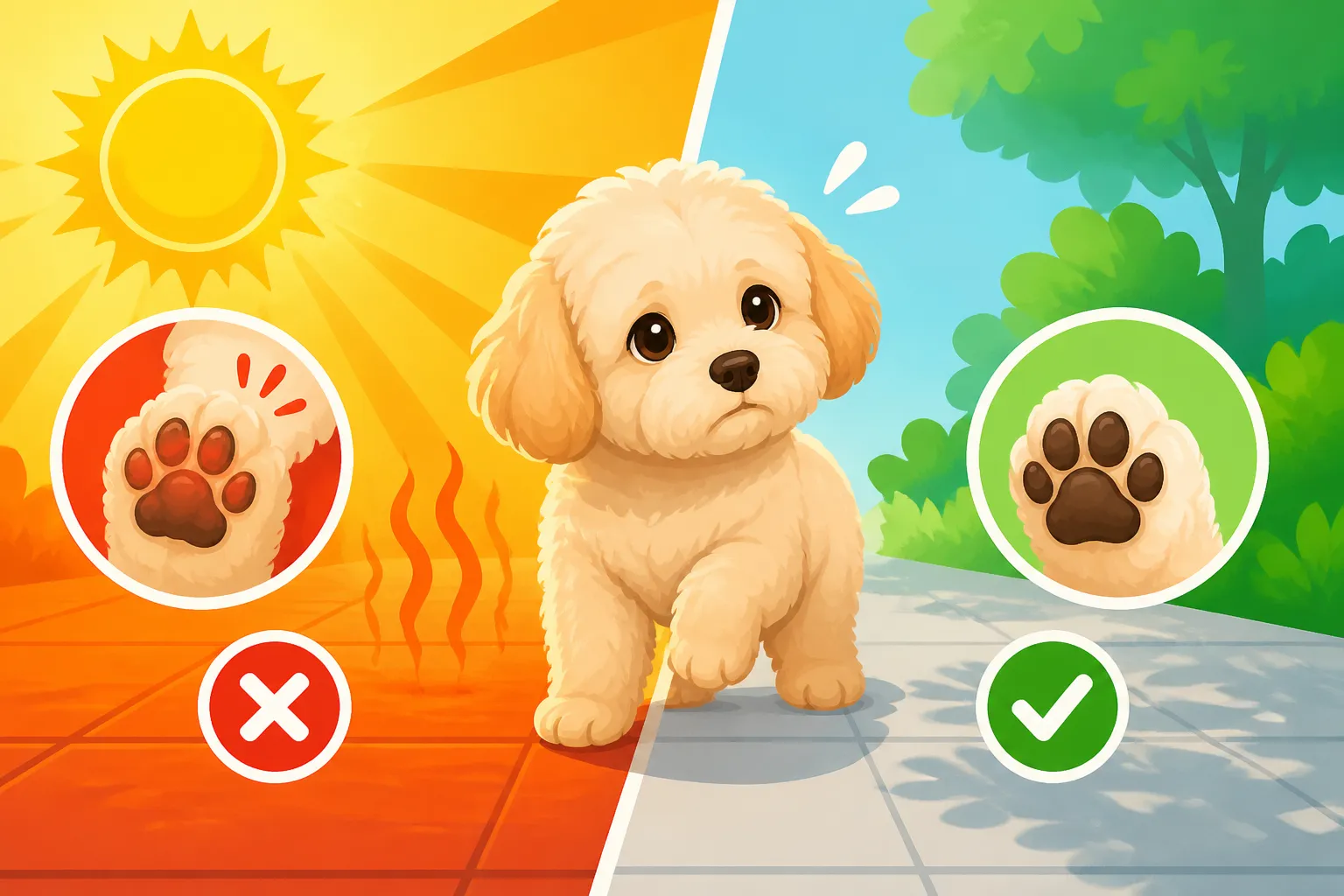
Whether a Maltipoo Copes With a Hot Sidewalk
As a devoted Maltipoo parent, you know that these tiny bundles of joy have unique needs. One often-overlooked concern, especially as the weather warms up, is the danger hot sidewalks pose to their delicate paw pads. It’s a real worry, isn’t it? You want your little companion to enjoy their walks, but the thought of them stepping onto scorching pavement can make any outing feel stressful. This guide is here to unravel the truth about how hot surfaces impact your Maltipoo's paws and, more importantly, equip you with practical, empathetic strategies to keep them safe and comfortable, no matter the temperature outside.
Understanding How Hot Surfaces Affect a Maltipoo's Paws
It's easy to forget just how vulnerable our Maltipoo's paw pads are, especially when we're wearing shoes. What feels merely warm to us can be agonizingly hot for them. Their little paws are literally the first point of contact with any surface, and unlike our protected feet, they don't have the luxury of thick soles or insulation. This makes understanding the impact of hot surfaces critical for every Maltipoo owner.
The Delicate Nature of Maltipoo Paw Pads
Imagine walking barefoot on black asphalt on a sunny summer day. Now, shrink yourself down to just a few pounds and be only inches from that searing surface. That's essentially what your Maltipoo experiences. Their paw pads are tough, yes, but they're not invincible. They're designed for traction and shock absorption, not extreme heat resistance. The skin on their pads is thick, but it's still skin, susceptible to burns, blistering, and cracking, just like human skin.
Furthermore, a Maltipoo's small stature means their entire body is closer to the ground, absorbing more radiant heat from the pavement than a larger dog might. This makes them particularly susceptible to overheating from the ground up, not just from the ambient air temperature. Surfaces like dark asphalt can reach incredible temperatures, often 30-60 degrees Fahrenheit higher than the air temperature itself. Even lighter concrete, often thought of as safer, can still get hot enough to cause discomfort and injury over time. It’s a stark reminder that what feels tolerable to us, or even warm and pleasant, can be a genuine danger to our furry friends. Their paws are their primary tool for exploring the world, and protecting them is paramount to their well-being.
Recognizing the Signs of Burned Paw Pads
The signs of burned paw pads can range from subtle to overtly painful, and it’s important to be vigilant. Sometimes, your Maltipoo might not vocalize their discomfort immediately, choosing instead to try and tolerate it. One of the first things you might notice is a slight limp or an unusual hesitation to walk. They might start picking up their feet more frequently, doing a little "hot potato" dance on the pavement. Once you get home, pay close attention to their behavior.
A Maltipoo with burned paws might constantly lick or chew at their feet, indicating irritation or pain. Upon closer inspection, you might see redness, swelling, or even visible blisters on the pads. In severe cases, the pads could appear discolored, almost black, and large pieces of skin might slough off, revealing raw, tender tissue underneath. It’s a truly heartbreaking sight. If you notice any of these signs, don't delay. Gently rinse their paws with cool (not cold) water and contact your veterinarian immediately. Even if the burns seem minor, they can quickly become infected and lead to much more serious issues, affecting your Maltipoo's ability to walk and enjoy life. Remember, their tiny size means they're not just dealing with the pain, but also the shock that can come with significant injury.
Measuring the Danger: How Hot is Too Hot?
The biggest challenge for Maltipoo owners is often gauging when the ground is too hot. Air temperature alone isn't always a reliable indicator, as pavement can absorb and retain heat far more efficiently than the surrounding air. This often leads to well-meaning owners accidentally exposing their Maltipoos to dangerous conditions. We need a more precise way to assess the risk right at ground level.
The "Seven-Second Rule" and Its Limitations for Maltipoos
You've probably heard of the "seven-second rule," and it's a useful starting point: place the back of your hand flat on the pavement. If you can't hold it there comfortably for seven seconds, it's too hot for your dog's paws. This rule is widely recommended because it gives you a direct, real-time assessment of surface temperature. However, for a Maltipoo, this rule, while helpful, might not be entirely sufficient.
Why? Because your hand is much further from the ground than your Maltipoo's entire body. Your Maltipoo's small size means they are inches from that hot surface, not only feeling the heat on their paw pads but also absorbing radiant heat into their abdomen and overall body. Their small bodies also regulate temperature differently, and they can overheat faster than larger breeds. So, while the seven-second rule is a good baseline, consider it the absolute maximum tolerable heat. For a tiny Maltipoo, you might want to be even more cautious. If it feels uncomfortably warm to your hand after just a few seconds, it’s probably already too hot for your delicate little friend. Always err on the side of caution; a missed walk is always better than a burned paw.
Different Surfaces and Their Heat Retention
Not all surfaces are created equal when it comes to heat. Understanding how various materials absorb and retain warmth can help you plan safer walks and avoid potential hazards. Dark, dense materials like asphalt are notorious for becoming scorching hot. Think about how hot your car's dashboard gets on a sunny day – similar principles apply to pavement. Concrete, while lighter in color, can still get very warm, especially after prolonged sun exposure. Even artificial turf, often found in urban areas or dog parks, can be a major heat trap.
Natural surfaces, on the other hand, tend to be much cooler. Grass, dirt trails, and shaded areas with natural earth or soft mulch are far more forgiving on paw pads. The moisture in grass, for instance, helps keep it cooler than dry, hard surfaces. Here's a quick comparison to illustrate the differences you might encounter on your daily strolls:
| Surface Type | Heat Absorption | Retention | Risk for Maltipoo Paws | Notes |
|---|---|---|---|---|
| Asphalt/Tarmac | High | Very High | Very High | Dark color absorbs maximum sun; can reach dangerous temps quickly. |
| Concrete | Medium | High | High | Lighter than asphalt but still absorbs significant heat. |
| Artificial Turf | Medium-High | High | High | Can trap heat, often hotter than natural grass. |
| Sand (Dry) | High | Medium | Medium-High | Can be hot, but less dense than pavement; watch for sharpness. |
| Natural Grass | Low | Low | Low | Cooler due to moisture and shade from blades; ideal for walks. |
| Dirt/Earth | Low-Medium | Low-Medium | Low-Medium | Absorbs less heat than pavement, good alternative. |
| Shaded Areas | Low | Low | Low | Crucial for all surfaces; shade significantly reduces temperature. |
Remember, direct sunlight is the primary culprit. Even on a relatively mild 75°F (24°C) day, asphalt in direct sun can hit 125°F (52°C) or higher. That's hot enough to cause burns in minutes. Always consider the time of day, direct sun exposure, and the specific surface you're asking your Maltipoo to walk on.
Practical Strategies for Protecting Your Maltipoo's Paws
Knowing the risks is just the first step; the real work lies in implementing practical strategies to keep your Maltipoo's paws safe. It's about being proactive and thoughtful, especially during those hotter months or in environments where surfaces can easily warm up. Protecting their paws isn't just about avoiding burns; it's about ensuring their overall comfort and willingness to engage in walks and outdoor activities.
Adjusting Walk Schedules and Routes
One of the simplest yet most effective ways to protect your Maltipoo's paws is to adjust when and where you walk. Summertime, or even just particularly sunny days in spring and fall, requires a shift in routine. Instead of your usual midday stroll, aim for walks during the cooler parts of the day. Early morning, right after the sun rises, or late evening, as the sun sets and the pavement has had a chance to cool down, are ideal. If you're a creature of habit, this might mean a slight adjustment to your own schedule, but your Maltipoo's comfort is worth it.
Consider your route carefully as well. Pavement isn't your only option! Seek out grassy parks, shaded trails, or areas with plenty of natural ground cover. Even walking on the grassy verge beside a sidewalk, instead of directly on the hot pavement, can make a huge difference. If you live in an urban environment where green spaces are scarce, look for routes that maximize shade from buildings or trees. On those truly scorching days, when even the early morning grass feels too warm, don't feel guilty about skipping the outdoor walk entirely. Indoor playtime, a game of fetch in a cool room, or even some Trick Training a Maltipoo With the Poodle Half can provide the mental and physical stimulation your Maltipoo needs without risking their paws. Remember, sometimes the kindest thing you can do for your Maltipoo is to keep them safely indoors when conditions are simply too extreme.
Paw Protection Products: Boots and Balms
While adjusting walk times and routes is crucial, sometimes you need an extra layer of protection. This is where paw protection products come into play. Dog boots, often called booties, are specifically designed to shield your Maltipoo's paws from hot surfaces, sharp objects, and even harsh chemicals or icy conditions. They come in various styles and materials, from breathable mesh for summer to insulated options for winter. When choosing boots for your Maltipoo, fit is absolutely paramount. Boots that are too loose can slip off, while those that are too tight can cause discomfort and restrict blood flow. You'll want to measure your Maltipoo's paw carefully and read reviews. Many reputable brands offer size guides, and you can find a wide selection on online retailers like Chewy or Amazon, allowing you to compare options and read what other small dog owners think.
Introducing boots to your Maltipoo might take a little patience. Start with short sessions indoors, offering plenty of praise and treats. Make it a positive experience, perhaps combining it with a fun activity. What a Maltipoo puppy should know by six months might include getting used to new sensations on their feet! Don't get discouraged if they initially try to shake them off or walk a bit awkwardly. With consistency, most Maltipoos adapt.
For those Maltipoos who simply won't tolerate boots, or for situations where the ground is only mildly warm, paw balms can offer a measure of protection. These balms create a protective barrier, moisturizing and conditioning the pads, making them more resilient. While they won't prevent burns on truly scorching surfaces, they can help prevent dryness and cracking, which makes pads more susceptible to injury. Balms typically contain natural ingredients like beeswax, shea butter, and various oils. Some popular choices can be found on Chewy or even by searching "paw balm for dogs" on Amazon. Applying it regularly, perhaps during your The Daily Routine a Maltipoo Needs or when teaching your Maltipoo to Teaching a Maltipoo to Give a Foot for nail trims, can maintain paw health and offer a little extra defense.
Hydration and Overall Heat Management
Protecting paws is only one part of the puzzle when dealing with heat; ensuring your Maltipoo's overall well-being and preventing overheating is just as vital. Their small size makes them particularly vulnerable to heatstroke, and even if their paws are protected, their internal temperature can still rise dangerously. Always carry fresh water for your Maltipoo during walks, even short ones. A collapsible bowl that clips to your leash or bag is an inexpensive, essential item. Offer water frequently, especially if they've been active.
Be vigilant for signs of general overheating. Excessive panting, drooling, lethargy, a wobbly gait, or bright red gums are all red flags. If you notice any of these, get your Maltipoo into a cool, shaded area immediately, offer water, and apply cool (not icy) cloths to their body, especially their belly and armpits.
Beyond hydration, consider other cooling aids. For Maltipoos, a cooling vest or a damp bandana can help regulate body temperature by promoting evaporative cooling. Some owners also use cooling mats indoors, which can be a godsend for dogs who tend to get warm, even inside. These products, readily available from online pet suppliers like Chewy, can significantly enhance your Maltipoo's comfort and safety during warmer weather. Remember, their adorable fluff, while wonderful for cuddling, can also contribute to them getting warm quickly, especially if they are not regularly groomed, which can sometimes lead to matting that traps heat.
Long-Term Care and Prevention
Protecting your Maltipoo's paws from hot surfaces isn't just a seasonal concern; it's an ongoing commitment that contributes to their overall health and happiness throughout their life. By incorporating proactive measures into your routine, you can build a strong foundation for healthy paws and prevent many common issues before they even start. Think of it as investing in their future comfort and mobility.
Regular Paw Pad Health Checks
Just like you check your Maltipoo's eyes, ears, and teeth, their paw pads deserve regular scrutiny. Making a habit of inspecting their paws allows you to catch minor issues before they escalate. After every walk, especially in warmer weather or on varied terrain, take a few moments to gently examine each paw. Look for any signs of redness, swelling, cuts, cracks, blisters, or foreign objects lodged between the pads. Are their pads unusually tender to the touch? Do they seem hotter than usual?
Regular checks can also help you spot dry or cracked pads, which are more susceptible to injury. If you notice any concerning changes, address them promptly. Early detection can prevent infection, reduce discomfort, and save you a trip to the vet for a more serious problem. This routine inspection is also a great opportunity to get your Maltipoo comfortable with having their feet handled, which makes other necessary care, like nail trims, much easier. It's all part of the bond and trust you build with your furry companion.
Grooming for Paw Health
Many Maltipoo owners focus on their beautiful coat and face, but the hair between their paw pads is just as important for their health and comfort. Maltipoos have perpetually growing hair, including on the undersides of their feet. If this hair is left untrimmed, it can become matted, collecting dirt, debris, and even tiny burrs. These mats can pull at the skin, causing pain and creating a breeding ground for bacteria or yeast infections. More critically, excessive hair between the pads reduces traction on smooth surfaces and can trap heat, making those hot pavement walks even more uncomfortable and dangerous.
Regular trimming of this paw pad hair is a non-negotiable part of Maltipoo care. Your professional groomer will typically include this as part of a full grooming session. When you take your Maltipoo for The Two Week Face Trim a Maltipoo Needs, ask them to pay special attention to the paw pads as well. If you prefer to do it yourself at home, use small, blunt-tipped scissors or a small, quiet clipper. Be extremely careful, as the skin between the pads is thin and delicate. Always trim the hair flush with the pads, being mindful not to cut into the webbing between their toes. Combining this with Cutting a Maltipoo's Nails on a Shaking Dog ensures complete paw maintenance. Keeping this area tidy allows for better air circulation, helps dissipate heat, and makes it much easier to inspect for any issues that might arise.
When to Seek Veterinary Attention
Despite your best efforts, accidents can happen, and sometimes a hot surface can still cause injury. It’s crucial to know when a paw pad issue requires professional veterinary attention versus something you can manage at home. While minor redness or slight tenderness might respond to gentle cleaning and a protective balm, more severe symptoms warrant an immediate vet visit.
If you observe blistering, open wounds, deep cuts, excessive limping, signs of infection (like pus, strong odor, or increased swelling), or if your Maltipoo refuses to put weight on a paw, it's time to call the vet. Burns, especially, can be very serious. They might look minor initially but can be much deeper than they appear and can lead to significant pain, infection, and prolonged healing. A veterinarian can properly clean the wound, assess the extent of the damage, prescribe pain relief, antibiotics if necessary, and advise on proper bandaging and aftercare. Prompt medical attention can prevent complications and ensure your Maltipoo recovers as quickly and comfortably as possible. Never hesitate to consult your vet; when it comes to your Maltipoo's health, it’s always better to be safe than sorry.
Protecting your Maltipoo's delicate paws from the dangers of hot sidewalks is a critical part of being a responsible owner. By understanding the risks, knowing how to assess surface temperatures, and implementing practical strategies like adjusting walk times, using protective gear, and maintaining good paw hygiene, you can ensure your beloved companion remains safe and comfortable. Be proactive, be observant, and always prioritize their well-being so they can continue to trot through life with happy, healthy paws.
Disclaimer
This article is for general informational purposes only and does not constitute professional advice. Laws, prices and regulations vary by location and change over time. Consult a qualified professional for guidance on your specific situation.