Whether a Maltipoo’s Curl Is Visible in the Litter
It's incredibly common for new Maltipoo parents, or those eagerly anticipating a puppy, to wonder what their little one will look like as they grow, especially when it comes to that adorable, signature curl. The truth is, predicting a Maltipoo's adult coat type, especially its curl pattern, from a tiny puppy in the litter can be a real head-scratcher, even for experienced breeders. This guide will dive into why it's so tricky, what you might realistically expect, and how to embrace the delightful surprise that is your Maltipoo's evolving coat.
Understanding Maltipoo Coat Genetics: The Great Unknown
When you bring home a Maltipoo, you're welcoming a wonderful mix of two distinct breeds: the Maltese and the Poodle. Both are celebrated for their non-shedding qualities, but their coat textures are quite different, and it's this genetic blend that makes predicting your Maltipoo's curl such a fascinating challenge. It’s like a genetic lottery, and each puppy in a litter can end up with a slightly different winning ticket.
The Poodle's Curly Influence
The Poodle parent, whether it's a Toy or Miniature, brings that iconic tight, dense curl to the genetic table. This curl is a dominant trait, and it’s what many people associate with the "doodle" look – that plush, bouncy, low-shedding coat. Poodle coats are single-layered, meaning they don't have an undercoat, which contributes to their hypoallergenic reputation. If your Maltipoo puppy leans heavily on the Poodle side of its lineage, you're more likely to see a strong curl develop. This curl isn't just for looks; it impacts grooming needs significantly, as these coats can mat quickly without proper care.
However, even within Poodles, there can be variations in curl tightness. Some might have very tight, corkscrew curls, while others have looser, wavier patterns. This inherent variability in the Poodle parent itself adds another layer of complexity to the Maltipoo's coat prediction. It’s not just a binary choice between curly or not; there’s a whole spectrum of curl patterns that can emerge, making the wait for the adult coat an interesting journey.
The Maltese's Silky Contribution
On the other side of the equation, we have the Maltese, known for its long, flowing, single-layered silky hair. This coat is straight, fine, and elegant, often reaching the floor if left untrimmed. Unlike the Poodle, the Maltese coat is all about length and silkiness, not curl. While it's also considered non-shedding, its texture and grooming requirements are vastly different from a Poodle's.
When a Maltese contributes its genes to a Maltipoo, it introduces the potential for a straighter, wavier, or silkier texture. A Maltipoo that favors the Maltese side might have a The Straight Coated Maltipoo look, which can be deceiving in puppyhood. You might see a fluffy puppy with soft, straight hair, only for it to develop a slight wave as it matures, or stay quite straight. Understanding that this silky straight hair is a strong genetic possibility helps manage expectations about what kind of curl, if any, will appear.
The "Unpredictable" Nature of the First Generation (F1)
Most Maltipoos are "F1," meaning they are a first-generation cross between a purebred Maltese and a purebred Poodle. This is where the unpredictability truly shines. With an F1 cross, there's a 50/50 chance for each gene to be passed on, creating a wide range of outcomes even within the same litter. You could have siblings with vastly different coats: one might have a tight Poodle-like curl, another a looser The Wavy Maltipoo Coat, and a third a straighter, silkier coat resembling the Maltese.
This genetic lottery means that even if a breeder shows you the parents, and one is very curly and the other very straight, you cannot definitively know what each puppy's adult coat will be. It's not like baking a cake where you mix ingredients and know the outcome. This genetic variability is part of the charm and challenge of hybrid breeds. For those who need a very specific coat type, say for severe allergies, an F1 Maltipoo might not be the safest bet, as the degree of curl and shedding can vary greatly.
What You Can See in a Litter and What's Still a Mystery
While it's tough to make iron-clad predictions about a Maltipoo's adult curl when they're still in the litter, there are some subtle clues, alongside some significant mysteries, that unfold as they grow. It's a journey from fluffy puppy to magnificent adult coat!
Early Indicators: A Glimpse, Not a Guarantee
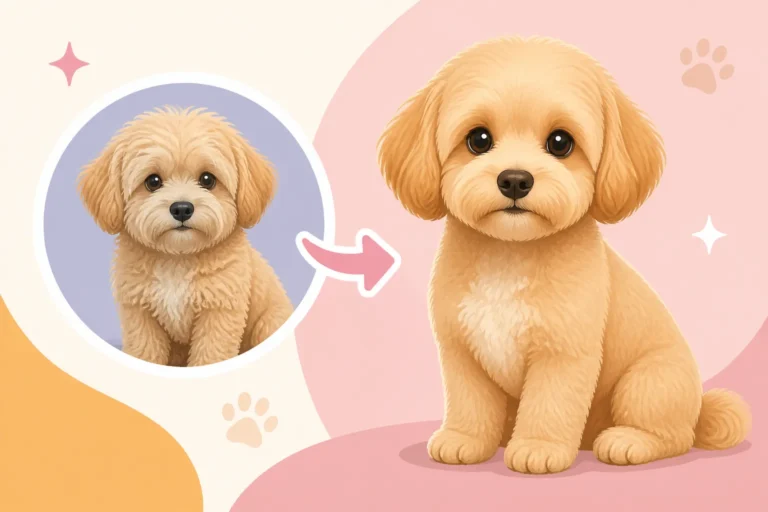
When you look at a Maltipoo puppy in the litter, their coat is incredibly soft and often quite uniform in texture. At this stage, it's generally referred to as a "puppy coat," and it’s very different from the adult coat that will eventually come in. You might see some slight differences:
- Feel and texture: Puppies with a silkier, straighter feel to their fur, often resembling cotton, might lean towards the Maltese side. Those with a slightly coarser, denser, or springier feel, even if not fully curly yet, might be showing early signs of Poodle influence.
- Minimal wave: Sometimes, you can detect a very gentle wave or kink in the fur, particularly around the ears or tail. This could hint at a future The Curly Maltipoo Coat or at least a distinct wave. However, don't mistake general puppy fluff for a true curl.
- Parental coats: The best "indicator" you have at this stage is observing the parent dogs' coats. While not a guarantee for an F1 litter, if both parents have very distinct coat types (e.g., a very curly Poodle and a very silky Maltese), you know the full spectrum of possibilities is in play. If one parent is an F1 Maltipoo, and the other is a Poodle (creating an F1b), there's a higher likelihood of a curlier coat, but again, no absolute certainties. A good breeder will talk to you about Whether a Maltipoo Puppy's Coat Tells You Anything, but will also be realistic about the limitations of early prediction.
However, these are subtle hints at best. Many puppies, regardless of their eventual adult coat, start out looking quite similar. It's often the development around 4-6 months that gives a clearer picture.
The "Puppy Coat Change" Phenomenon
One of the biggest mysteries, and sometimes frustrations, for new Maltipoo owners is the "puppy coat change." This is a period, typically between 6 to 18 months of age, where your Maltipoo's soft puppy fur begins to shed out (though it's minimal compared to shedding breeds) and is replaced by their adult coat. This transition can be quite dramatic and is often when the true curl or wave emerges.
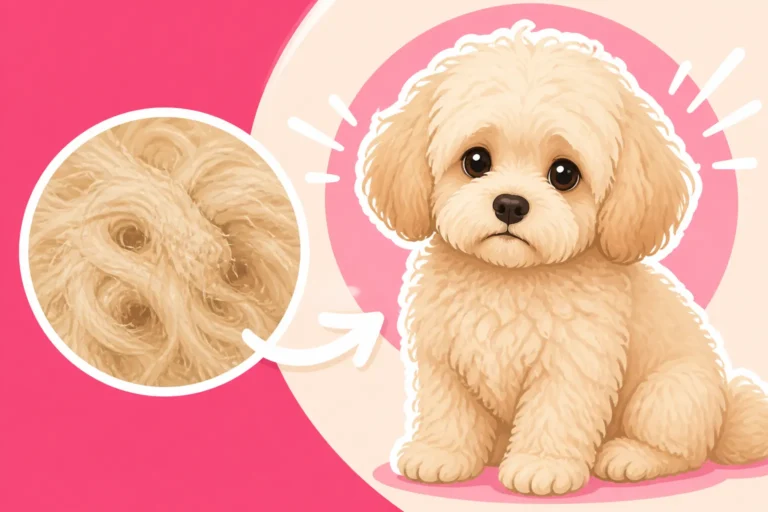
During this time, the coat can become incredibly prone to matting because the finer puppy hair gets tangled with the coarser, denser adult hair trying to grow in. You might have had a relatively easy time grooming up until this point, only to suddenly find daily brushing is essential. This is also when that adorable, soft puppy fluff turns into the more structured coat that will define your Maltipoo's look for years to come. Many owners are surprised by How Many Months a Maltipoo's Coat Change Runs and the intensity of the matting during this phase, making diligent grooming paramount.
Why Even Breeders Struggle to Predict
Even the most experienced Maltipoo breeders can't offer a 100% guarantee on a puppy's adult coat type, especially with F1 crosses. They can make educated guesses based on lineage and early indicators, but the genetic blend is simply too complex for absolute certainty. Reputable breeders focus on health and temperament first and foremost, understanding that coat type is a secondary, often unpredictable, trait in hybrid breeds.
They know that a puppy might show a slight wave at eight weeks, but develop a tight curl by eight months, or vice versa. The genetic expression of hair texture and curl is influenced by multiple genes, not just one, making precise prediction incredibly difficult. This is why you should be wary of any breeder who guarantees a specific curl pattern or promises a "non-shedding" coat without qualification for an F1 Maltipoo. The best breeders will honestly discuss the range of coat possibilities and emphasize the importance of consistent grooming for all Maltipoo coats.
Managing Expectations and Preparing for Any Coat Type
Given the delightful uncertainty of a Maltipoo's coat, the best approach for owners is to manage expectations and be prepared for any eventuality. Whether your Maltipoo ends up with tight curls, loose waves, or a flowing straight coat, they will all require dedicated care.
Grooming Essentials for All Maltipoo Coats
Regardless of the curl factor, all Maltipoos share one crucial trait: their coats are non-shedding, which means they are prone to matting. This isn't a problem unique to the curly ones; even The Straight Coated Maltipoo can develop painful mats if not brushed regularly. Therefore, having the right grooming tools and a consistent routine is non-negotiable.
- Brushing: Daily brushing is the golden rule. You'll need a slicker brush and a metal comb. The slicker brush gets through tangles, and the comb is essential for checking that you've reached down to the skin. Mats often start close to the body, in areas like behind the ears, under the armpits, and on the legs. Without regular combing to the skin, even a seemingly brushed topcoat can hide severe matting underneath. You can find excellent quality brushes and combs on platforms like Chewy or Amazon.
- Professional Grooming: Expect to visit a professional groomer every 6-8 weeks. They can maintain a manageable length and catch any mats you might have missed. Discuss The Trim a Maltipoo Owner Should Ask For, whether it's a "puppy cut" or a "teddy bear cut," to ensure your Maltipoo stays comfortable and looking their best.
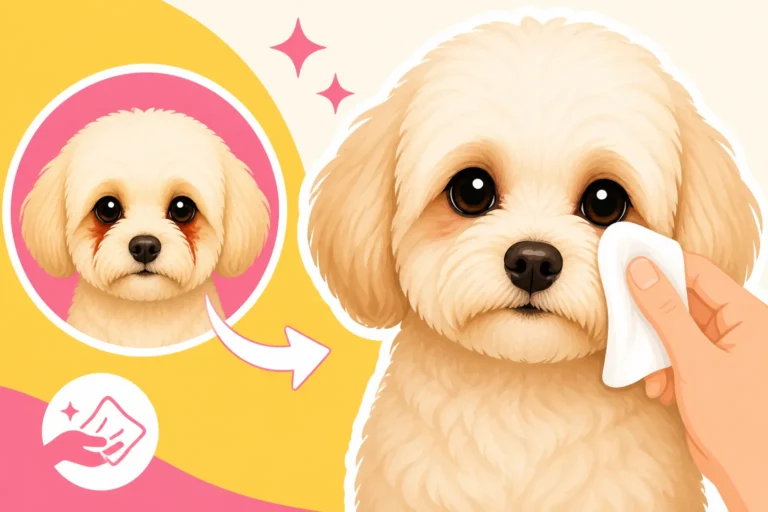
- Face Trims: Maltipoos need regular face trims to keep hair out of their eyes and prevent tear staining. This might be every two weeks, or even more frequently for some. The Two Week Face Trim a Maltipoo Needs is vital not just for aesthetics but also for eye health. You can learn to do this carefully at home between professional grooms, or ask your groomer to perform touch-ups.
- Bathing: Bathe your Maltipoo as needed, usually every 2-4 weeks, using a good quality dog shampoo and conditioner. Always brush thoroughly before bathing, as water can tighten existing mats, making them nearly impossible to remove.
| Coat Type | Description | Grooming Needs | Potential Challenges |
|---|---|---|---|
| Curly | Tight, dense curls like a Poodle. | Daily brushing with slicker brush and metal comb to prevent mats. Regular professional grooming (every 4-6 weeks) for trims. | Extremely prone to matting if neglected. Requires thorough brushing down to the skin. |
| Wavy | Looser, soft waves, mix of Poodle and Maltese. | Daily or every-other-day brushing with slicker brush and comb. Professional grooming every 6-8 weeks. | Mats can form easily where waves tangle. Still needs diligent care, especially during coat change. |
| Straight/Silky | Long, flowing, silky hair like a Maltese. | Daily brushing with a pin brush and metal comb to prevent tangles and mats. Professional grooming every 6-8 weeks for tidiness and hygiene. | Can still mat, especially in friction areas. Prone to collecting debris. Tear staining more visible on light coats. |
The Importance of a Reputable Breeder (and Realistic Promises)
When you're searching for a Maltipoo, a reputable breeder won't make grand promises about a puppy's adult coat texture or guarantee it will be perfectly hypoallergenic. Instead, they will focus on the health and temperament of their breeding dogs, conducting appropriate health screenings. They will be transparent about the parents' coats and the potential range of coats in the litter, explaining the genetics involved.
A good breeder will also allow you to visit the puppies and their parents, ask questions about their health history, and provide you with a health guarantee. They should be more interested in finding the right home for their puppies than in selling you on a specific aesthetic. Their priority is the well-being of the dog, which ultimately leads to a happier owner, regardless of whether the puppy ends up with a The Wavy Maltipoo Coat or a The Curly Maltipoo Coat. Always prioritize health and temperament over specific coat predictions.
Living with Your Maltipoo's Evolving Coat
Your Maltipoo's coat journey is unique, and learning to love and care for whatever magnificent texture develops is part of the joy of owning this wonderful breed. Patience, consistent grooming, and a proactive approach are your best friends.
Embracing the Wavy, Curly, or Straight Journey
The evolution of your Maltipoo's coat is a delightful part of their puppyhood and adolescence. Many owners are surprised when their seemingly straight-haired puppy starts developing waves or curls around six months to a year old. It’s a process, and the final adult coat often isn't fully set until they are around 18 months to two years old. Don't be too fixated on one ideal; each coat type has its own charm and benefits.
A The Curly Maltipoo Coat might need more frequent, thorough brushing, but it often has that adorable teddy bear look. A The Wavy Maltipoo Coat offers a lovely balance, while a straighter coat can feel incredibly soft and luxurious. The key is to adapt your grooming routine to what your dog's coat requires. If you find yourself struggling with knots, remember that Mats Behind a Maltipoo's Ears are common, and regular checks in those high-friction areas are crucial. Embrace the uniqueness of your Maltipoo's coat, whatever it may be!
Long-term Grooming and Health Considerations
Regardless of their curl, all Maltipoos need consistent grooming throughout their lives. This isn't just for aesthetics; it's a vital part of their health and comfort. Neglected coats can lead to painful mats that pull on the skin, cause skin infections, and even restrict movement. In severe cases, a pelted coat might require shaving down to the skin, which can be stressful for the dog and reveal underlying skin issues.
Beyond the daily brush and comb, consider products that help maintain coat health. Conditioning sprays can make brushing easier, and a good quality shampoo and conditioner are essential for bathing. You can explore a vast array of grooming products on Chewy or Amazon, making sure to read reviews to find what works best for your Maltipoo's specific coat type. Even an old Maltipoo will still need regular grooming, perhaps with shorter, more frequent sessions to minimize discomfort.
Remember, the goal is a happy, healthy Maltipoo. Their coat is a beautiful expression of their unique heritage, and with proper care, it will shine, no matter its curl pattern. You might even find that you enjoy the grooming routine as a special bonding time with your furry companion.
Disclaimer
This article is for general informational purposes only and does not constitute professional advice. Laws, prices and regulations vary by location and change over time. Consult a qualified professional for guidance on your specific situation.