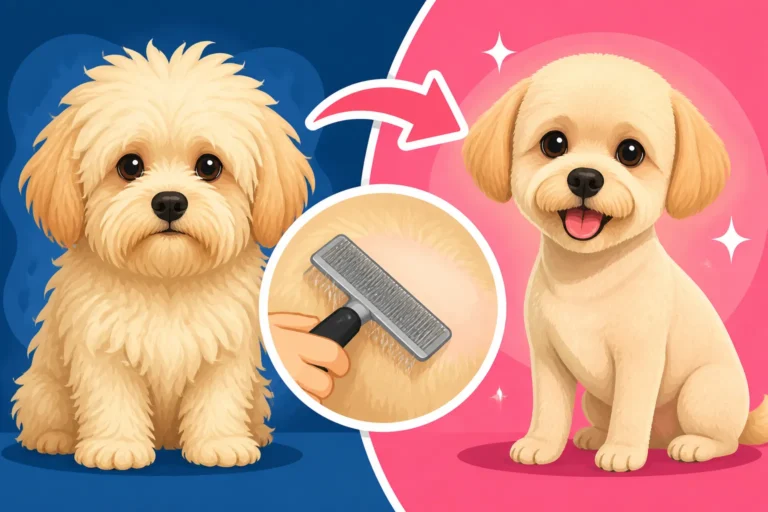
Mats Behind a Maltipoo’s Ears
One of the most disheartening sights for any Maltipoo parent is finding those dreaded mats, particularly the ones that seem to spring up out of nowhere right behind their sweet ears. These aren't just cosmetic issues; they can be incredibly uncomfortable, even painful, for your furry friend, pulling at their delicate skin and leading to irritation or worse. This comprehensive guide will walk you through exactly why these mats form, how you can gently tackle them at home, and, most importantly, how to prevent them from ever taking hold in the first place, ensuring your Maltipoo stays happy and tangle-free.
Why the Area Behind Your Maltipoo's Ears Is a Mat Magnet
It feels like magic sometimes, doesn't it? You brush your Maltipoo diligently, and yet, there they are: those stubborn knots right behind the ears. This isn't a reflection of your grooming skills, but rather a perfect storm of unique coat characteristics and everyday activity that makes this particular spot a prime target for matting. Understanding why it happens is the first step in combating it effectively.
The Unique Maltipoo Coat
Your Maltipoo's luxurious coat is a beautiful blend of its Maltese and Poodle heritage, and while it's wonderfully non-shedding, this characteristic comes with its own set of challenges. The Maltese brings a fine, silky, single-layer coat, while the Poodle contributes density and curl. The combination often results in a soft, wavy, or curly coat that is prone to tangling and matting if not meticulously cared for. The hair behind the ears is often finer and softer than the rest of the body, making it particularly susceptible to knotting. It's like the silkiest thread catching on everything – once one strand snags, others quickly follow suit, creating a dense, felt-like mat that's tough to get out. This constant growth, combined with its delicate nature, means it can quickly become an issue. It’s also important to consider The Coat a Maltipoo Gets From Two Non Shedding Parents and how that impacts overall grooming needs.
Friction and Movement
Think about what happens behind your Maltipoo's ears throughout the day. Their ears are constantly flapping as they run and play, scratching themselves with their hind paws, and rubbing their head against furniture or you for cuddles. All this seemingly innocent movement creates friction, and friction is the number one enemy of a non-shedding, mat-prone coat. Every rub, every scratch, every little shake of the head works like a tiny felting machine, pushing those fine hairs together and weaving them into knots. If your Maltipoo wears a collar that sits higher on the neck, or a harness that rubs against the ear base, that constant pressure and movement can also contribute to the problem. This is a common issue that many owners face, and it's something that often catches them off guard until a mat has firmly established itself. You might also want to look into Whether a Harness Rubs a Maltipoo's Coat Into Knots for more context.
Moisture and Neglect
Another significant contributor to ear mats is moisture, particularly if it's left to dry naturally within the coat without thorough brushing. A bath that isn't followed by careful drying and combing can quickly lead to mats. Water causes the hair to clump and contract, and if these clumps aren't brushed out as they dry, they'll tighten into mats. Even a Maltipoo playing in damp grass or getting a little wet on a rainy walk can develop mats if that moisture isn't addressed. Furthermore, if the ear area isn't part of your regular, frequent grooming routine – meaning it gets overlooked for a few days – a small tangle can quickly escalate into a full-blown mat. These mats can pull on the skin, creating tender spots that your Maltipoo might try to scratch more, exacerbating the issue and potentially leading to skin irritation. It’s a vicious cycle that diligent care can easily break.
Identifying and Gently Detangling Ear Mats on Your Maltipoo
Finding a mat can feel overwhelming, but with the right approach and tools, many can be resolved at home. The key is to be proactive, patient, and gentle. Remember, your Maltipoo's comfort is paramount. For general matting issues, you might find it useful to read about Working a Mat Out of a Maltipoo's Coat.
Early Detection is Key
The best time to tackle a mat is when it's just beginning to form. Make a habit of doing a quick "pat and feel" check behind your Maltipoo's ears every single day, perhaps during cuddle time or after a walk. Run your fingers through the hair, feeling for any small lumps or areas where the hair feels denser or more clumped than usual. Early tangles might feel like a small knot, easily mistaken for a tiny piece of debris. A more developed mat will feel like a hard, flattened disc or ball, often pulled tightly against the skin. The earlier you catch it, the easier and less painful it will be to remove. Don't wait until you can see the mat, as by then it's often quite tight and close to the skin. It really only takes a minute or two, and it can save you hours of work and your dog a lot of discomfort.
Tools of the Trade
Having the right tools is crucial for safely and effectively detangling mats. You'll want to gather these items before you start:
- Dematting Comb or Mat Splitter: These tools have sharp blades or teeth designed to cut through mats without pulling excessively. Be extremely careful when using them, as they are sharp.
- Slicker Brush: A high-quality slicker brush with fine, wire bristles is excellent for getting down to the skin and working through smaller tangles, as well as general grooming.
- Metal Comb: A sturdy metal comb with both wide and narrow teeth is essential for finishing work and ensuring all tangles are gone.
- Detangling Spray: A good detangling spray (you can find many options on Chewy or Amazon) lubricates the hair, making it easier to separate and reducing friction.
- Blunt-Nosed Scissors: For extremely careful trimming of loose hairs around the mat, or for cutting a mat if absolutely necessary, but only as a last resort and with extreme caution. Never cut directly into a mat near the skin.
- Treats: Keep plenty of your Maltipoo's favorite treats on hand to reward patience and make the experience positive.
Here’s a quick overview of tool functions:
| Tool | Best Use | Caution |
|---|---|---|
| Dematting Comb | Breaking apart tight, large mats | Blades are sharp; use with extreme care to avoid cutting skin. |
| Slicker Brush | Working out smaller tangles, brushing out loose undercoat (if any) | Don't press too hard; can scratch skin if bristles are too stiff or bent. |
| Metal Comb | Checking for tangles, line brushing, finishing | Ensure no sharp edges; use gentle strokes. |
| Detangling Spray | Lubricating hair, easing mat separation, reducing static | Choose dog-specific formulas; avoid spraying directly into eyes/ears. |
| Blunt-Nosed Scissors | Trimming around mat edges, last resort for cutting mats (extreme care) | ALWAYS point away from skin; never insert blades into a tight mat. |
The Detangling Process
When you find a mat, take a deep breath and remember patience is key. Find a quiet spot where your Maltipoo feels secure and you can comfortably work.
- Secure Your Maltipoo: For small dogs, gently hold them in your lap or on a grooming table if they are accustomed to it. Make sure they are calm. Offer a treat right away to set a positive tone.
- Apply Detangling Spray: Generously spray the mat and the hair surrounding it. Really saturate it, getting the spray down to the skin if possible. Let it sit for a minute or two to work its magic.
- Start Teasing from the Edges: Never pull on the mat itself. Instead, use your fingers to gently try and pull apart the outermost strands of hair from the mat. Work slowly, strand by strand.
- Use Your Tools Strategically:
- For smaller tangles, use the slicker brush, gently brushing away from the skin, a few hairs at a time.
- For denser mats, try the dematting comb. Carefully insert a tooth or two into the edge of the mat and gently pull away from the skin, trying to slice through a small section of the mat. Go slowly. Hold the skin at the base of the mat to minimize pulling and discomfort for your dog.
- Take Breaks: If your Maltipoo gets agitated or seems to be in pain, stop immediately. Give them a treat, a cuddle, and come back to it later. It’s better to tackle a mat in several short sessions than to cause your dog unnecessary stress or pain.
- Comb Through: Once you think you’ve got most of the mat out, use your metal comb to comb through the area. If the comb catches, you've missed a spot, and you need to go back and work on it more. Your goal is for the comb to glide smoothly through the hair from the skin outwards.
- When to Cut (Extreme Caution!): If a mat is so tight it cannot be teased apart, or it's causing skin irritation, you might have to consider carefully cutting it. This is where blunt-nosed scissors come in. Slide the scissors parallel to the skin, never pointing towards it, and try to cut into the mat from the edge, or along its length. Never try to insert the blade underneath a tight mat close to the skin. If you are unsure, it's always safer to visit a professional groomer or veterinarian.
Preventing Ear Mats: A Proactive Approach to Maltipoo Grooming
Prevention is always better than cure, especially when it comes to painful mats. Establishing a consistent grooming routine will save you and your Maltipoo a lot of discomfort and trouble down the line. It's about being consistent and understanding the specific needs of their coat.
Daily Brushing Routine
The single most effective way to prevent mats behind the ears (and everywhere else) is a daily brushing routine. This might sound like a lot, but for a Maltipoo, especially one with a denser or curlier coat, it’s non-negotiable. Aim for at least 5-10 minutes each day.
- Focus on Problem Areas: While you should brush the entire body, pay extra attention to behind the ears, armpits, and leg feathering, as these are common matting spots.
- Line Brushing Technique: This is crucial. Instead of just brushing the top layer, you need to systematically brush small sections of hair, lifting the top layer and brushing from the skin out, working your way through the entire coat. For the ears, gently hold the ear leather to expose the hair at the base of the ear and brush upwards, then downwards, making sure to get to the skin. This ensures you’re not just gliding over tangles.
- Use the Right Tools: Start with a good quality slicker brush (you can find excellent ones on Amazon) to work through any superficial tangles, then follow up with a metal comb to ensure no knots remain. If the comb snags, go back with the slicker brush.
- Detangling Spray: Use a detangling spray every time you brush. It helps reduce static, lubricates the hair, and makes the brush glide more easily, preventing new tangles. This simple step can make a huge difference in managing The Month a Maltipoo Starts Matting Daily.
Strategic Trimming
Sometimes, even with diligent brushing, certain areas just can't keep up. This is where strategic trimming comes in. Many Maltipoo owners opt for a "puppy cut" or a shorter trim, which significantly reduces the likelihood of matting.
- Professional Grooming: Schedule regular appointments with a professional groomer, typically every 4-8 weeks. They can expertly trim the hair behind the ears to a manageable length, removing the longer, finer hair that tends to mat fastest. Discuss your concerns about ear mats with your groomer, and they can suggest the best approach. A good groomer understands The Fifty to Eighty Dollar Maltipoo Groom isn't just a luxury, it's preventative health care. They can also advise on The Two Week Face Trim a Maltipoo Needs which often includes a little tidying around the ears.
- At-Home Trimming (with caution): If you’re comfortable and have blunt-nosed grooming scissors, you can carefully trim the hair directly behind and underneath the ears to a shorter length between professional grooms. Always use extreme caution, ensure the scissors are sharp (dull scissors pull), and hold the ear leather firmly to avoid accidents. If your Maltipoo is wiggly, leave this to the professionals.
Protecting the Ears
Beyond brushing and trimming, there are a few practical steps you can take to protect your Maltipoo's ear hair from matting.
- Snoods for Meals: If your Maltipoo has longer ear hair that tends to dip into their food or water bowl, a snood (a soft, tube-like head covering) can keep the hair clean and dry, preventing food and moisture from contributing to mats. These are readily available on pet supply sites like Chewy.
- Post-Bath Care: After every bath, thoroughly towel dry your Maltipoo, paying special attention to the ears. Then, use a low-heat hairdryer while brushing simultaneously to ensure the hair is completely dry and tangle-free. This is crucial; never let their coat air dry after a bath without brushing it out. For more details on this, you can check out Bathing and Drying a Six Pound Maltipoo.
- Collar/Harness Placement: Ensure collars and harnesses fit correctly and don't rub excessively on the area behind the ears. A properly fitted harness should sit lower on the chest, not up around the neck where it can cause friction.
- Daily Checks: Reiterate the daily "pat and feel." This quick check is your frontline defense against mats becoming a major problem. Make it a part of your daily routine, like their walk or mealtime.
When to Call in a Professional Groomer or Vet for Severe Matting
Sometimes, despite your best efforts, a mat can become too severe for at-home removal. It's important to know when to seek professional help, as attempting to remove a tight, painful mat yourself can cause more harm than good.
Recognizing Beyond At-Home Repair
How do you know when a mat is too much to handle?
- Tightness to the Skin: If the mat is pulled so tightly against the skin that you can't see daylight between the mat and the skin, or you can't even get your fingers underneath it, it's a job for a professional.
- Size and Density: Very large, dense, or multiple mats that cover a significant area behind the ears are often too difficult and time-consuming to remove gently at home without causing pain.
- Maltipoo's Pain Level: If your Maltipoo reacts with pain, growling, snapping, or trying to bite when you attempt to touch the mat, it's a clear sign that it's causing significant discomfort, and a professional with experience and appropriate tools is needed.
- Skin Irritation: If you notice redness, swelling, open sores, scabs, or a foul odor coming from beneath the mat, it means the skin is already irritated or infected. This warrants immediate professional attention, potentially from a veterinarian.
The Professional Touch
Professional groomers are trained and equipped to deal with severe matting safely. They have specialized clippers and techniques to carefully shave out mats without injuring the dog.
- Shaving, Not Brushing: For severe mats, a groomer will almost always shave them out rather than attempting to brush them. This is the quickest, least painful, and safest method. They can get underneath the mat with clippers, lifting it away from the skin before cutting.
- Matted Dog Fees: Be prepared for an additional charge for de-matting services, as it takes extra time, specialized skill, and wears down their equipment. This is a reasonable cost for the care and relief your Maltipoo will receive. You can get an idea of potential costs by looking at resources like What a Groomer Charges by the Hour on a Matted Maltipoo.
- Discussion with Groomer: Always be honest and upfront with your groomer about the extent of the matting. They can assess the situation and explain their plan, which might involve a very short clip in the affected area to get rid of the mats completely, allowing the hair to grow back healthy and mat-free.
Vet Intervention for Skin Issues
If the matting has led to skin problems, a trip to the veterinarian is essential.
- Infections and Sores: Mats can cut off air circulation to the skin, trap moisture, and pull so tightly that they cause abrasions or tears. This creates a perfect breeding ground for bacterial or fungal infections. Your vet can diagnose any underlying skin issues and prescribe appropriate medication, such as antibiotics or anti-inflammatory drugs.
- Pain Management: If your Maltipoo is in significant pain due to matting, your vet can provide pain relief or sedation to make the grooming process more tolerable. This is especially important if the mats are very extensive or the dog is highly sensitive.
- Long-Term Health: Severe matting isn't just a cosmetic problem; it can lead to chronic skin conditions, discomfort, and impact your Maltipoo's overall well-being. Regular vet check-ups, especially if grooming issues are persistent, can help manage potential complications. This is also linked to broader health concerns like Allergies Behind a Maltipoo's Itching, which can sometimes exacerbate skin and coat problems.
In conclusion, managing mats behind your Maltipoo’s ears comes down to diligence, the right tools, and knowing when to call for help. A consistent daily routine of gentle brushing, supported by professional grooming and prompt action on any emerging tangles, will keep your cherished companion comfortable and looking their best.
Disclaimer
This article is for general informational purposes only and does not constitute professional advice. Laws, prices and regulations vary by location and change over time. Consult a qualified professional for guidance on your specific situation.