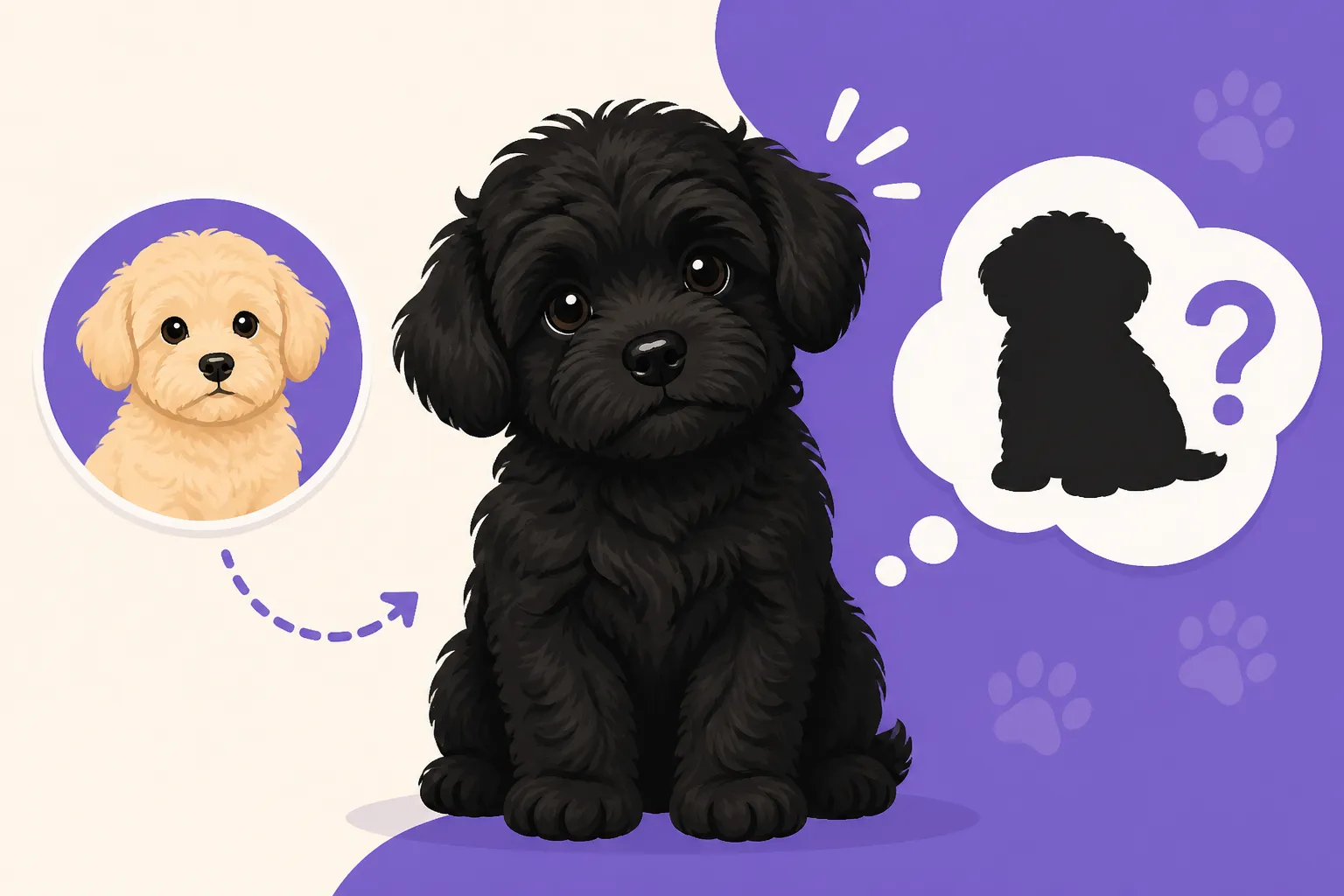
Whether a Maltipoo Can Come Out Solid Black
It’s a common misconception that all Maltipoos are destined to be a fluffy cloud of white or cream, especially when you think about their Maltese heritage. But if you’re dreaming of a sleek, sophisticated, solid black Maltipoo, you might be wondering if that's even a real possibility. The good news is, yes, a Maltipoo absolutely can be solid black, and this guide will walk you through how that happens, what to expect, and why that deep, dark coat might not always stay that way.
The Genetic Recipe for a Maltipoo's Coat Color
When you bring a Maltipoo into your life, you're essentially getting a delightful genetic lottery ticket. These wonderful companion dogs are a cross between a Maltese and a Poodle, and their appearance, personality, and even health traits are a beautiful blend of these two distinct breeds. Understanding where coat color comes from in dogs is like peeking behind the curtain of nature's artistry, and for a Maltipoo, it's all about what genes each parent contributes.
Maltese Influence on Coat Color
Let's start with the Maltese side of the family. If you've ever seen a purebred Maltese, you know they are almost exclusively white. Their breed standard calls for a pure white coat, although sometimes you'll see faint ivory or lemon markings. This means that a Maltese parent will primarily contribute genes for white or very light coloration to their Maltipoo offspring. They don't carry the genes for solid black or many other deep colors, simply because it's not part of their genetic makeup. So, if you’re picturing a Maltipoo, the Maltese side usually pushes towards that lighter, often iconic, look.
Poodle Influence on Coat Color
Now, enter the Poodle, the other half of the Maltipoo equation, and the source of all the wonderful variety in their coats. Poodles are renowned for their incredible spectrum of colors, including various shades of black, white, cream, apricot, red, blue, silver, brown, and even multi-colored "parti" coats. This is where the potential for a solid black Maltipoo truly comes from. If one of the Poodle parents is black, or carries the dominant black gene, there's a very strong chance that some or all of their Maltipoo puppies will inherit that gorgeous, dark pigment. It's truly a testament to the Poodle's diverse genetic palette that we see such an array of colors in Maltipoos, moving far beyond the white of their Maltese lineage.
How a Maltipoo Can Be Born Black
So, how does a puppy, half Maltese (typically white), end up solid black? It’s all about the Poodle parent and the magic of dominant genes.
The Power of the Poodle Parent
For a Maltipoo to be born solid black, the Poodle parent must carry and pass on the black gene. Black is a dominant color in dogs, meaning if a dog inherits just one copy of the black gene from either parent, it will express as black, assuming other modifying genes aren't at play to dilute or change that color significantly.
If you have a Maltese (white) bred to a black Poodle, the puppies have a high probability of being black or a very dark shade. Even if the Poodle parent isn't visibly black but carries the recessive gene for black, it's possible if the Maltese parent somehow contributed a "non-color" gene, or if another Poodle parent in a multi-generational cross passes it along. However, the most straightforward path to a black Maltipoo is a black Poodle parent. This is why when you're looking at puppies, understanding the color of both parents, especially the Poodle, is crucial.
Beyond Just "Black": Shades and Markings
It’s also important to remember that "black" isn't always just one uniform shade. You might see a range from a deep, inky jet black to a slightly softer, charcoal black. Sometimes, a black Maltipoo might even have small white markings, often on the chest or paws, which they inherited from their Maltese lineage. These are called "parti" markings if they are larger patches of white. So, while we say "solid black," there can still be subtle variations. This is part of the charm of designer breeds; you get these unexpected and unique combinations. A well-known example of a black dog that maintains its color might be a Scottish Terrier, but with Maltipoos, it's a bit more of a journey. You can find many products for black coats, whether solid or parti, on sites like Chewy.
Why a Black Maltipoo Might Not Stay Black
This is where the plot thickens for many hopeful Maltipoo owners! While a puppy might arrive looking like a beautiful, shiny onyx, it’s not uncommon for that deep black to soften or even change considerably over time. This phenomenon is often linked to the Poodle genetics.
The Fading Gene Phenomenon
Many Poodles, even those born jet black, carry what’s often called the "fading gene" or the "greying gene." This isn't a flaw; it's just a natural genetic trait. Dogs with this gene are born with their full, rich color, but as they mature, typically between six months and two years of age, their coat color begins to lighten. A solid black can fade to a deep charcoal gray, a dusty blue-gray, or even a silvery hue. This is similar to how an apricot Maltipoo might fade to cream, or a red one might soften to apricot. It’s an interesting genetic process that can be a surprise if you're not expecting it.
The fading process usually starts around the face – you might notice the muzzle or around the eyes beginning to lighten first. Then it can spread to the body. It’s not an unhealthy sign; it's purely cosmetic. If you’re truly set on a jet-black adult Maltipoo, you need to ask a lot of questions about the Poodle parent's history and whether their black coat faded. Good breeders will be transparent about this possibility.
What to Expect with a Fading Black Coat
If your black Maltipoo starts to fade, embrace it! A silvery or blue Maltipoo is equally stunning and unique. The fading can create beautiful layers of color, making your dog look incredibly distinguished. There's nothing you can do to stop the genetic fading, so it's best to appreciate the evolution of their coat. You might find that shampoos designed for white or silver coats on platforms like Amazon can help maintain the vibrancy of the new lighter shade, preventing any yellowing, even if your dog is technically blue or silver. For example, some specialty shampoos for Poodle coats are also excellent for Maltipoos.
It's similar to how some red-coated dogs can "clear" to a lighter red or even gold as they age. This isn't a defect; it's simply how the genes express themselves over time. Don't be surprised if your midnight black puppy transforms into a charming silver fox by the time they are a year or two old. Whether a Maltipoo's Color Changes as It Grows explores this in more detail for various coat colors.
Maintaining the Coat of a Black Maltipoo
Regardless of whether your Maltipoo stays jet black or fades to a stunning silver, their coat needs dedicated care to stay healthy and beautiful. The Maltipoo's non-shedding, often wavy or curly coat is prone to matting, and black coats can show dirt more easily.
Grooming for Dark Coats
Just like any Maltipoo, a black one needs regular grooming. This means daily brushing to prevent mats, especially in areas like behind the ears, under the legs, and where a harness might rub. A good slicker brush and a metal comb are your best friends here. For a truly dense black coat, you might find that some specialty shampoos and conditioners can help enhance the shine. Make sure to choose products formulated for dogs, preferably those without harsh chemicals that could strip natural oils. If your dog is prone to tear stains, even on a dark coat, those marks can still show as reddish-brown against the black fur around the eyes or muzzle. The Two Week Face Trim a Maltipoo Needs and Keeping a Maltipoo's Face Trimmed and Clean are essential reads for every Maltipoo owner.
| Coat Color Aspect | Maltese Contribution | Poodle Contribution | Potential Maltipoo Outcome |
|---|---|---|---|
| Base Color | White, occasionally ivory/lemon | Wide spectrum: black, white, red, apricot, brown, blue, silver, etc. | White, cream, apricot, red, black, blue, silver, brown, parti, phantom |
| Solid Black Gene | Rarely/Never | Yes (dominant) | Possible, if Poodle parent carries/shows black |
| Fading Gene | Not typically (always white) | Often carries (greying gene) | Black can fade to blue, silver, or charcoal |
| Pattern Genes | Solid white (no patterns) | Parti, phantom, sable, etc. | Solid, parti (white patches), phantom (tan points) |
Nutrition for a Healthy Coat
A healthy coat starts from within. Feeding your Maltipoo a high-quality diet that is rich in essential fatty acids (like Omega-3 and Omega-6) can contribute to skin health and coat luster. Look for dog foods where real meat is the first ingredient, and avoid excessive fillers. Brands like Ollie, which offer fresh, human-grade ingredients, can be excellent for supporting overall health, including coat quality. However, no food will override genetic fading; it will simply help the coat that is there be as healthy and shiny as possible. Regular veterinary check-ups are also crucial to rule out any underlying health issues that might affect coat condition. Feeding a Six Pound Maltipoo by the Ounce, Not the Scoop is a great resource for ensuring your Maltipoo is getting proper nutrition.
Finding and Choosing a Black Maltipoo Puppy
If your heart is set on a black Maltipoo, knowing what to look for and what questions to ask is key. Responsible breeding practices are paramount for the health and temperament of any puppy, and color should never be the sole deciding factor.
What to Ask a Breeder
When speaking with breeders, don't be shy about asking about the parent dogs. Specifically, inquire about the color of both the Maltese and Poodle parents. If the Poodle parent is black, ask if their coat has faded over time. A reputable breeder will be honest about the potential for color change. They should also be able to provide health clearances for both parents, addressing common issues in both breeds such as Slipping Kneecaps in a Maltipoo, The Liver Shunt a Maltipoo Can Inherit From the Maltese, and The Eyes a Maltipoo Gets From the Poodle. Focusing purely on color without considering health or temperament can lead to heartbreaking issues down the line.
Additionally, ask to see photos of previous litters from the same parents, if available, and how their coats matured. This can give you a good indication of what to expect. A black Maltipoo puppy will typically have black paw pads and a black nose, which should remain dark throughout their life, even if the coat itself fades.
The Realities of "Teacup" Black Maltipoos
The term "teacup" is a marketing term, not a recognized size category, and it often comes with increased health risks for tiny puppies. If you encounter a breeder advertising "teacup solid black Maltipoos," proceed with extreme caution. Breeding for extremely small size can lead to a host of health problems, including increased risk of Hypoglycemia and the Teacup Maltipoo Puppy and fragile bones. Prioritize health and temperament over specific, exaggerated size or color claims. A healthy Maltipoo, regardless of its shade, will bring years of joy. What Breeding Smaller Costs a Maltipoo highlights the potential challenges with these tiny dogs.
Choosing a Maltipoo, whether black, white, apricot, or parti, is a commitment to a loving companion. Understanding their genetic potential for color, including the possibility of fading, helps you appreciate your unique dog no matter how their coat evolves.
Disclaimer
This article is for general informational purposes only and does not constitute professional advice. Laws, prices and regulations vary by location and change over time. Consult a qualified professional for guidance on your specific situation.