How Fast a Maltipoo’s Nails Grow
One of the trickiest things about owning a Maltipoo, especially for new owners, is figuring out all the little details of their care – and their nails are a big one! It can be incredibly frustrating to hear that distinct clicking sound on your hardwood floors, knowing their nails are getting too long, but feeling totally unsure about how quickly they actually grow or how often you should be trimming them. This guide is here to walk you through everything you need to know about your Maltipoo's nail growth, what to expect, and how to keep those tiny paws healthy and comfortable.
Understanding Your Maltipoo's Nail Growth Cycle
It’s easy to overlook your Maltipoo’s nails until they become a problem, but understanding their growth cycle is the first step to proactive care. Just like our own fingernails, a dog's nails grow continuously throughout their life. This isn't a problem for wild canids, whose active lifestyles on varied terrains naturally wear down their claws. However, our domesticated Maltipoos, with their cushy indoor lives and shorter walks on softer surfaces, don't get that natural filing, meaning we, as their devoted owners, need to step in.
The Biology Behind Nail Growth
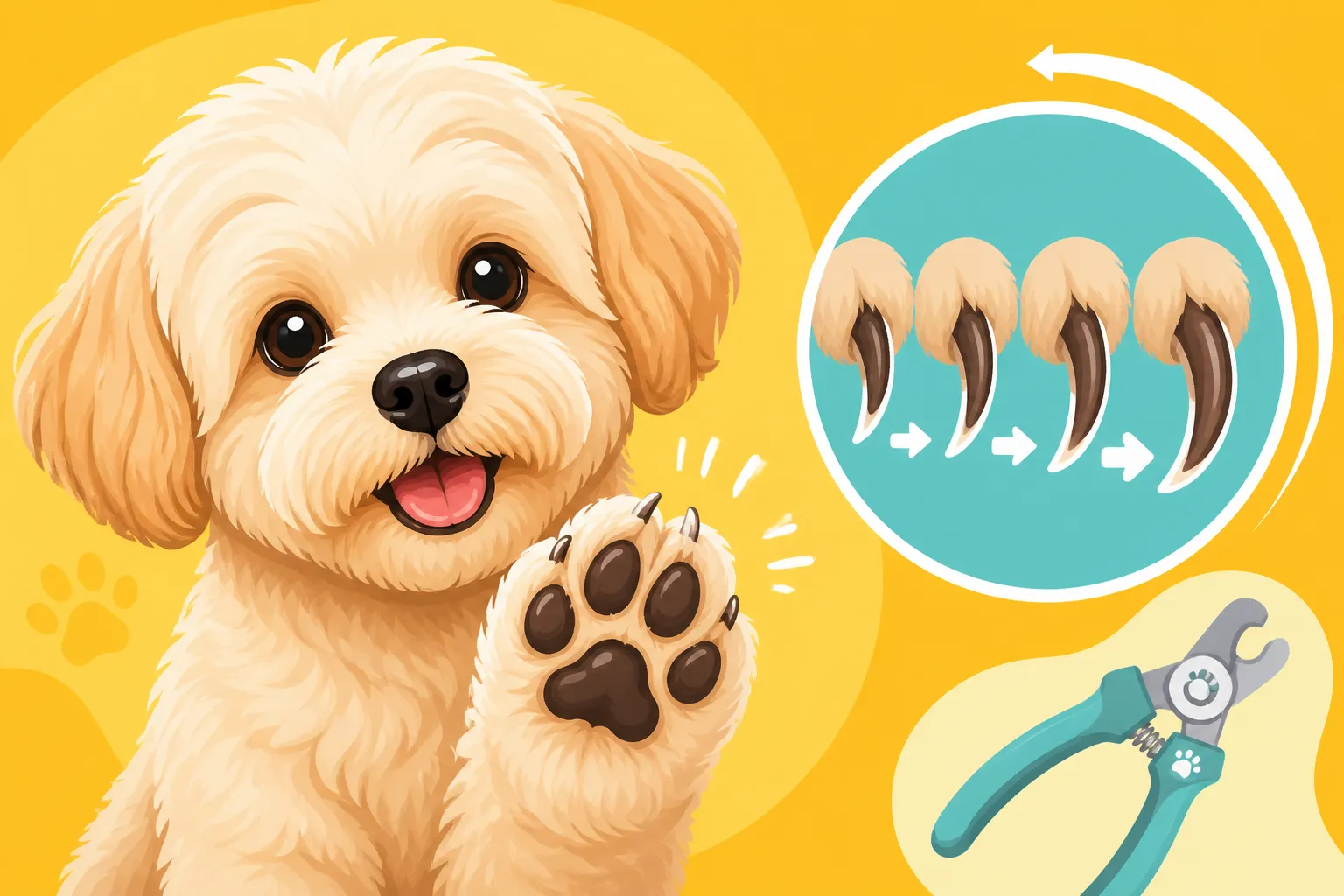
Each of your Maltipoo's nails is a complex structure. The visible, hard outer shell protects an inner core called the "quick." This quick is essentially the nail's nerve and blood supply, and it's incredibly sensitive. If you've ever accidentally cut into the quick, you know it's not just painful for your dog, but it can bleed quite a bit, making future nail trims a source of anxiety for both of you. The quick actually grows along with the nail, which is why consistent trims are so important; regular, short trims encourage the quick to recede, making future trims safer and easier.
Genetics also play a role in how fast and how thick your Maltipoo's nails grow. Some dogs simply have nails that seem to sprout overnight, while others might have slower-growing, tougher claws. The Poodle and Maltese breeds, from which your Maltipoo descends, both typically have nails that grow quite quickly and require regular attention. If you have a Maltipoo with dark nails, identifying the quick can be especially challenging, adding to the stress of nail trims.
Beyond genetics, your Maltipoo's overall health can subtly influence nail quality and growth. A well-balanced diet supports strong, healthy nails, while certain nutritional deficiencies, though rare in dogs on a complete and balanced commercial diet, could potentially impact nail health over time. However, for most Maltipoos, it's not about if they grow, but how fast, and that primarily comes down to their individual biology and lifestyle.
Factors Influencing Growth Speed
While all Maltipoo nails grow continuously, several factors can influence just how quickly yours seems to sprout those little claws. One of the most significant is their activity level and the surfaces they walk on. A Maltipoo that spends most of its time indoors on soft carpets or goes for short walks exclusively on grass will have very little natural wear and tear on its nails. In contrast, a Maltipoo that regularly walks on pavement, concrete sidewalks, or rougher trails might have some of its nail length naturally filed down, meaning you might need to trim them slightly less often.
Age also plays a part. Maltipoo puppies often have softer nails that can seem to grow incredibly fast, requiring frequent trims to get them accustomed to the process and to prevent them from becoming sharp little needles. As they mature, nail growth can stabilize, but it rarely slows down significantly enough to skip trims. Senior Maltipoos might experience changes in nail texture or growth patterns, sometimes due to underlying health conditions or reduced activity levels, making regular inspection even more critical.
Diet, as mentioned before, supports overall nail health, ensuring they grow strong and aren't brittle or prone to splitting. While diet won't dramatically alter the speed of growth, good nutrition contributes to the integrity of the nail itself. Think of it like this: a healthy body produces healthy nails, which are easier to trim and less prone to issues. Paying attention to your Maltipoo's daily routine, from their diet to their walks, can give you clues about their specific nail care needs.
How Often Should You Trim Your Maltipoo's Nails?
This is the million-dollar question for many Maltipoo owners, and the answer, while often surprising, is crucial for their well-being. It’s not just about aesthetics; overgrown nails can seriously impact your dog's comfort and long-term health. Getting into a consistent routine is far more important than trying to guess when they "look" long enough.
The "Clicking" Test and Visual Cues
The most common and obvious sign that your Maltipoo's nails are too long is the sound they make. If you hear a distinct "click-clack" as your Maltipoo walks across hard surfaces like tile, hardwood, or linoleum, their nails are definitely overgrown. When they stand, their nails should not touch the ground. You should be able to slide a piece of paper underneath them. If you can’t, they’re too long. This clicking isn't just annoying; it indicates that the nails are pushing up into the nail bed, putting pressure on their toes and forcing their paw to splay.
Another visual cue is to look at their paws from the side. Ideally, the nails should be short enough that the paw pads are the primary point of contact with the ground, not the nails themselves. If you find your Maltipoo resisting walks, limping subtly, or even changing their gait, overgrown nails could be a contributing factor. For many owners, especially with lighter-colored nails, it becomes easier to see the quick as a pinkish area, making it simpler to gauge how much to trim. For dogs with dark nails, it's more about trimming tiny bits at a time until you see a gray or black dot in the center, signaling you're getting close to the quick.
Don't wait for these obvious signs to appear. Make it a habit to check your Maltipoo's nails weekly. This proactive approach allows you to trim small amounts more frequently, which is much less stressful for your dog than attempting a drastic cut after weeks of neglect. Early intervention can prevent a lot of discomfort and fear associated with nail care.
Establishing a Trimming Schedule
For most Maltipoos, a consistent trimming schedule of every 2 to 4 weeks is ideal. Some very active dogs might stretch it to once a month, but for many, particularly those living primarily indoors, bi-weekly or even weekly trims are necessary to keep the quick receded and the nails at a healthy length. Think of it as preventative maintenance rather than an emergency procedure. Teaching a Maltipoo to Be Handled Every Two Weeks isn't just for grooming; it builds the foundation for stress-free nail care.
Starting young is key. Familiarize your Maltipoo puppy with having their paws handled, massaged, and even gently touched with the clippers or grinder from a very early age. Even if you're not cutting much, simply going through the motions with lots of praise and high-value treats can make a world of difference. This positive association prevents the development of fear and resistance later on. Just like with Starting Tooth Brushing on a Maltipoo Puppy, consistency and positive reinforcement are your best friends.
If you miss a few weeks, don't despair, but understand that the quick will have grown out with the nail, making the next trim a bit more delicate. The goal is to trim enough nail each time to encourage the quick to recede further back, slowly shortening the overall nail length over time until it's comfortably off the ground. This takes patience and a regular schedule, but the benefits for your Maltipoo's comfort are immense.
The Dangers of Overgrown Nails
The consequences of neglecting your Maltipoo's nail care extend far beyond a simple clicking sound. Overgrown nails can lead to significant pain and discomfort. When nails are too long, they hit the ground with every step, pushing up into the nail bed. This constant pressure can be quite painful, causing your Maltipoo to shift their weight, walk abnormally, and even develop sores between their toes. Imagine walking around with tiny rocks constantly pressing into your shoe – that's what it's like for your dog.
Beyond immediate pain, long nails can seriously affect your Maltipoo's mobility and long-term joint health. The altered gait caused by overgrown nails can put undue stress on their toes, feet, and even higher joints like the ankles, knees, and hips. Over time, this can contribute to conditions such as arthritis or exacerbate existing orthopedic issues like Slipping Kneecaps in a Maltipoo. Their toes become splayed, which is an unnatural and uncomfortable position for their paws.
Furthermore, extremely long nails are more prone to injury. They can snag on carpets, furniture, or outdoor debris, leading to painful splits, tears, or even complete avulsions (where the nail is ripped off). These injuries are not only excruciating but often require veterinary attention. The dewclaws, located higher up on the inside of the leg, are particularly susceptible to becoming ingrown if left untrimmed, curling around and piercing the paw pad, which can lead to severe infection. Regularly checking and trimming all nails, including dewclaws, is an essential part of responsible Maltipoo ownership.
Mastering the Maltipoo Nail Trim
Trimming your Maltipoo's nails can feel like a daunting task, especially if you're new to it or have a particularly sensitive pup. However, with the right tools, a calm approach, and a little practice, it's a skill you can absolutely master. It's about building trust and making the experience as positive as possible for your furry friend.
Essential Tools and Preparation
Before you even think about cutting, gather your supplies. For clippers, there are two main types: scissor-style and guillotine-style. For small breeds like Maltipoos, many owners find scissor-style clippers, which resemble small blunt scissors, easier to handle and more precise for those tiny nails. Alternatively, a nail grinder (like a Dremel-style tool) can be a great option. Grinders slowly file the nail down, reducing the risk of cutting the quick and allowing you to gradually shape the nail. However, the vibration and noise can be intimidating for some dogs, so introduce it slowly and with lots of treats. You can find a good selection of either type on online retailers like Chewy or Amazon.
Perhaps the most crucial item to have on hand, regardless of your chosen method, is styptic powder. This magical powder quickly stops bleeding if you accidentally cut into the quick. Don't skip this step! It provides peace of mind and allows you to react calmly if an accident occurs. Other useful items include high-value treats, a towel (to wrap a wriggly pup), and good lighting. Creating a quiet, positive environment is key. Ensure your Maltipoo is relaxed and try to time it when they're naturally sleepy or calm.
Preparation isn't just about tools; it's about your Maltipoo's mindset. If your dog is anxious, start with simply handling their paws, rewarding them generously. Work up to touching the clippers to their nails without cutting, then perhaps just one nail at a time. This gradual desensitization is vital for success. The Kit Needed to Groom a Maltipoo at Home should always include nail trimming essentials, and learning to introduce them gently is part of the process.
Step-by-Step Trimming Guide
Whether you're using clippers or a grinder, the basic principle is to remove only the tip of the nail, staying well away from the quick.
For Clippers:
- Hold the Paw Securely: Gently but firmly hold your Maltipoo's paw, ensuring they can't pull it away easily. Teaching a Maltipoo to Give a Foot is a great precursor skill here.
- Identify the Quick: On light nails, you'll see the pink quick inside the transparent nail. Cut just below it, where the nail starts to curve. For dark nails, this is harder. Imagine where the quick would be, and only take off tiny, thin slices from the tip.
- Small Snips: Make small, quick snips, removing only a tiny bit of the nail at a time. It’s always better to take off too little than too much. Aim for a straight cut, or a slight angle that follows the natural curve of the paw.
- Check for the "Dot": As you trim dark nails, you might start to see a tiny grey or black dot in the center of the cut surface. This means you're getting very close to the quick and should stop or proceed with extreme caution.
- Don't Forget Dewclaws: If your Maltipoo has dewclaws (the thumb-like nails on the inside of their legs), remember to trim those too, as they don't naturally wear down.
For Grinders:
- Introduce Slowly: Let your Maltipoo get used to the sound and vibration first, rewarding them for calm behavior.
- Hold Firmly: Hold the paw steady, ensuring loose fur is out of the way. You might need to gently push back the fur around the nail.
- Grind in Short Bursts: Apply the grinder to the tip of the nail for just a second or two, then lift. This prevents heat buildup, which can be uncomfortable.
- Round the Edges: Grind underneath the nail and around the tip to create a smooth, rounded edge. This helps to encourage the quick to recede over time.
- Watch for the Quick: Even with a grinder, you can still hit the quick. Watch for that dark "dot" on dark nails or the pink quick on light nails.
If You Quick Your Maltipoo:
Don't panic! Immediately apply styptic powder with firm pressure for a few seconds until the bleeding stops. Reassure your dog and end the session on a positive note, even if it's just with a quick treat and cuddle. For a truly nervous dog, you might find yourself Cutting a Maltipoo's Nails on a Shaking Dog, so patience is paramount.
Seeking Professional Help
Sometimes, despite your best efforts, trimming your Maltipoo's nails at home just isn't feasible or safe. There's absolutely no shame in seeking professional help! Professional groomers are highly skilled at nail trims, even for the most resistant or anxious dogs. They have specialized tools and techniques, and they can often get the job done quickly and efficiently, minimizing stress for your Maltipoo. The cost for a professional nail trim is typically included in a full grooming session, like The Fifty to Eighty Dollar Maltipoo Groom, or can be a standalone service for a smaller fee.
Your veterinarian or a vet tech is another excellent resource, especially if your Maltipoo has severely overgrown nails, an ingrown dewclaw, or any signs of pain or infection in their paws. They can safely address these issues, and in extreme cases, might even be able to offer sedation for a stress-free trim if necessary. They can also provide guidance and demonstrate proper technique, which can boost your confidence for future at-home trims.
The key is not to let fear or frustration lead to neglect. If you're struggling, reach out to a professional. Their expertise can ensure your Maltipoo's paws remain healthy and comfortable, which is always the top priority. They can also offer tips tailored to your specific dog's temperament and nail type.
Long-Term Nail Health and Preventative Care
Maintaining your Maltipoo's nail health is an ongoing commitment, not a one-time fix. By integrating nail care into your regular routine and understanding the preventative measures, you can ensure their paws remain strong, comfortable, and pain-free for years to come.
Receding the Quick
One of the most valuable long-term benefits of consistent nail trimming is encouraging the quick to recede. When a dog's nails are allowed to grow long, the quick grows right along with them. This makes it impossible to trim the nail back to a healthy, short length without causing pain and bleeding. However, by performing frequent, small trims – often just taking off the very tip of the nail every week or two – you essentially signal to the quick that it needs to retreat.
Over several weeks and months of diligent, short trims, you will notice that the quick gradually shortens, allowing you to achieve a much shorter and healthier nail length. This process requires patience and consistency, but it ultimately makes nail care much less stressful for both you and your Maltipoo. With a receded quick, you have more leeway when trimming, significantly reducing the risk of accidentally causing pain.
Think of it as training the quick, just like you might train your Maltipoo to sit or stay. The more regularly you engage in the desired behavior (short trims), the more the quick will adapt. This long-term strategy is incredibly beneficial for dogs with naturally long quicks or those whose nails have been neglected in the past, allowing them to finally achieve comfortable, well-maintained paws.
Daily Habits for Healthy Paws
Beyond just trimming, incorporating daily or weekly paw care habits can make a huge difference in your Maltipoo's overall comfort and health. Make it a routine to inspect your Maltipoo's paws thoroughly. This includes checking their nails for any splits, cracks, or unusual textures, looking at their paw pads for cuts, scrapes, or rough patches, and carefully examining the fur between their toes for mats or foreign objects like burrs or small stones. Mats Behind a Maltipoo's Ears are common, but mats between paw pads can be just as painful and lead to skin irritation.
Regularly handling your Maltipoo's paws, even when you're not trimming their nails, helps desensitize them to the sensation. This can be as simple as gently massaging their toes while you're relaxing on the couch together. This positive association with paw touching makes actual trimming sessions much smoother. If your Maltipoo walks on rough terrain or in extreme weather, consider using a paw balm or wax to protect their paw pads, keeping them supple and preventing cracking.
Additionally, keeping the fur between your Maltipoo's paw pads trimmed can prevent several issues. Long fur here can trap dirt, debris, and moisture, leading to infections or uncomfortable matting. It also reduces traction, making them more prone to slipping on smooth floors. A quick trim with blunt-nosed scissors (or even careful clipper work) in this area every few weeks can dramatically improve their paw health and comfort.
The Role of Diet and Supplements
While nail growth speed is largely genetic and activity-dependent, the quality of your Maltipoo's nails can certainly be influenced by their diet. A well-balanced, high-quality dog food provides all the necessary vitamins, minerals, and proteins essential for healthy skin, coat, and nails. If your Maltipoo's nails are brittle, prone to splitting, or seem unhealthy, it's worth reviewing their diet with your veterinarian.
Some owners explore supplements to support nail health, such as biotin, omega-3 fatty acids (found in fish oil), or zinc. These nutrients play a role in skin and coat health, which can extend to the nails. Omega-3s, for example, are known for their anti-inflammatory properties and can contribute to overall skin and coat vitality. However, it's crucial to consult your veterinarian before adding any supplements to your Maltipoo's diet. They can help determine if there's a specific deficiency or if a supplement is truly necessary and safe for your individual dog.
Remember, supplements are designed to supplement a good diet, not replace it. Focusing on a nutritious, complete, and balanced diet from a reputable brand will provide the foundational building blocks for strong, healthy nails. Combined with consistent grooming practices and regular veterinary check-ups, you'll be giving your Maltipoo the best chance at comfortable, healthy paws throughout their life.
| Feature | Nail Clippers (Scissor/Guillotine) | Nail Grinder (Dremel-style) |
|---|---|---|
| Method | Cuts nail in one swift motion | Files nail down gradually |
| Risk of Quicking | Higher, especially with dark nails | Lower, as you remove small amounts slowly |
| Noise | Minimal (just the snip) | Vibrates and makes a buzzing sound |
| Time | Faster per nail, but requires precision | Slower per nail, but allows for shaping |
| Comfort | Can be intimidating for some dogs (the 'snap') | Vibration/noise can be intimidating, but less 'force' |
| Result | Can leave sharp edges (needs filing after) | Smooth, rounded edges |
| Best For | Quick trims, dogs tolerant of direct pressure | Receding the quick, nervous dogs (if desensitized), shaping nails |
| Maintenance | Blades can dull over time | Requires battery/power, grinding bits wear out |
Disclaimer
This article is for general informational purposes only and does not constitute professional advice. Laws, prices and regulations vary by location and change over time. Consult a qualified professional for guidance on your specific situation.