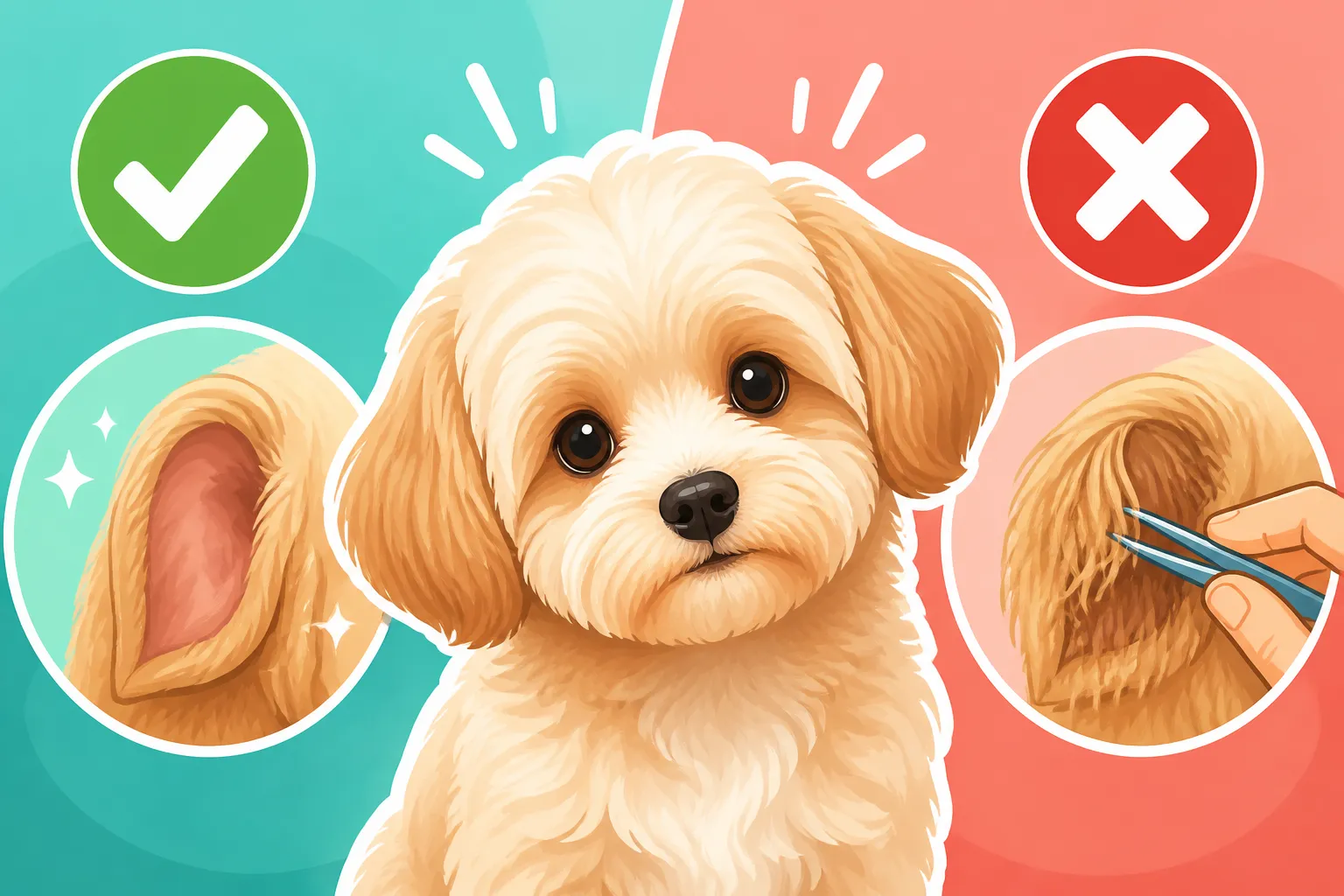
Whether a Maltipoo’s Ear Hair Should Be Plucked
It’s a common moment for any Maltipoo parent: you’re looking at your sweet pup’s fluffy ears, maybe gently scratching behind them, and then you notice it. A thick, almost impenetrable forest of hair growing deep inside the ear canal. Immediately, questions pop up: Is that normal? Should it be there? And more pressingly, should I pluck it? This guide will dive deep into the often-confusing world of Maltipoo ear care, exploring the debate around ear hair plucking, offering alternatives, and helping you make the best decision for your beloved companion.
Understanding Your Maltipoo's Unique Ear Canal
Your Maltipoo, a delightful mix of Maltese and Poodle, inherits a unique blend of traits from both breeds. While they get that wonderful non-shedding coat and charming personality, they also inherit certain anatomical predispositions, especially when it comes to their ears. This fluffy interior isn't just a cosmetic detail; it can significantly impact their ear health.
The Genetics Behind the Furry Ears
Both the Maltese and the Poodle are renowned for their abundant, luxurious hair, which extends into places you might not expect, like inside the ear canal. Unlike many other breeds that have fine, sparse hair or even bare skin within their ears, Maltipoos often have a dense growth of soft, downy hair that can sometimes almost completely block the entrance to the inner ear. This isn't a flaw; it's simply a characteristic of their heritage. You might notice it more pronounced in some Maltipoos than others, depending on whether they lean more towards their Maltese or Poodle ancestry in terms of coat texture and density. It's just part of that wonderful, hypoallergenic-friendly coat that we all adore.
Why Ear Hair Can Be a Problem
While all that hair is great for snuggling, inside the ear canal, it can create a perfect storm for trouble. Imagine a tiny, warm, dark cave that’s perpetually humid – that's what excessive ear hair can create for your Maltipoo. This environment traps moisture, debris, and wax, all of which are ideal breeding grounds for bacteria and yeast.
Think about it this way: when your Maltipoo shakes their head, goes for a walk on a slightly damp day, or even just produces natural ear wax, that hair acts like a net, holding everything in. Airflow is severely restricted, preventing the natural drying and cleansing processes that occur in ears with less hair. This constant dampness and lack of ventilation mean that minor irritations can quickly escalate into full-blown, painful ear infections. You might start noticing a funky smell, excessive scratching, or even your pup tilting their head a lot. These are all distress signals that something isn't quite right in that furry ear canal. This is why understanding Clearing Wax From a Maltipoo's Ear is so crucial, as it’s part of managing this environment.
The Great Debate: To Pluck or Not to Pluck?
For years, plucking ear hair from breeds like Maltipoos was standard practice. Vets and groomers alike would routinely remove this hair, believing it was essential for preventing ear infections. However, in recent times, this practice has come under scrutiny, leading to a significant debate within the veterinary and grooming communities. It’s no longer a straightforward answer, and it can be incredibly frustrating to hear conflicting advice when all you want is to do what’s best for your furry family member.
Arguments for Plucking
The traditional argument for plucking ear hair is rooted in the belief that removing the hair improves air circulation and prevents the buildup of wax and debris, thereby reducing the risk of ear infections. Proponents of plucking argue that for dogs with very dense ear hair, like many Maltipoos, the hair creates a humid, dark environment where yeast and bacteria thrive. Removing this hair, they suggest, allows the ear canal to dry out more effectively and makes it easier for ear cleaning solutions to penetrate and work.
Many professional groomers have been taught this technique and continue to offer it as part of their routine grooming services. They might tell you that a quick pluck is a minor discomfort compared to the pain of a severe ear infection. The goal is to open up that ear canal, let it breathe, and make it less hospitable for pathogens. For Maltipoos that consistently suffer from recurrent ear infections despite other efforts, plucking might be seen as a necessary intervention by some professionals and owners who have seen positive results.
Arguments Against Plucking
On the flip side, a growing number of veterinarians and modern grooming experts are advising against routine ear hair plucking. Their reasoning is compelling and focuses on the potential trauma and inflammation that plucking can cause. When you pluck ear hair, you're essentially pulling individual hairs from their follicles. This action can:
- Cause Micro-Trauma: Each plucked hair leaves behind a tiny, open wound at the follicle. These microscopic injuries can be painful and, more importantly, create direct entry points for bacteria and yeast, potentially increasing the risk of infection rather than decreasing it.
- Trigger Inflammation: The act of plucking itself can irritate the delicate skin lining the ear canal. This inflammation can lead to swelling, redness, and discomfort, creating an even more hospitable environment for pathogens. A red, angry ear is much more prone to infection than a calm one.
- Damage Follicles: Repeated plucking over time can damage the hair follicles, leading to scar tissue or ingrown hairs, which can cause further problems down the line.
- Pain and Stress: For your Maltipoo, ear plucking can be an uncomfortable and even painful experience. This can lead to your dog developing an aversion to ear handling, making future necessary ear cleanings or examinations much more difficult and stressful for both of you.
This shift in perspective emphasizes a more holistic approach to ear health, focusing on gentle cleaning and monitoring rather than aggressive removal of hair. The idea is that if the ear canal is kept clean and dry, the hair itself is less likely to cause problems. This is particularly relevant when you think about Whether a Maltipoo Gets Ear Infections and how to prevent them.
| Feature | Traditional Plucking Approach | Modern Non-Plucking Approach |
|---|---|---|
| Primary Goal | Increase airflow, remove debris trap. | Minimize trauma, maintain natural ear barrier. |
| Method | Physically pull hair from ear canal. | Gentle cleaning, trimming external ear hair only. |
| Perceived Benefit | Reduced risk of infection from trapped moisture/wax. | Reduced risk of infection from micro-trauma/inflammation. |
| Potential Drawback | Pain, micro-trauma, inflammation, increased infection risk. | Less airflow if hair is very dense and not managed well. |
| Veterinary Stance | Historically common, now increasingly debated. | Growing preference among many veterinarians. |
| Dog's Comfort | Can be painful and cause aversion to ear handling. | Generally less discomfort, promotes positive ear handling. |
Alternatives and Best Practices for Maltipoo Ear Care
Given the debate, many Maltipoo owners are left wondering what is the right way to care for their dog's ears. The good news is there are several effective and often less invasive strategies to keep your Maltipoo's ears healthy and happy. It's all about proactive, gentle care, tailored to your individual dog's needs.
Professional Grooming and Vet Consultations
Your local vet and professional groomer are your best allies in maintaining your Maltipoo's ear health. They can assess your dog's specific ear canal, the density of their ear hair, and any signs of existing issues. A vet can look deep into the ear with an otoscope, checking for redness, discharge, or blockages that you might not see. They can then recommend the best course of action, whether that's a specific cleaning regimen or, in some cases, a very cautious and minimal plucking.
Many groomers, especially those who stay updated on the latest veterinary recommendations, might offer alternative ear care services. Instead of full plucking, they might suggest simply trimming the hair around the ear canal opening to improve air circulation without irritating the sensitive skin inside. This is often part of a general grooming session, which includes important aspects like The Two Week Face Trim a Maltipoo Needs and nail care. If your groomer is still advocating aggressive plucking without discussion, it might be worth seeking a second opinion from a vet who can explain the current best practices.
Keeping Your Maltipoo's Ears Clean at Home
Regular at-home ear care is paramount, regardless of whether you pluck or not. This means establishing a routine that keeps your Maltipoo's ears clean and dry, preventing problems before they start.
- Gentle Cleaning: Use a vet-approved ear cleaning solution. You can find many excellent options on retailers like Chewy or Amazon. These solutions are formulated to break down wax and debris without irritating the delicate ear canal. Simply apply the solution as directed, gently massage the base of the ear for about 30 seconds, and then let your Maltipoo shake their head (have a towel ready!). Afterward, use a soft cotton ball or gauze wrapped around your finger to wipe away any visible debris from the outer ear canal. Never use cotton swabs deep inside the ear, as this can push debris further in and damage the eardrum.
- Regular Wiping: For Maltipoos prone to excessive wax or moisture, a daily or every-other-day wipe with a dog-specific ear wipe can be incredibly helpful. These wipes are usually pre-moistened with gentle cleaning agents and are perfect for removing surface grime and keeping the outer ear clean.
- Drying After Baths/Swimming: After baths, swimming, or even a particularly rainy walk, it is crucial to thoroughly dry your Maltipoo's ears. You can use a soft towel, or even a low-setting hairdryer (held at a safe distance) to ensure the ear canal isn't left damp. This is key to preventing that moist, infection-prone environment.
Remember, consistency is far more important than intensity when it comes to ear cleaning. A gentle, regular routine will do more good than infrequent, aggressive cleaning. This is just one component of The Daily Routine a Maltipoo Needs to stay healthy.
Recognizing the Signs of Ear Trouble
Even with the best preventative care, ear problems can still arise. Knowing what to look for can help you catch issues early and seek veterinary attention before they become severe. Be on the lookout for:
- Frequent Head Shaking: While all dogs shake their heads, persistent or excessive shaking can indicate discomfort or irritation in the ears.
- Paw Swiping/Scratching: If your Maltipoo is constantly scratching at their ears with their paws, or rubbing their head along furniture or the floor, it's a clear sign something is bothering them.
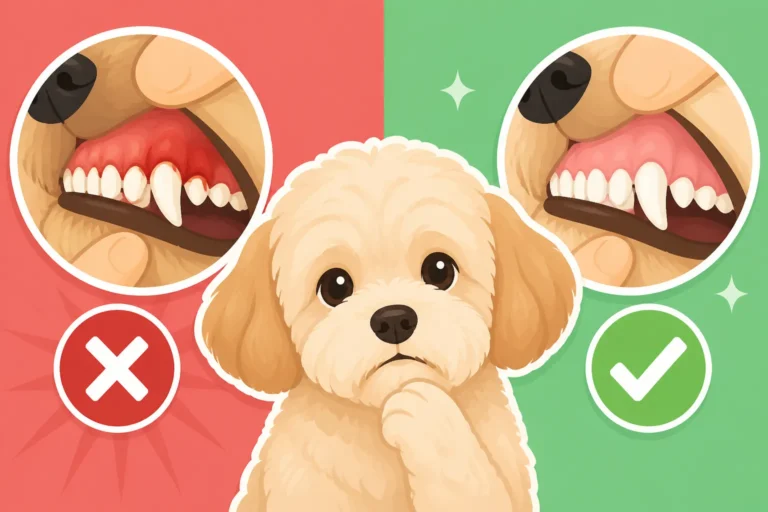
- Redness or Swelling: Gently lift your Maltipoo's ear flap and look inside. Is the skin red, inflamed, or swollen? These are definite red flags.
- Discharge: Any unusual discharge – yellow, brown, black, or pus-like – is a strong indicator of infection.
- Odor: A yeasty, sweet, or foul smell coming from the ears is one of the most common signs of an ear infection.
- Pain or Sensitivity: If your Maltipoo yelps, pulls away, or shows aggression when you touch their ears, they are likely in pain.
If you notice any of these signs, don't try to self-diagnose or treat with home remedies. A quick trip to the vet is necessary to get an accurate diagnosis and appropriate medication. Ignoring these signs can lead to chronic infections, hearing loss, and greater discomfort for your dog. Early detection is key to a swift recovery, especially as your Maltipoo gets older and general health concerns like Caring for a Maltipoo Past Ten become more prevalent.
Making an Informed Decision for Your Maltipoo
Ultimately, the decision of whether to pluck your Maltipoo's ear hair is a nuanced one, and it's not a one-size-fits-all answer. What works for one Maltipoo might not be suitable for another, even in the same household. It requires careful consideration, observation, and open communication with your veterinary professional.
Weighing the Pros and Cons for Your Specific Dog
The "best" approach depends entirely on your individual Maltipoo's ear anatomy, their history with ear infections, and their tolerance for handling.
- History of Infections: If your Maltipoo has a history of chronic ear infections that only resolve with plucking, and your vet agrees that the benefits outweigh the risks in your specific case, then a careful, minimal plucking procedure by a professional might be considered. However, this should always be a last resort, explored after gentler methods have failed.
- Sensitivity: If your Maltipoo is very sensitive to having their ears touched, or becomes highly stressed or defensive during grooming, then plucking is likely to cause significant emotional and physical discomfort. In these cases, prioritizing non-invasive cleaning and comfort is usually the better path.
- Ear Canal Density: Some Maltipoos simply have less hair in their ear canals naturally. For these dogs, plucking is entirely unnecessary and could introduce problems where none existed.
- Groomer's Expertise: If you do decide to explore plucking, ensure it is performed by a highly experienced professional who uses a gentle hand and specialized tools, and who can explain why they believe it's necessary for your specific dog.
Discussing all these factors with your vet is crucial. They can help you understand the specific risks and benefits for your Maltipoo. This conversation should be ongoing, especially if you see any changes in your dog's ear health.
Regular Check-ups and Proactive Care
No matter what approach you take, consistent, proactive care is the foundation of healthy Maltipoo ears. Regular veterinary check-ups are non-negotiable. During these visits, your vet can examine the ears, discuss any concerns you have, and adjust your ear care routine as needed. This ongoing dialogue ensures that your Maltipoo is always getting the most appropriate care.
Think of it as part of their overall wellness. Just like you ensure they have good food (perhaps from a brand like Ollie, though that's more about general nutrition), proper exercise, and mental stimulation, ear care is a vital component. Investing in quality ear cleaning solutions and wipes, readily available from places like Chewy or Amazon, and committing to a consistent cleaning schedule at home will go a long way in preventing painful and costly ear issues. It's often the small, consistent efforts that make the biggest difference in their long-term health and comfort.
Disclaimer
This article is for general informational purposes only and does not constitute professional advice. Laws, prices and regulations vary by location and change over time. Consult a qualified professional for guidance on your specific situation.