The Four Patella Grades and Where a Maltipoo Lands
It's incredibly frustrating and often terrifying to see your beloved Maltipoo suddenly skip a step, hold up a leg, or even cry out in pain when they're simply walking around the house. This kind of limping, especially when it comes and goes, can be a clear sign of patellar luxation, a common knee issue in our smaller canine companions. This guide is here to walk you through understanding the four grades of this condition, what each one means for your furry friend, and how best to manage it so you can help your Maltipoo live a comfortable, happy life.
Understanding Patellar Luxation in Maltipoos
Patellar luxation, often referred to as "slipped kneecap," is a condition where the patella (kneecap) moves out of its normal groove on the end of the thigh bone (femur). For us humans, it's pretty painful, and for our Maltipoos, it can be just as uncomfortable, leading to everything from a subtle skip in their gait to complete lameness. It's a condition that many small breed owners, especially those with Maltipoos, sadly become all too familiar with.
Imagine your knee as a perfectly aligned train track, where the kneecap is the train running smoothly within its designated groove. Now, imagine that track being a little too shallow or misaligned, causing the train to jump off the rails either inwards (medial luxation, most common in small breeds like Maltipoos) or outwards (lateral luxation). That's essentially what happens with patellar luxation. It's not usually something that happens from an injury alone; rather, it's often a genetic predisposition where the bones in the leg haven't developed quite right, setting the stage for the kneecap to dislocate easily.
Why Maltipoos Are Prone to Patellar Luxation
If you own a Maltipoo, you've likely heard whispers or read warnings about orthopedic issues, and patellar luxation is often at the top of that list. This isn't because Maltipoos are inherently "faulty" dogs, but rather a consequence of their genetic heritage and the characteristics prized in small breeds. Both parent breeds, the Maltese and the Poodle, have a known predisposition to patellar luxation. When you combine these two breeds, the likelihood of passing on this genetic trait increases.
The smaller size of Maltipoos means their bones, joints, and ligaments are naturally more delicate. The shallow femoral groove, where the kneecap normally sits, combined with potential deformities in the leg bones (like a bowed femur or tibia), creates the perfect storm for luxation. These structural abnormalities can be subtle, not always visible to the naked eye, but they significantly impact the stability of the knee joint. It's truly a frustration for owners, because no matter how much you try to protect them, sometimes it feels like they're just born with these challenges. Owners often wonder if there's anything that can be done to prevent this, and unfortunately, while some precautions help, the underlying genetics are hard to escape.
The Anatomy of a Maltipoo's Knee
To really grasp what's going on, it helps to understand the basics of your Maltipoo's knee. It's a complex hinge joint, similar to our own, connecting the thigh bone (femur) to the shin bone (tibia). Nestled right at the front of this joint is the patella, or kneecap. This little bone is actually embedded within the patellar ligament, which connects the large thigh muscles to the tibia.
The patella's job is crucial: it acts like a pulley, giving leverage to the quadriceps muscles when your Maltipoo extends their leg. For the patella to do its job effectively, it needs to slide smoothly within a specific groove on the end of the femur, known as the trochlear groove. When everything is working correctly, the patella glides up and down this groove without ever popping out. However, if this groove is too shallow, or if the attachment points of the patellar ligament are misaligned due to abnormal bone development, the kneecap can easily slip out of place. This is where the different grades of luxation come into play, describing how often and how severely the "train" jumps off its "track."
Early Signs and Symptoms to Watch For
Recognizing the early signs of patellar luxation can make a huge difference in managing the condition and ensuring your Maltipoo's comfort. It's not always a dramatic event; sometimes, it starts subtly and progresses over time. The most common sign, and one that often catches owners' attention, is what we call "the skip in their walk that means a patella." Your Maltipoo might be trotting along happily, then suddenly lift one back leg for a few steps, stretching it out behind them or shaking it, before putting it back down and resuming normal movement. This little "skip" is often their way of trying to pop the kneecap back into place.
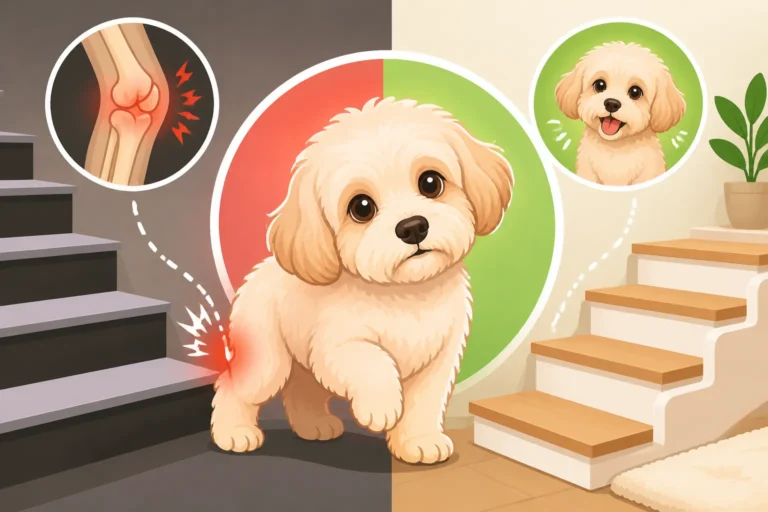
Other signs can include intermittent lameness, where they might favor a leg for a short period and then seem completely fine. You might notice them reluctant to jump onto furniture or go up and down stairs. Sometimes, if the condition is present in both knees, they might walk with a crouched, bow-legged stance. In more advanced cases, you might even hear a popping sound as the kneecap moves. If you're noticing any of these symptoms, even if they seem minor or infrequent, it's really important to get your furry friend checked by a vet. Early detection can lead to better management and potentially delay or prevent more severe issues down the line.
The Four Grades of Patellar Luxation
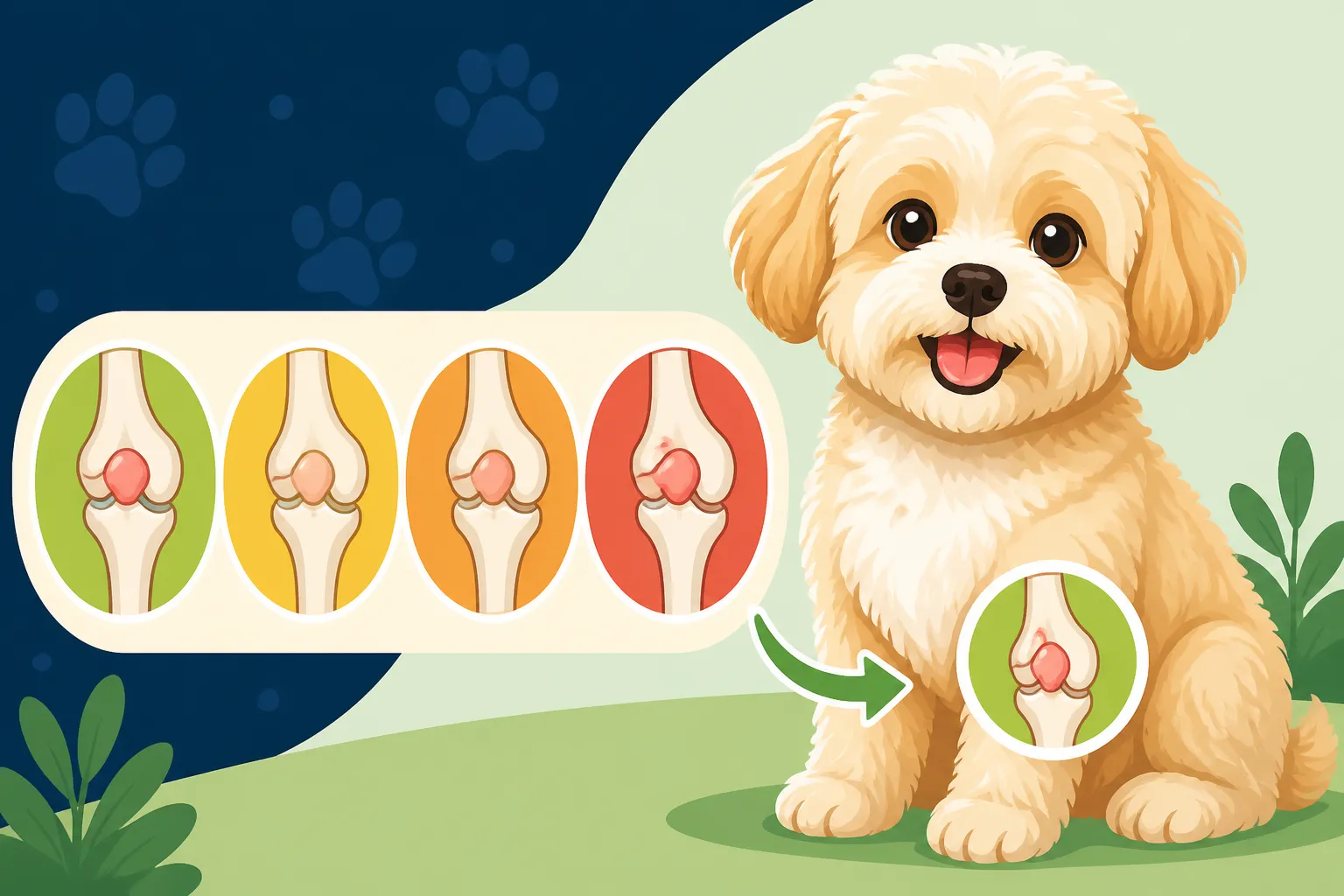
Veterinarians classify patellar luxation into four distinct grades, ranging from mild to severe. These grades are not just arbitrary distinctions; they help guide treatment decisions and give you a clearer picture of your Maltipoo's condition. Understanding these grades is key to knowing what to expect and how to advocate for your dog's health. It also explains why some Maltipoos might just have an occasional skip, while others are in constant pain or even unable to use their leg properly.
Grade 1: The Mildest Form
Grade 1 patellar luxation is considered the mildest presentation of the condition. In this stage, the kneecap can be manually luxated (pushed out of its groove) by a veterinarian during examination, but it spontaneously returns to its normal position as soon as the pressure is released. Essentially, the kneecap is a little loose in its groove, but it generally stays where it should be on its own.
Most Maltipoos with Grade 1 luxation show very few, if any, clinical signs. You might occasionally notice a very subtle skip in their step, perhaps once every few weeks or months, but it often resolves on its own without your intervention. They typically aren't in pain, and their overall mobility isn't significantly affected. While it's the least severe, it's important to remember that it's still a luxation, and without proper care, it can progress. Regular monitoring and sometimes some preventative measures, like ensuring they maintain a healthy weight and avoiding high-impact activities, are usually recommended at this stage.
Grade 2: Intermittent Luxation
Moving up the scale, Grade 2 patellar luxation is where things become a bit more noticeable and potentially problematic. In this grade, the kneecap frequently luxates (slips out of its groove), but it can still be manually reduced (pushed back into place) or will spontaneously pop back in on its own when the leg is extended or shaken. The key here is the "intermittent" nature—it's not constantly out, but it's happening regularly enough to cause symptoms.
Maltipoos with Grade 2 luxation will often exhibit the classic "skip" or "bunny hop" gait. They might hold up their leg for several steps, sometimes even crying out softly, before the kneecap pops back into place and they can walk normally again. The frequency and duration of these episodes can vary, but they often become more common over time. While not always constantly painful, these repeated dislocations can lead to inflammation, cartilage wear, and eventually, arthritis within the joint. This is often the stage where owners start asking "whether a Maltipoo's kneecap needs operating," as the inconvenience and potential for long-term damage become more apparent.
Grade 3: Frequent Dislocation
When a Maltipoo reaches Grade 3 patellar luxation, the condition is significantly more severe and consistent. In this stage, the kneecap is luxated (dislocated) most of the time. While it can still be manually put back into its groove by a vet, it will quickly re-luxate (pop back out) once the manual pressure is released or the dog moves. This means the kneecap is spending more time outside its normal position than inside.
Dogs with Grade 3 luxation typically show persistent lameness, often holding the affected leg up for extended periods or walking with a noticeable limp. Their gait might appear crouched or bow-legged as they try to compensate for the unstable knee. This constant luxation can cause significant pain, discomfort, and a decreased quality of life. The abnormal positioning of the kneecap also leads to considerable wear and tear on the cartilage, predisposing the joint to early and severe arthritis. At this point, surgical intervention is almost always recommended to correct the anatomical abnormalities and stabilize the knee.
Grade 4: Permanent Dislocation and Severe Impact
Grade 4 patellar luxation represents the most severe and debilitating form of the condition. In this stage, the kneecap is permanently luxated (dislocated) and cannot be manually returned to its normal position, even with manipulation. The anatomical deformities are so pronounced that the kneecap simply has nowhere to go. The trochlear groove is often completely absent or extremely shallow, and the leg bones themselves may be significantly twisted or malformed.
Maltipoos with Grade 4 luxation will suffer from chronic, severe lameness and pain. They may be unable to bear weight on the affected leg, or they might walk with a severely crouched, almost crawling gait. The long-term impact is devastating, leading to muscle atrophy, severe arthritis, and a dramatically reduced quality of life. While surgery is the only real option to offer any improvement, these cases are much more complex and challenging to correct, with outcomes that can be less predictable than for lower grades. It's truly heartbreaking to see a dog in this condition, and it underscores the importance of early intervention and consistent veterinary care.
| Patella Grade | Description | Manual Reduction | Symptoms | Common Treatment | Prognosis (with treatment) |
|---|---|---|---|---|---|
| Grade 1 | Kneecap moves out of groove but pops back in spontaneously or with slight pressure. Minimal looseness. | Yes, easily | Very mild or no symptoms; occasional, subtle skip; no pain. | Conservative (weight management, supplements, restricted activity, monitoring). | Excellent. Close monitoring for progression. |
| Grade 2 | Kneecap frequently luxates, but can be manually reduced and returns spontaneously with leg extension. | Yes, with effort | Intermittent lameness, "bunny hop" gait, lifting leg for several steps, possible mild pain. Episodes become more frequent. | Conservative initially; surgery often considered if symptoms worsen or cause discomfort. | Good with surgery. Manageable with conservative care if mild and non-progressive. |
| Grade 3 | Kneecap is luxated most of the time; can be manually reduced but re-luxates immediately. | Yes, but re-luxates | Persistent lameness, significant discomfort, reluctance to bear weight, crouched stance. Increased risk of arthritis. | Surgery highly recommended to stabilize the joint and prevent further damage. | Fair to good with successful surgery, but arthritis risk remains. |
| Grade 4 | Kneecap is permanently luxated and cannot be manually reduced. Severe anatomical deformities. | No | Chronic severe lameness, pain, inability to use leg, severe muscle atrophy, profound arthritis, poor quality of life. | Complex surgical correction; sometimes palliative care if surgery is not an option. | Guarded. Requires extensive surgery and rehabilitation. Can be challenging to fully resolve. |
Diagnosing Patellar Luxation in Your Maltipoo
If you're noticing any of the signs we've talked about, the first and most crucial step is to get your Maltipoo to the veterinarian. A proper diagnosis is essential to understand the severity of the condition and to formulate the best treatment plan. Don't feel silly about bringing up a "little skip"; your vet will understand the significance of these subtle signs, especially in breeds known for patellar luxation. This initial vet visit is truly foundational.
They'll perform a thorough physical examination, which includes a detailed orthopedic assessment. This is where their trained hands come in, feeling the joint and gently manipulating your Maltipoo's leg. It's not usually painful for your dog unless the condition is severe, and they are usually very good at being patient during these exams. After the physical, they might recommend further imaging to get a clearer picture of the bones and joint structure. Remember, getting an accurate diagnosis early can make all the difference in managing this condition for your beloved pet.
The Vet Exam: What to Expect
When you bring your Maltipoo to the vet for suspected patellar luxation, the first thing they'll do is observe your dog's gait. They'll watch how your Maltipoo walks, runs, and stands, looking for any limping, hopping, or abnormal leg carriage. This observation is key to catching the subtle "skip in a Maltipoo's walk that means a patella" that you might have already noticed.
Next, your vet will perform a hands-on orthopedic examination. They'll gently palpate (feel) your Maltipoo's knee joint, assessing the stability of the kneecap. They'll try to manually push the patella out of its groove, both medially (inwards) and laterally (outwards), and then see if it pops back in on its own or if they need to guide it. This manipulation allows them to determine if luxation is present, which direction it occurs, and how easily it happens. Based on this, they'll assign a grade from 1 to 4, which is the most definitive part of the initial diagnosis. They'll also check for any swelling, pain response, or crepitus (a grinding sound or sensation) within the joint, which can indicate inflammation or early arthritis. This comprehensive physical exam is often enough to diagnose patellar luxation and provide a preliminary grade.
Diagnostic Imaging: X-rays and Beyond
While the physical exam is excellent for diagnosing the presence and grade of patellar luxation, diagnostic imaging, primarily X-rays, often provides crucial additional information. X-rays allow your veterinarian to visualize the underlying bone structure of the knee and the entire hind limb. They can assess the depth of the trochlear groove, the alignment of the femur and tibia, and look for any signs of bone deformities that contribute to the luxation.
Furthermore, X-rays can reveal the presence and severity of arthritis, which is a common secondary complication of chronic patellar luxation. They might also help rule out other potential causes of lameness, such as Legg Calve Perthes in a Maltipoo or fractures. In some complex cases, especially if surgery is being considered, your vet might recommend more advanced imaging like a CT scan or MRI. While these are less common for routine patellar luxation diagnosis, they can provide incredibly detailed images of soft tissues and bone in 3D, which can be invaluable for surgical planning. For many Maltipoo owners, considering specialized tests like these can be a worry, especially with concerns about "what an emergency sugar crash costs a Maltipoo owner," so discussing costs and necessity with your vet is always a good idea.
Understanding Your Maltipoo's Diagnosis
Receiving a diagnosis of patellar luxation for your Maltipoo can be overwhelming, but understanding what it means is the first step toward effective management. Your vet will explain the specific grade of luxation your dog has, whether it's medial or lateral, and if one or both knees are affected. Often, "both of a Maltipoo's knees go," so it's not uncommon to hear about bilateral luxation.
They'll discuss how this grade relates to your Maltipoo's symptoms, potential pain levels, and future risks, such as the development of arthritis. Don't hesitate to ask questions. Understanding the "why" behind the condition and its potential progression will empower you to make informed decisions. Your vet will also outline the recommended course of action, whether it's conservative management or surgical intervention. They'll also delve into factors like your Maltipoo's age, overall health, and activity level, as these all play a role in determining the most appropriate and successful treatment strategy.
Management and Treatment Options for Each Grade
Once your Maltipoo has been diagnosed with patellar luxation, the conversation naturally turns to what comes next. The treatment approach isn't a one-size-fits-all solution; it’s highly dependent on the grade of luxation, your dog's age, overall health, and how much the condition impacts their quality of life. It’s a discussion you’ll have closely with your vet, weighing the pros and cons of different paths. For some, it might mean careful observation and lifestyle changes, while for others, surgery becomes the clearest route to a pain-free existence.
Conservative Management for Mild Cases
For Maltipoos with Grade 1 or sometimes even mild Grade 2 patellar luxation, conservative management is often the first line of defense. The goal here isn't to fix the anatomical defect, but to minimize symptoms, prevent progression, and manage any associated discomfort.
This approach typically involves several key components:
- Weight Management: Keeping your Maltipoo at an ideal weight is paramount. Every extra pound puts additional stress on their delicate knee joints, exacerbating the problem. Your vet can help you determine the optimal weight for your dog and recommend a suitable diet plan.
- Activity Modification: While exercise is important, high-impact activities like jumping (especially from furniture, which can make you wonder "whether a Maltipoo breaks a leg jumping off a sofa"), sudden turns, and excessive stair climbing should be minimized. You might consider "whether a Maltipoo should use steps to the sofa" or if "stairs damage a Maltipoo's knees." Short, controlled walks on soft surfaces are usually better than strenuous, unpredictable play.
- Joint Supplements: Many vets recommend joint supplements containing ingredients like glucosamine, chondroitin, and MSM. While these won't fix a physical luxation, "whether supplements do anything for a Maltipoo's knees" is often yes, in terms of supporting cartilage health and reducing inflammation, especially beneficial in preventing or slowing the onset of arthritis.
- Pain Management: If your Maltipoo experiences occasional pain or inflammation, your vet might prescribe non-steroidal anti-inflammatory drugs (NSAIDs) for short-term use.
The overall aim is to create an environment where the kneecap is less likely to slip out and the joint remains as healthy as possible. This approach requires diligence and patience, but it can be very effective for mild cases, offering significant relief without invasive procedures.
When Surgery Becomes Necessary
For Maltipoos with more severe patellar luxation—typically Grade 2 (if conservative management fails or symptoms are persistent), Grade 3, and certainly Grade 4—surgical intervention is usually the recommended course of action. The purpose of surgery is to correct the anatomical abnormalities that cause the kneecap to dislocate, thereby stabilizing the joint and preventing further damage and pain.
There are several surgical techniques a specialist might employ, often in combination:
- Trochlear Sulcoplasty: This involves deepening the trochlear groove (the groove in the femur where the kneecap sits) so the patella has a more secure channel to track in.
- Tibial Tuberosity Transposition (TTT): If the patellar ligament attachment on the tibia is misaligned, causing the kneecap to pull to one side, the surgeon will cut and reposition this bony attachment, securing it with pins or screws in a more appropriate location. This essentially re-aligns the entire quadriceps mechanism.
- Capsular Overlap: Tightening the joint capsule on one side and releasing it on the other to help hold the kneecap in place.
- Femoral Osteotomy: In severe cases with significant bowing or twisting of the femur, a wedge of bone might be removed to straighten the bone and improve alignment.
"What a surgeon does to a Maltipoo's kneecap" can involve one or more of these complex procedures. Deciding on surgery is a big step, and it's essential to have a thorough discussion with your veterinary surgeon about the specific techniques, potential risks, and expected outcomes. While the cost is a significant consideration, with "what patella surgery costs on a six pound Maltipoo" being substantial, the long-term relief and improved quality of life for your pet can be priceless. Many owners find value in having pet insurance like Healthy Paws to help cover such significant medical expenses, especially if they insured their pet "before its knees go."
Post-Operative Care and Rehabilitation
Undergoing patellar luxation surgery is just the beginning of the recovery journey for your Maltipoo. Post-operative care and rehabilitation are absolutely crucial for a successful outcome and to ensure "whether a Maltipoo recovers fully from knee surgery." This phase demands significant commitment and patience from you as an owner.
Immediately after surgery, your Maltipoo will need strict rest and confinement. This usually means being limited to a crate or a small, secure area for several weeks, with only short, leash-controlled potty breaks. This prevents them from overusing the surgical leg and allows the tissues to heal properly. Your vet will prescribe pain medication and possibly anti-inflammatories to manage discomfort during this critical period.
As healing progresses, controlled physical rehabilitation becomes vital. This might include:
- Passive Range of Motion (PROM) Exercises: Gently bending and straightening the knee to maintain flexibility.
- Massage: To reduce swelling and improve circulation.
- Therapeutic Exercises: Gradually introducing controlled movements to rebuild muscle strength and improve balance. This could involve slow leash walks, walking over cavaletti poles, or even underwater treadmill therapy, which reduces weight-bearing stress.
Your vet or a certified canine rehabilitation specialist will provide you with a detailed schedule and instructions for these exercises. It's a journey that typically lasts several months, but consistent adherence to the rehab plan is what often makes the difference between good and excellent recovery, ensuring your Maltipoo regains as much function as possible.
Preventative Care and Long-Term Outlook
Even if your Maltipoo has been diagnosed with a mild grade of patellar luxation, or even if they're perfectly healthy now, preventative care is essential. For many conditions, especially those with a genetic component, we can't always prevent them entirely, but we can certainly influence their severity and progression. Taking proactive steps can significantly improve your Maltipoo's long-term comfort and mobility, helping them lead a full and active life despite potential challenges.
Lifestyle Adjustments to Protect Your Maltipoo's Knees
Protecting your Maltipoo's knees involves making thoughtful adjustments to their daily environment and routine. These changes aim to minimize stress on the joint and prevent sudden, jarring movements that can dislodge the kneecap or exacerbate existing instability.
- Avoid High Jumps: While Maltipoos love to leap, try to discourage them from jumping on and off high furniture like beds and sofas. Repeated impacts can worsen existing luxation or contribute to its development. Consider purchasing pet ramps or steps to allow them safe access. This also plays into the question of "whether a Maltipoo should use steps to the sofa."
- Manage Stairs: Limit stair climbing, especially for young puppies or dogs with known luxation. Carrying your Maltipoo up and down stairs is a simple way to reduce stress. If stairs are unavoidable, ensure they take them slowly and carefully.
- Leash Control: During walks, use a harness instead of a collar to avoid neck strain and keep them on a leash, especially in areas where they might suddenly dart, twist, or jump, which could trigger a luxation episode.
- Appropriate Flooring: If you have slippery floors (hardwood, tile), consider laying down rugs or runners in frequently used areas. Slipping and sliding can put immense strain on knee joints.
- Controlled Play: Supervise playtime, especially with larger dogs or boisterous puppies, to prevent accidental knocks or tumbles. Even innocent play can turn into an injury.
These small, consistent changes can make a world of difference in protecting those delicate little knees.
The Role of Nutrition and Supplements
Nutrition plays a vital role in maintaining your Maltipoo's overall health, and this extends directly to their joint health. Beyond keeping them at an ideal weight, which is paramount, certain dietary components and supplements can provide additional support.
High-quality dog food formulated for small breeds often contains a balanced nutrient profile. However, for dogs prone to or suffering from patellar luxation, specific joint supplements can be beneficial. These commonly include:
- Glucosamine and Chondroitin: These are natural components of healthy cartilage. Supplementing them can help support cartilage health, reduce inflammation, and potentially slow the progression of arthritis.
- MSM (Methylsulfonylmethane): This compound is known for its anti-inflammatory and pain-relieving properties.
- Omega-3 Fatty Acids: Found in fish oil, these powerful anti-inflammatory agents can significantly reduce joint pain and inflammation.
While "whether supplements do anything for a Maltipoo's knees" is a common question, many vets and owners report positive effects, particularly in improving comfort and joint mobility. Brands like Healthy Paws, while an insurance provider, would encourage preventative care and often cover vet-prescribed supplements or rehabilitation, emphasizing the importance of a holistic approach to your pet's well-being. Always consult your veterinarian before starting any new supplements, as they can recommend the best type and dosage for your individual Maltipoo's needs.
Living a Full Life with Patellar Luxation
Receiving a diagnosis of patellar luxation doesn't mean your Maltipoo is doomed to a life of pain or inactivity. With proper management, whether conservative or surgical, most Maltipoos can still lead incredibly full, happy, and active lives. It's about adjusting expectations and committing to their care.
For those undergoing surgery, patience during the recovery and rehabilitation phase is key. The hard work you put in during post-operative care will pay dividends in their long-term mobility and comfort. Many dogs "recover fully from knee surgery," or at least achieve a significantly improved quality of life. Even if the luxation cannot be completely eliminated, managing pain and inflammation becomes the focus, ensuring they can enjoy their daily walks, playtime, and cuddles without constant discomfort.
Regular veterinary check-ups are paramount, especially "the yearly checks a Maltipoo should get," to monitor the joint's condition, address any emerging arthritis, and adjust their care plan as needed. Staying informed, advocating for your pet, and consistently providing the recommended care will allow your Maltipoo to thrive. Your love and attention, combined with expert veterinary guidance, truly make all the difference in helping your little companion navigate life with this common condition.
Disclaimer
The information provided in this article is for general informational purposes only and is not intended as a substitute for professional veterinary advice, diagnosis, or treatment. Always seek the advice of your veterinarian or other qualified animal health provider with any questions you may have regarding a medical condition. Never disregard professional veterinary advice or delay in seeking it because of something you have read in this article.