Whether a Maltipoo’s Kneecap Needs Operating
It’s a heart-stopping moment for any Maltipoo parent: you’re watching your sweet little companion trot along, and suddenly, they do that characteristic skip, holding one back leg up for a few steps before putting it back down as if nothing happened. Or perhaps you've noticed a persistent limp, a reluctance to jump, or even a sudden yelp of pain. This scenario, often a symptom of patellar luxation, can leave you feeling worried and unsure of what steps to take next. The question that quickly arises is: does my Maltipoo's kneecap actually need surgery? This guide is here to walk you through everything you need to know about this common condition, helping you understand when surgery becomes a necessary consideration for your beloved Maltipoo.
Understanding Patellar Luxation in Maltipoos
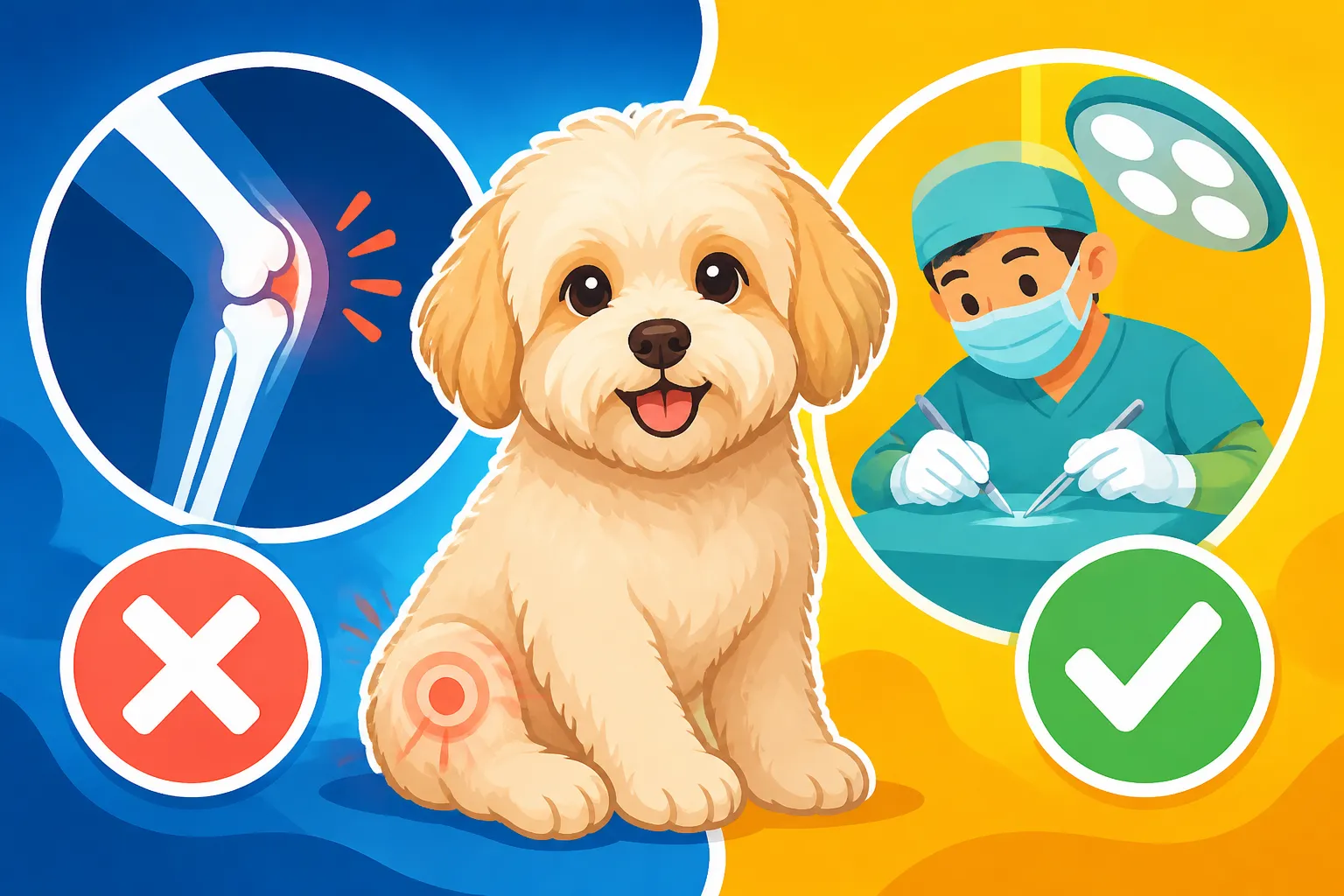
Patellar luxation, often simply called "slipped kneecap," is a condition that affects many small breeds, and our charming Maltipoos are unfortunately among them. It’s a structural issue where the kneecap (patella) moves out of its normal groove on the thigh bone (femur). While it might sound alarming, understanding the mechanics and different grades can help you make informed decisions.
What is Patellar Luxation?
Imagine your Maltipoo's knee joint as a perfectly designed pulley system. The kneecap, or patella, is a small bone that sits in a groove at the end of the femur, known as the trochlear groove. It's held in place by ligaments and tendons, and its job is to help the leg extend smoothly. When your Maltipoo walks, runs, or jumps, the kneecap slides up and down this groove.
With patellar luxation, this alignment is disrupted. The kneecap, instead of staying in its designated track, pops out to one side – either medially (towards the inside of the leg) or laterally (towards the outside). This can happen suddenly, causing your dog to momentarily carry the affected leg, or it can be a chronic condition, leading to persistent lameness. The genetic predisposition in breeds like the Maltese and Poodle, the parent breeds of the Maltipoo, contributes significantly to its prevalence. These breeds are often born with a shallower trochlear groove or misaligned leg bones, making them more susceptible. It’s not your fault; it's often something they're born with, though an injury can certainly exacerbate it.
The Four Grades of Patellar Luxation
Veterinarians classify patellar luxation into four grades, with Grade I being the mildest and Grade IV the most severe. This grading helps determine the best course of action, including whether surgery is necessary. You might hear your vet talk about these grades, and understanding them is key to advocating for your Maltipoo.
-
Grade I: This is the mildest form. The kneecap can be manually luxated (moved out of place) by a vet but will spontaneously return to its normal position. Your Maltipoo might occasionally skip a step or hold up their leg for a short period, especially after vigorous activity, but often they show no obvious symptoms. You might only notice a subtle skip in their walk that indicates a patella issue. This grade often doesn't require immediate surgical intervention, though monitoring is crucial.
-
Grade II: In this grade, the kneecap luxates spontaneously but can still return to its normal position, either on its own or with manual manipulation. You’ll likely see more frequent skipping or intermittent lameness. Your Maltipoo might start holding the leg up for longer periods, showing discomfort. This is often the point where owners start to realize something significant is going on. While some dogs with Grade II can be managed non-surgically, many eventually benefit from surgery, especially if the luxation is frequent or causing pain.
-
Grade III: Here, the kneecap is luxated most of the time. While it can still be manually returned to the groove, it will quickly pop back out again. Dogs with Grade III luxation often have a crouching stance, bowed legs, and noticeable lameness. They might struggle with stairs, jumping, or even running. This grade almost always warrants surgical correction to improve comfort and mobility.
-
Grade IV: This is the most severe grade, where the kneecap is permanently luxated and cannot be manually returned to the groove. The bone structure itself is often severely deformed, and the leg may appear permanently bowed or twisted. Dogs with Grade IV patellar luxation typically experience significant pain and lameness, often struggling to walk normally at all. They might walk with a very crouched gait or use their legs awkwardly. Surgical intervention is definitely indicated here, though the prognosis can be more guarded due to the extent of the changes.
Understanding The Four Patella Grades and Where a Maltipoo Lands is crucial for any owner facing this diagnosis. Each grade presents different challenges and requires a tailored approach.
When is Surgery Considered for a Maltipoo's Kneecap?
Deciding on surgery for your Maltipoo's kneecap is a big step, filled with questions and anxieties. It's a decision that weighs their current comfort against the potential risks and benefits of an invasive procedure. Knowing when to consider it and what other options exist can help you navigate this path.
Non-Surgical Management and Its Limitations
For some Maltipoos, particularly those with Grade I or very mild Grade II patellar luxation, non-surgical management can be effective, at least initially. The primary goals are to manage pain, reduce inflammation, and strengthen supporting muscles.
This often involves:
- Pain Management: Your vet might prescribe anti-inflammatory medications (NSAIDs) to alleviate discomfort and swelling.
- Weight Management: Keeping your Maltipoo at a healthy weight is paramount. Excess weight puts additional strain on the knee joints, exacerbating the problem. Even a small amount of extra weight on a tiny Maltipoo can make a huge difference.
- Joint Supplements: Many vets recommend joint supplements containing ingredients like glucosamine, chondroitin, and MSM. These can help support cartilage health and reduce inflammation. While they won't fix the anatomical issue, they can provide comfort. You might wonder if Supplements Do Anything for a Maltipoo's Knees, and for mild cases, they can indeed offer some symptomatic relief.
- Controlled Exercise: Low-impact exercises like short, leashed walks and swimming can help maintain muscle tone without putting excessive stress on the joint. High-impact activities, like jumping off furniture or vigorous play, should be strictly avoided.
- Environmental Modifications: Providing ramps or steps for your Maltipoo to access furniture can reduce the stress of jumping, which is a major concern for delicate joints.
However, non-surgical options have their limits. For dogs with higher grades of luxation (Grade III or IV), or those with Grade II luxation that causes persistent pain, frequent lameness, or a significantly decreased quality of life, these conservative measures are often insufficient. The underlying anatomical defect remains, and without surgical correction, the condition can progress, leading to chronic arthritis, muscle atrophy, and even tears in other knee ligaments.
Identifying Surgical Candidates
The decision to operate usually comes down to your Maltipoo's comfort, mobility, and the severity of the luxation. Generally, surgical intervention is strongly considered or recommended for:
- Grade III and IV Luxations: These grades almost invariably require surgery. The kneecap is either frequently or permanently dislocated, causing constant discomfort, significant lameness, and a severely compromised ability to move. Living with these grades without surgery is often a painful existence for a dog.
- Symptomatic Grade II Luxations: While some Grade II cases can be managed conservatively, if your Maltipoo is experiencing consistent pain, frequent lameness that impacts their daily life, or if the condition is worsening despite conservative care, surgery becomes a viable and often necessary option. The goal is to prevent further damage and improve their quality of life before more severe, irreversible changes occur.
When discussing surgery, your vet will perform a thorough orthopedic examination, often including X-rays, to assess the extent of the luxation and any associated skeletal abnormalities. They’ll also evaluate your Maltipoo's overall health to ensure they are a good candidate for anesthesia. It's a big decision, and exploring all aspects, including potential costs, is important. This is where options like pet insurance can be a huge relief. Plans from providers like Healthy Paws can cover a significant portion of unexpected surgical costs, making it easier to say "yes" to the treatment your Maltipoo needs. Considering Insuring a Maltipoo Before Its Knees Go is a smart move that can save you heartache and significant expense down the line.
The Risks of Delaying Surgery
While it's natural to hesitate when faced with surgery, delaying intervention for a symptomatic or higher-grade patellar luxation can lead to several complications:
- Progression of the Condition: A luxating kneecap continues to erode the trochlear groove, making the problem worse over time. What starts as a Grade II could progress to a Grade III or even IV.
- Chronic Arthritis: Each time the kneecap slips out of place, it causes friction and damage to the cartilage in the joint. This inevitably leads to painful chronic arthritis, which becomes increasingly difficult to manage.
- Cruciate Ligament Tears: Dogs with chronic patellar luxation are at a much higher risk of tearing their cranial cruciate ligament (CCL), another crucial ligament in the knee. This is because the instability from the luxating patella puts abnormal stress on the CCL, leading to a much more complex and expensive double surgery.
- Muscle Atrophy: Persistent lameness causes muscles in the affected leg to weaken and waste away (atrophy). This makes recovery from surgery more challenging and lengthens rehabilitation time.
- Increased Surgical Complexity: If the condition is left for too long, the bone and joint structures can become severely deformed, making the surgery more complex and potentially less successful. The costs can also increase significantly.
Ultimately, delaying surgery for a Maltipoo who clearly needs it can lead to a lifetime of pain and limited mobility, along with potentially more complicated and costly interventions in the future.
The Surgical Procedure for Patellar Luxation
Once the decision for surgery has been made, understanding the actual procedure can help ease some of your concerns. It's a precise operation performed by skilled veterinary orthopedic surgeons designed to restore proper knee function for your Maltipoo.
What Happens During Patellar Luxation Surgery
The goal of patellar luxation surgery is to correct the anatomical abnormalities that cause the kneecap to slip out of place. There isn't just one surgical technique; rather, a combination of procedures is often performed to achieve the best outcome. The exact approach will depend on the individual Maltipoo's specific anatomy and the severity of the luxation. Your surgeon will discuss which of these techniques, or combination thereof, will be used.
The most common surgical techniques include:
- Deepening the Trochlear Groove (Trochleoplasty): This is often the primary step. The surgeon deepens the shallow groove in the femur where the kneecap normally sits. This provides a more secure channel for the patella to track within, preventing it from slipping sideways. There are a couple of ways this can be done, such as wedge recession (removing a wedge of bone and cartilage, deepening the groove, and then replacing the wedge) or block recession (removing a block of bone).
- Tibial Crest Transposition: The tibial crest is a bony prominence on the shin bone (tibia) where the patellar ligament attaches. If this attachment point is misaligned, the surgeon will cut a section of the tibial crest, move it to a more appropriate position to realign the patella, and then reattach it with pins or wires. This effectively corrects the angle of pull on the kneecap.
- Soft Tissue Release or Tightening: Sometimes, the soft tissues surrounding the kneecap are too tight on one side or too loose on the other, pulling the patella out of alignment. The surgeon may release the tight tissues (fascia release) or tighten the loose ones (capsular overlap) to balance the forces acting on the kneecap.
All of these procedures are performed under general anesthesia. It's critical to remember that Whether a Maltipoo Under Four Pounds Survives Anesthesia is a valid concern for small dogs, and your vet will take extra precautions, including pre-anesthetic bloodwork, IV fluids, and careful monitoring throughout the procedure. They will also implement pain management protocols to ensure your Maltipoo is comfortable during and after surgery. You can get a clearer picture of What a Surgeon Does to a Maltipoo's Kneecap by discussing the specific techniques with your chosen specialist.
Potential Complications and Success Rates
While patellar luxation surgery is highly effective, like any surgical procedure, it carries potential risks. It’s important to be aware of these, though serious complications are relatively uncommon.
Potential complications can include:
- Infection: As with any surgery, there's a risk of bacterial infection at the surgical site. This is typically managed with antibiotics.
- Implant Failure: If pins or wires are used to stabilize the tibial crest, they can occasionally loosen, bend, or break, requiring removal or revision surgery.
- Re-luxation: In a small percentage of cases, the kneecap may still luxate again after surgery. This is more common with severe Grade IV cases or if the dog experiences a subsequent injury.
- Nerve Damage: Though rare, there's a minimal risk of damage to nerves around the knee.
- Anesthetic Complications: While modern veterinary anesthesia is very safe, particularly for smaller dogs, there's always a slight risk.
Despite these potential issues, the success rates for patellar luxation surgery in Maltipoos are excellent, generally ranging from 85% to 95%. The vast majority of dogs experience a significant improvement in comfort and mobility after a successful operation. The key to a good outcome is choosing an experienced, board-certified veterinary orthopedic surgeon who has a strong track record with small breed dogs. Their expertise significantly minimizes risks and optimizes the chances of a full recovery.
Post-Operative Care and Recovery for Your Maltipoo
Surgery is just the first step in your Maltipoo's journey back to full health. The recovery period is equally critical, demanding patience, dedication, and meticulous care from you, the owner. Proper post-operative management directly impacts the long-term success of the surgery.
Immediate Post-Surgery Care
The initial days and weeks following surgery are crucial for healing and preventing complications. Your Maltipoo will likely need a short hospital stay, typically 1-3 days, for immediate pain management and monitoring.
Once your Maltipoo comes home, your responsibilities will include:
- Strict Rest: This is non-negotiable. Your Maltipoo will need to be confined to a small, comfortable space, like a crate or a playpen, to limit movement and allow the tissues to heal. Absolutely no running, jumping, or rough play for several weeks. This can be challenging with an energetic Maltipoo, but it's vital.
- Pain Medication: Your vet will prescribe pain relievers and possibly anti-inflammatory medications. Administer these exactly as directed, even if your Maltipoo seems to be feeling better. Managing pain is essential for comfort and encourages gentle weight-bearing.
- Incisional Care: You'll need to check the surgical incision daily for any signs of redness, swelling, discharge, or excessive licking. Keep it clean and dry. Your Maltipoo will likely wear an Elizabethan collar (e-collar or "cone of shame") to prevent them from licking or chewing at the stitches, which can lead to infection or reopening the wound.
- Cold Compresses: In the first few days, applying cold compresses to the surgical site can help reduce swelling and discomfort. Your vet will provide specific instructions on how and when to do this.
- Leash Walks Only: When your Maltipoo needs to go outside to relieve themselves, they must be on a leash and gently supported if needed. Keep these outings very short and controlled.
It takes immense dedication to keep a small, active Maltipoo quiet, but this period of strict rest is the foundation for successful healing.
Rehabilitation and Long-Term Management
After the initial healing phase, rehabilitation plays a vital role in restoring strength, flexibility, and full function to your Maltipoo's leg. This gradual process often involves physical therapy and ongoing home care.
- Physical Therapy (PT): Your vet may recommend formal physical therapy with a certified canine rehabilitation therapist. This can include passive range of motion exercises, therapeutic exercises to strengthen specific muscles, balance exercises, and even hydrotherapy (underwater treadmill) which allows for low-impact exercise. These sessions are tailored to your Maltipoo's individual needs and progress.
- Gradual Increase in Activity: Over several weeks to months, your vet will guide you on slowly increasing your Maltipoo's activity level. This means progressing from short, controlled leash walks to longer ones, and eventually allowing for more normal play, always with caution. Avoid sudden bursts of activity or situations where they might jump or twist. It's really helpful to consider things like Whether a Maltipoo Should Use Steps to the Sofa to prevent future injuries as they recover.
- Joint Support: Many vets recommend continuing with joint supplements long-term to support joint health and help manage the development of any future arthritis, which can still occur even after successful surgery.
- Weight Management: Maintaining an ideal body weight remains critically important for the rest of your Maltipoo's life. Regular monitoring of their weight and diet is essential to prevent excess strain on the repaired joint.
The entire rehabilitation process can take several months, and adherence to the plan is crucial for optimal results. Remember that pet insurance, such as a policy from Healthy Paws, can be incredibly beneficial during this period, as it often covers rehabilitation costs, making these essential therapies more accessible without adding significant financial strain.
What to Expect in the Months After Surgery
The journey to full recovery is not instant, and it's important to have realistic expectations. While most Maltipoos recover very well, it's a process.
- Timeline for Recovery: Expect the most significant improvements within the first 8-12 weeks, but full recovery and muscle rebuilding can take up to 6 months or even longer. Your Maltipoo may not walk perfectly "normally" for a while, and that's okay.
- Possible Residual Lameness or Stiffness: Some Maltipoos, especially those with higher-grade luxations or significant pre-existing arthritis, might retain a very subtle lameness or stiffness in the affected leg. This is usually mild and doesn't impact their quality of life. Understanding Whether a Maltipoo Recovers Fully From Knee Surgery means appreciating that "fully" often refers to functionality and pain-free living, rather than a leg that operates exactly as if it was never affected.
- Long-Term Comfort and Mobility: The ultimate goal is to provide your Maltipoo with a pain-free life and improved mobility. A successful surgery will allow them to run, play, and enjoy their daily activities without the constant discomfort or instability of a luxating kneecap.
- Ongoing Monitoring: Regular veterinary check-ups will be important to monitor the joint health and address any emerging issues promptly.
Your dedication and patience during this recovery period will greatly contribute to your Maltipoo's long-term comfort and happiness.
Financial Considerations and Support
One of the most significant concerns for any pet owner considering surgery is the financial aspect. Patellar luxation surgery can be a substantial expense, but understanding the costs and available support can help you plan effectively.
The Cost of Patellar Luxation Surgery
The cost of patellar luxation surgery for a Maltipoo can vary widely based on several factors, including:
- Geographic Location: Veterinary costs tend to be higher in urban areas compared to rural ones.
- Severity of Luxation: More complex cases, especially Grade IV with significant bone deformities, may require more extensive surgical techniques and therefore be more costly.
- Veterinarian's Experience: A board-certified veterinary orthopedic specialist will typically charge more than a general practice veterinarian, but their expertise often leads to better outcomes.
- Pre-Operative Diagnostics: This includes initial consultations, physical examinations, and X-rays to accurately diagnose the condition and plan the surgery.
- Anesthesia and Monitoring: Given the small size of Maltipoos, careful anesthetic monitoring is crucial, which contributes to the overall cost.
- Surgical Procedure Itself: This is the bulk of the cost, covering surgeon fees, surgical supplies, and operating room time.
- Medications: Post-operative pain medications and anti-inflammatories are necessary.
- Hospital Stay: The cost of an overnight or multi-day stay in the veterinary hospital for recovery and monitoring.
- Follow-up Appointments and Rehabilitation: Post-operative check-ups, suture removal, and any recommended physical therapy sessions will add to the total.
On average, you can expect patellar luxation surgery for one knee to range from $1,500 to $5,000, with some complex cases or specialist facilities potentially exceeding this. If both knees are affected, the cost will be significantly higher, though sometimes a discount might be applied if both are done at once. When considering What Patella Surgery Costs on a Six Pound Maltipoo, these are the factors that will contribute to the final bill.
Pet Insurance and Financial Planning
Facing a multi-thousand-dollar veterinary bill can be incredibly stressful, but proactive financial planning, especially through pet insurance, can make a huge difference.
- Pet Insurance: This is by far one of the best ways to mitigate the financial burden of unexpected veterinary care, including patellar luxation surgery. Providers like Healthy Paws offer comprehensive plans that can cover a significant percentage (e.g., 80-90%) of eligible veterinary expenses after your deductible is met. The crucial caveat is that pet insurance typically does not cover pre-existing conditions. This means it's vital to enroll your Maltipoo in a plan before they develop any symptoms or receive a diagnosis of patellar luxation. If your Maltipoo is already showing signs or has been diagnosed, the condition will likely be considered pre-existing and therefore not covered. This reinforces the importance of getting pet insurance early in your dog's life. Whether Insurance Covers a Maltipoo's Patella depends entirely on when the policy was taken out relative to diagnosis.
- Veterinary Payment Plans or Credit Cards: Many veterinary clinics offer their own payment plans or accept third-party veterinary credit cards like CareCredit, which allow you to spread out payments over time, often with deferred interest options.
- Savings Account: Establishing a dedicated savings account for pet emergencies is a responsible way to prepare for unexpected health issues.
- Crowdfunding or Charitable Organizations: In cases of extreme financial hardship, some owners turn to crowdfunding platforms or seek assistance from veterinary aid organizations, though these options are not guaranteed.
Planning for potential health issues is a hallmark of responsible pet ownership. By understanding the costs and exploring options like pet insurance from Healthy Paws, you can ensure your Maltipoo receives the best possible care without undue financial stress.
Making the Best Decision for Your Maltipoo
Deciding whether your Maltipoo's kneecap needs surgery is a deeply personal choice, but it's one that should be made in close consultation with your veterinarian, always keeping your dog's long-term health and happiness at the forefront.
Quality of Life vs. Intervention
The core of this decision lies in assessing your Maltipoo's quality of life. Are they in pain? Are they able to enjoy their normal activities? Is their lameness progressing or causing them to compensate in ways that might lead to other problems?
- Observation is Key: As their owner, you are the best judge of your Maltipoo's daily demeanor and comfort levels. Pay close attention to subtle signs of pain, reluctance to move, changes in gait, or decreased enthusiasm for play. The Skip in a Maltipoo's Walk That Means a Patella is often the first, subtle clue.
- Veterinary Consultation: Your veterinarian is your most important partner in this decision. They can objectively assess the grade of luxation, the extent of arthritis, and the overall health of the joint. Don't hesitate to ask questions, discuss your concerns, and even seek a second opinion from a board-certified orthopedic specialist. Different vets might have slightly different approaches, and finding one you trust implicitly is paramount.
- Weighing Risks and Benefits: Surgical intervention comes with risks, as discussed, but so does living with untreated patellar luxation. For many Maltipoos with Grade II (symptomatic) or higher luxation, the long-term benefits of pain relief, improved mobility, and prevention of further joint degeneration far outweigh the surgical risks. The alternative could be chronic pain, severe arthritis, and a significantly diminished quality of life.
Ultimately, you are advocating for your beloved companion. The goal is to choose the path that offers them the best chance at a comfortable, active, and happy life.
Living with a Maltipoo Prone to Patellar Luxation
Even if your Maltipoo undergoes successful surgery, or if they have a mild case that doesn't require surgery, proactive management is key to their long-term joint health.
- Maintaining a Healthy Weight: This cannot be stressed enough. Every extra pound on a small Maltipoo places disproportionate stress on their joints, exacerbating any existing orthopedic issues. Work with your vet to ensure your Maltipoo maintains an ideal body condition.
- Controlled Exercise: Avoid high-impact activities that involve twisting, jumping, or sudden stops and starts. Opt for consistent, moderate exercise like leashed walks or swimming.
- Environmental Modifications: Continue to provide ramps or steps to help your Maltipoo get on and off furniture. Consider non-slip rugs on hardwood or tile floors to prevent slips and falls that could re-injure the knee.
- Joint Supplements: Continue to provide high-quality joint supplements as recommended by your vet to support cartilage health and reduce inflammation.
- Regular Veterinary Check-ups: Consistent check-ups, perhaps twice a year for an aging or predisposed Maltipoo, allow your vet to monitor joint health, detect any issues early, and adjust management plans as needed. These The Yearly Checks a Maltipoo Should Get are vital preventative measures.
- Consider Both Knees: It’s common for patellar luxation to affect both knees. If one knee is operated on, closely monitor the other, as Whether Both of a Maltipoo's Knees Go is a frequent concern for owners of predisposed breeds.
Living with a Maltipoo means being attuned to their unique health needs. Patellar luxation, while common, is manageable, and with diligent care, whether surgical or conservative, your furry friend can continue to live a joyful life.
Patellar Luxation Grades and Treatment Summary
To help you visualize the different grades and typical treatment approaches, here's a helpful table:
| Grade of Luxation | Description of Condition | Clinical Signs | Typical Treatment Recommendation |
|---|---|---|---|
| Grade I | Kneecap can be manually luxated but returns spontaneously. | Occasional skipping or holding leg up; often asymptomatic. | Conservative management (weight, supplements, controlled exercise). |
| Grade II | Kneecap luxates spontaneously but can return (manual/self). | Intermittent lameness, more frequent skipping, occasional pain. | Conservative initially; surgery if symptomatic, progressive, or painful. |
| Grade III | Kneecap is luxated most of the time; can be manually reduced. | Persistent lameness, crouching gait, bowed legs, significant discomfort. | Surgical correction strongly recommended. |
| Grade IV | Kneecap is permanently luxated; cannot be manually reduced. | Severe lameness, inability to extend leg, significant pain, bone deformity. | Surgical correction always recommended; more complex procedure. |
Disclaimer
The information provided in this guide is intended for educational purposes only and should not be taken as veterinary advice. Always consult with a qualified veterinarian for any health concerns or before making any decisions regarding your Maltipoo's medical care.