Whether an Old Maltipoo Goes Blind or Deaf First
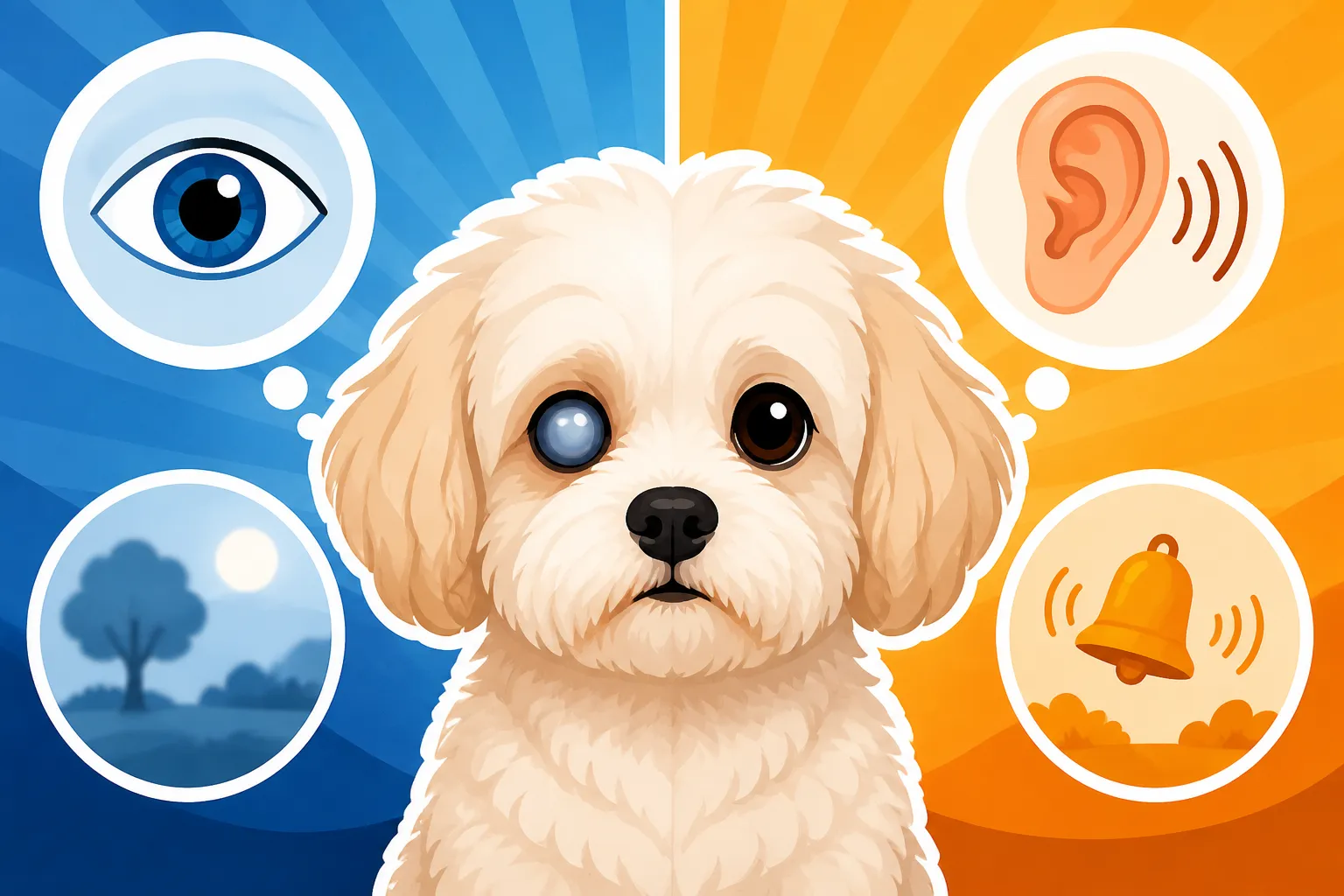
It’s heartbreaking to watch our beloved Maltipoos age, isn't it? One of the biggest worries many of us face is how they'll navigate the world when their senses start to fade. Will they lose their precious sight first, bumping into furniture and feeling disoriented, or will their hearing go, leaving them unable to hear our comforting voices or the rustle of a treat bag? This guide is here to shed some light on whether an older Maltipoo is more likely to experience blindness or deafness first, what subtle signs to watch for, and how you can support them every step of the way.
Understanding Sensory Decline in Aging Maltipoos
As our cherished Maltipoos enter their golden years, it's natural for their bodies to undergo changes, and their senses are no exception. Just like humans, dogs can experience a gradual decline in their vision and hearing, which can be a difficult adjustment for both pet and owner. It's important to remember that this isn't a sudden event, but often a slow process, giving us time to adapt and help our furry friends.
The Natural Process of Aging
Aging in dogs is a complex journey, and sensory organs are particularly susceptible to the wear and tear of time. Vision loss often stems from changes within the eye itself, such as the lens becoming less transparent or the retina deteriorating. Similarly, hearing loss typically involves the delicate structures of the inner ear or the nerve pathways that transmit sound to the brain. These aren't necessarily illnesses in themselves but rather a natural part of growing old. For a Maltipoo, whose lifespan can range from The Twelve to Fifteen Years a Maltipoo Lives], understanding these changes is key to providing compassionate care. The body's ability to repair and maintain these intricate systems simply isn't what it once was. You might notice your once spry and alert companion slowing down, perhaps not reacting as quickly to sounds or appearing less confident navigating familiar spaces. This isn't a sign of defiance or disinterest; it's often their way of telling you that their world is shifting.
Breed-Specific Predispositions
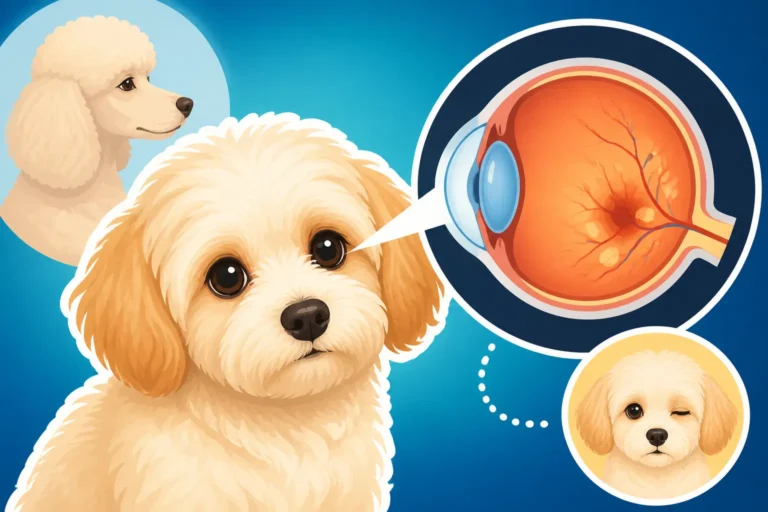
Maltipoos, being a delightful mix of Maltese and Poodle, can inherit tendencies from both breeds. When it comes to sensory health, this means they might be predisposed to certain conditions. For instance, Poodles are known to be susceptible to progressive retinal atrophy (PRA) and cataracts. If your Maltipoo's Poodle parent carried these genes, there's a higher chance your dog might develop them. This condition, which causes the retina to degenerate, can lead to complete blindness. Similarly, the Maltese side can also contribute to various eye conditions. So, while general aging affects all dogs, the genetic lottery a Maltipoo wins (or loses) can play a significant role in which sense might decline first or most severely. It’s always a good idea to discuss these possibilities with your vet, especially during The Yearly Checks a Maltipoo Should Get], so you can be proactive. Understanding these predispositions helps you to be more vigilant about early signs and to seek veterinary advice sooner rather than later.
Signs of Vision Loss in Your Older Maltipoo
Watching your Maltipoo's eyesight dim can be particularly distressing because so much of their interaction with the world relies on what they see. However, dogs are incredibly adaptable, and often their other senses will compensate for declining vision, making it challenging to spot in the initial stages.
Subtle Changes to Obvious Impairment
Early signs of vision loss can be quite subtle and easily missed, especially if your home environment remains consistent. You might notice your Maltipoo hesitating slightly before jumping off the sofa, or perhaps they'll bump into furniture that has been moved, even slightly. They might seem more tentative on stairs, or reluctant to go into dimly lit rooms. As vision loss progresses, these signs become more pronounced. They might start relying heavily on scent and hearing to navigate, sticking close to walls or appearing disoriented in new places. You may notice their eyes appearing cloudy or hazy, which can be a sign of nuclear sclerosis (a normal aging change in the lens) or cataracts. A dog struggling with vision might also become more clingy, seeking constant reassurance, or conversely, more easily startled, snapping if approached unexpectedly. It’s a real challenge to decipher these behaviors, but paying close attention to their daily routines and reactions can provide crucial clues.
Common Eye Conditions in Senior Maltipoos
Several eye conditions are prevalent in aging Maltipoos, some of which are inherited and others that develop over time.
- Progressive Retinal Atrophy (PRA): This is a group of degenerative diseases affecting the retina. It often starts with night blindness and progresses to complete blindness. Poodles are known carriers, so it's something to be aware of in Maltipoos. Unfortunately, there's no cure, but early detection helps with managing expectations and adaptations. You can read more about The Retinal Disease a Maltipoo Gets From the Poodle].
- Cataracts: These are opacities that form on the lens of the eye, obstructing light and causing blurry vision. While some cataracts are age-related, others can be genetic or related to conditions like diabetes. If you notice a milky or cloudy appearance in your Maltipoo's eyes, it's worth a vet visit. Whether a Maltipoo Gets Cataracts] is a common question, and thankfully, in some cases, surgery can restore vision.
- Glaucoma: This is a painful condition caused by increased pressure within the eye, which can lead to optic nerve damage and blindness. Signs include a red, swollen, or cloudy eye, squinting, and rubbing the eye. It's an emergency situation that requires immediate veterinary attention to save vision.
- Nuclear Sclerosis: Often mistaken for cataracts, nuclear sclerosis is a bluish-gray haze that develops in the lens of both eyes as dogs age. It rarely impairs vision significantly and is considered a normal part of aging, usually not requiring treatment.
Understanding these conditions, and seeking prompt veterinary care if you suspect an issue, can make a huge difference in your Maltipoo's quality of life. Regular eye checks, as part of your Maltipoo's routine health plan covered by plans like those from Healthy Paws, can help catch these problems early.
Home Environment Adjustments for Vision Loss
Adapting your home to suit a vision-impaired Maltipoo is crucial for their safety and confidence. The key is consistency and minimizing changes. Try to keep furniture in the same place and block off dangerous areas like stairs with gates. Use different textures of rugs or runners to mark pathways to important areas like their food bowl or a favorite sleeping spot. Scent markers, like essential oils (be careful to use dog-safe ones sparingly, or just a distinct scent on a cloth), can also help them navigate. When you enter a room, announce yourself with a gentle sound before touching them to avoid startling them. Consider ramps for access to furniture they used to jump on, to prevent falls and injury. For outdoor safety, keep them on a leash in unfamiliar areas, and ensure your yard is securely fenced and free of hazards. A little thoughtful planning goes a long way in ensuring your dog feels secure and happy.
Recognizing Hearing Loss in Your Senior Maltipoo
Hearing loss, like vision loss, can creep up slowly in older Maltipoos, and because dogs often adapt by relying on their keen sense of smell and vibration sensitivity, it can sometimes be even harder to detect initially.
Early Indicators of Diminished Hearing
The first signs of hearing loss are often subtle. You might notice your Maltipoo isn't responding to their name as readily, especially when they're not looking directly at you. They might sleep more soundly and not wake up as easily to everyday noises like the doorbell or your car pulling into the driveway. If you're giving commands and they seem to ignore you, or if they bark excessively without an obvious trigger, it could be a sign their hearing is failing. They might also startle more easily when touched from behind, as they didn't hear you approach. Sometimes, they might even seem confused or disoriented because they're missing auditory cues they once relied on. It's a frustrating situation for both of you, as you might feel ignored, and they might feel out of sync with their environment. Being patient and observant is key here.
Dealing with Complete Deafness
When a Maltipoo becomes profoundly deaf, their world shrinks significantly. They can no longer hear traffic, approaching people, or even your voice, which can be disorienting and sometimes frightening for them. They might become more dependent on visual cues and vibrations. Some dogs who become deaf can become more vocal, barking more often as they can't gauge the volume of their own voice. On the other hand, some might become quieter. It's important not to scold them for not hearing you; they genuinely can't. Instead, approach them gently, stomp your foot a few feet away to create vibrations, or use a soft light to get their attention. Your vet can confirm deafness and rule out other causes of hearing loss, such as ear infections or blockages, which are especially important for a Maltipoo given their floppy ears that can sometimes lead to Whether a Maltipoo Gets Ear Infections]. Regular vet check-ups, even if your Maltipoo is covered by pet insurance like Healthy Paws, are essential to differentiate between age-related deafness and treatable conditions.
Communication Strategies for Hearing-Impaired Maltipoos
Adapting your communication style is vital for a deaf Maltipoo. Hand signals become your new language. Start by associating a simple hand signal with a treat – for example, an open palm for "sit." Repeat this consistently, always pairing the signal with the desired action and a reward. Visual cues like pointing to their food bowl or the door for a walk will also become very important. For attention, you can use a gentle touch on their shoulder or a soft foot stomp to create vibrations. Many owners also find a vibrating collar useful for recall, training the dog to associate the vibration with looking at you for a hand signal. Remember, consistency is paramount. Everyone in the household should use the same signals to avoid confusion. This new way of communicating can actually deepen your bond, as you learn to understand each other in a whole new dimension.
Here's a quick comparison of what to look out for:
| Symptom Category | Vision Loss Signs | Hearing Loss Signs |
|---|---|---|
| Navigation | Bumping into objects, hesitation on stairs, difficulty in dim light, reluctance to move | Startling easily when touched, not reacting to loud noises, sleeping more soundly |
| Interaction | Disorientation in new environments, clumsiness, decreased eye contact | Ignoring commands, not coming when called, barking excessively or unusually quiet |
| Appearance | Cloudy eyes, dilated pupils, eyes appearing dull or unfocused | No obvious physical changes to the ear unless an infection is present |
| Behavioral | Increased clinginess, anxiety, snapping when startled | Increased watchfulness (relying on sight), appearing confused, sometimes more vocal |
Supporting Your Maltipoo Through Sensory Changes
Supporting an aging Maltipoo through sensory decline is about more than just managing symptoms; it's about enriching their life and maintaining their happiness. It requires patience, understanding, and a willingness to adapt your daily routines to meet their evolving needs.
Creating a Safe and Familiar Environment
The most loving thing you can do for a Maltipoo losing its sight or hearing is to provide a stable, predictable, and safe environment. For those with vision loss, avoid moving furniture. If you must rearrange, guide them around the new layout several times. Use baby gates to block off stairs or unsafe areas. Ensure their bed, food, and water bowls are always in the same, easily accessible spot. For a deaf Maltipoo, a visual "safe spot" where they can retreat and feel secure is beneficial. Consider a comfortable bed away from high traffic areas where they can rest without being startled. Keeping the floor clear of clutter is also vital, preventing trips and falls, especially if they are also dealing with issues like Slipping Kneecaps in a Maltipoo]. A consistent environment reduces anxiety and allows them to navigate their world with confidence, even with reduced senses.
Maintaining Routine and Mental Stimulation
While physical exercise might need to be modified for an older Maltipoo, maintaining a consistent daily routine is incredibly comforting. Regular feeding times, potty breaks, and short, gentle walks provide structure and predictability. For dogs with vision loss, familiar walking routes are best, allowing them to rely on memory and scent. For deaf dogs, keep them leashed and use visual cues for walks and playtime. Mental stimulation is just as important as physical activity for senior dogs. Puzzle toys filled with treats, scent games (hiding treats for them to sniff out), and gentle massage can keep their minds active and engaged. Even if they can't see or hear perfectly, their nose is usually still fantastic! Activities that engage their sense of smell can provide immense joy and a sense of purpose. Remember, Grooming an Old Maltipoo] might need to be done in shorter sessions, and even that interaction can be a form of mental and physical comfort.
When to Consult Your Veterinarian
Regular veterinary check-ups are paramount as your Maltipoo ages, regardless of whether you’ve noticed sensory changes. Your veterinarian can perform thorough eye exams to identify conditions like cataracts or glaucoma and conduct hearing assessments. They can also rule out other underlying health issues that might be contributing to behavioral changes you're observing, such as pain or cognitive dysfunction, or even more serious issues like The Liver Shunt a Maltipoo Can Inherit From the Maltese]. Early diagnosis of many conditions allows for better management and can even preserve some remaining function. Don't wait until the problem is severe; a proactive approach is always best. Discuss any concerns you have, no matter how small they seem, with your vet. They can provide guidance on specific adaptations for your home, recommend specialists if needed, and help you create a long-term care plan. Having comprehensive pet insurance, such as a policy from Healthy Paws, can significantly ease the financial burden of these ongoing vet visits, specialized treatments, and any medications your senior Maltipoo might need. Remember, your vet is your best partner in ensuring your Maltipoo's golden years are as comfortable and joyful as possible.
What Usually Happens First: Blindness or Deafness?
While every Maltipoo is an individual, and their aging process will be unique, generally speaking, hearing loss often starts earlier and can progress more subtly than vision loss in many small dog breeds, including Maltipoos.
Think about it: Many senior dogs become "selectively deaf" long before their eyes appear cloudy or they start bumping into things. They might still respond to high-pitched sounds or sudden loud noises, but your normal speaking voice or the rustle of a treat bag from another room might go unheard. This gradual decline can be attributed to the natural degeneration of the hair cells within the inner ear or the auditory nerve pathways.
Vision loss, on the other hand, often manifests with more noticeable physical changes, like cloudy lenses (cataracts or nuclear sclerosis) or more dramatic behavioral shifts like true disorientation in familiar spaces. While nuclear sclerosis is a very common and normal age-related change that causes a bluish haze but typically doesn't severely impact vision, more serious conditions like cataracts or PRA will cause a more profound visual impairment that becomes evident as your dog starts to navigate their environment with less confidence.
It's important to stress that this is a generalization. Some Maltipoos will experience significant vision decline first, especially if they have a genetic predisposition to conditions like PRA or severe cataracts. Others might maintain excellent vision well into old age while their hearing completely fades. The key takeaway is to be vigilant for subtle changes in both senses as your Maltipoo ages, consulting your veterinarian promptly with any concerns. The goal is to catch these changes early, support your dog, and ensure their comfort and quality of life for as long as possible.
Disclaimer
The information provided in this article is for general informational purposes only and is not a substitute for professional veterinary advice. Always consult with a qualified veterinarian regarding any medical condition or health concern your Maltipoo may have.