Where a Maltipoo’s Apricot Comes From
It’s a truly delightful moment when you first lay eyes on a Maltipoo puppy, their fluffy coat often captivating with its soft, inviting colors. But if you’ve fallen in love with an apricot Maltipoo, you might find yourself wondering where that beautiful, warm hue actually comes from, especially since one of their parent breeds is always white. This guide will take a deep dive into the fascinating genetics behind that charming apricot shade, helping you understand its origins and what to expect as your puppy grows.
What Exactly is an Apricot Maltipoo?
When we talk about an apricot Maltipoo, we're describing a beautiful range of warm, yellowish-orange to reddish-orange colors that are truly distinctive. It's not a single, unvarying shade, but rather a spectrum that adds so much charm to these already adorable dogs. Many prospective owners specifically seek out this color, drawn to its soft, inviting appearance.
Defining the Apricot Hue
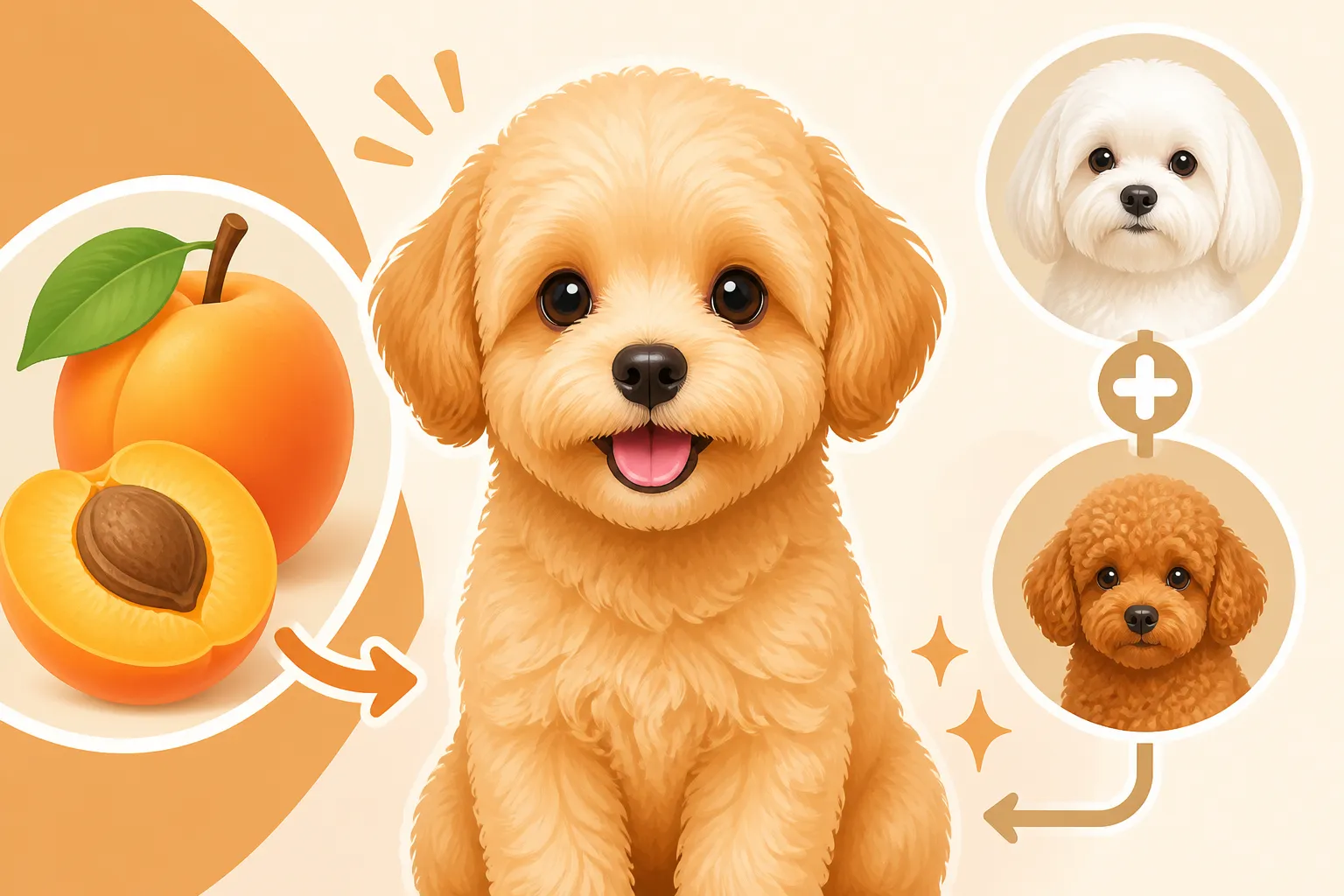
Apricot is best described as a muted red or a deep cream with a distinct orange tint. Think of the inside flesh of a ripe apricot fruit – that's the general idea! It’s warmer than cream, richer than fawn, and typically less intense than a true vibrant red. The intensity can vary quite a bit, from a very pale, almost sandy apricot to a deeper, more saturated orange-red. This variation is part of what makes each apricot Maltipoo unique; no two are exactly alike, even within the same litter. When you look at an apricot puppy, you'll often see the color is strongest on their ears, along their back, and sometimes on their tail, while their belly and inner legs might be a softer, lighter shade.
Distinguishing Apricot from Red or Cream
It can be a little tricky to tell apricot apart from related colors like red or cream, especially in puppies, as their coats often change as they mature. Cream is generally a lighter, softer, more yellowish shade without the strong orange undertones of apricot. Imagine a light butter color or pale straw. Red, on the other hand, is usually a much more vibrant and intense hue, leaning towards a true fiery or rust color, often with less of the yellow or orange influence. Sometimes, a very deep apricot might be called "red" by a breeder, and a very light apricot might be referred to as "cream" or "blonde." This is where seeing the parents and understanding the genetics can really help. Understanding these subtle differences is key to appreciating the full range of Maltipoo coat possibilities.
The Poodle Parent: The Source of Apricot
For anyone curious about where a Maltipoo’s apricot coat originates, the answer lies squarely with the Poodle side of their family tree. The Maltese half, while contributing many wonderful traits, doesn’t bring any color diversity to the equation beyond white.
Maltese: The White Foundation
The Maltese breed is famously and consistently white. Their genetic makeup for coat color is very straightforward: they carry genes that produce only white hair, typically masking any other potential colors they might genetically possess. This means that no matter what other breeds the Maltese might be crossed with, they will always contribute only the "white" genetic component to their offspring's coat. So, when you look at a Maltipoo with an apricot coat, you can be absolutely certain that the apricot pigment did not come from the Maltese parent. They're like a blank canvas, allowing the Poodle's vibrant palette to shine through. You can read more about this in Why a Maltipoo Comes in Colors a Maltese Never Does.
Poodle's Diverse Color Palette
The Poodle, however, is a breed renowned for its incredible variety of coat colors. From solid blacks, whites, and browns to blues, silvers, creams, and, yes, apricots and reds – the Poodle registry is a kaleidoscope of hues. This vast genetic library of colors is what makes designer breeds like the Maltipoo so exciting and unpredictable in their appearance. The Poodle carries genes for nearly every canine coat color imaginable, and when one of these Poodles is bred with a white Maltese, the resulting Maltipoo puppy has the potential to inherit any of the Poodle's colors, provided the specific genetic combination is present. It's a testament to the Poodle's genetic diversity that we see such a wide array of Maltipoo colors.
How Poodle Genetics Pass On Color
When a Poodle parent carries the genetic markers for apricot, these can be passed directly to their Maltipoo offspring. The specific genes responsible for red and yellow pigments are present in Poodles, and when combined with the Maltese's white, they manifest as cream, apricot, or red in the Maltipoo. It's not just a simple dominant/recessive scenario; often, multiple genes interact to produce the final shade. For instance, a Poodle might carry genes that produce a deep, rich red, and if those genes are passed to a Maltipoo, you might see a beautiful, vibrant apricot. If the Poodle also carries genes for dilution, the apricot might be softer, leaning more towards cream. This complex interplay of genetics is why littermates can sometimes display slightly different shades of apricot, or even entirely different colors altogether. This demonstrates the fascinating genetic blend that forms The Maltese and the Poodle Behind Every Maltipoo.
Understanding Canine Coat Color Genetics
The science behind dog coat colors is surprisingly intricate, involving a symphony of genes that determine everything from the type of pigment produced to where it's distributed on the dog's body. For apricot Maltipoos, several key genetic players come into action, primarily originating from the Poodle side.
The 'E' Locus and Red/Yellow Pigment
The most crucial genetic locus (a specific location on a chromosome) for apricot color in dogs is the 'E' locus, also known as the Extension locus. This locus controls whether a dog can produce red (pheomelanin) pigment and where that pigment is expressed.
- E (Dominant Black Extension): A dog with at least one dominant 'E' allele can express black pigment (eumelanin) if other genes allow for it. However, it also allows the expression of red/yellow pigment.
- e (Recessive Red): Dogs that are homozygous for the recessive 'e' allele (meaning they have two copies, 'e/e') will only produce red or yellow pigment, regardless of what other color genes they carry. This 'e/e' genotype is essential for an apricot Maltipoo. Essentially, these dogs are "locked" into producing pheomelanin, giving them their lovely red, yellow, or apricot coats.
So, for an apricot Maltipoo, the Poodle parent must contribute at least one 'e' allele, and the Maltipoo must inherit two 'e' alleles (one from each parent, though the Maltese's 'e' might be masked by its white gene if not explicitly 'e/e'). This 'e/e' genotype is the fundamental building block for any red or apricot colored dog. Without it, the dog would express black or brown pigment if those genes were present.
Other Genes Influencing Shade and Intensity
While the 'E' locus determines if a dog can be red/apricot, other genes fine-tune the shade and intensity of that color.
- The 'I' (Intensity) Locus: This locus acts as a dimmer switch for pheomelanin. Dogs with genes for high intensity (stronger 'I' alleles) will have vibrant reds, while those with genes for lower intensity (weaker 'i' alleles) will have diluted reds, appearing as apricot or cream. A Poodle carrying these "dilution" genes will pass them on, influencing whether the Maltipoo is a deep, rich apricot or a softer, paler shade.
- The 'C' (Chinchilla) Locus: While often associated with diluting red in other breeds, its role in Poodles and Maltipoos specifically for apricot shades is debated but can contribute to the range from deep red to pale cream. Think of it as another layer of complexity in the genetic blueprint.
- The 'A' (Agouti) Locus: This locus dictates where black/brown and red/yellow pigments are placed on the hair shaft or body. Even in an 'e/e' dog (which is entirely red/apricot), the 'A' locus can still influence the distribution of shade if any black pigment were able to be expressed, but primarily, it's about patterns like sable or phantom, which would show up if the dog wasn't 'e/e'. For a solid apricot, the 'e/e' genotype overrides the patterning aspects of the 'A' locus. Still, the genetic makeup at the 'A' locus might subtly influence the depth or distribution of apricot if there are variations in how pheomelanin is produced.
The interplay of these genes is why it's so hard to predict the exact shade of an apricot Maltipoo until they're born, and even then, it can evolve. Responsible breeders who understand these genetics can offer more reliable predictions. You might wonder about the overall predictability of a Maltipoo's traits, which is often discussed in relation to Whether an F1 Maltipoo's Temperament Is Predictable.
Why an F1 Maltipoo's Color Can Be a Surprise
An F1 Maltipoo is a first-generation cross between a purebred Maltese and a purebred Poodle. Because you're combining the genetics of two distinct breeds, the outcome for coat color can sometimes be quite a surprise.
- Heterozygous Genes: The Poodle parent, even if it appears solid apricot, might carry recessive genes for other colors or for varying intensities. When these mix with the Maltese's genes (which, remember, are predominantly for white, but still carry their own 'e' alleles for red expression which are typically masked), the resulting combinations can be unexpected.
- The Poodle's Hidden Traits: A Poodle that visually appears a certain color might genetically carry many other color traits recessively. For example, a Poodle that looks black could still carry the 'e' allele for red/apricot, and if bred with a Maltese (which also carries 'e' or is 'e/e' but masked), an apricot puppy could emerge.
- Complex Inheritance: With multiple genes interacting, it's not a simple Punnett square calculation. The precise shade, distribution, and future fading potential are all woven into this genetic tapestry. This is why even experienced breeders cannot always guarantee an exact shade of apricot. They can predict a range, but the nuances are often a delightful mystery.
The Spectrum of Apricot in Maltipoos
Just like the fruit it's named after, apricot in Maltipoos isn't a single, uniform color. It encompasses a beautiful range of warm tones, each with its own charm. This spectrum is influenced by several factors, making each apricot Maltipoo a unique work of art.
Light Apricot vs. Deep Apricot
You'll see apricot Maltipoos ranging from what we call "light apricot" to "deep apricot."
- Light Apricot: This shade is often closer to a very warm cream or a pale peach. It has noticeable orange or yellow undertones, differentiating it from a pure white or cream, but it lacks the intensity of a true red. These Maltipoos might almost look white in certain lighting, but a soft, golden glow is usually discernible, especially on their ears and back. They often have black noses and eye rims, providing a lovely contrast.
- Deep Apricot: On the other end of the spectrum is deep apricot, which can lean towards a rich, coppery orange or even a muted rust color. This shade is much more saturated and vibrant, often being mistaken for red. It carries a strong, warm presence. These dogs tend to hold their color a bit more consistently, though fading can still occur. The depth of color adds a luxurious feel to their fluffy coats.
The distinction between these can be subtle, and some breeders might use terms like "fawn," "sandy," or "golden" to describe variations within the apricot range. It's truly a testament to the Poodle's diverse genetics that such a palette exists.
Factors Affecting Color Expression
Beyond the core genetics, several other factors can influence how an apricot Maltipoo's color is expressed.
- Sunlight Exposure: Just like human hair, a dog's coat can be lightened by prolonged exposure to the sun. An apricot Maltipoo who spends a lot of time outdoors, especially during summer months, might find their coat naturally lightening or becoming slightly sun-bleached. This isn't permanent, but it can affect the vibrancy of their apricot shade.
- Diet and Nutrition: While diet won't change a dog's inherent genetic color, good nutrition is absolutely vital for a healthy, vibrant coat. A diet rich in essential fatty acids (like Omega-3 and Omega-6) can contribute to a shiny, strong coat, which in turn can make the existing color appear richer and more lustrous. Conversely, a poor diet might lead to a dull, faded coat, even if the dog is genetically a deep apricot. When considering high-quality dog food to support coat health, many owners research options on platforms like Chewy, which offer a wide range of specialized formulas.
- Grooming Practices: Regular grooming, including bathing with appropriate shampoos and conditioners, can help maintain coat health and color vibrancy. Products designed for colored coats or those that enhance natural pigments can sometimes make a difference in how "bright" the apricot appears. Keeping the coat clean and free of excessive buildup helps the natural color show through.
Apricot's Interaction with Other Patterns
While most apricot Maltipoos are solid, the apricot color can occasionally appear within other coat patterns, adding another layer of visual interest.
- Parti-color: A parti Maltipoo has a white base coat with patches of another color. If that secondary color is apricot, you'd have a stunning apricot parti Maltipoo – a white dog with distinct apricot markings. This pattern typically comes from the Poodle side, as Maltese are solid white. The contrast between the crisp white and the warm apricot is particularly eye-catching. You can find more details on The Parti Maltipoo to understand this pattern better.
- Phantom: Phantom refers to a specific pattern with distinct markings on the muzzle, chest, legs, and under the tail, similar to a Doberman's markings. While typically seen with black or brown as the main color, it's theoretically possible for an apricot dog to carry the phantom gene. However, if a dog is entirely 'e/e' (recessive red/apricot), the phantom pattern wouldn't be visibly expressed because there's no black or brown pigment to create the contrast. It's a fun thought experiment in genetics!
These interactions show just how diverse Maltipoo coats can be, even within a specific color family like apricot.
The Fading Apricot Phenomenon
It's a common observation among Maltipoo owners, particularly those with apricot or red dogs: the vibrant puppy color often softens and lightens as the dog matures. This phenomenon, affectionately known as "fading," is a natural part of their genetic expression and something many prospective owners aren't prepared for.
Why Apricot Coats Lighten Over Time
The primary reason apricot coats fade is rooted in genetics, specifically the "fading gene" or progressive graying/lightening genes that are common in Poodles. These genes cause the dilution of pigment over time, leading to a lighter adult coat than the puppy coat.
- Progressive Lightening: Unlike simple sun bleaching, this is an intrinsic genetic process. As the dog ages, the hair follicles produce less pigment, or the pigment itself becomes less intense. The change can start subtle and become more noticeable between 6 months and 2 years of age, sometimes continuing gradually throughout the dog's life. A deep apricot puppy might mature into a light apricot or even a cream adult.
- Affected Areas: Fading often becomes most apparent on the body, while areas like the ears might retain a deeper shade for longer. This can create a charming two-toned effect, where the ear fringes remain a rich apricot even as the body coat lightens.
It's a common topic of discussion among owners, and many wonder Whether a Maltipoo's Color Changes as It Grows for this very reason. Expecting some degree of fading will help temper expectations and allow you to appreciate your Maltipoo's evolving beauty.
Genetic Factors in Fading
The fading gene (often associated with the G-locus for graying, though other genes are likely involved in Poodles) is separate from the genes that initially determine the base color.
- Poodle Influence: This progressive lightening is a well-known trait within the Poodle breed, so it's only natural that it carries over to Maltipoos. Poodles can be born a very dark red, black, or brown and "clear" to a lighter shade like apricot, silver, or café au lait as they mature. The apricot in Maltipoos follows a similar trajectory.
- Allele Expression: Some dogs inherit stronger "fading" alleles, leading to more dramatic lightening, while others might carry weaker versions, resulting in only minor changes. It's not always possible to predict the extent of fading in a puppy, even if you know the parents' colors, because genetic expression can be complex.
- "Holding" Color: Some lines of Poodles and Maltipoos are known for "holding" their color better, meaning they fade less dramatically. Breeders who prioritize retaining deep color will selectively breed dogs from these lines, but even then, some fading is often inevitable. Understanding Whether an Apricot Maltipoo Fades is crucial for setting realistic expectations.
Care and Nutrition's Limited Role
While a good diet and proper grooming are essential for overall coat health and can make an existing color look its best, they generally have a limited impact on the genetic process of color fading.
- No "Cure" for Fading: No amount of special shampoo, specific diet, or nutritional supplement can prevent a genetically programmed apricot coat from lightening. You can provide all the care in the world, and your dog's color will likely still evolve according to its genetic blueprint.
- Supporting Coat Quality: What proper care can do is ensure the coat remains healthy, shiny, and strong. A healthy coat reflects light better, making whatever color it is appear more vibrant. For instance, feeding a high-quality kibble or fresh food rich in Omega fatty acids (easily found on platforms like Chewy) supports skin and coat health, reducing dryness or dullness that could make a faded coat look even more lackluster.
- Regular Grooming: Regular brushing and bathing help remove dead hair and keep the coat clean, allowing its natural color to shine. For lighter coats that might show tear staining more prominently, consistent cleaning of the face is important to maintain their bright appearance. Keeping your Maltipoo's coat in top condition is part of The Daily Routine a Maltipoo Needs and contributes to their overall well-being.
Ultimately, accepting that your apricot Maltipoo's color might change is part of the journey. Their personality and health are far more important than a specific shade of apricot.
Ethical Breeding and Apricot Maltipoos
When seeking an apricot Maltipoo, it's natural to have questions about color consistency and what breeders can realistically promise. Ethical breeding goes far beyond just producing pretty puppies; it prioritizes health, temperament, and transparency.
Breeder Transparency Regarding Color
A reputable breeder will be upfront and realistic about an apricot Maltipoo's potential adult color. They understand the genetics involved and won't make guarantees they can't keep.
- Honest Expectations: An ethical breeder will explain the likelihood of fading in apricot coats, rather than promising a vibrant red that will last a lifetime. They'll tell you that the puppy's coat may lighten as it matures, and they might even show you pictures of previous puppies from similar pairings at different ages to illustrate this.
- Parental Examples: Seeing the Poodle parent, or even past offspring from the same pairing, can offer clues about the potential adult color. If the Poodle parent is a deep, unfaded apricot, there's a higher chance the puppies might retain more color. Conversely, if the Poodle parent is a lighter apricot or has faded significantly, the puppies are likely to follow suit.
- No Guarantees: Any breeder who guarantees a specific shade of apricot that won't fade is likely making a claim they cannot back up with science. Color genetics are complex, and while predictions can be made within a certain range, exact shades are largely up to nature. This kind of transparency also applies to other physical traits, such as Whether a Maltipoo Breeder Can Promise a Weight.
Health Over Color Concerns
While a specific coat color like apricot is desirable for many, it should never overshadow the importance of health and temperament. Ethical breeders always prioritize the well-being of their dogs above cosmetic traits.
- Health Testing: A responsible breeder will conduct comprehensive health testing on both parent dogs for genetic conditions common to Maltese and Poodles. This includes screening for issues like patellar luxation, eye conditions, and liver shunts. These tests are far more important than the exact shade of apricot. You should always ask to see proof of these tests, such as The Four Certificates a Maltipoo Breeder Should Show.
- Temperament: Equally important is the temperament of the parent dogs. A well-socialized, calm, and friendly Poodle parent is more likely to produce Maltipoo puppies with similar desirable traits. A dog's personality will affect your daily life far more than its precise coat color.
- Avoid "Rare" Color Scams: Be wary of breeders who charge exorbitant prices for "rare" or "exotic" apricot shades. While some colors might be less common, they shouldn't come at the expense of health testing or responsible breeding practices. Sometimes, what's marketed as "rare" is simply a common variation of a color, or even a color associated with potential health issues.
Predicting Adult Color
Predicting an apricot Maltipoo's adult color can be challenging, but there are some indicators and practices that can offer clues.
- Puppy Coat vs. Adult Coat: As mentioned, a puppy's coat color is not always indicative of its adult shade. Puppies often have darker, richer colors that lighten as they shed their puppy coat and their adult coat grows in. A good breeder will typically tell you that Whether a Maltipoo Puppy's Coat Tells You Anything is often limited.
- Pigmentation at Birth: Look at the intensity of the apricot at birth and in the first few weeks. While it may fade, a very deep apricot puppy might retain more color than a very pale one.
- Nose and Paw Pad Pigment: Check the nose, eye rims, and paw pads. If these are dark black, it indicates good pigmentation, which can sometimes correlate with a stronger, though still potentially fading, coat color.
- Professional Opinions: Reputable breeders, especially those with years of experience with apricot Poodles and Maltipoos, develop an eye for how a puppy's color might evolve. They might be able to give you their best guess based on their experience with their specific lines.
Choosing an apricot Maltipoo is a wonderful decision, and while their color is undeniably charming, remembering that their health, temperament, and the ethical practices of their breeder are paramount will ensure you bring home a happy, healthy companion.
Disclaimer
This article is for general informational purposes only and does not constitute professional advice. Laws, prices and regulations vary by location and change over time. Consult a qualified professional for guidance on your specific situation.