Whether an F1 Maltipoo’s Temperament Is Predictable
Bringing home an F1 Maltipoo puppy can feel like a delightful mystery, but many new owners find themselves wondering if they can really know what kind of personality will emerge from that adorable fluff ball. The truth is, while certain traits are common, predicting the exact temperament of an F1 Maltipoo isn't as straightforward as it might be with a purebred dog. This comprehensive guide will delve into the genetic factors, environmental influences, and proactive steps you can take to understand and shape your F1 Maltipoo's unique character.
Understanding F1 Generation Maltipoos
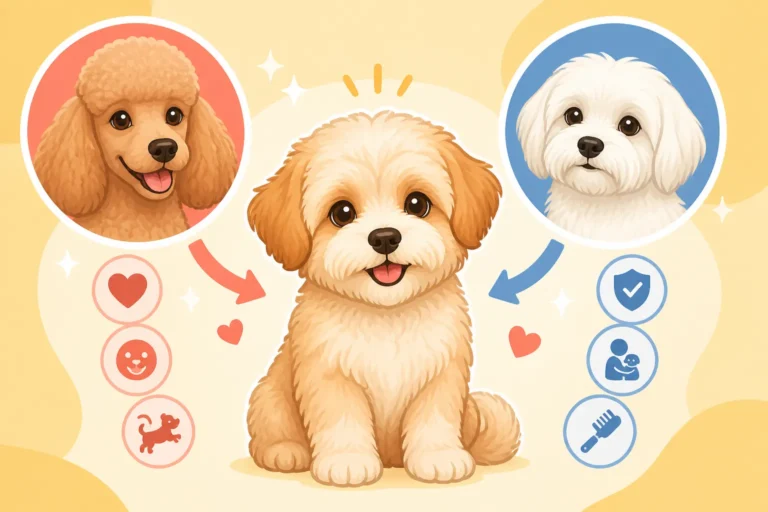
When we talk about an "F1" Maltipoo, we're referring to a first-generation crossbreed where one parent is a purebred Maltese and the other is a purebred Poodle (often a Toy or Miniature Poodle). This initial cross is fascinating because it's where the genetic mixing truly begins, but it also introduces a degree of unpredictability that can surprise owners expecting a perfectly balanced blend of both parent breeds.
What "F1" Really Means for Your Puppy
The "F1" designation is shorthand in the world of designer dogs, meaning "Filial 1," or first generation. It signifies that your Maltipoo's parents are two different purebred dogs. In this case, it’s a Maltese and a Poodle. This is different from an F1b (a Maltipoo bred back to a Poodle) or an F2 (two F1 Maltipoos bred together). For the F1 generation, each puppy in the litter receives a direct, unfiltered mix of genes from each parent, which can manifest in a wide spectrum of physical traits and, more importantly for this discussion, temperamental characteristics. You could have siblings in the same litter exhibiting wildly different personalities, making The Coin Flip Inside Every Maltipoo Puppy a very real phenomenon.
The Core Concept of Hybrid Vigor
One of the celebrated aspects of F1 crosses is "hybrid vigor," or heterosis. This often refers to the idea that crossbred animals can be healthier and more robust than their purebred parents due to increased genetic diversity. When it comes to temperament, hybrid vigor doesn't necessarily mean a "better" personality, but it can contribute to a generally well-rounded dog. However, it also means that the traits aren't diluted or stabilized yet. You’re getting a fresh genetic blend, which can be exciting but also requires an open mind and a commitment to understanding your individual dog. The traits from both parent breeds are present, but how they combine and express themselves can be quite varied.
Why the First Generation is Unique
The F1 generation is unique because it's the rawest expression of the cross. Subsequent generations (F1b, F2, etc.) are often bred to achieve more consistent traits, whether that's a specific coat type for allergy sufferers or a more predictable temperament. With an F1, you don't have generations of Maltipoo-to-Maltipoo breeding to stabilize characteristics. This means your F1 Maltipoo is a truly individual creation, potentially leaning more heavily towards the spirited Poodle side in one aspect and the gentle Maltese side in another. This makes each F1 Maltipoo puppy an adventure in personality, and it's why Telling Which Parent a Maltipoo Took After can be a lifelong observation for many owners.
The Genetic Lottery: Maltese vs. Poodle Influence
To understand an F1 Maltipoo's temperament, you really need to look at the foundational breeds: the Maltese and the Poodle. Both are wonderful dogs, but they bring distinct personalities to the mix. The blend of these traits is what creates the "genetic lottery" of an F1 Maltipoo, where you might see dominant traits from one side, a lovely equilibrium, or even unexpected combinations.
The Dominant Traits of the Maltese
The Maltese is renowned for being an affectionate, gentle, and often very docile companion. They thrive on human companionship, often preferring to be a lapdog and can be quite sensitive. They are generally intelligent, but can sometimes be perceived as stubborn or particular, especially when it comes to housetraining or doing things they don't see the point in. They can be prone to separation anxiety due to their strong bond with their owners. If your F1 Maltipoo leans heavily into the Maltese temperament, you can expect a dog that lives for cuddles, wants to be by your side constantly, and may express a strong dislike for being left alone. This loving nature is a core part of What the Maltese Puts Into a Maltipoo's Character.
The Poodle's Contribution to Temperament
Poodles, on the other hand, whether Toy or Miniature, are incredibly intelligent, active, and highly trainable dogs. They possess a keen eagerness to please, making them superstars in obedience and dog sports. They are playful, energetic, and often have a mischievous streak. While also affectionate, their need for mental and physical stimulation is generally higher than that of a Maltese. A Poodle influence means your Maltipoo might be more adventurous, quick to learn, and less content to simply lounge on the sofa all day. They often have a strong desire for engagement and problem-solving. This intellectual capacity and eagerness to learn contribute significantly to What the Poodle Puts Into a Maltipoo's Character.
When One Parent's Traits Seem to Win Out
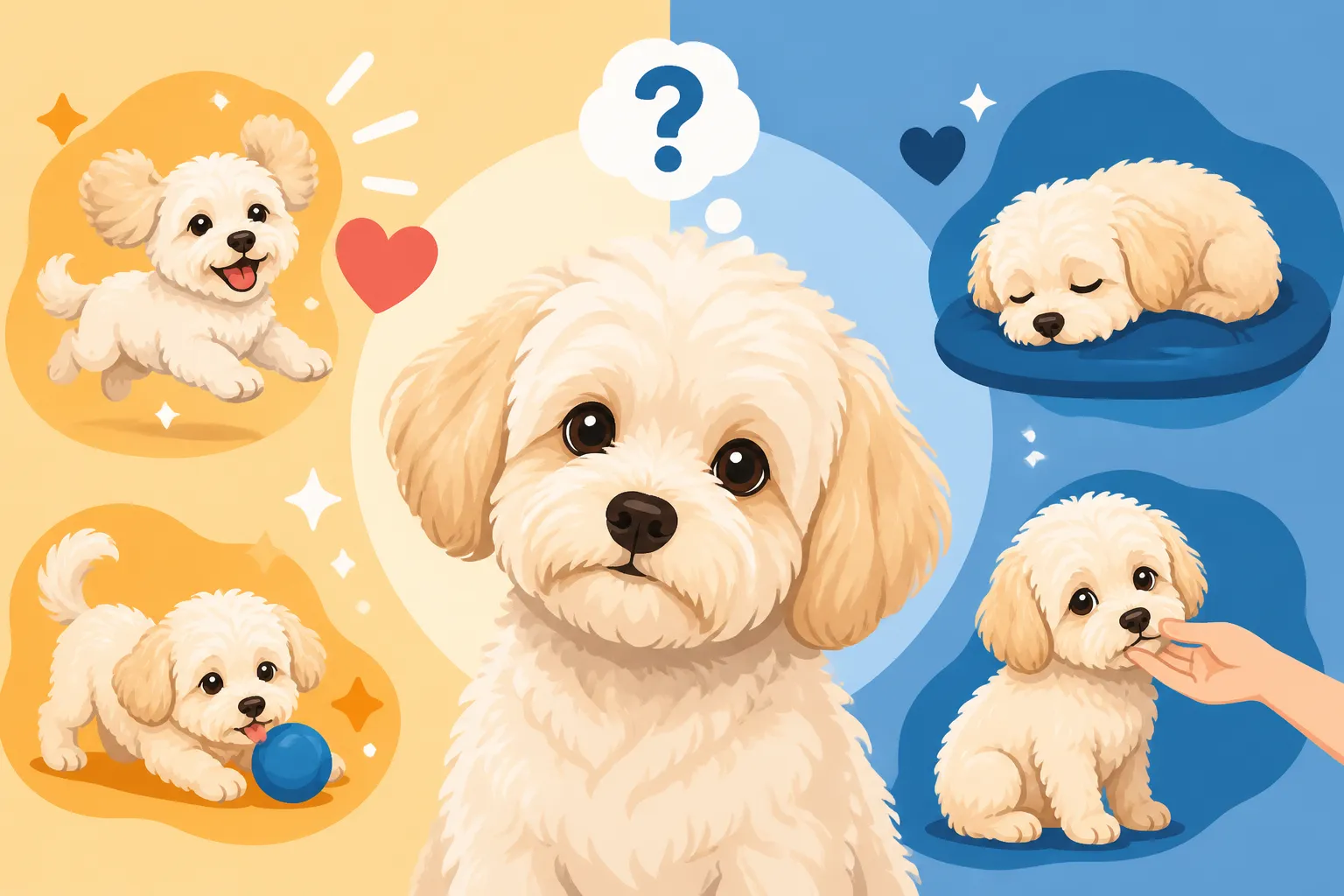
It’s not uncommon for an F1 Maltipoo to strongly favor one parent breed over the other in terms of temperament. You might get a Maltipoo with the boundless energy and sharp mind of a Poodle, coupled with the Maltese's desire for constant physical contact. Or, you could have a mellow, sweet-natured pup that only occasionally shows a burst of Poodle-like zoomies. This makes the F1 generation incredibly diverse. Breeders often cannot definitively predict which way a puppy will lean, even within the same litter, because the genetic expression is so varied. It truly is a unique blend for each individual.
Common Temperament Traits from Both Sides
Even with the unpredictability, there are some common threads that weave through the F1 Maltipoo temperament, drawn from their distinguished lineage. Understanding these helps set realistic expectations for your new companion.
The Affectionate Lapdog Tendencies
Regardless of which parent’s genes are more dominant in other areas, most F1 Maltipoos inherit a strong desire for companionship and affection. Both Maltese and Poodles are deeply people-oriented dogs, and this trait usually carries through to their offspring. You can expect a Maltipoo that loves to be close to you, whether curled up on your lap while you read, following you from room to room, or greeting you with enthusiastic tail wags. They thrive on being part of the family activities and can easily become your shadow. This makes them wonderful companions for those seeking a devoted, loving pet.
The Energetic, Intelligent Spark
From the Poodle side, your F1 Maltipoo is highly likely to inherit intelligence and a fair degree of energy. Even a laid-back Maltipoo will generally be quick to pick up new commands and enjoy mental stimulation. They are often quite clever and can figure out puzzle toys with ease. This intelligence also means they can be easily bored, which can lead to undesirable behaviors if not properly managed. Regular playtime, training sessions, and engaging toys are crucial to keep their minds happy and stimulated. Many owners are surprised by Whether a Maltipoo Is as Smart as a Poodle, often underestimating their keen intellect.
Potential for Stubbornness or Timidity
While generally delightful, F1 Maltipoos can also inherit some less desirable traits from their parent breeds. The Maltese can sometimes contribute a stubborn streak, making housetraining or certain commands a test of patience. They might decide they don't want to do something, and no amount of cajoling will convince them otherwise. On the Poodle side, while generally confident, some individuals can be prone to timidity or nervousness if not properly socialized. This can manifest as shyness around strangers or new environments. Understanding Whether a Maltipoo Inherits the Maltese Stubbornness is key to adopting effective training methods that are patient and positive. It's a spectrum, and your F1 Maltipoo could fall anywhere on it.
| Temperament Trait | Typical Maltese Influence | Typical Poodle Influence | F1 Maltipoo Potential Outcome |
|---|---|---|---|
| Affection | Very high; lapdog, constant companion | High; bonds closely, playful affection | Almost always very affectionate; desires closeness |
| Energy Level | Moderate; enjoys walks but also lounging | High; needs regular exercise, mentally engaging | Moderate to high; can range from calm to quite playful |
| Trainability | Good, but can be stubborn | Excellent; eager to please, highly intelligent | Good to excellent; intelligence present, may have stubborn streak |
| Vocalization | Moderate; barks at perceived threats/strangers | Moderate; can be alert barkers | Moderate; can be alert barkers, especially if not trained |
| Independence | Low; prone to separation anxiety | Moderate; can be independent but loves interaction | Low to moderate; prefers company, can develop separation anxiety |
| Socialization | Needs early exposure to prevent timidity | Generally outgoing, but individual variance | Essential for confidence; can be shy or boisterous |
Factors Beyond Genetics That Shape Temperament
While genetics lay the groundwork, they are by no means the sole determinant of your F1 Maltipoo's personality. Environment, early experiences, and ongoing training play an enormous role in shaping who your dog becomes. It's a dynamic interplay, and your active participation is vital.
The Crucial Role of Early Socialization
One of the most powerful influences on a puppy's developing temperament is early socialization. This means carefully and positively exposing your F1 Maltipoo puppy to a wide variety of sights, sounds, people, and other friendly, vaccinated dogs during their critical developmental window (roughly 3-16 weeks). A well-socialized puppy is more likely to grow into a confident, adaptable adult, regardless of any predispositions towards shyness or nervousness. Neglecting this crucial period can lead to fearfulness, reactivity, or aggression. Consider enrollment in a well-regarded puppy class; many organizations like BAXTER & Bella offer online options if in-person classes are difficult to access, which can be invaluable for guiding you through these important early weeks.
Impact of the Breeder's Environment
The environment your F1 Maltipoo puppy experienced before coming home to you is also incredibly impactful. Puppies raised in a clean, stimulating home environment, with consistent handling and exposure to normal household noises, are typically more resilient and well-adjusted. Conversely, puppies from noisy, unsanitary, or isolated environments (like puppy mills) are often more prone to fear, anxiety, or behavioral issues later in life. A responsible breeder will prioritize early socialization, handling, and exposure to various stimuli, setting your puppy up for success. This foundation from the breeder's home is crucial, and it's why it's so important to meet the puppy's parents and see where the puppies are raised. You want a breeder who actively works to prevent The Maltipoo That Was Never Taught to Be a Dog by providing rich, early experiences.
Training Consistency and Your Influence
Once your F1 Maltipoo comes home, you become the primary influence on their temperament. Consistent, positive reinforcement training is key. This means rewarding desired behaviors and gently redirecting unwanted ones. A confused dog is often an anxious or naughty dog. Clear communication and a predictable routine help your Maltipoo feel secure and understand what's expected of them. Whether you're working on basic obedience, housetraining, or simply teaching them to settle calmly, your patience and consistency will profoundly impact their character. Remember, every interaction is a training opportunity, and your investment in consistent guidance will pay dividends in a well-behaved, confident companion. This is especially true during The First Days With a Maltipoo Puppy.
Strategies for Nurturing a Predictable Temperament
Given that F1 Maltipoo temperaments can be a bit of a mixed bag, proactive strategies are essential. You might not be able to guarantee a specific personality, but you can certainly influence and shape it towards a happy, well-adjusted dog. It's all about consistent effort and understanding their needs.
Early and Consistent Training Methods
Start training the moment your F1 Maltipoo puppy comes home. Even simple commands like "sit" or "come" help build a positive relationship and establish you as a benevolent leader. Use positive reinforcement methods, like treats, praise, and favorite toys, to encourage desired behaviors. Consistency is paramount – ensure everyone in the household uses the same commands and expectations. Training isn't just about obedience; it's about building confidence, providing mental stimulation, and deepening your bond. If you're feeling a bit lost, many fantastic resources are available. Online programs, such as those from BAXTER & Bella, provide structured guidance and support, which can be particularly helpful for new puppy owners.
Exposure to Diverse Experiences
Beyond basic obedience, actively seek out opportunities to expose your F1 Maltipoo to a variety of safe, positive experiences. This doesn't mean overwhelming them, but rather gradual introductions to new environments, people, and appropriate social situations.
- Sounds: Play recordings of city noises, vacuum cleaners, or thunderstorms at a low volume.
- Sights: Take them for short car rides, visits to pet-friendly stores (once fully vaccinated), or walks in different neighborhoods.
- People: Introduce them to friends of all ages, ensuring interactions are calm and positive.
- Other Animals: Supervised playdates with calm, vaccinated dogs of various sizes can be incredibly beneficial.
The goal is to show them that the world is generally a safe and interesting place, helping them build resilience and confidence. This is especially important if your Maltipoo inherits any natural timidity.
Building a Secure and Loving Environment
A Maltipoo thrives in an environment where they feel loved, safe, and secure. This means providing a comfortable, designated space of their own (like a crate or a cozy bed), a consistent daily routine, and plenty of positive attention. Avoid harsh punishments, as these can create fear and anxiety, potentially exacerbating any tendencies towards shyness or reactivity. Instead, focus on redirection and rewarding good choices. A secure environment allows your F1 Maltipoo to relax and develop their natural, best self. If a Maltipoo experiences stress or instability, it can really impact their behavior, making it harder for them to cope in situations like Whether a Maltipoo Copes in a Loud House.
What to Expect (and Not Expect) from an F1 Maltipoo
Ultimately, embracing an F1 Maltipoo means embracing a little bit of the unknown. While you can guide and influence their development, a degree of unpredictability is inherent in their first-generation cross.
Embracing the Unpredictability
Instead of striving for a perfectly predictable outcome, learn to appreciate the unique blend that is your F1 Maltipoo. One day you might see the independent, playful Poodle shine through, and the next, the sweet, cuddly Maltese will dominate. This dynamic nature is part of their charm. It’s important to remember that this isn't a flaw in their temperament; it's simply a characteristic of a hybrid dog. Focus on getting to know your individual dog, understanding their quirks, and adapting your approach as needed. It's a journey of discovery, and often the most rewarding relationships are built on accepting and celebrating individuality.
Focusing on Management Over Prediction
Since precise prediction can be challenging, a more effective approach is to focus on proactive management. This involves anticipating potential challenges based on common Maltese and Poodle traits and having strategies in place.
- Energy Levels: If they have Poodle energy, ensure daily exercise and mental games. If they're more Maltese-calm, still offer stimulating activities to prevent boredom. You can find countless puzzle toys and training aids on platforms like Amazon.
- Separation Anxiety: If they show signs of intense attachment, work on gradual desensitization to being alone, starting with very short periods.
- Socialization: Continue positive exposures throughout their life, not just in puppyhood, to maintain their confidence and adaptability.
- Training: Keep training sessions fun, short, and consistent. Remember Whether a Maltipoo Owner Can Do It Without a Trainer is possible with dedication and resources.
By managing their environment and training, you can help them navigate the world confidently, regardless of which genetic predispositions emerge.
The Joy of a Unique Companion
Bringing home an F1 Maltipoo means you're getting a truly one-of-a-kind companion. You won't know every facet of their personality from day one, and that's okay. The journey of discovering their individual traits, seeing which parent they lean towards, and shaping their character through love and consistent guidance is one of the greatest joys of Maltipoo ownership. Be prepared for a loving, intelligent, and often wonderfully quirky dog who will bring immense happiness to your life. And if you're thinking about adding to your family, understanding these nuances is also key when considering things like Whether a Maltipoo Copes Around a New Baby. Every Maltipoo is an individual, and that's precisely what makes them so special.
Disclaimer
This article is for general informational purposes only and does not constitute professional advice. Laws, prices and regulations vary by location and change over time. Consult a qualified professional for guidance on your specific situation.