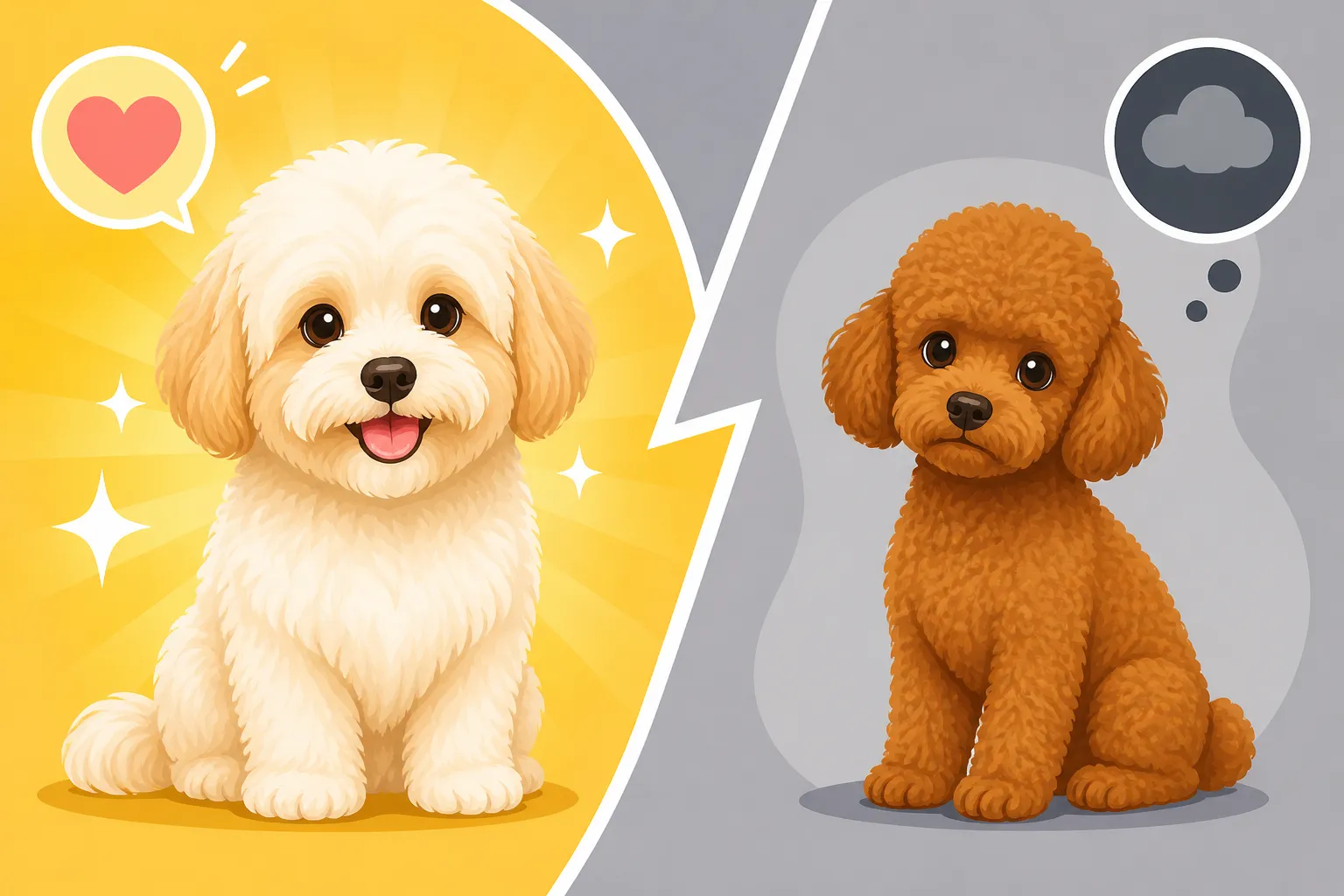
What a Maltipoo Has That a Toy Poodle Does Not
Choosing a new furry family member is such an exciting time, but it can also be overwhelming, especially when you're caught between two adorable contenders like the Maltipoo and the Toy Poodle. Both are small, charming, and bring so much joy, but they're definitely not interchangeable. You might be wondering what specific traits a Maltipoo brings to the table that you won't necessarily find in a purebred Toy Poodle, and this guide is here to break down those delightful distinctions for you.
The Unique Blend of Temperament and Personality
When you're welcoming a new dog into your home, their personality is often the first thing on your mind. You want a companion whose nature aligns with your lifestyle, whether you're looking for a snuggly couch potato or a lively adventurer. While both Maltipoos and Toy Poodles are generally known for their affectionate and intelligent dispositions, the Maltipoo often presents a unique blend that sets it apart due to its dual heritage.
The Maltese Influence on a Maltipoo's Demeanor
The Maltese side of the Maltipoo's lineage brings a certain je ne sais quoi to its personality. Maltese dogs are renowned for being incredibly sweet, gentle, and utterly devoted to their families. They thrive on human companionship and are often described as true "lap dogs." This translates into a Maltipoo that frequently exhibits a profound desire to be close to its people. They often lean into cuddles, enjoy being carried, and might even follow you from room to room, just wanting to be in your presence.
This strong bond can manifest as a very sensitive and intuitive nature. A Maltipoo might pick up on your moods, offering a comforting nuzzle when you're feeling down. They tend to be very gentle with children, provided the children are taught how to interact with a small, delicate dog. This gentleness can sometimes mean they're a little more prone to being startled by sudden loud noises or boisterous activity compared to some other breeds. It’s not uncommon to find a Maltipoo who, like its Maltese parent, truly believes its purpose in life is to be loved and adored, and they give that love back tenfold. For more on their foundational traits, check out The Maltese and the Poodle Behind Every Maltipoo.
How the Poodle Half Balances the Maltipoo
Now, let's talk about the Poodle half – specifically the Toy Poodle. Poodles are incredibly intelligent, active, and can be quite spirited. They are eager to please and love having a job to do, even if that job is just learning new tricks or going for an energetic walk. When this Poodle intelligence and zest for life mixes with the Maltese's gentle nature, you often get a Maltipoo that is playful and smart but less intensely driven than a purebred Toy Poodle.
The Poodle genetics contribute to a Maltipoo's trainability and eagerness to learn. They're quick studies when it comes to house-training and basic commands, but often without the high-strung intensity that some purebred Poodles can exhibit if not properly stimulated. This blend often results in a dog that's highly adaptable – happy to play fetch in the living room, but equally content to curl up beside you for a movie marathon. It's a wonderful balance for many families seeking a dog that's both engaging and relaxed. Think of it as getting the best of both worlds: the sharp mind of the Poodle with the calm affection of the Maltese.
Comparing Maltipoo and Toy Poodle Energy Levels
This is where you'll often see one of the most practical differences between the two. Toy Poodles, while small, are still Poodles. This means they often retain a good deal of that Poodle energy, athleticism, and need for mental stimulation. They can be surprisingly active for their size, enjoying long walks, games of fetch, and even dog sports like agility or obedience. If a Toy Poodle doesn't get enough exercise or mental engagement, they can sometimes become bored, leading to behaviors like excessive barking or mischievous chewing.
Maltipoos, on the other hand, often have a more moderate energy level. While they certainly enjoy playtime and walks, they don't typically demand as much vigorous exercise as a purebred Toy Poodle. The Maltese influence tends to temper the Poodle's boundless energy, resulting in a dog that's often content with shorter walks and indoor play sessions. This can be a huge advantage for individuals or families with less active lifestyles, or those living in smaller apartments without immediate access to large outdoor spaces. A Maltipoo might still love to zoom around the house, but then be perfectly happy to settle down for a long nap, whereas a Toy Poodle might be ready for round two or three!
Distinctive Physical Traits and Appearance
Beyond personality, the visual appeal and physical characteristics play a significant role in choosing a companion. While both are small, adorable dogs, there are subtle yet important differences in their coats, build, and overall appearance that are worth noting.
Coat Differences: The Wavy vs. the Curly
One of the most immediate and noticeable differences between a Maltipoo and a Toy Poodle is their coat. A purebred Toy Poodle will always have that signature dense, curly coat. This coat is often described as hypoallergenic because it sheds very little, trapping loose hairs within its curls. It requires dedicated grooming to prevent matting and keep it healthy. The curls are tight and uniform, giving them a distinct plush toy-like appearance.
A Maltipoo's coat, however, can be a bit of a genetic lottery, though generally it falls somewhere between the two parent breeds. You might find a Maltipoo with a soft, wavy coat that is reminiscent of the Maltese's silky hair, but with a slight curl or wave from the Poodle. Other Maltipoos might have a curlier coat, closer to that of a Poodle, but often with a softer texture. Rarely do you see the exact tight curl of a purebred Poodle, nor the straight, single-layer silkiness of a purebred Maltese. This hybrid coat also sheds minimally, making them a good choice for those with allergies, but still demands regular brushing and professional grooming to prevent tangles and mats. For more on what to expect, read The Coat a Maltipoo Gets From Two Non Shedding Parents.
Size and Build Variations Between the Two
Both Maltipoos and Toy Poodles are small dogs, but there can be slight variations in their build and maximum size. Toy Poodles are bred to a specific size standard, typically standing no more than 10 inches at the shoulder and often weighing between 4 to 6 pounds, though some can be a bit larger. They tend to have a more slender, elegant build with a refined appearance.
Maltipoos, being a crossbreed, can have a bit more variability. Their size will depend on the size of their Poodle parent (which is usually a Toy Poodle) and their Maltese parent. Generally, Maltipoos fall into a similar weight range as Toy Poodles, usually between 5 to 15 pounds, with many being in the 5 to 10 pound range. However, their build can sometimes be a little sturdier than the delicate Poodle, thanks to the Maltese influence. They might have a slightly broader chest or a more compact body shape, making them appear a bit more "solid" than their Poodle cousins. This slight difference in build can sometimes affect their perceived fragility, though both are small dogs that require careful handling.
Facial Structure and Overall "Look"
The facial structure and overall aesthetic are also points of differentiation. Toy Poodles have a distinct long, elegant muzzle, dark, intelligent eyes, and floppy ears that lie close to the head. Their expression is often alert and aristocratic.
Maltipoos tend to have a softer, often more "baby-doll" or "teddy bear" face, a trait many find incredibly endearing. This comes directly from the Maltese side, which typically has a shorter muzzle and rounder, expressive eyes. The Maltipoo's face might be a little squatter or more rounded than a Poodle's, and their ears, while still floppy, can sometimes be a little fuller with more feathering. This difference in facial features often gives Maltipoos a perpetually youthful and innocent look that many owners adore. The overall visual impression of a Maltipoo is often described as cuddly and charming, whereas a Toy Poodle might be seen as more sophisticated and alert.
Health Considerations Unique to Each
Understanding the potential health landscape is critical for any prospective dog owner. Both Maltipoos and Toy Poodles are generally healthy breeds, but each has certain predispositions, and the hybrid nature of the Maltipoo introduces an interesting dynamic often referred to as "hybrid vigor."
Inherited Conditions from the Maltese Side
The Maltese parent contributes a few specific health concerns that can be passed on to a Maltipoo. One notable condition is Patellar Luxation, or Slipping Kneecaps in a Maltipoo. This is a common orthopedic issue in many small breeds where the kneecap temporarily slips out of place. While it can affect any small dog, it's something to be particularly aware of. Another condition often associated with the Maltese is portosystemic shunt, or a The Liver Shunt a Maltipoo Can Inherit From the Maltese. This is a congenital abnormality where blood bypasses the liver, preventing toxins from being filtered properly.
Dental issues are also prevalent in Maltese dogs due to their small jaws, which can lead to overcrowding and early periodontal disease. This means a Maltipoo might be more prone to The Forty Two Teeth Crowding a Maltipoo's Jaw and require vigilant dental care from a young age. Regular brushing is a must! Additionally, some Maltipoos may inherit a predisposition to certain eye conditions that are common in Maltese, such as tear duct problems, which can contribute to tear staining.
Poodle-Specific Health Concerns in Toy Poodles
Toy Poodles, like all purebreds, have their own set of hereditary health issues. One concern is Progressive Retinal Atrophy (PRA), a degenerative eye disease that can lead to blindness. This is why responsible Poodle breeders conduct thorough eye exams. Another condition is Addison's Disease, an adrenal gland disorder, and sometimes Epilepsy, which can cause seizures.
Toy Poodles can also be prone to Legg-Calve-Perthes disease, which affects the hip joint, similar to how patellar luxation affects the knee. White Shaker Syndrome in a Maltipoo is another condition seen in Poodles (and often in white or light-colored Maltipoos) that causes generalized tremors. While many of these conditions have genetic tests available, it’s important to research the breeder’s health clearances regardless of whether you choose a Maltipoo or a purebred Poodle.
Hybrid Vigor and Its Impact on Maltipoo Health
This is one of the more significant differences. The concept of "hybrid vigor," or heterosis, suggests that crossbred dogs often benefit from a broader gene pool, potentially reducing the incidence of certain genetic health problems common in either parent breed. When you breed two different purebreds, the offspring are less likely to inherit the same recessive genes for specific diseases from both parents.
For a Maltipoo, this means they might have a lower chance of developing some of the conditions that are highly prevalent in either the Maltese or the Poodle. For instance, while both breeds can be prone to patellar luxation, a Maltipoo might theoretically have a slightly reduced risk compared to a purebred Maltese if careful breeding practices are followed. However, it's crucial to understand that hybrid vigor doesn't make a Maltipoo immune to health problems. They can still inherit any condition found in either parent breed. It simply means the statistical probability of inheriting two copies of a problematic recessive gene from two distinct lineages might be lower. This aspect is often a draw for owners looking for potentially hardier genetics than some highly inbred purebred lines.
Training and Grooming Needs: A Practical Look
Every dog, regardless of breed, needs consistent training and regular grooming. However, the intensity and specific requirements can differ substantially between breeds. Understanding these commitments upfront can help you prepare for the daily realities of life with your chosen companion.
Housetraining Realities for Each Breed
Let's be real, housetraining a small dog can be a challenge, and neither the Maltipoo nor the Toy Poodle is an exception. They both have small bladders, which means frequent trips outside, especially during puppyhood. However, there can be subtle differences in their approach.
Toy Poodles, being highly intelligent and eager to please, often grasp the concept of housetraining quite quickly. Their intelligence can be a double-edged sword, though; if they learn that accidents indoors get them attention (even negative attention), they might lean into it. Consistency and positive reinforcement are key. Many Toy Poodle owners report that once the routine clicks, they are very reliable.
Maltipoos, while also intelligent, can sometimes inherit a touch of the Maltese's stubbornness when it comes to housetraining. While they want to please, they might take a little longer to generalize the rules or might be more sensitive to cold or wet weather, making them reluctant to go outside. This means you might need extra patience and a very consistent schedule. Some Maltipoo owners find success with a combination of outdoor potty breaks and indoor potty pads during inclement weather or when they can't be supervised. Expect that it might take How Long House Training a Maltipoo Actually Takes. Regardless, both breeds benefit immensely from a strong routine and immediate rewards for success.
Grooming Commitments and Coat Care
Both of these breeds are known for their non-shedding coats, which is fantastic for allergy sufferers, but it comes with a trade-off: intensive grooming. You absolutely cannot skimp on grooming with either a Maltipoo or a Toy Poodle.
A Toy Poodle's dense, curly coat will mat quickly if not brushed daily down to the skin. Professional grooming every 4-6 weeks is non-negotiable to keep their coat healthy and prevent painful matting. Many owners opt for a shorter "puppy cut" to manage the curls, but even then, daily brushing is crucial. Regular ear cleaning, nail trims, and dental care are also part of the package.
Maltipoos also require significant grooming, but the type of care can vary depending on the specific texture of their coat. A wavier, softer Maltipoo coat might be slightly less prone to tight mats than a Poodle's dense curl, but it can still tangle and knot easily, especially behind the ears, under the legs, and where a harness rubs. Daily brushing is still highly recommended to prevent tangles from becoming serious mats. Like Poodles, Maltipoos will need professional grooming every 4-8 weeks, including baths, trims, and often eye area maintenance to prevent tear staining. Maintaining their hygiene can be a considerable ongoing expense, and you'll find everything from shampoos to specialized brushes on sites like Chewy that can help.
Trainability and Intelligence: Who's Easier?
Both breeds are highly intelligent, but they often apply their intelligence in slightly different ways, which impacts trainability.
Toy Poodles are renowned for their sharp intellect and eagerness to please. They are often considered one of the smartest dog breeds, making them highly trainable for complex commands, tricks, and even competitive dog sports. They thrive on mental challenges and love having a job to do. If you're looking for a dog to train for agility, advanced obedience, or even therapy work, a Toy Poodle will likely excel. They respond very well to positive reinforcement and consistency, often picking up new commands in just a few repetitions. Many will argue that a purebred Toy Poodle has a slight edge in terms of pure work ethic and eagerness to perform.
Maltipoos inherit a good deal of that Poodle intelligence, making them very trainable for basic obedience and house manners. They are smart, curious, and generally want to make their owners happy. However, the Maltese influence can sometimes introduce a streak of independent thinking or a preference for cuddles over commands, especially if the training isn't fun or highly rewarding. While they are very capable of learning tricks and commands, they might not have the same intense drive for perfection or the sustained focus of a purebred Poodle. They might be a bit more sensitive to harsh corrections, preferring a gentle, encouraging approach. So, while both are intelligent, the Toy Poodle might be seen as slightly more "work-oriented" and the Maltipoo a bit more "pleasure-oriented" in their application of smarts. You can delve into Whether a Maltipoo Trains Like a Poodle or a Maltese for more perspective.
Suitability for Different Lifestyles
Ultimately, the "better" dog depends entirely on your specific home environment, daily routine, and expectations. Both Maltipoos and Toy Poodles make wonderful companions, but their distinct characteristics mean one might be a more natural fit than the other.
Ideal Households for a Maltipoo
A Maltipoo often thrives in a home that appreciates a loving, slightly less intense companion. They are generally wonderful for individuals or families who desire a dog that is affectionate, gentle, and moderately active. If you enjoy cozy evenings on the sofa and shorter, leisurely walks, a Maltipoo might be perfect. They often adapt well to apartment living due to their smaller size and lower exercise requirements.
Maltipoos can be very good with older, respectful children, and they tend to get along well with other calm pets. Their sensitive nature means they do best in homes where there isn't constant loud noise or a chaotic atmosphere. They also tend to crave companionship, so they're often happiest in a household where someone is home for a good portion of the day. If you're looking for a devoted, cuddly friend who brings warmth and gentle playfulness without demanding extreme athleticism or constant mental games, the Maltipoo is an excellent choice.
What Makes a Toy Poodle a Good Fit
A Toy Poodle is an ideal companion for those who appreciate intelligence, elegance, and a surprisingly active little dog. They are perfect for owners who want to engage their dog in training, long walks, or even dog sports. If you enjoy teaching tricks, going for brisk strolls, or have a more active lifestyle you want your dog to share, a Toy Poodle will be a fantastic match. They are often quite playful and enjoy having a "job" to do, even if it's just learning a new puzzle toy.
Toy Poodles are also highly adaptable and can do well in various living situations, from apartments to houses, as long as their exercise and mental stimulation needs are met. They tend to be a bit more independent than a Maltipoo, though still very loyal. They excel in homes where their clever minds are challenged and their boundless energy is channeled positively. If you're prepared for consistent mental and physical engagement, and you appreciate a dog with a dignified presence and keen intelligence, a Toy Poodle will shine in your home.
Navigating the Puppy Years: Expectations vs. Reality
Regardless of which breed you choose, the puppy years will be a period of intense learning and adjustment for both you and your new companion. Both Maltipoo and Toy Poodle puppies will be bundles of energy, curiosity, and mischief.
You'll encounter the usual puppy challenges: housetraining accidents, nipping, chewing, and boundless energy that needs to be directed. With either breed, early socialization is critical to ensure they grow into well-adjusted adults. Enroll in puppy classes, expose them to new sights, sounds, and friendly people and dogs.
For a Maltipoo, you might find yourself managing more intense separation anxiety if they become overly attached, a trait that can sometimes come from the Maltese side's deep devotion. With a Toy Poodle, you might find yourself needing to keep their clever minds constantly occupied to prevent boredom-induced behaviors. Both will test your patience and melt your heart in equal measure. Preparing for these early stages with plenty of appropriate toys (Chewy has a great selection), a secure crate, and endless patience will set both you and your puppy up for success.
Here's a quick comparison table to help summarize the key differences:
| Feature | Maltipoo | Toy Poodle |
|---|---|---|
| Parentage | Maltese + Toy Poodle | Purebred Poodle (Toy variety) |
| Temperament | Gentle, affectionate, devoted, sensitive, playful, smart | Intelligent, active, eager to please, spirited, dignified |
| Energy Level | Moderate; enjoys play but also cuddles | High; requires significant mental & physical stimulation |
| Coat Type | Variable (wavy to curly, softer texture) | Dense, tight curls |
| Shedding | Minimal (hypoallergenic) | Minimal (hypoallergenic) |
| Grooming Needs | High; daily brushing, professional trims 4-8 weeks | Very High; daily brushing, professional trims 4-6 weeks |
| Facial Features | Often "teddy bear" or "baby-doll" face, shorter muzzle, rounder eyes | Elegant, longer muzzle, dark intelligent eyes |
| Trainability | Highly intelligent, good for obedience, can be stubborn | Extremely intelligent, excels in advanced training & sports |
| Health Risks | Patellar Luxation, Liver Shunt, dental issues, hybrid vigor benefits | PRA, Addison's, Epilepsy, Legg-Calve-Perthes, White Shaker Syndrome |
| Ideal Home | Less active, seeking devoted companion, good for apartments, gentle environment | Active, seeking intellectual engagement, enjoys training & sports, stimulating environment |
Disclaimer
This article is for general informational purposes only and does not constitute professional advice. Laws, prices and regulations vary by location and change over time. Consult a qualified professional for guidance on your specific situation.