Whether Runts Are Sold as Teacup Maltipoos
It's a disheartening reality for many prospective Maltipoo owners: you fall in love with the idea of a tiny "teacup" companion, only to worry if you're inadvertently supporting the sale of a sick or vulnerable puppy. The concern that breeders might be labeling a "runt" – a puppy naturally smaller and potentially weaker than its littermates – as a highly sought-after "teacup" isn't unfounded. This guide aims to pull back the curtain on this confusing and often heartbreaking situation, helping you understand the difference and what to look for to ensure you bring home a healthy, happy Maltipoo, regardless of its size.
Understanding the "Teacup" vs. "Runt" Debate
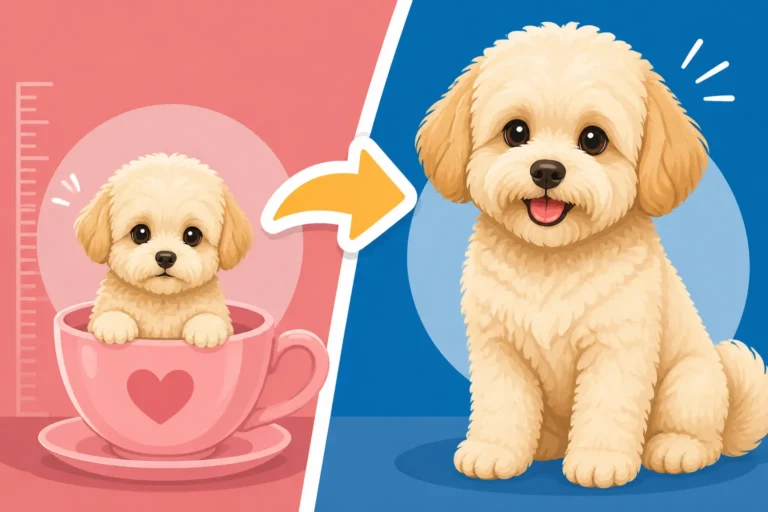
Let's cut right to the chase: the term "teacup Maltipoo" is a marketing label, not a recognized breed standard or a medical classification. While it conjures images of an impossibly small, delicate dog, it often applies to Maltipoos on the smaller end of the spectrum, typically weighing under five pounds as adults. The problem arises when this desire for extreme smallness leads to unethical breeding practices, including, yes, sometimes selling a runt as a "teacup."
What "Teacup" Really Means for a Maltipoo
When a breeder advertises a "teacup Maltipoo," they are generally referring to a Maltipoo that is expected to mature at a very small weight, usually between two and five pounds. There's no official registry or canine club that recognizes "teacup" as a distinct size category for Maltipoos or any other breed. It's purely a descriptive term used by breeders and sellers to indicate a smaller than average adult weight. For a deeper dive into this, you might find What Teacup Actually Means on a Maltipoo helpful.
The allure of a tiny dog is powerful, and many people genuinely want a small companion that can travel easily and live comfortably in smaller spaces. Reputable breeders might have genuinely smaller lines of Maltipoos, which are healthy and robust despite their diminutive stature. These dogs are born naturally small, thrive, and show no signs of weakness or illness. However, the term's popularity has opened the door for less scrupulous individuals to capitalize on the demand.
The Medical Definition of a "Runt"
In contrast, a "runt" is a term veterinarians and experienced breeders use to describe the smallest, and often weakest, animal in a litter. Runts are typically undersized at birth, may struggle to compete for milk, and often have lower birth weights and slower growth rates compared to their siblings. This isn't just about being small; it's about being disadvantaged from the start.
A true runt might have underlying health issues, a weaker immune system, or simply be less developed than its littermates. They require extra care, often needing supplemental feeding and closer monitoring to ensure their survival and healthy development. It's a sad truth that not all runts make it, even with the best care, and those that do often carry a higher risk of health problems throughout their lives. Confusing a naturally small, healthy puppy with a true runt is a critical mistake that can lead to heartbreak and significant veterinary bills.
Why Runts Might Be Labeled "Teacup"
The unfortunate reality is that "teacup" puppies command higher prices due to their perceived rarity and desirability. A breeder facing a runt in their litter might see an opportunity to market it as a "teacup" to recoup costs or even profit, rather than disclosing the puppy's true vulnerable nature. This isn't always malicious; sometimes, it's a lack of understanding or an attempt to find a home for a puppy that might otherwise be overlooked.
However, for the buyer, this practice can be devastating. You might bring home a puppy that looks adorable but is perpetually battling health issues, from chronic low blood sugar to a fragile immune system. This is a critical ethical issue in the breeding world, and it underscores the immense importance of thorough research and asking the right questions before committing to a puppy. You want a small dog, yes, but you want a healthy small dog above all else.
The Real Health Risks for Tiny Maltipoos
Whether a tiny Maltipoo is a naturally small dog or a true runt masquerading as a "teacup," their diminutive size inherently brings certain health considerations to the forefront. These aren't necessarily indicators of a "bad" puppy, but rather realities of caring for a dog on the smaller end of the canine spectrum.
Hypoglycemia: The Silent Threat
One of the most significant and immediate dangers for very small Maltipoo puppies, especially runts or those under four pounds, is hypoglycemia, or dangerously low blood sugar. Their tiny bodies have limited reserves of fat to convert into glucose, and their metabolic rates are incredibly fast. A missed meal, stress, or even prolonged playtime can rapidly deplete their blood sugar, leading to a "sugar crash."
This isn't just a mild inconvenience; a hypoglycemic episode can quickly become life-threatening, causing lethargy, trembling, weakness, staggering, and even seizures or coma. Owners often have to be vigilant, feeding these tiny puppies multiple times a day and always having a fast-acting sugar source, like Nutri-Cal or Karo syrup, on hand. The article Hypoglycemia and the Teacup Maltipoo Puppy details this risk thoroughly. Understanding The Weight at Which a Maltipoo Puppy Is at Risk is paramount for any new tiny Maltipoo owner.
Fragile Bones and Delicate Structures
Another concern with exceptionally small Maltipoos is their physical fragility. Their bones are more delicate, making them prone to fractures from even minor falls or rough play. Jumping off a sofa, being accidentally stepped on, or even being held incorrectly by a child can result in serious injury. It's not uncommon for tiny dogs to suffer from orthopedic issues like Slipping Kneecaps in a Maltipoo, which can require costly surgery.
Beyond bones, other delicate structures can be compromised. Their tiny tracheas can be prone to collapse, especially if a collar is used instead of a harness. Their heads, particularly in very small puppies, can sometimes have an open fontanel, a soft spot on the skull that doesn't fully close, leaving the brain vulnerable. This fragility means their environment must be carefully puppy-proofed, and interactions with children or larger pets need constant supervision.
Anesthesia Risks and Temperature Regulation
Small body size also presents increased risks during veterinary procedures, particularly those requiring anesthesia. Very small dogs have a harder time metabolizing anesthetic drugs and regulating their body temperature, which is why Whether a Maltipoo Under Four Pounds Survives Anesthesia is a common concern among owners and vets alike. Specialized protocols, experienced veterinary staff, and careful monitoring are essential to minimize these risks.
Furthermore, tiny Maltipoos struggle with temperature regulation. They can get cold very easily, even indoors, because their small body mass loses heat quickly. Conversely, they can also overheat rapidly in warm weather or enclosed spaces. Owners often need to ensure their living environment is consistently warm and comfortable, providing sweaters in cooler months and avoiding prolonged exposure to heat. This constant vigilance is a significant commitment.
What to Look For: Identifying a Healthy Small Maltipoo
Bringing home a Maltipoo should be a joyous experience, not one fraught with anxiety over its health. By being an informed and discerning buyer, you can significantly reduce the risk of ending up with a compromised puppy. It's about looking beyond the cute factor and doing your due diligence.
Scrutinizing the Breeder and Parentage
The most crucial step is to choose a reputable breeder. A responsible breeder will be transparent about their practices, the health of their breeding dogs, and the potential size of the puppies. They won't use vague terms like "teacup" as a substitute for actual size predictions based on parentage. They'll readily share information about the parents, including their weights and health testing results.
Look for a breeder who:
- Allows you to visit their facility and meet the puppy's parents (at least the mother). Observe the parents' temperament and physical condition.
- Provides verifiable health clearances for the parent dogs, particularly for common Maltipoo ailments like patellar luxation (slipping kneecaps) and liver shunts. Ask to see proof of tests like bile acid tests. Whether a Maltipoo Breeder Should Show Bile Acid Results and Whether a Maltipoo Breeder Should Show Patella Grades are crucial questions.
- Offers a written health guarantee, clearly outlining what it covers and for how long. Be wary of guarantees that are vague or expire too quickly.
- Doesn't breed dogs purely for extreme smallness, which can compromise health. They should prioritize temperament and health above all else. You can also ask for The Four Certificates a Maltipoo Breeder Should Show.
Observing the Puppy Directly
When you meet the puppy, pay close attention to its overall demeanor and physical condition, especially if it's exceptionally small. A healthy puppy, even a small one, should be active, curious, and playful. Watch for:
- Energy Levels: Is the puppy lethargic, weak, or uninterested in play? This can be a red flag.
- Appetite: Does it eagerly eat when offered food? A good appetite is vital for tiny puppies to maintain blood sugar.
- Gait: Does it walk normally, without limping or skipping steps? Any signs of lameness could indicate a patella issue. The Skip in a Maltipoo's Walk That Means a Patella is a key sign to look for.
- Coat and Eyes: Is its coat clean and shiny? Are its eyes bright and clear, without excessive tearing or discharge?
- Interaction: Does it engage with its littermates and humans? A puppy that constantly hides or seems unwell is a concern.
Ask the breeder specific questions about its feeding schedule and how much it eats. A runt might be noticeably smaller and weaker than its siblings, whereas a naturally small but healthy puppy will be robust for its size.
The Importance of a Vet Check
Before finalizing the purchase, insist on taking the puppy to your own veterinarian for a thorough check-up. A reputable breeder will encourage this and often include a clause in their contract allowing for a return if the vet finds a significant health issue. Your vet can perform a full physical exam, checking for heart murmurs, patellar luxation, hernias, and any signs of congenital defects.
They can also discuss the specific care requirements for a tiny Maltipoo, advising you on feeding, temperature management, and potential risks. This independent assessment is your best defense against inadvertently taking home a puppy with hidden health problems. This initial vet visit is vital and can save you from significant stress and expense down the line.
Living with a Very Small Maltipoo: Special Care Considerations
Whether your Maltipoo is naturally tiny or you've adopted a healthy, small one, owning a very petite dog comes with unique responsibilities. Their small stature means they have different needs compared to their larger counterparts.
Tailoring Their Nutrition and Feeding Schedule
Tiny Maltipoos require a consistent feeding schedule to prevent hypoglycemia. This often means feeding smaller, more frequent meals throughout the day, especially for puppies. You might start with four meals a day and gradually reduce to three as they grow, always monitoring their energy levels. For more details on this, consider How Many Ounces a Four Pound Maltipoo Eats or How Much a Maltipoo Puppy Eats at Twelve Weeks.
It's not just how often but also what and how much. Their caloric needs are surprisingly high for their size, but overfeeding can lead to obesity, which puts stress on their tiny joints. Weighing out their food by the ounce, rather than just using a scoop, is crucial for accuracy. Opt for high-quality, small-breed puppy or adult kibble. You can find excellent options and even specialized supplements like Nutri-Cal on trusted pet supply sites like Chewy, which can be a lifesaver for small puppies needing a quick energy boost.
Environmental Safety and Temperature Management
Creating a safe home environment is non-negotiable for a very small Maltipoo. This means no unsupervised jumps off furniture, potentially using dog ramps or steps. Block off access to stairs if falls are a risk. Be mindful of where you walk, as a tiny dog can easily be missed. Many owners use playpens or gates to create safe zones. Whether a Maltipoo Should Use Steps to the Sofa is a common consideration.
As discussed, temperature regulation is a big deal. Keep your home comfortably warm, and consider sweaters or coats for your Maltipoo, even indoors, if you notice them shivering. When going outside in cooler weather, a cozy garment is essential. For winter walks, be vigilant about ice and salt, and ensure their paws are protected or cleaned thoroughly afterward. For summer, be careful about hot pavement and never leave them in a warm car.
Regular Grooming and Handling Training
Despite their size, Maltipoos have coats that require consistent grooming to prevent matting. For a tiny Maltipoo, this can feel like an even more delicate task. Regular brushing, at least every other day, and professional grooming every 4-8 weeks are necessary. The Two Week Face Trim a Maltipoo Needs is also crucial to keep their eyes clear and prevent tear staining.
Early handling training is vital. Your Maltipoo needs to be comfortable with being picked up, held, and having its paws, ears, and mouth examined. This makes vet visits and grooming sessions far less stressful. You can practice short, positive sessions at home, rewarding gentle cooperation. Don't forget their dental health! Brushing those tiny teeth daily is crucial to prevent dental disease, which is rampant in small breeds. Many owners find their supplies, from small toothbrushes to dental wipes, conveniently through retailers like Chewy.
Finding the Right Veterinary Care
Having a veterinarian experienced with small breeds is incredibly beneficial. They'll understand the nuances of anesthesia for tiny dogs, recognize potential breed-specific health issues like patellar luxation or liver shunts, and guide you on appropriate preventive care. Don't hesitate to ask your vet for recommendations for specialized harnesses or other safety equipment; stores like Chewy often carry a wide range of sizes and options to suit even the smallest Maltipoo.
Caring for a very small Maltipoo is a commitment, requiring attention to detail, proactive health management, and a deep understanding of their unique needs. But for many, the immense love and companionship these tiny dogs offer make every effort worthwhile.
Disclaimer
This article is for general informational purposes only and does not constitute professional advice. Laws, prices and regulations vary by location and change over time. Consult a qualified professional for guidance on your specific situation.