How Long House Training a Maltipoo Actually Takes
One of the biggest frustrations for new Maltipoo parents is the seeming eternity of house training. You bring home this adorable, fluffy bundle, picturing a perfectly clean home, only to find yourself constantly cleaning up puddles and piles. This guide is here to walk you through the realistic timeline and proven strategies for successfully house training your Maltipoo, helping you navigate this often-challenging but ultimately rewarding journey with patience and understanding.
Why Maltipoo House Training Feels Like an Uphill Battle
Let's be honest, house training a Maltipoo can feel like a test of wills, often leaving you wondering if you're doing something wrong. It’s important to understand that it’s not just you; several factors unique to our small, intelligent, and sometimes opinionated Maltipoos contribute to why it can take a bit longer and require more dedication than with larger breeds. It’s easy to get disheartened when progress feels slow, but knowing the "why" behind the challenges can help you approach the process with more empathy and strategic planning.
The Small Bladder Challenge
This is probably the most significant factor in why house training a Maltipoo demands such vigilance. Their tiny bladders simply cannot hold urine for very long, especially when they are puppies. Imagine trying to hold it for hours when you’re only a few pounds! A Maltipoo puppy's bladder capacity is directly proportional to their size, meaning they need frequent, almost constant, opportunities to relieve themselves. This isn't stubbornness; it's pure physiology.
What this means for you is that you’re essentially tied to a very strict potty schedule, taking your tiny companion out every 30 minutes to an hour when they're very young and awake, and immediately after waking, playing, or eating. Missing even one scheduled potty break can result in an accident, not because they're being naughty, but because they simply couldn't hold it. This constant vigilance can be exhausting, but it's crucial for building those essential habits.
Inherited Temperament Quirks
Maltipoos inherit traits from both the Maltese and the Poodle, and these can manifest in ways that impact house training. The Maltese side can sometimes bring a touch of stubbornness and a strong preference for comfort and cleanliness. A Maltese often dislikes going out in bad weather, and this trait can certainly surface in your Maltipoo, making rainy days or cold mornings a battleground. If they learn they can relieve themselves indoors on a nice, dry pad, they might develop a strong preference for it.
Then there's the Poodle influence, which brings intelligence and a desire to please, but also sensitivity. A Maltipoo can be very sensitive to harsh corrections or scolding, which can make them fearful of eliminating in front of you, even outside. This fear can lead to "secret" accidents behind furniture or in hidden corners, further complicating the training process. Understanding this delicate balance of traits is key to finding the right motivational approach, leaning into positive reinforcement and gentle guidance rather than frustration. You might even find yourself asking Whether a Maltipoo Inherits the Maltese Stubbornness.
The "Teacup" Misconception
The marketing term "teacup Maltipoo" often leads new owners to believe they are getting an extra delicate, perhaps less demanding, version of an already small dog. In reality, while adorable, smaller Maltipoos, particularly those weighing under four or five pounds, are often at higher risk for health issues like hypoglycemia and have even tinier bladders. This small size exacerbates the challenges of house training, as their metabolic rates are faster, and their capacity is even smaller.
Furthermore, some breeders who focus solely on producing "teacup" sizes may not prioritize early socialization and basic training with their puppies, meaning you might receive a puppy with little to no foundation in house training. This isn't to say all small Maltipoos are problematic, but it's a factor to be aware of. When you consider The Weight at Which a Maltipoo Puppy Is at Risk for issues like hypoglycemia, you can see how their overall delicate nature requires a more careful and consistent approach to all aspects of care, including potty training.
Setting Realistic Expectations for Your Maltipoo
It's natural to want your Maltipoo to be perfectly house trained within a week or two, but setting such unrealistic expectations can lead to immense frustration for both you and your puppy. House training is a developmental process, much like a child learning to use the toilet. It takes time, consistency, and patience. Understanding what "potty trained" truly means and what a typical timeline looks like can help you manage your expectations and celebrate the small victories along the way.
What "Potty Trained" Truly Means
For a Maltipoo, being truly "potty trained" means they can reliably hold their bladder and bowels for an appropriate amount of time for their age, signal when they need to go out, and consistently eliminate only in designated outdoor (or indoor potty spot) areas. It's not just about them not having accidents inside; it's about actively choosing to go outside.
This includes being able to hold it for a few hours while you're at work (with proper arrangements, of course, like a dog walker or a safe indoor potty area), not having accidents when guests visit, and being able to sleep through the night without needing to go out. It also implies that they understand the concept even in new environments, like a friend's house or a hotel, though some initial supervision is always wise in unfamiliar settings. It's a comprehensive understanding, not just a learned behavior in a single context.
The Typical Timeline You Can Expect
There's no magic number for how long house training a Maltipoo actually takes, as every dog is an individual. However, we can talk about a general range. Most Maltipoo puppies will show significant progress and start becoming fairly reliable between 4 to 6 months of age, with full reliability often not achieved until 6 to 9 months, or even a bit older. Some small breeds can take up to a year to be completely accident-free.
The first few weeks with a new puppy, especially a young one, will involve very frequent potty breaks – sometimes every 30-60 minutes when awake. By 3-4 months, they might be able to hold it for 2-3 hours. By 6 months, perhaps 4-5 hours during the day, and through the night. The key here is gradual improvement. Don't expect perfection overnight. This means you need to be prepared for the dedication required, as explored in Why Housetraining a Maltipoo Takes Longer Than You Expect.
Recognizing Individual Differences
Just like people, every Maltipoo puppy has their own personality, learning style, and physical development timeline. Some might pick it up remarkably quickly, surprising you with their intelligence and eagerness to please. Others, perhaps those with a stronger independent streak from their Maltese heritage, might take a bit more convincing and consistent reinforcement.
Factors like the puppy's age when you bring them home, their previous environment (was the breeder consistent with potty training?), and even their confidence level can all play a role. A shy or anxious Maltipoo might take longer to feel comfortable eliminating outdoors, especially in busy areas. A highly energetic puppy might get distracted easily, forgetting their mission once outside. Tailor your approach to your Maltipoo, observing their cues and adjusting your schedule and methods accordingly.
Strategies That Actually Work for Maltipoos
Successfully house training a Maltipoo hinges on a few core principles: consistency, positive reinforcement, and management. You can't just hope for the best; you need a structured plan that sets your Maltipoo up for success and minimizes opportunities for accidents. It's about teaching them where you want them to go, not punishing them for going in the wrong place.
The Power of a Consistent Schedule
This is arguably the most crucial element for house training success. Maltipoos thrive on routine. A predictable schedule helps them understand when and where they are expected to eliminate. This means taking them out at the same times every day:
- First thing in the morning: As soon as their paws hit the floor.
- Last thing at night: Right before you tuck them in.
- Immediately after waking from a nap: Even a short snooze.
- Within 5-10 minutes after eating or drinking: Digestion gets things moving!
- After any play session or excitement: A burst of energy can stimulate the bladder.
- Every 30-60 minutes when awake and young: Yes, it’s that frequent for a tiny puppy.
When you take them out, always go to the same spot in the yard if possible. This helps them associate that particular area with potty time. Use a consistent potty cue like "go potty" or "outside," and praise them lavishly with enthusiastic words and a small, high-value treat immediately after they finish eliminating. The timing of the reward is critical for them to make the connection. For more on this, check out How Often a Maltipoo Puppy Needs Taking Out.
Crate Training: A Maltipoo's Best Friend
Many people view crate training as cruel, but for a Maltipoo, a properly introduced crate can be a safe haven and an invaluable house training tool. Dogs naturally do not want to soil their sleeping area. By providing a crate that is just big enough for them to stand up, turn around, and lie down comfortably (without extra space to potty in one corner and sleep in another), you leverage this instinct.
The crate should never be used for punishment. It should be a positive place, associated with comfort and treats. Introduce it gradually, feeding meals inside and offering chew toys. For a Maltipoo, a soft bed or blanket inside is a must. During the initial house training phase, the crate serves as a holding pen when you can't actively supervise your puppy. As soon as they wake up from a nap in the crate, immediately take them outside to their designated potty spot. This helps solidify the connection: wake up -> go outside -> potty. If you're wondering What Size Crate Suits a Maltipoo Puppy, remember "just big enough" is the golden rule. You might even find that Whether Crate Training Speeds a Maltipoo Up is a resounding yes!
Managing Indoor Accidents Gracefully
Accidents will happen. It’s part of the process, especially with a small breed. How you react to them is crucial. Never scold or punish your Maltipoo for an indoor accident, especially if you didn't catch them in the act. They won't understand why you're angry, and it can teach them to fear you or to hide their accidents, making future training harder.
If you catch your Maltipoo in the act of having an accident indoors, calmly interrupt them with a quick "No!" or a clap, pick them up immediately (without scolding), and rush them outside to their potty spot. If they finish there, praise and reward them. If you find an accident after the fact, simply clean it up thoroughly using an enzymatic cleaner to eliminate the odor. Dogs are attracted to the smell of previous accidents, so a good cleaner prevents them from returning to the same spot. Resist the urge to rub their nose in it or yell. Just clean, and resolve to supervise more closely next time.
Common Roadblocks and How to Overcome Them
Even with the best intentions and a solid plan, you'll likely encounter some bumps in the road during your Maltipoo's house training journey. These roadblocks are common, but they can be incredibly frustrating. Knowing what to expect and having strategies to address them can make all the difference.
The Weather-Resistant Maltipoo
Ah, the classic small dog dilemma! Many Maltipoos, particularly those leaning on their Maltese heritage, develop an aversion to going outside in wet, cold, or windy weather. They might dash out, take one sniff, decide it's unpleasant, and dart back inside, only to have an accident on your rug five minutes later. This is a common point of frustration for owners.
To combat this, make the outdoor potty experience as pleasant as possible. In cold weather, a small sweater or coat can make a huge difference in their comfort level. For rain or snow, use an umbrella for both of you, or find a covered area like a porch or a dedicated potty spot under an awning. Always go out with them and stay out until they've done their business, even if it means getting a bit wet yourself. High-value treats should be reserved only for successful outdoor potties in these conditions. Consistency here is key, as discussed in A Maltipoo That Will Not Toilet in the Rain.
Marking Behaviors
Marking, which is when a dog urinates small amounts to "mark" territory, is more commonly associated with intact male dogs but can occur in females too, especially if they are unaltered or feel insecure. This isn't usually a full bladder emptying but rather a strategic splash on a vertical surface. It's particularly frustrating because it feels deliberate and often happens after a dog is otherwise mostly house trained.
The first step is to consider spaying or neutering your Maltipoo if you haven't already, as this often reduces marking behavior. For Whether an Unneutered Male Maltipoo Marks, the answer is almost certainly yes. Thoroughly clean any marked spots with an enzymatic cleaner. If you catch them marking, calmly interrupt and take them outside. If they mark outside, praise them. It's also important to manage their environment: if they mark inside your home, supervise them closely or use a belly band for males indoors, especially when you have visitors or they are in a new part of the house. You can find many effective belly bands on Amazon that can help contain accidents while you work on retraining.
Regression After Milestones
You think you've finally cracked it – your Maltipoo has been accident-free for weeks! Then, suddenly, they start having accidents again, often around 6-10 months of age. This "regression" is often frustrating and confusing, but it's a very common developmental stage, sometimes referred to as "teenage rebellion" in dogs. It can also be triggered by changes in routine, new environments, or underlying health issues.
First, rule out any medical reasons. A urinary tract infection (UTI) or other health issue can suddenly cause accidents, so a vet visit is always wise if regression is sudden and significant. Whether a Urinary Infection Explains a Maltipoo's Accidents is definitely worth investigating. If medically cleared, it's likely a behavioral phase. Go back to basics: increase potty breaks, resume strict supervision, and reinforce crate time. Treat them like a younger puppy again for a week or two, reinforcing the good habits they seemed to forget. Consistency and patience are your best tools here to get them back on track. This phase is often described as Whether a Maltipoo Regresses at Six Months and can be challenging but temporary.
Essential Tools and Support for Success
House training a Maltipoo isn't just about repetition; it's also about having the right tools and knowing when to seek additional support. These resources can make the process smoother, more effective, and less stressful for both you and your furry friend.
Necessary Gear for House Training
Having the right equipment can seriously cut down on frustration and speed up the learning curve. Think of these as your personal house training toolkit:
- Crate: As mentioned earlier, a correctly sized crate is non-negotiable for most successful house training endeavors. Ensure it's not too large; remember, just enough room to stand and turn around. You can find a variety of comfortable, durable crates on Amazon that are perfect for Maltipoos.
- Leash and Collar/Harness: Always take your Maltipoo out on a leash for potty breaks, especially in the early stages. This keeps them focused on the task and prevents distractions. A harness is often preferred for small breeds like Maltipoos to protect their delicate necks and tracheas.
- High-Value Treats: These are small, soft, irresistible treats that you only use for successful outdoor elimination. Think tiny pieces of cooked chicken, cheese, or specialty training treats. They need to be given immediately after they finish, so carry them in a pouch.
- Enzymatic Cleaner: Accidents will happen, and you need a cleaner that actually breaks down urine odors, not just masks them. This is crucial for preventing your Maltipoo from returning to the same "accident" spots indoors. Many brands are available that effectively neutralize pet odors and stains.
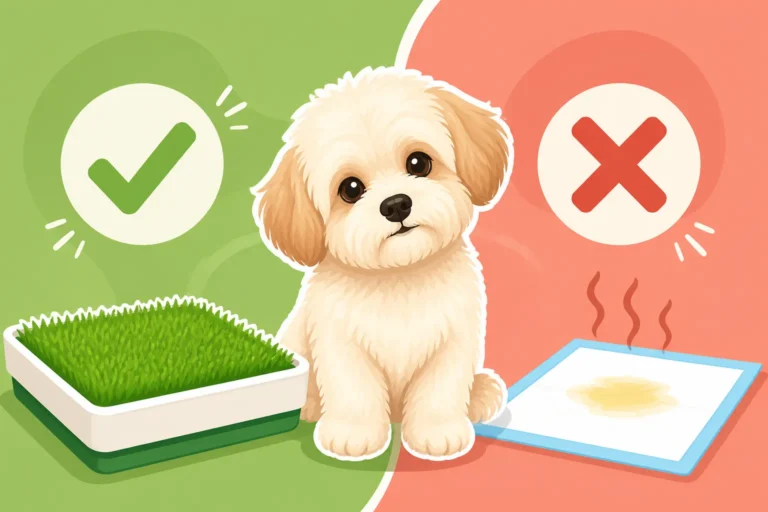
- Potty Pads (Optional but useful): While some argue that pads can slow down outdoor training by teaching indoor elimination, they can be a lifesaver in specific situations. For very young puppies who can't hold it long, apartment dwellers, or during harsh weather, pads offer an interim solution. If you use them, place them in a consistent, designated area, away from their food and bed. The goal is always to transition away from them eventually to outdoor pottying, as discussed in Whether Pads Slow a Maltipoo Down.
- Belly Bands (for males): If you have an unneutered male or one prone to marking, a washable belly band can save your furniture and your sanity by catching any small marking accidents.
Professional Help and Online Resources
Sometimes, despite your best efforts, you might feel stuck or overwhelmed. That's perfectly normal, and there's no shame in seeking extra help!
- Certified Professional Dog Trainer: A local trainer can observe your Maltipoo's specific behaviors, evaluate your routine, and offer tailored advice. They can help troubleshoot persistent issues and teach you advanced techniques for communication. Look for trainers who use positive reinforcement methods.
- Veterinarian: As mentioned, sudden regression in house training can signal a medical issue. Your vet is always the first stop if your previously reliable Maltipoo starts having frequent accidents. They can also offer advice on behavioral concerns.
- Online Training Programs: Many excellent online resources provide structured courses and communities for house training. Companies like BAXTER & Bella offer comprehensive online puppy training programs that cover everything from house training to socialization, often with personalized support. These can be particularly helpful for busy owners who need flexible learning options or those in areas with limited access to in-person trainers. Such programs provide step-by-step guidance that can reinforce your efforts and offer new perspectives.
- Support Groups/Forums: Connecting with other Maltipoo owners or small dog owners can provide a sense of community, shared experiences, and practical tips. Sometimes just knowing you're not alone in your struggles can be a huge relief.
Beyond the Basics: Maintaining a Clean Home
Once your Maltipoo is largely house trained, the work isn't entirely over. You'll want to ensure that those good habits stick and that your home remains a pleasant, accident-free zone for the long haul. This involves careful transitioning and continued vigilance, especially as your Maltipoo grows and enters different life stages.
Transitioning from Pads to Outdoors
If you started your Maltipoo on potty pads, the goal should always be to transition them to outdoor elimination. This process needs to be gradual and consistent to avoid confusion or setbacks.
Start by slowly moving the potty pad closer to the door over several days or weeks. Once it's right by the door, physically move it outside to the spot where you want them to go. Take them to the outdoor pad repeatedly. Once they are consistently using the outdoor pad, you can start to make it smaller by trimming it, or by placing a fresh pad on top of a soiled one (the scent can encourage them). Eventually, remove the pad entirely. During this transition, increase outdoor potty breaks and lavishly reward outdoor success. Be prepared for some initial confusion and potential accidents, and be patient. It’s a significant shift for them, and you can delve deeper into this in Moving a Maltipoo From Pads to the Yard.
Long-Term Consistency
Even a fully house-trained adult Maltipoo benefits from consistency. Maintain a somewhat regular potty schedule, even if it's less frequent than during puppyhood. Always take them out first thing in the morning and last thing at night. If you're going to be gone for extended periods, ensure arrangements are made for a potty break, such as a dog walker or a trusted friend.
Keep an eye out for any changes in behavior that might signal a need to go out, such as pacing, sniffing, or whining. React promptly to these cues. As your Maltipoo ages, their bladder control might weaken, or they might develop health issues that impact their ability to hold it. Be prepared to adjust your routine and increase potty breaks for older dogs. The commitment to a clean home is an ongoing partnership with your beloved Maltipoo throughout their life.
House Training Timeline and Essential Gear Overview
Here's a quick reference table to summarize typical house training phases and key items you'll need:
| Phase of Development | Typical Age Range | Bladder Control | Key Goals & Strategies | Essential Gear |
|---|---|---|---|---|
| Puppyhood | 8 weeks – 4 months | Very Low | Frequent Breaks: Every 30-60 min awake, after eating/playing/napping. Crate Training: Introduce positively. Supervision: Constant when not crated. Positive Reinforcement: High-value treats. | Crate, leash/harness, high-value treats, enzymatic cleaner, potty pads (optional) |
| Adolescence | 4 months – 9 months | Improving | Increased Hold Time: Gradually extend intervals. Consistency: Maintain routine. Watch for Regression: Revert to puppy basics if needed. Address Marking: Consider neutering/belly bands. | All above, plus belly bands (if needed) |
| Adulthood | 9 months onwards | Good | Reliability: Should be consistent. Maintain Routine: Still out morning/night, periodic checks. Respond to Cues: Don't ignore signals. Monitor Health: Rule out UTIs for accidents. | Leash/harness, enzymatic cleaner |
Disclaimer
This article is for general informational purposes only and does not constitute professional advice. Laws, prices and regulations vary by location and change over time. Consult a qualified professional for guidance on your specific situation.