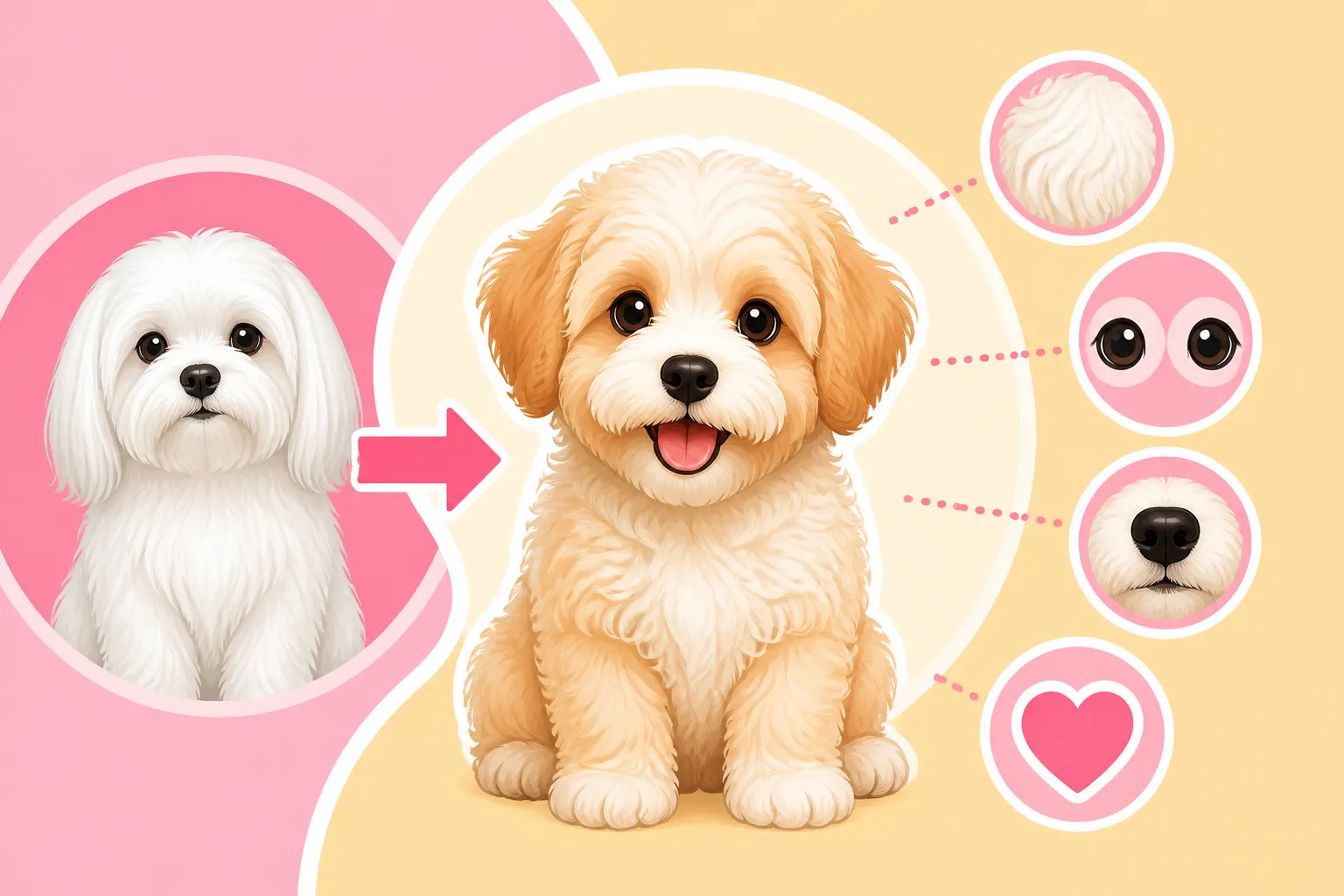
What the Maltese Contributes to a Maltipoo
Bringing a Maltipoo into your life means welcoming a tiny bundle of joy, but sometimes their quirks can leave you scratching your head. Owners often wonder where their beloved companion gets its unique blend of personality and physical traits, especially when dealing with specific care challenges or training hurdles. This comprehensive guide will explore the profound contributions of the Maltese side to your Maltipoo, helping you understand their charming eccentricities and anticipate their specific needs.
The Endearing Personality Traits a Maltipoo Gets from the Maltese
When you look at your Maltipoo, you might see the playful intelligence of the Poodle, but there's an undeniable charm that often comes directly from their Maltese lineage. This blend creates a dog that is both spirited and deeply devoted, but also capable of being quite opinionated!
The Affectionate and Devoted Companion
Maltese dogs are renowned for their incredible affection and their strong desire to be close to their human companions. This isn't just a mild preference; it's often a deeply ingrained need for closeness, and your Maltipoo frequently inherits this trait with full force. They thrive on human interaction and can become incredibly bonded with their primary caregivers, often shadowing them from room to room, seeking out cuddles on the sofa, or even trying to burrow under the covers at night. This devotion is one of the most heartwarming aspects of owning a Maltipoo.
However, this deep attachment can sometimes manifest as separation anxiety if not managed carefully from a young age. A Maltipoo who inherits a strong Maltese desire for constant companionship might struggle when left alone for extended periods, leading to barking, destructive chewing, or even accidents indoors. Understanding this inherent need for closeness means you can proactively work on building their independence with short, positive departures and engaging toys, perhaps sourced from a reliable pet supplier like Chewy.
The Bold and Sometimes Stubborn Streak
While the Maltese is often seen as a delicate lapdog, don't let their dainty appearance fool you; they possess a surprising amount of boldness and a stubborn streak that can certainly pass on to your Maltipoo. This isn't necessarily a bad thing; it means they have character and aren't afraid to express themselves. You might find your Maltipoo, for example, standing their ground against a much larger dog at the park, or stubbornly refusing to move from a favorite sunny spot on the floor. This confidence, while endearing, can make training a bit of a dance.
This inherited stubbornness is particularly noticeable during house training or when trying to teach new commands. A Maltipoo might understand what you want but decide, for a moment, that they simply don't feel like complying. Consistency, patience, and positive reinforcement are absolute key when dealing with this trait. Shouting or harsh corrections will often make a Maltipoo shut down, a classic Maltese response. Instead, keep training sessions short, fun, and reward-heavy, knowing that their underlying intelligence (often bolstered by the Poodle side) will eventually win out over their temporary recalcitrance. For more on this, you might find our article Whether a Maltipoo Inherits the Maltese Stubbornness helpful.
The Tendency Towards Being Vocal
Maltese dogs are known for being alert and can be quite vocal, often using their barks to communicate everything from excitement to suspicion. This watchdog tendency, despite their small size, is a defining trait that many Maltipoos will also display. They are quick to alert you to strangers at the door, a passing squirrel, or even just a leaf blowing by the window. For many owners, this is a charming characteristic, providing an early warning system for anything out of the ordinary.
However, unchecked vocalization can become a nuisance, especially in apartment living or if you have sensitive neighbors. It's crucial to address excessive barking from an early age, teaching your Maltipoo appropriate times to "speak" and when to be quiet. This involves consistent training to "quiet" on command, redirecting their attention, and ensuring they have plenty of mental and physical stimulation to prevent boredom barking. Providing engaging puzzle toys or long-lasting chews, easily found on sites like Chewy, can help channel their energy away from constant vocalizations.
The Physical Characteristics of the Maltese That Shape a Maltipoo
Beyond personality, the Maltese parent contributes significantly to your Maltipoo's physical appearance, influencing everything from their coat to their overall stature and delicate features. Understanding these physical legacies helps you provide appropriate care and appreciate their unique beauty.
The Signature Silky, Non-Shedding Coat
One of the most appealing traits of the Maltese, and a major reason for the Maltipoo's popularity, is their luxurious, long, white, single coat that sheds minimally. While the Poodle also contributes non-shedding qualities, the Maltese brings that distinct fine, silky texture. Your Maltipoo will almost certainly inherit a coat that is low-shedding, which is fantastic news for allergy sufferers and those who prefer less dog hair around the house.
However, this beautiful coat comes with a significant trade-off: it is highly prone to matting. The fine, silky texture of the Maltese coat, when combined with the Poodle's curl, creates a perfect storm for tangles and knots, especially in areas of friction like behind the ears, under the legs, and around the collar. Daily brushing right down to the skin is not optional; it's absolutely essential to prevent painful mats that can only be removed by shaving. This daily grooming routine is one of the most consistent responsibilities of a Maltipoo owner, requiring good quality brushes and combs. You can find excellent grooming tools for these delicate coats, like slicker brushes and metal combs, on Chewy. For more insights into your Maltipoo's hair, you might want to read The Wavy Maltipoo Coat.
Size and Delicate Bone Structure
The Maltese is a true toy breed, typically weighing under seven pounds. This small stature is a primary determinant of a Maltipoo's size. Even when bred with a miniature Poodle, the Maltese influence usually keeps the Maltipoo on the smaller end of the spectrum, often falling into the "toy" or even "teacup" categories. This small size makes them ideal for apartment living and easy to travel with, fitting comfortably into airline-approved carriers.
Accompanying their diminutive size is a delicate bone structure, also inherited from the Maltese. This means Maltipoos can be more prone to certain orthopedic issues and require careful handling. Conditions like luxating patellas (slipping kneecaps) are common in Maltese and can be passed down. Owners need to be mindful of activities that put stress on their small joints, such as jumping off high furniture or navigating stairs frequently. Providing pet-friendly steps or ramps for beds and sofas can help protect their fragile limbs and prevent injuries. Our article Slipping Kneecaps in a Maltipoo delves deeper into this common concern.
Facial Features and Expressive Eyes
The Maltese breed is known for its sweet, often "doll-like" facial features, including large, dark, expressive eyes and a relatively short muzzle. Many Maltipoos will inherit a variation of these charming features. They often have that adorable "button nose" and bright, intelligent eyes that can convey a wide range of emotions, from playful mischief to profound sadness. These expressive eyes are a huge part of what makes them so endearing and responsive to human connection.
However, the large, often dark eyes of the Maltese can also contribute to a common Maltipoo concern: tear staining. Maltese dogs are notorious for reddish-brown stains that appear under their eyes, caused by excessive tearing and certain compounds in their tears. While the Poodle side might offer some resistance, many Maltipoos, especially those with lighter coats, will still experience significant tear staining. This requires diligent daily cleaning to prevent discoloration and potential skin irritation. Special tear stain wipes and gentle cleansers are often a staple in a Maltipoo owner's grooming kit. To learn more about managing this, check out Tear Staining on a Light Coated Maltipoo.
Health Predispositions a Maltipoo Can Inherit from its Maltese Parent
While hybrid vigor can sometimes mitigate certain breed-specific health issues, a Maltipoo still carries the genetic blueprint of both parent breeds. Understanding the health predispositions from the Maltese side is crucial for proactive care and early detection of potential problems.
Orthopedic Concerns Like Luxating Patellas
As mentioned earlier, the Maltese breed has a genetic predisposition to patellar luxation, commonly known as "slipping kneecaps." This condition occurs when the patella (kneecap) dislocates or moves out of its normal groove in the thigh bone. It can cause limping, pain, and in severe cases, require surgery. Because this is a polygenic trait (meaning multiple genes are involved), it can easily be passed down to Maltipoos, even if the Poodle parent has clear knees.
Owners should be vigilant for signs like a skip in their Maltipoo's step, holding a leg up for a few seconds, or reluctance to jump or run. Regular veterinary check-ups are essential for monitoring joint health. Responsible breeders will have their Maltese parent dogs screened for patellar luxation, and ideally, their Poodle parents too, to reduce the risk in their puppies. Early diagnosis and management can significantly improve a Maltipoo's quality of life.
Inherited Metabolic Conditions
Beyond orthopedic issues, the Maltese breed can be prone to certain metabolic and neurological conditions that a Maltipoo might inherit. One notable example is Portosystemic Shunt (PSS), often referred to as a liver shunt. This is a congenital condition where blood bypasses the liver, preventing it from being detoxified properly. Symptoms can range from poor growth and lethargy to neurological issues like disorientation or seizures.
Another concern that some Maltese lines carry is White Shaker Syndrome, also known as generalized tremor syndrome. This neurological condition causes full-body tremors, particularly noticeable when the dog is excited or stressed. While often treatable with medication, it's a significant health concern. While these conditions are not universal, awareness allows owners to recognize symptoms and seek prompt veterinary care. The Liver Shunt a Maltipoo Can Inherit From the Maltese and White Shaker Syndrome in a Maltipoo offer deeper dives into these specific conditions.
Dental Health and Jaw Crowding
Small breeds, and particularly the Maltese, are notorious for dental problems, and this is a significant area where the Maltese contributes to a Maltipoo's health profile. Their small mouths often mean teeth are crowded, making them more susceptible to tartar buildup, gum disease, and premature tooth loss. The forty-two teeth of an adult dog simply don't have enough room in such a compact jaw, leading to misalignment and food traps.
Daily dental care is paramount for a Maltipoo. This means brushing their teeth every single day with dog-specific toothpaste and a small toothbrush. Neglecting their oral hygiene can lead to painful infections, abscesses, and even systemic health issues if bacteria from the mouth enter the bloodstream. Regular professional dental cleanings under anesthesia, as recommended by your vet, are often necessary to maintain their oral health. Many pet supply stores, including Chewy, offer a variety of dental care products specifically designed for small breeds. For more comprehensive information, our post The Forty Two Teeth Crowding a Maltipoo's Jaw is a must-read.
Daily Care and Training Nuances from the Maltese Side of a Maltipoo
The influence of the Maltese extends into the practical aspects of daily care and training, requiring specific approaches to ensure your Maltipoo thrives. From keeping them looking pristine to navigating their unique training quirks, understanding their Maltese heritage is key.
Grooming Demands and Tear Staining
As discussed, the Maltese coat means your Maltipoo's grooming needs are considerable. It's not just about aesthetics; regular grooming is essential for their health and comfort. That beautiful, non-shedding coat mats easily, and neglected mats can pull on the skin, causing pain, skin infections, and even restricting movement. You'll need a dedicated routine of daily brushing, frequent bathing, and regular trips to a professional groomer every 4-8 weeks.
Beyond brushing, tackling tear staining, a common Maltese trait, will be part of your daily ritual, especially for lighter-colored Maltipoos. This involves gently wiping the area around their eyes with a damp cloth or a specialized tear stain solution to prevent discoloration and bacterial buildup. Additionally, the hair in and around their ears needs attention; it should be kept clean and possibly plucked by a groomer or vet to prevent ear infections, another common issue in dogs with floppy ears. Learning how to properly groom your Maltipoo from a young age will make these tasks much easier for both of you.
Potty Training Challenges and Small Bladders
While Poodles are generally quite intelligent and amenable to training, the Maltese side can introduce a unique challenge, particularly with house training. Maltese dogs have very small bladders, necessitating frequent potty breaks, especially for puppies. This means that expecting a Maltipoo puppy to hold it for long periods, even overnight, is often unrealistic. This physical reality, combined with the occasional stubborn streak, can make house training a test of patience.
Owners often find that Maltipoos require a consistent and frequent potty schedule, sometimes every 1-2 hours for young puppies, to minimize accidents. Establishing a routine, rewarding successful outdoor eliminations enthusiastically, and cleaning up accidents thoroughly with an enzymatic cleaner are all critical. Some owners opt for pee pads or indoor potty solutions, at least initially, to manage their small bladders, though transitioning from pads to outdoor pottying can sometimes present its own set of hurdles. Our guide Why Housetraining a Maltipoo Takes Longer Than You Expect explores these challenges in detail.
Sensitivity and the Need for Gentle Handling
Maltese dogs are known for being quite sensitive, both physically and emotionally, and your Maltipoo will likely inherit some of this delicate nature. Physically, their small size and fine bones mean they are vulnerable to injury from rough play, accidental drops, or even being stepped on. This makes them less suitable for homes with very young, boisterous children who may not understand how to handle such a fragile pet.
Emotionally, a Maltipoo with strong Maltese traits can be easily startled by loud noises, sudden movements, or harsh reprimands. They respond best to a calm, consistent, and positive environment. Building trust and a strong bond through gentle handling, positive reinforcement training, and a secure routine will help your Maltipoo flourish. They thrive when they feel safe and loved, and a gentle touch, both literally and figuratively, will always yield the best results with this sensitive and affectionate breed.
Summary of Maltese Contributions to a Maltipoo
| Category | Positive Contribution (Maltese) | Challenging Contribution (Maltese) |
|---|---|---|
| Temperament | Deeply affectionate, devoted, playful, charming, confident | Can be stubborn, prone to separation anxiety, vocal/prone to barking |
| Physical | Silky, low-shedding coat, compact size, expressive "doll-like" face | Delicate bone structure, prone to matting, significant tear staining |
| Health Risks | Generally hardy for a small breed (with good breeding) | Patellar luxation, liver shunts, White Shaker Syndrome, dental issues |
| Care Needs | Enjoys grooming time if started young, easily portable | Intensive daily grooming, frequent potty breaks, sensitive to harshness |
This table provides a snapshot, but as you can see, the Maltese brings a rich tapestry of traits to the Maltipoo, creating a companion that is full of character, demands dedicated care, and rewards you with boundless love.
Disclaimer
This article is for general informational purposes only and does not constitute professional advice. Laws, prices and regulations vary by location and change over time. Consult a qualified professional for guidance on your specific situation.