Which Maltipoo Traits Come From the Poodle
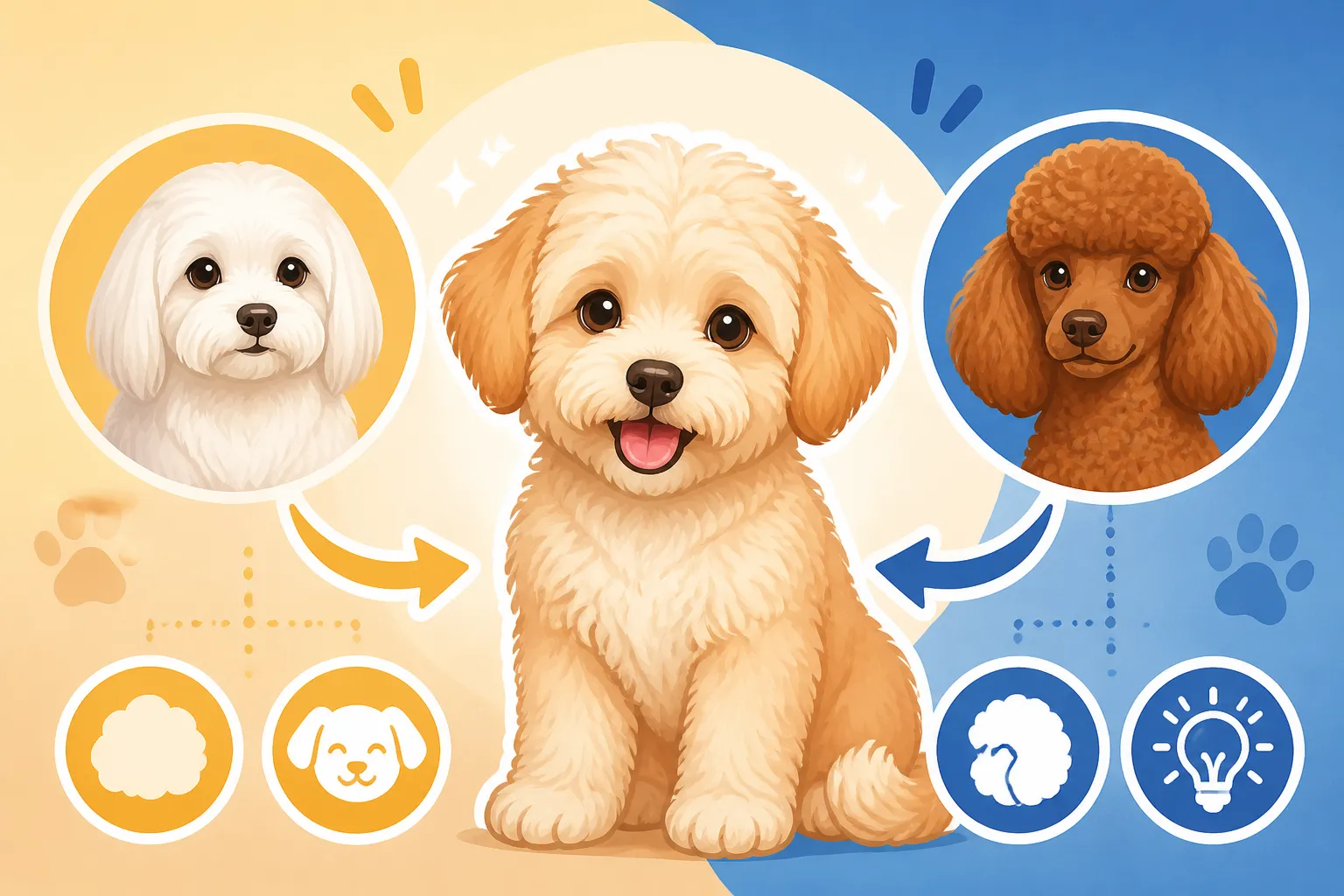
It's completely natural to wonder about the unique blend of characteristics you see in your beloved Maltipoo. With two distinct parent breeds like the Poodle and the Maltese, it often feels like a delightful mystery figuring out which traits came from where. Many owners are curious about what specific gifts, both in personality and looks, their Maltipoo inherited from the intelligent and elegant Poodle side. This guide is here to shed some light on those Poodle influences, helping you understand your furry friend a little better.
Understanding the Poodle's Influence on the Maltipoo's Temperament
The Poodle is renowned for its sharp mind and active spirit, and these are often the traits that shine through most prominently in a Maltipoo. While the Maltese brings a sweet, gentle, and often cuddly nature, the Poodle contributes a dynamic energy and a keen intellect that can profoundly shape your Maltipoo's personality and how they interact with the world.
Intelligence and Trainability
One of the most defining characteristics of a Poodle is its exceptional intelligence, which frequently makes its way into the Maltipoo mix. Poodles consistently rank among the smartest dog breeds, known for their ability to learn quickly, understand complex commands, and even problem-solve. When a Maltipoo inherits this mental prowess, you might find yourself with a surprisingly quick learner, sometimes even to your delightful frustration when they figure out how to open cabinets!
This intelligence often translates into high trainability. Poodle-dominant Maltipoos tend to pick up basic obedience commands, house training, and even fun tricks with impressive speed. They thrive on mental stimulation, enjoying training sessions that challenge their minds. If you have a Maltipoo that seems to grasp new concepts effortlessly or gets bored if not given enough to do, chances are you're seeing a strong Poodle influence. This eagerness to please, combined with their sharp minds, makes them a joy to train, often excelling far beyond what many might expect from a small companion dog.
However, this intelligence isn't without its caveats. A smart dog can also be a mischievous dog if left unstimulated. Owners of Poodle-leaning Maltipoos often describe a dog that needs consistent engagement and creative outlets for their brains. Without proper mental exercise, they might invent their own "games," which could involve things like raiding the trash can or undoing your careful household setups. Providing puzzle toys, regular training, and varied experiences is key to harnessing this wonderful Poodle trait constructively.
Activity Level and Playfulness
While the Maltese is often content with a leisurely stroll and plenty of lap time, the Poodle, especially the Toy or Miniature Poodle, typically brings a higher energy level to the Maltipoo. This isn't to say your Maltipoo will be running marathons, but they might have a more pronounced need for active play and regular exercise than you initially expected. They often have bursts of energy, enjoying a good romp around the house or a spirited game of fetch in the yard or at the park.
A Maltipoo with a strong Poodle lineage will likely be quite playful and enjoy engaging with their family. They might be the type to bring you toys, initiate games, and eagerly participate in playtime. This zest for life can be incredibly endearing, making them wonderful companions for active individuals or families who enjoy interacting with their pets. Their playful antics can keep you entertained for hours, turning everyday moments into joyful experiences.
However, this higher activity level also means they need more than just a quick trip outside. Regular walks, play sessions, and opportunities to run safely are important for their physical and mental well-being. If your Maltipoo seems restless, prone to zoomies, or constantly seeking attention, it's a good sign that their Poodle genes are prompting them for more activity. Integrating fun exercise into their daily routine is crucial to keep them happy, healthy, and prevent boredom-induced behaviors. For durable toys and other engaging enrichment, many owners turn to What a Maltipoo's Harness, Bed and Carrier Cost or explore options at trusted online retailers like Chewy.
Sensitivity and Emotional Intelligence
Poodles can be quite sensitive and emotionally attuned dogs, a trait that often carries over to the Maltipoo. This means your Maltipoo might be incredibly perceptive to your moods and the general atmosphere of the home. They can be very empathetic, offering comfort when you're down or mirroring your excitement when you're happy. This emotional intelligence makes them deeply connected companions, often forming strong, almost intuitive bonds with their primary caregivers.
This sensitivity can manifest in a desire for close companionship and a potential for separation anxiety if left alone for extended periods. A Poodle-leaning Maltipoo might thrive best in a home where they have consistent human interaction and aren't left by themselves for long stretches each day. They crave connection and can become stressed or anxious if they feel neglected or isolated. Understanding this need for closeness is vital to ensuring their emotional well-being.
Furthermore, their sensitivity means they generally respond best to positive reinforcement training and a gentle approach. Harsh corrections or loud voices can be counterproductive, potentially causing them to shut down, become fearful, or even act out. A calm, consistent, and loving environment helps a sensitive Maltipoo blossom into a confident and well-adjusted companion. If your Maltipoo seems easily startled or reacts strongly to changes in routine, you're likely observing their Poodle-inherited emotional depth. It's an important aspect to consider when thinking about Whether a Maltipoo Is Too Soft for Correction.
The Poodle's Impact on the Maltipoo's Physical Appearance
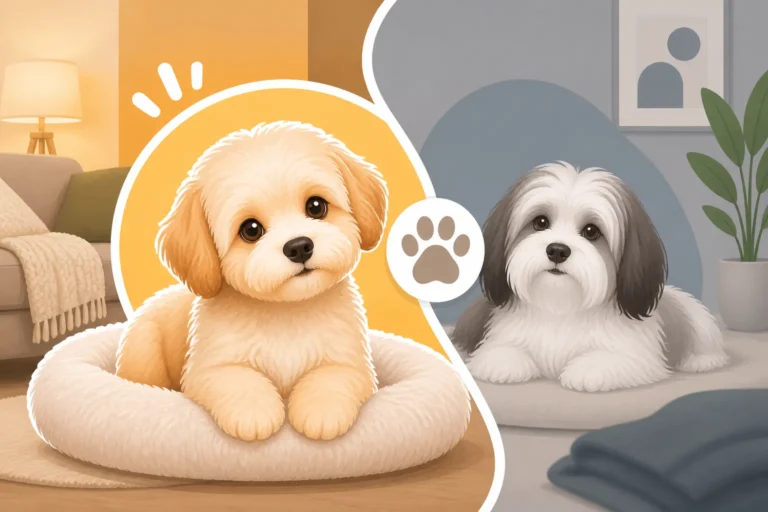
When you picture a Maltipoo, you often think of a fluffy, adorable dog, but the specifics of that fluffiness and their overall build are heavily influenced by their Poodle parent. The Maltese brings its signature long, silken white coat and dainty structure, while the Poodle offers a completely different set of genetic blueprints for coat type, body shape, and an explosion of color.
Coat Type and Hypoallergenic Qualities
Perhaps the most famous Poodle trait inherited by the Maltipoo is its low-shedding, curly coat. The Maltese contributes a single, long, silken layer, but it's the Poodle's dense, curly, and often described as "hypoallergenic" coat that dominates the popular Maltipoo look. This Poodle influence is what makes Maltipoos a preferred choice for many allergy sufferers, as they tend to shed significantly less than many other breeds.
The curl can vary greatly, even within the same litter, depending on the genetic lottery. Some Maltipoos will have a tight, kinky curl reminiscent of a purebred Poodle, while others might have a softer, wavier coat that's a blend of both parent breeds. Regardless of the exact curl pattern, this Poodle coat demands consistent care to prevent matting. It's a coat that never stops growing, much like human hair, making regular brushing and professional grooming appointments non-negotiable. Without it, tangles can quickly turn into painful mats, impacting your dog's comfort and health. Learn more about The Wavy Maltipoo Coat and The Curly Maltipoo Coat for a deeper dive.
This coat's unique texture means it traps dander and loose hairs rather than releasing them into the environment, which is excellent for those with allergies. However, it also means that all those trapped hairs need to be brushed out regularly to keep the coat healthy and prevent skin issues. Investing in quality grooming tools, perhaps from a well-stocked online pet supply store like Chewy, and establishing a routine for Combing a Maltipoo Down to the Skin is essential from day one.
Body Structure and Proportions
While the Maltese is known for its delicate, compact, and somewhat square body shape with a domed head, the Poodle contributes a more athletic and proportionate build. Toy and Miniature Poodles have a refined, elegant structure with a longer muzzle, a more pronounced stop, and often longer legs relative to their body length. When these genetics combine in a Maltipoo, you might see a more "dog-like" or athletic appearance compared to the almost teddy-bear look that some Malteses possess.
A Maltipoo with strong Poodle genes might have a longer, more elegant neck, a more streamlined body, and legs that give them a slightly taller stance. Their muzzles might be more elongated than a typical Maltese, giving them a less "smushed" or flat-faced look. This can be beneficial, as longer muzzles are generally associated with fewer breathing issues compared to brachycephalic (short-nosed) breeds. These proportions contribute to their agile and sometimes bouncy gait.
The Poodle influence also tends to result in ears that hang closer to the head, rather than the slightly more open set of a Maltese, and a tail that usually curls up and over the back to some degree. While the Maltese has a gracefully plumed tail that typically arches over its back, the Poodle's tail is often carried high and docked in purebred show lines, though it remains natural in companion animals. A Maltipoo's tail might carry elements of both, but often has the lively, high-set wag of a Poodle.
Color Variations
If you've ever seen a Maltipoo that isn't pure white, you're observing a direct influence from their Poodle parent. The Maltese breed is almost exclusively white, while Poodles come in a vast and vibrant spectrum of colors. This genetic contribution from the Poodle is what allows Maltipoos to appear in such a delightful array of shades, making each one truly unique.
Common Poodle-derived colors in Maltipoos include apricot, cream, red, black, and even more complex patterns like phantom or parti (meaning two or more distinct colors, usually white with patches of another color). An apricot Maltipoo, for example, gets that lovely warm hue directly from its Poodle ancestry. Similarly, a striking black Maltipoo owes its dark coat to the Poodle side. These colors can sometimes fade or change slightly as the Maltipoo matures, a phenomenon also observed in purebred Poodles where puppies might be born darker and lighten over time. For example, a black Maltipoo puppy might develop silvering as it ages.
The diversity in color means that while a pure white Maltipoo will always evoke the Maltese, the presence of any other color immediately points to the Poodle's genetic contribution. This adds an element of surprise and charm to the breed, as you never quite know what unique combination of colors a litter might produce. It's part of the fun in exploring What a Phantom Maltipoo Sells For or The Parti Maltipoo when considering a puppy.
Health Considerations Inherited from the Poodle Side
While Maltipoos are often touted as healthier due to hybrid vigor, they can still inherit genetic predispositions from both parent breeds. Understanding the health conditions common in Poodles helps prospective and current Maltipoo owners be proactive in their pet's care. Responsible breeders will screen for these conditions in their Poodle lines to minimize risks in their Maltipoo puppies.
Eye Health Concerns
Poodles, particularly Miniature and Toy Poodles, are prone to certain inherited eye conditions, and these can certainly appear in a Maltipoo. One of the most significant is Progressive Retinal Atrophy (PRA), a degenerative disease that eventually leads to blindness. There are different forms of PRA, and genetic testing is available for some types, particularly progressive rod-cone degeneration (prcd-PRA), which is common in Poodles.
Another concern is cataracts, which can occur at any age but are more prevalent in older Poodles. While not all cataracts are hereditary, early-onset cataracts can be passed down. Poodles can also be prone to glaucoma, a painful condition caused by increased pressure in the eye. If your Maltipoo shows signs of vision impairment, excessive tearing, or discomfort around their eyes, it's crucial to consult a veterinarian promptly. Regular eye check-ups, especially as they age, are important for any Maltipoo. This is especially true given potential issues like The Retinal Disease a Maltipoo Gets From the Poodle.
Reputable breeders will often have their breeding Poodles (and Maltese) examined by a board-certified veterinary ophthalmologist and provide OFA (Orthopedic Foundation for Animals) eye certification results. This helps ensure that the Poodle parent isn't passing on known genetic eye problems to the Maltipoo puppies, offering some peace of mind for future owners.
Orthopedic and Joint Issues
While patellar luxation (slipping kneecaps) is a common issue in small breeds, including both Maltese and Poodles, there are other orthopedic concerns that may come from the Poodle side. Legg-Calve-Perthes disease is one such condition. This disease affects the hip joint, where the head of the femur (thigh bone) degenerates due to a disruption of blood supply. It can cause lameness and pain, typically appearing in young dogs between 5 and 8 months of age. While it's seen in many small breeds, Poodles are one of them.
Hip dysplasia, more commonly associated with larger breeds, can also occur in Miniature and Toy Poodles, albeit less frequently. It's a malformation of the hip joint that can lead to arthritis and pain. Though generally less severe in smaller dogs, it's still a concern to be aware of. Observing your Maltipoo's gait and being vigilant for any limping, stiffness, or reluctance to jump or play can help catch these issues early.
Breeders should ideally screen their Poodle parents for patellar luxation (through physical examination by a vet or OFA certification) and potentially for Legg-Calve-Perthes if there's a history in their lines. Discussing the orthopedic health of both parents is a key part of choosing a healthy Maltipoo puppy. Understanding The Four Patella Grades and Where a Maltipoo Lands is crucial for owners of all small dogs, including Maltipoos.
Other Genetic Predispositions
Beyond eye and joint issues, Poodles can carry a predisposition for a few other significant health conditions that a Maltipoo might inherit. Addison's disease (hypoadrenocorticism) is one such concern, where the adrenal glands don't produce enough hormones. Symptoms can be vague and include lethargy, vomiting, diarrhea, and weakness, often mimicking other conditions. It can be life-threatening if not diagnosed and treated, but manageable with lifelong medication.
Another condition sometimes seen in Poodles that could affect a Maltipoo is sebaceous adenitis, an inflammatory skin disease that attacks the sebaceous glands, leading to dry, scaly skin, hair loss, and sometimes secondary infections. While not as common, it's a concern for Poodle owners. Additionally, some Poodle lines may be prone to certain heart conditions or Von Willebrand's disease, a bleeding disorder.
The key takeaway here is that while Maltipoos are delightful hybrids, they are not immune to genetic health issues. A responsible breeder will conduct extensive health testing on both parent breeds to screen for known genetic conditions. This is why asking a breeder about genetic testing results for conditions like Addison's or sebaceous adenitis in their Poodle lines is just as important as discussing patella health. Knowing the potential risks empowers you to provide the best preventative and responsive care for your Maltipoo.
Training and Care Influences from the Poodle
The Poodle's strong genetic contributions don't just stop at appearance and potential health predispositions; they also significantly influence the daily care and training needs of your Maltipoo. From their grooming demands to their approach to learning and exercise, understanding these Poodle-derived traits is key to providing a happy and healthy life for your furry companion.
Grooming Regimen
Prepare for a commitment to grooming if your Maltipoo has inherited the Poodle's coat type. Unlike the single-layered, silky coat of the Maltese, the Poodle's curly coat is dense, grows continuously, and is prone to matting. This means that a Maltipoo with a more Poodle-like coat will require a rigorous grooming routine to keep them comfortable and mat-free. Daily brushing is often recommended to prevent tangles from forming, especially in friction areas like behind the ears, under the legs, and where a harness might rub.
Professional grooming appointments are also a necessity, typically every 4-8 weeks, depending on the length of cut you prefer and how diligently you maintain their coat at home. These appointments are crucial for trimming the coat, cleaning ears, and cutting nails. Skipping these can lead to painful matting that requires shaving down, which can be traumatic for the dog. Owners often look for specialized brushes and combs, and products like detangling sprays or shampoos, all of which can be found at retailers like Chewy.
The challenge here is to make grooming a positive experience from a young age. Many Poodle-dominant Maltipoos, due to their intelligence and sensitivity, can learn to tolerate and even enjoy grooming sessions if introduced properly. This includes short, positive brushing sessions, familiarizing them with the sounds of clippers and dryers, and making it a routine part of their life. This constant upkeep is one of the biggest, yet most rewarding, commitments of owning a Maltipoo with a Poodle-influenced coat. You can learn more about What the Maltipoo Was Bred to Be and why this coat is a huge part of that.
Training Approaches
The Poodle's high intelligence makes Poodle-leaning Maltipoos incredibly receptive to training, but it also means they require consistent mental engagement. These dogs thrive on positive reinforcement, responding beautifully to praise, treats, and play. They are keen to learn and often enjoy the process of training, viewing it as a fun bonding activity rather than a chore. This makes them excellent candidates for basic obedience, advanced tricks, and even some dog sports like agility (if their knees allow) or scent work.
However, their intelligence means they can also get bored easily if training sessions are repetitive or too long. Short, engaging, and varied training sessions work best to keep their focus. A Maltipoo that has a strong Poodle influence will likely learn quickly, but they might also get frustrated or act out if they aren't understanding what's being asked of them, or if the training isn't stimulating enough. It’s important to vary your approach and keep it fun.
This Poodle trait also means they need mental stimulation beyond just physical exercise. Puzzle toys, interactive games, and learning new commands regularly are all important for keeping their sharp minds happy and preventing destructive behaviors born out of boredom. Neglecting their mental needs can lead to a bored dog finding their own entertainment, which you might not always appreciate! Consider how much a The Poodle Puts Into a Maltipoo's Character and how this impacts training.
Exercise Needs
While no Maltipoo is going to need the endurance training of a Border Collie, a strong Poodle influence generally means a slightly higher demand for exercise than a purely Maltese-leaning pup. Toy and Miniature Poodles are energetic dogs that enjoy brisk walks, playtime, and opportunities to run. If your Maltipoo inherited this trait, you'll find they need more than just a quick trot around the block to be truly content.
Regular daily walks, typically 30-60 minutes split into a couple of outings, are a good baseline. Beyond walks, interactive play sessions where they can chase a ball, engage in tug-of-war, or simply romp around a secure yard are beneficial. These play sessions not only burn physical energy but also provide mental stimulation, especially if you incorporate games that involve problem-solving or searching for hidden treats.
A Maltipoo with a Poodle's energy can become restless, vocal, or even destructive if their exercise needs aren't met. They might exhibit zoomies (sudden bursts of frantic running), persistent barking, or begin chewing inappropriate items. Providing adequate physical activity helps to channel their energy constructively, leading to a calmer and happier companion at home. It's important to remember that even small dogs have energy to burn, and ignoring it can lead to behavioral challenges. Check out The Walk a Six Pound Maltipoo Actually Needs for more insights.
The "Generation Game" and Poodle Dominance
Understanding the different generations of Maltipoos (F1, F1b, F2, etc.) is crucial for predicting which Poodle traits might be most dominant. Since the Maltipoo isn't a recognized breed with a consistent standard, breeders use these generational terms to indicate the parentage and, in turn, offer some insight into what characteristics a puppy might inherit. This "generation game" directly impacts how much Poodle influence you can expect.
F1, F1b, and Beyond
The terms F1, F1b, and so on, describe the filial generation of a crossbreed, helping to understand the genetic makeup. An F1 Maltipoo is a first-generation cross, meaning a purebred Maltese bred with a purebred Poodle. In this generation, the traits are often the most unpredictable, as it's a true 50/50 genetic blend. You might get a puppy that leans heavily Poodle, one that favors the Maltese, or a perfect mix. This is truly the "coin flip" generation when it comes to predicting traits.
An F1b Maltipoo (which stands for first-generation backcross) is the result of an F1 Maltipoo being bred back to a purebred Poodle. This means the puppy is approximately 75% Poodle and 25% Maltese. This generation is often sought after by those wanting a stronger Poodle influence, particularly for the coat. An F1b Maltipoo is more likely to have a very curly, low-shedding coat, higher intelligence, and potentially a more energetic temperament. If you're looking to maximize the Poodle characteristics, the F1b generation is usually where you'll find them.
Further generations like F2 Maltipoos (F1 Maltipoo bred with another F1 Maltipoo) or Multigen Maltipoos (Maltipoo bred with another Maltipoo from multiple generations) become even more complex. While the general idea is to stabilize desired traits, the genetic variety is still quite broad. For someone specifically seeking Poodle traits, understanding these generations is key, and discussing them with a breeder is essential. For more details on what these terms mean, consider reading Whether an F1b Maltipoo Is More Biddable.
Predicting Traits in a Mixed Breed
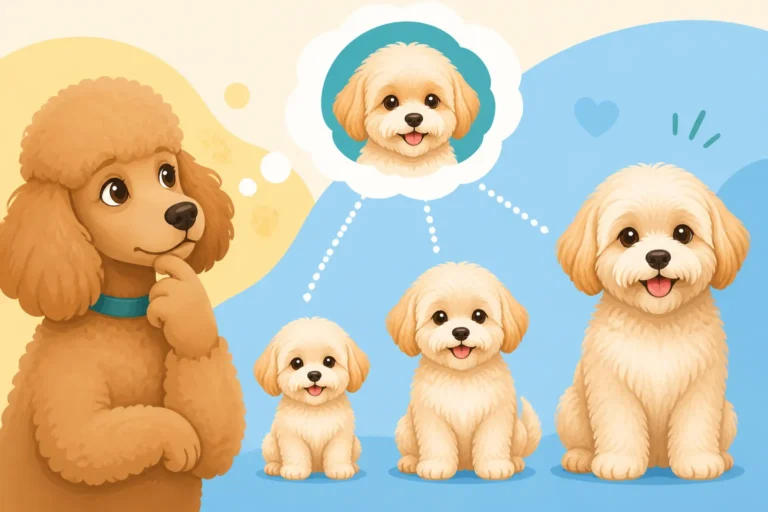
The truth about hybrid breeds like the Maltipoo is that predicting specific traits is never an exact science. Even within the same litter, you can see a vast array of differences in appearance, temperament, and size, simply because each puppy inherits a unique combination of genes from its parents. One puppy might have the Poodle's curl and intelligence, while its sibling might have the Maltese's straight hair and calmer demeanor. This unpredictability is part of the charm, but also a challenge for prospective owners.
While generational breeding (like the F1b) can increase the probability of certain traits, it can't guarantee them. It's a genetic lottery, and a puppy that is genetically 75% Poodle could still end up with some unexpected Maltese traits, or vice versa. The environment a puppy grows up in, their socialization, and training also play significant roles in shaping their personality, regardless of their genetic predisposition.
This unpredictability is why it's so important to fall in love with the individual puppy and be prepared for a range of traits, rather than having a fixed expectation of a specific look or temperament. Responsible breeders can offer some insight based on observing their puppies and knowing their parent lines, but ultimately, each Maltipoo is a unique individual. It's a real The Coin Flip Inside Every Maltipoo Puppy when it comes to genetics.
Breeder Transparency
Given the unpredictability of hybrid breeds and the potential for inherited health issues from both sides, choosing a responsible and transparent breeder is paramount. A good breeder won't guarantee specific traits like "hypoallergenic" or "teacup size" without caveats, because they understand the complexities of genetics in a mixed breed. Instead, they will focus on the health and temperament of their parent dogs and the well-being of their puppies.
A reputable breeder will be open about the health testing performed on both the Poodle and Maltese parents, providing documentation for conditions common in both breeds, such as patellar luxation, eye certifications, and genetic tests for Poodle-specific conditions like prcd-PRA or Addison's disease. They should be willing to discuss the temperament of their parent dogs, allowing you to meet them if possible, as this offers the best indicator of what traits their puppies might inherit. They can explain how The Maltipoo That Was Never Taught to Be a Dog or other behavioural issues can arise from poor breeding practices.
Furthermore, a transparent breeder will be knowledgeable about the different Maltipoo generations and can explain what an F1, F1b, or Multigen litter means for potential outcomes. They'll prioritize placing puppies in appropriate homes where their unique needs, influenced by their Poodle and Maltese heritage, can be met. This open communication and commitment to health and temperament are vital for ensuring you bring home a happy, healthy Maltipoo, regardless of which parent's traits shine through most. For new puppy supplies and ongoing health needs, remember to visit reliable resources like Chewy.
| Trait Category | Strong Poodle Influence in Maltipoo | Strong Maltese Influence in Maltipoo |
|---|---|---|
| Temperament | High intelligence, eager to please, playful, sensitive, moderate energy levels, requires mental stimulation. | Gentle, affectionate, calm, often more content with lap time, less demanding of mental stimulation. |
| Coat Type | Tighter curls, low-shedding (more "hypoallergenic" potential), requires extensive daily brushing to prevent mats, professional grooming every 4-6 weeks. | Longer, silkier, straighter single coat, less prone to tight mats but still needs regular brushing, professional grooming less frequent. |
| Coat Color | Wide variety of colors: apricot, red, black, cream, phantom, parti. Color may lighten/fade over time. | Almost exclusively pure white. |
| Body Shape | More athletic, proportionate build, longer muzzle, more elegant neck, slightly longer legs. | Dainty, compact body, shorter muzzle, rounded head, very fine bone structure. |
| Exercise Needs | Regular walks (30-60 mins daily), active playtime, enjoys interactive games. | Shorter walks, content with indoor play, often happy with moderate activity. |
| Trainability | Highly trainable, quick to learn tricks and commands, thrives on varied and stimulating training. | Eager to please, but can be slightly more stubborn, responds well to consistent, gentle training. |
| Grooming | High maintenance: daily brushing, professional grooming essential, needs ear plucking/cleaning. | Moderate maintenance: daily brushing for tangle prevention, less prone to tight mats. |
| Health Risks | PRA, Addison's, Legg-Calve-Perthes (in addition to patellar luxation). | Patellar luxation, White Shaker Syndrome (in addition to common small dog issues). |
Disclaimer
This article is for general informational purposes only and does not constitute professional advice. Laws, prices and regulations vary by location and change over time. Consult a qualified professional for guidance on your specific situation.