Whether a Small Maltipoo Regulates Its Temperature
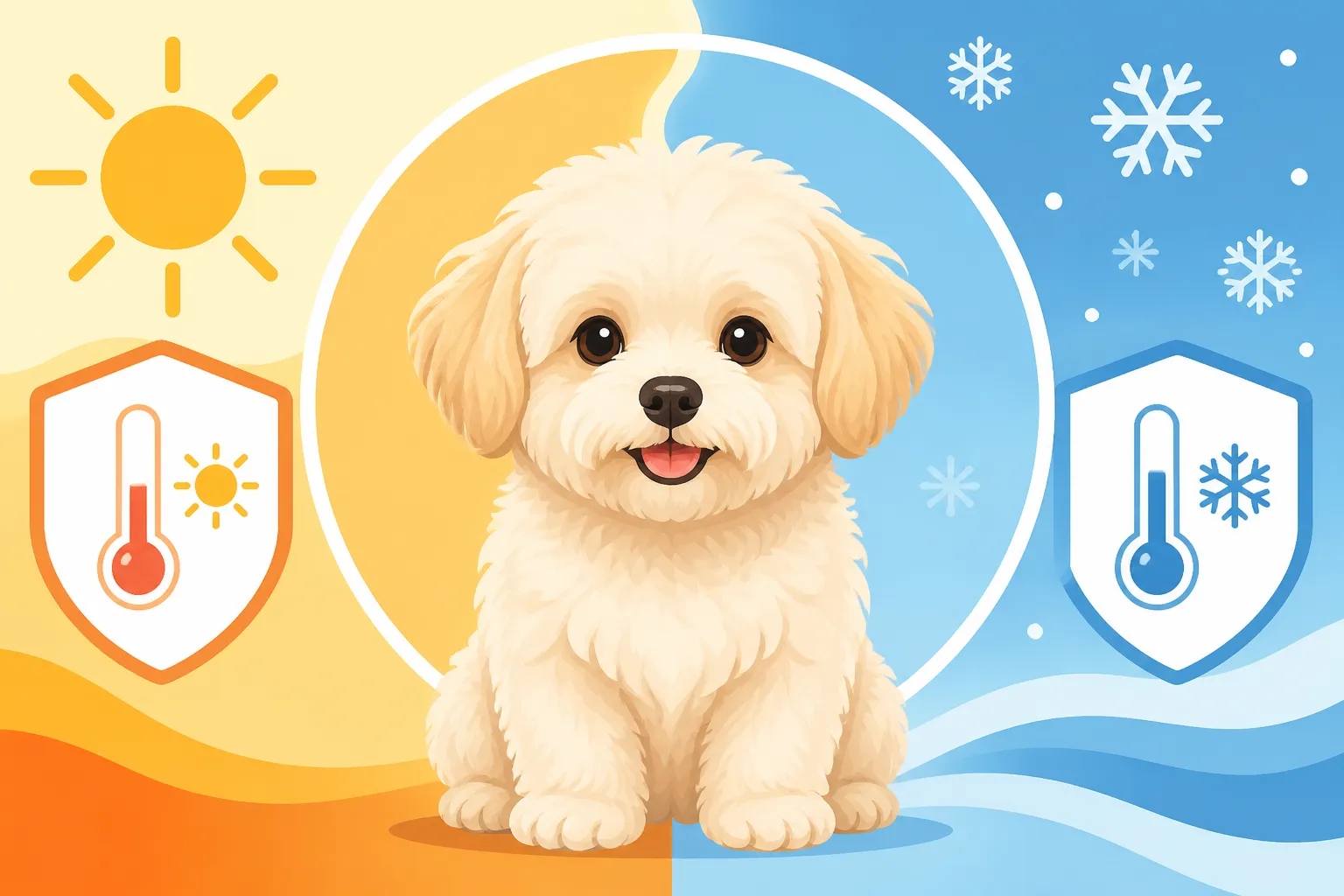
It's a common worry for many Maltipoo parents, especially those with tiny bundles of fluff: does my small Maltipoo truly regulate its body temperature effectively, or am I constantly battling to keep them just right? The truth is, small Maltipoos, particularly the "teacup" varieties, face unique challenges when it comes to maintaining a stable internal temperature, often leaving their owners feeling like they're walking a tightrope between too hot and too cold. This guide is here to shed light on why these adorable dogs struggle and what you can do to keep your furry companion safe and comfortable.
The Unique Temperature Challenges of Small Maltipoos
Understanding why your petite Maltipoo might be more sensitive to temperature fluctuations than a larger dog starts with a bit of biology. Their small stature, coupled with certain physiological traits, means they're not always as adept at self-regulating as you might hope. It’s not just about size; it’s about how that size impacts their entire system.
Why Little Bodies Lose Heat So Quickly
Think about it: a larger object holds heat longer, right? The same principle applies to your Maltipoo. Tiny dogs have a much higher surface area-to-volume ratio compared to their bigger canine cousins. This scientific tidbit essentially means there's more skin exposed relative to their body mass, making it incredibly easy for them to lose body heat to the environment. A draft from a window, a cold floor, or even just a brisk walk on a chilly day can rapidly pull warmth from their small frames. You might notice them shivering or seeking out warm spots more frequently than you would a Golden Retriever, and it's not just them being dramatic – they're genuinely struggling to stay warm.
Their smaller size also means they have fewer natural fat reserves acting as insulation. While some Maltipoos have a wonderfully thick, fluffy coat, that coat alone isn't always enough to counteract the rapid heat loss, especially if they are particularly small. This is why you often see owners dressing their tiny companions in sweaters or coats, even indoors. It's not just a fashion statement; it's a practical necessity to help them retain that precious body heat.
Metabolism and the Risk of Hypothermia
Beyond the physics of heat transfer, a small Maltipoo’s metabolism plays a crucial role in its ability to regulate temperature. Younger puppies, especially those under five pounds, are particularly vulnerable. Their immature metabolic systems aren't as efficient at producing and maintaining body heat, and they burn through energy sources, particularly glucose, at an astonishing rate. This rapid energy consumption can lead to serious issues. For instance, the risk of Hypoglycemia and the Teacup Maltipoo Puppy is a very real concern, where a sudden drop in blood sugar can leave them lethargic, weak, and unable to generate enough body heat, quickly spiraling into a hypothermic state. This is why it’s critical to ensure they get enough calories, as we discuss in Why a Two Pound Maltipoo Cannot Skip a Meal.
An adult Maltipoo, while past the acute risk of hypoglycemia from a missed meal, still has a metabolism that runs at a different pace than a large dog. They rely heavily on constant energy input to keep warm. If they are in a consistently cold environment without adequate warmth, their body will start to burn through reserves quickly, making them more susceptible to hypothermia, which can quickly become a life-threatening emergency. This vulnerability highlights the need for vigilance from their owners.
Environmental Factors and Their Impact
Our homes, which we design for human comfort, aren't always ideally suited for a tiny Maltipoo. Cold tiled floors, drafts from doors and windows, or even simply being close to an exterior wall can mean a significant temperature difference for a dog that lives a few inches off the ground. A spot that feels perfectly fine to us could be a chilly wind tunnel for them. Similarly, direct sunlight streaming through a window can quickly turn a cozy napping spot into an dangerously hot oven for a small dog with limited ability to move.
Their low stature also puts them closer to surfaces that can transmit heat or cold more directly. Imagine spending your day lying on a cold tile floor in winter, or a scorching hot patio in summer. While we have shoes and can easily move, a Maltipoo’s paws are directly exposed, and their entire body is in close contact with these surfaces. This makes them significantly more impacted by ambient conditions than a dog with more clearance from the ground. Understanding these subtle environmental impacts is key to providing them with a safe and comfortable living space.
Keeping Your Small Maltipoo Warm and Cozy
Ensuring your Maltipoo stays warm isn't just about comfort; it's a vital part of their health and well-being. These little dogs often need a helping hand, both indoors and out, to maintain their ideal body temperature. Being proactive can prevent a lot of stress for both you and your furry friend.
Indoor Comfort Strategies for Chillier Days
When the temperatures drop outside, or even if your home tends to be a bit drafty, your small Maltipoo will appreciate some extra warmth. A cozy sweater or a doggie shirt can make a world of difference, acting as a personal blanket that moves with them. Many owners swear by lightweight fleece or wool sweaters, especially for those Maltipoos with a thinner coat or for breeds that Whether a Maltipoo Gets Cold Easily. You might even notice that a sweater calms a naturally anxious dog, as the gentle compression can be comforting. We’ve covered more about this in Whether a Maltipoo Needs a Sweater Indoors.
Beyond clothing, think about their resting spots. A raised dog bed keeps them off cold floors, away from drafts, and closer to your warmer air. Providing a plush bed with soft blankets or even a self-warming pet mat can create a snug haven. Consider their favorite napping spots – if it’s near a window or door, a quick check for drafts can tell you if it’s too cool. During the colder months, even the simple act of closing a door to a less-used room can help regulate the temperature in their main living area. Remember, what feels cool to you might be genuinely cold for them, especially if they are just lounging around.
Outdoor Protection During Colder Weather
Taking your Maltipoo for a walk in winter requires careful consideration. Just as they need extra warmth inside, they definitely need it outdoors. A proper dog coat or jacket that covers their back and belly is essential for retaining heat during cold strolls. Look for materials that are water-resistant and provide good insulation. For truly frigid days, paw protection like dog booties can prevent frostbite and protect their sensitive pads from ice, salt, and harsh chemicals. This is especially important if you're out in an urban environment where roads might be salted.
Limit the duration of outdoor excursions when it's particularly cold or wet. A quick potty break might be all they can handle before their core temperature starts to drop. Pay close attention to their behavior: shivering, reluctance to move, or hunching over are all signs they’re too cold and need to come inside. Always dry them thoroughly immediately after coming in from the wet, as damp fur will rapidly wick away body heat. For more tips on safe winter walks, check out Whether a Maltipoo Should Walk in Winter.
Nutrition and Hydration Support for Temperature Regulation
A well-nourished Maltipoo is better equipped to regulate its temperature. Providing a high-quality, calorie-dense diet appropriate for small breeds ensures their metabolism has the fuel it needs to generate body heat. This is especially true for puppies, who need frequent small meals to prevent dangerous drops in blood sugar and associated temperature instability. We often advise feeding a small Maltipoo by the ounce, not the scoop, to ensure precise caloric intake, which you can learn more about in Feeding a Six Pound Maltipoo by the Ounce, Not the Scoop.
Hydration is equally crucial. While often associated with cooling, adequate water intake supports overall metabolic function, including the processes that maintain body temperature. Always ensure your Maltipoo has access to fresh, clean water, whether they’re indoors or out. In colder weather, some dogs may drink less, so you might consider adding a little warm water to their food or offering a low-sodium broth to encourage fluid intake. A healthy body, fueled correctly, is a resilient body, better able to cope with environmental stressors.
Preventing Overheating in Your Small Maltipoo
While keeping them warm is a common concern, preventing overheating is just as critical, if not more so, for a small Maltipoo. Their size also makes them prone to heatstroke, and it can happen much faster than you might realize.
Indoor Cooling Measures for Warmer Weather
As temperatures rise, our tiny Maltipoos can quickly become uncomfortable indoors. Even a mild summer day can lead to overheating if they're in direct sunlight or a poorly ventilated room. Air conditioning is your best friend here, creating a consistently cool environment. If AC isn't available, strategically placed fans can help circulate air, but make sure they aren't blowing directly on your dog for extended periods, as this can dry out their eyes or nose.
Consider cooling mats designed for pets. These often use gel or water to provide a cool surface for your Maltipoo to lie on, helping to draw heat away from their body. Always ensure they have access to shaded areas and avoid letting them nap in sunbeams, even through a window, as the greenhouse effect can quickly elevate their body temperature. Even if you don't feel warm, remember that they're wearing a permanent fur coat and might be struggling more than you think.
Outdoor Safety and Hydration in the Heat
Outdoor activities in warm weather require extreme caution. Never leave your Maltipoo in a parked car, even for "just a minute," as temperatures inside can skyrocket to deadly levels in minutes. When outside, stick to shaded areas and avoid walking during the hottest parts of the day, typically between 10 AM and 4 PM. Early mornings or late evenings are much safer. The pavement, especially asphalt, can become incredibly hot, burning their paw pads. A simple "seven-second rule" – if you can't hold your hand comfortably on the pavement for seven seconds, it's too hot for your dog's paws – is a good guideline. You can find more information about this in Whether a Maltipoo Overheats in Summer.
Always carry fresh water and a portable bowl when you're out and about. Offer water frequently, even if they don't seem thirsty, to prevent dehydration. If you're spending time in a yard, ensure there's constant access to shade, perhaps under a tree or an umbrella, and a water bowl that won't tip over. For very active Maltipoos who love to play, short bursts of activity followed by long rest periods in the shade are essential. Remember, their small lungs and fast heart rates make them less efficient at cooling themselves through panting compared to larger dogs.
Recognizing and Responding to Temperature Distress
Knowing the signs of both hypothermia and heatstroke can be life-saving for your small Maltipoo. Early detection and quick action are paramount when it comes to extreme temperatures.
Signs Your Maltipoo is Too Cold
When a Maltipoo is too cold, they will often exhibit clear signs. Shivering is usually the first and most obvious indicator. This is their body's attempt to generate heat. As they get colder, you might notice them hunching, curling up tightly, or trying to find a warm, secluded spot. Their ears and paws may feel noticeably cold to the touch. In more severe cases of hypothermia, they can become lethargic, weak, disoriented, and their breathing and heart rate may slow down.
If you suspect your Maltipoo is too cold, the first step is to gently warm them up. Wrap them in a warm blanket (you can warm it in a dryer first, but ensure it's not scorching hot), use a warm water bottle wrapped in a towel (never directly on their skin), or hold them close to your body. Get them into a warmer room, away from drafts. If they are very lethargic or unresponsive, or if their body temperature feels extremely low, it's a medical emergency. Contact your vet immediately or head to the nearest emergency clinic. A prompt response can make all the difference in recovery.
Signs Your Maltipoo is Too Hot
Overheating, or heatstroke, is a silent and swift killer, especially for small dogs. The signs can progress rapidly. Initial symptoms include excessive panting, drooling (often thick and stringy saliva), and looking uncomfortable or anxious. Their gums might appear very red, or even bluish-purple if oxygen deprivation occurs. As heatstroke worsens, your Maltipoo might become disoriented, wobbly, collapse, or even have seizures. Their body temperature can reach dangerous levels very quickly, potentially causing organ damage.
| Symptom / Condition | Hypothermia (Too Cold) | Hyperthermia (Too Hot) |
|---|---|---|
| Shivering | Common, often first sign | Rare, only if collapsing or in shock |
| Panting | Minimal | Excessive, rapid, labored |
| Lethargy/Weakness | Common, progresses to unresponsiveness | Common, progresses to collapse |
| Gums | Pale, sometimes bluish | Bright red, or bluish/gray in severe cases |
| Body Temperature | Below 100°F (37.8°C) | Above 103°F (39.4°C), can reach 106°F+ |
| Coordination | Wobbly, stumbling | Wobbly, staggering, collapse |
| Behavior | Huddling, seeking warmth | Restless, seeking cool spots, then disoriented |
| Emergent Action | Warm slowly, seek vet care | Cool immediately, seek emergency vet care |
If you notice any signs of overheating, immediate action is crucial. Move your Maltipoo to a cooler environment, ideally with air conditioning or a fan. Offer small amounts of cool (not ice cold) water. You can cool them down by wetting their paw pads, belly, and ears with cool (not freezing) water, or placing cool, damp towels on their body. Do not submerge them in ice water, as this can cause shock and restrict blood flow. Monitor their temperature if possible, and stop cooling once it reaches around 103°F to prevent hypothermia. Every second counts.
When to Call Your Veterinarian
Any time your Maltipoo shows severe signs of temperature distress – extreme lethargy, unresponsiveness, collapse, continuous vomiting, or seizures – it is an emergency that requires immediate veterinary attention. Don't wait to see if they improve. Call your vet on the way to the clinic so they can prepare for your arrival. Even if they seem to recover at home, a vet visit is still recommended to check for any underlying issues or internal damage that might not be immediately apparent. Things like What an Emergency Sugar Crash Costs a Maltipoo Owner show that even short-term issues can have significant costs, so prompt action is always best.
Having a plan in place for emergencies, including knowing the location of the nearest 24-hour veterinary hospital and considering pet insurance, can offer immense peace of mind. Companies like Healthy Paws can help cover unexpected emergency veterinary bills, ensuring you can make decisions based on your pet's health, not just your wallet. This kind of preparation ensures that if your small Maltipoo struggles with regulating its temperature to a dangerous degree, you're ready to provide the best care possible.
Disclaimer
As a friendly lifestyle blogger, I want to emphasize that while I strive to provide accurate and helpful information, this content is not a substitute for professional veterinary advice. Always consult with a qualified veterinarian for any health concerns or before making any decisions about your Maltipoo's care, diet, or treatment. Every dog is an individual, and what works for one may not work for another.