Whether Legg Calve Perthes Shows Before a Maltipoo Is One
It's incredibly distressing to see your beloved Maltipoo puppy start limping, especially when they're still so young and full of boundless energy. Your mind races through all the possibilities, from a simple twist to something far more serious, and you just want to know what's going on and if they're going to be okay. This comprehensive guide aims to shed light on Legg-Calve-Perthes disease, a condition that can affect small breeds like our Maltipoos, and specifically address whether its tell-tale signs typically emerge before your furry friend celebrates their first birthday.
Understanding Legg-Calve-Perthes in Your Maltipoo
Legg-Calve-Perthes disease (LCP) is one of those scary-sounding medical terms that can throw any pet parent into a panic. When you hear about it affecting your little Maltipoo, it’s only natural to feel overwhelmed. But understanding what it is and why it happens can empower you to take the right steps if you ever face this challenge.
What Exactly is Legg-Calve-Perthes Disease?
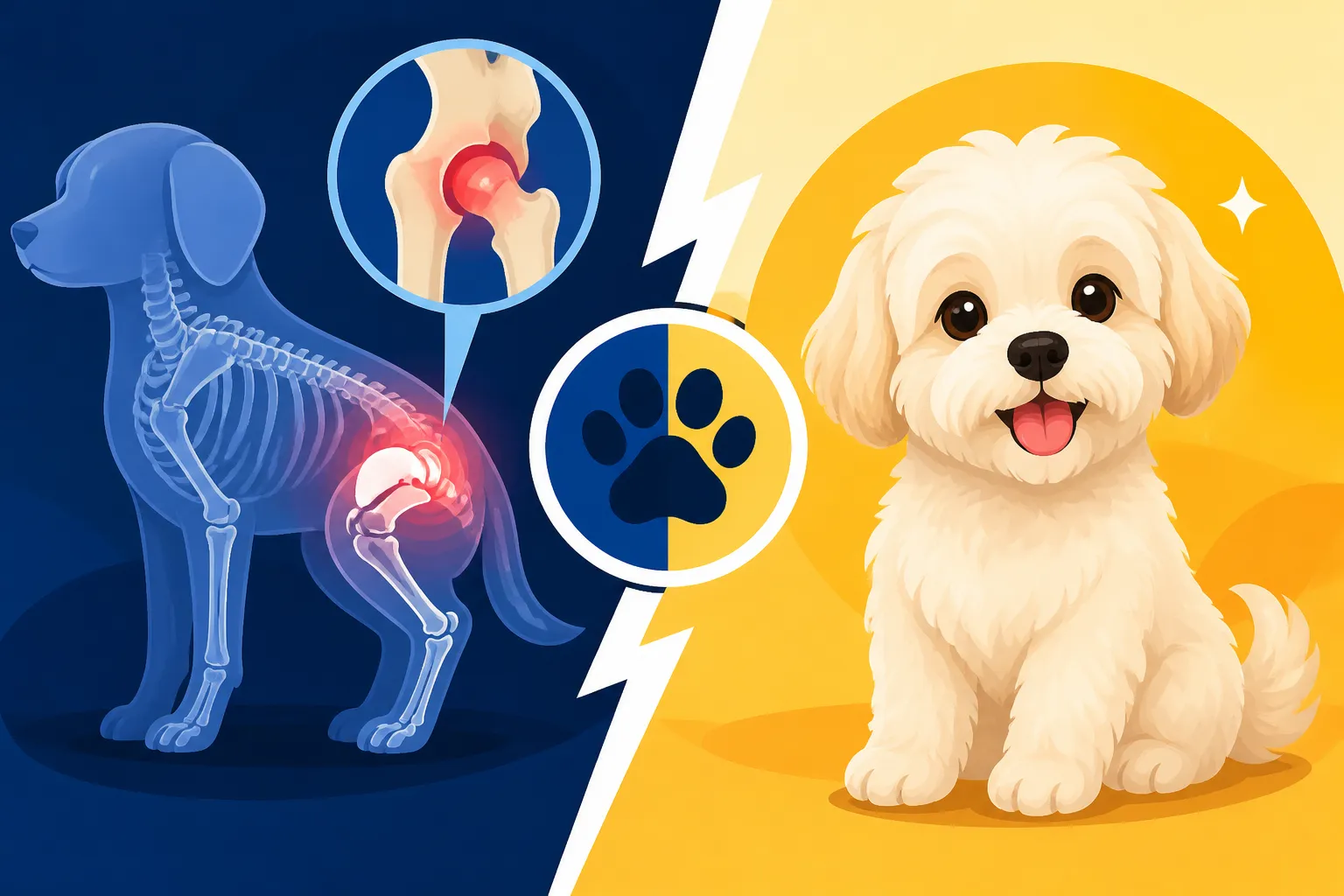
Imagine the ball-and-socket joint that connects your Maltipoo's hind leg to their hip. In a healthy dog, the ball (the femoral head) at the top of the thigh bone (femur) fits perfectly into the socket of the hip. With LCP, something goes awry with the blood supply to this femoral head. For reasons that aren't entirely clear, the blood flow becomes interrupted or completely stops, leading to a process called avascular necrosis. This basically means the bone tissue starts to die because it's not getting the nutrients and oxygen it needs.
As the bone dies, it weakens and eventually starts to crumble and collapse. This leads to deformation of the femoral head and damage to the cartilage in the hip joint, causing significant pain, inflammation, and ultimately, arthritis. It’s a progressive disease, meaning it tends to get worse over time if left untreated. For a tiny, active Maltipoo, this can be incredibly debilitating, turning their joyful trots into painful hobbles.
The Genetic Component and Breed Susceptibility
While the exact cause of the interrupted blood supply isn't fully understood, LCP is widely believed to have a strong inherited, genetic component. It's most commonly seen in small breed dogs, typically those under 25 pounds, which unfortunately includes our precious Maltipoos. Breeds like Miniature Poodles, West Highland White Terriers, Cairn Terriers, and Chihuahuas are known to be predisposed, and since the Maltipoo is a cross between a Maltese and a Poodle, they can inherit this predisposition from either side of their family tree.
This genetic link highlights the importance of responsible breeding practices. Reputable breeders will often screen their breeding stock for various inherited conditions, though LCP can be tricky to predict because it doesn't always show up in parent dogs themselves, only in their offspring. If you’re considering a Maltipoo puppy, asking about the health history of the parents, particularly concerning any orthopedic issues, is a critical step. It’s a heartbreaking reality that sometimes, despite all precautions, these conditions can emerge. For more information on preventing other joint issues, you might find our article on Whether a Maltipoo Gets Hip Dysplasia helpful.
Recognizing the Early Signs and Onset of LCP in Puppies
The phrase "early detection is key" rings especially true with Legg-Calve-Perthes disease. Catching the signs early can make a significant difference in your Maltipoo's treatment and long-term quality of life. Owners often wonder when they should start worrying, and if there's a specific window to look out for.
Typical Age of Onset for LCP
The good news is that for many conditions, the "before one year" mark is actually quite relevant for LCP. Most cases of Legg-Calve-Perthes are diagnosed in puppies between 5 to 8 months of age, though it can sometimes appear as early as 3 months or as late as 12 months. It's very rare for the disease to manifest in adult dogs. This means if your Maltipoo puppy is showing signs of lameness or discomfort in their hind leg during this crucial developmental period, LCP should definitely be on your vet's radar.
It usually affects one hind leg, but in about 10-15% of cases, both hips can be affected, sometimes at different times. The onset can be gradual, starting with a subtle limp that seems to come and go, or it can be more sudden, appearing after a strenuous play session or an awkward jump. Because the changes are happening within the bone itself, the external appearance of the leg might not look dramatically different at first, which can make diagnosis challenging without a vet's expertise.
What a Limping Maltipoo Might Indicate
A limp, especially in a small breed puppy, can be caused by many things, from a minor sprain to a more serious orthopedic issue like The Age a Maltipoo's Kneecap First Slips. However, the limp associated with LCP often has some distinct characteristics. You might notice your Maltipoo lifting the affected leg and refusing to put weight on it, or perhaps only touching their toes to the ground. The lameness often worsens with exercise and improves slightly with rest, though the pain is persistent.
Over time, if the condition progresses, you might start to see visible muscle wastage (atrophy) in the affected thigh, making that leg appear thinner than the healthy one. Your Maltipoo might become reluctant to play, jump, or even walk as much as they used to. They might struggle to get up after lying down, or cry out when you touch their hip area. It's important to differentiate these signs from other common puppy ailments, and to not assume it's just a growing pain. Any persistent limp warrants a trip to the vet.
Observing Subtle Behavioral Changes
Beyond the obvious limping, LCP can manifest through more subtle changes in your Maltipoo's behavior and personality. A puppy who was once eager to play and explore might become withdrawn or unusually quiet. They might start avoiding stairs, refusing to jump on or off furniture (even if they were allowed to before), or show hesitation when trying to run with other dogs. You might even notice them licking or chewing at the affected hip or leg, an attempt to self-soothe the discomfort.
Because Maltipoos are generally very affectionate and playful, a change in their usual demeanor can be a significant red flag. They might become irritable or snappy if you accidentally touch their painful hip, which is completely out of character for their sweet nature. Keep a close eye on their overall activity levels, how they sleep, and their willingness to engage in their favorite activities. Documenting these changes can be incredibly helpful for your veterinarian during the diagnostic process. Our guide on Whether a Limping Maltipoo Needs X Rays further emphasizes the importance of objective diagnostics.
Diagnosing LCP and What Comes Next
When you bring your limping Maltipoo to the vet, they'll embark on a systematic process to pinpoint the problem. It’s a journey that can feel anxious for you, but it’s essential to get a clear diagnosis to ensure the right treatment path.
The Veterinary Diagnostic Process
Your veterinarian will start with a thorough physical examination. They’ll observe your Maltipoo’s gait, check their range of motion in the hip joint, and gently palpate the area to identify pain, swelling, or muscle loss. They might try to elicit pain responses by manipulating the leg, which can be uncomfortable for your pup but provides crucial information. Often, they’ll notice a reduced range of motion and significant pain when rotating the hip joint.
If LCP is suspected, the definitive diagnostic tool is X-rays. Your vet will typically take X-rays of both hips, even if only one leg appears affected, to compare them and to check for early signs in the seemingly healthy hip. The X-rays will reveal characteristic changes in the femoral head, such as flattening, irregular bone density, or even fractures and crumbling. In some cases, your vet might recommend sedation for the X-rays to ensure your Maltipoo is still and relaxed, allowing for the best quality images.
Treatment Options and Prognosis
Once LCP is confirmed, your vet will discuss treatment options. For very mild, early cases, conservative management might be considered. This involves strict rest, pain medication, anti-inflammatory drugs, and sometimes physical therapy. However, this approach is often less successful for LCP as the disease tends to progress.
The most common and effective treatment for LCP, especially once the bone has started to collapse, is surgery. The procedure is called a Femoral Head Ostectomy (FHO). During an FHO, the surgeon removes the damaged femoral head and neck of the femur. This eliminates the painful bone-on-bone rubbing that occurs in the damaged joint. The body then forms a "false joint" (a fibrous tissue cushion) where the bone was removed, which is surprisingly functional and far less painful. While it sounds drastic, dogs typically recover very well and can lead active, pain-free lives after an FHO. This is quite different from procedures for Whether a Maltipoo's Kneecap Needs Operating, though both aim to restore mobility.
Financial Considerations and Planning
Facing a diagnosis like LCP can be emotionally taxing, and it often comes with a significant financial burden. The costs can quickly add up, from initial vet visits and X-rays to potential surgery, post-operative pain management, and several weeks or months of rehabilitation. An FHO surgery can range from a few hundred to a couple of thousand dollars, depending on your location, the specific vet, and the complexity of the case. Physical therapy sessions, which are crucial for a good recovery, also add to the expense.
This is where having pet insurance can be a literal lifesaesaver. Many pet parents find peace of mind knowing that a significant portion of these unexpected costs can be covered. Providers like Healthy Paws offer comprehensive plans that can help manage the financial strain of conditions like LCP. It's wise to look into pet insurance early in your Maltipoo's life, ideally before any conditions arise, as pre-existing conditions are typically not covered. Thinking ahead about Insuring a Maltipoo Before Its Knees Go can save you a lot of worry and ensure your pet gets the best care.
Here's a comparison of typical costs associated with orthopedic issues:
| Service/Procedure | Estimated Cost Range (USD) | Notes |
|---|---|---|
| Initial Vet Exam & Diagnostics | $100 – $400 | Includes consultation, palpation, and basic X-rays |
| Bilateral Hip X-rays (Sedated) | $300 – $800 | Often needed for clear diagnosis and to check both hips |
| Femoral Head Ostectomy (FHO) | $1,500 – $4,000 per hip | Surgical procedure for LCP, varies by region and vet |
| Patellar Luxation Surgery | $1,000 – $3,500 per knee | Cost for addressing Which Patella Grade Needs Surgery in a Maltipoo |
| Post-Op Pain Management | $50 – $200+ | Medications for pain and inflammation after surgery |
| Physical Rehabilitation (per session) | $50 – $150 | Crucial for recovery, multiple sessions often needed |
| Joint Supplements (monthly) | $20 – $60 | Long-term management of joint health |
Note: These are estimated ranges and can vary widely based on location, veterinary practice, and individual patient needs.
Living with a Maltipoo Diagnosed with LCP
A diagnosis of Legg-Calve-Perthes and subsequent surgery isn't the end of the road for your Maltipoo. In fact, for many dogs, it's the beginning of a much more comfortable, active life. Your role as a dedicated pet parent becomes even more crucial during the recovery and ongoing management phases.
Post-Surgery Care and Rehabilitation
The period immediately following FHO surgery is critical for your Maltipoo's recovery. Your vet will provide detailed instructions on pain management, which will likely include oral medications. Rest is paramount in the first few days to allow initial healing, but controlled, gentle exercise will quickly become important to prevent muscle atrophy and encourage the formation of that new "false joint." This means short, supervised leash walks, gradually increasing in duration as your pup heals.
Physical rehabilitation plays a massive role in a successful outcome. This can include exercises like passive range of motion, controlled walking on different surfaces, and eventually, more dynamic activities. Some vets may recommend hydrotherapy (underwater treadmill) which allows for low-impact exercise. Consistent, dedicated rehabilitation helps rebuild muscle strength, improves joint mobility, and ensures your Maltipoo regains as much function as possible. Many owners report that Whether a Maltipoo Recovers Fully From Knee Surgery often depends on their commitment to this crucial recovery period.
Preventing and Managing Future Joint Issues
Even after a successful FHO, ongoing joint health management is important for your Maltipoo. Keeping them at a healthy weight is paramount, as extra pounds put undue stress on all joints, including the recovering hip and any other joints that might be compensating. Regular, moderate exercise that avoids high-impact activities like excessive jumping or rough play can help maintain muscle strength without stressing the joint. You might want to consider ramps or pet stairs to help your Maltipoo access furniture, reducing the strain on their hips and knees – a similar consideration as for Whether a Maltipoo Should Use Steps to the Sofa.
Many veterinarians also recommend joint supplements containing ingredients like glucosamine, chondroitin, and MSM, which can help support cartilage health and reduce inflammation. While not a cure, they can be a beneficial part of a long-term strategy for overall joint wellness. Consistent, regular vet check-ups are also vital to monitor their progress, address any new concerns, and make adjustments to their care plan as they age.
The Importance of Early Intervention
Ultimately, the best outcomes for Maltipoos with Legg-Calve-Perthes disease are often seen when the condition is identified and treated early. Waiting too long can lead to more severe joint damage, greater pain, and a more challenging recovery. If you observe any limping, pain, or behavioral changes in your young Maltipoo, especially within that 3 to 12-month window, don't hesitate to contact your veterinarian immediately. It might be nothing, or it might be something that, with prompt action, can be effectively managed.
While a diagnosis of LCP can be scary, remember that modern veterinary medicine offers excellent solutions. With a dedicated owner, good veterinary care, and possibly the support of pet insurance like Healthy Paws, your Maltipoo can still look forward to a full and happy life, enjoying all the cuddles and playtime they deserve for The Twelve to Fifteen Years a Maltipoo Lives.
Disclaimer
Please remember that this article is for informational purposes only and is not a substitute for professional veterinary advice. Always consult with a qualified veterinarian for any health concerns or before making any decisions about your Maltipoo's care and treatment.