Whether a Limping Maltipoo Needs X Rays
Finding your beloved Maltipoo suddenly limping can send a wave of panic through any pet parent. You watch their little hop, their reluctance to put weight on a paw, and your mind races through all the worst-case scenarios. Is it just a stumble, or something more serious? Deciding whether that persistent limp warrants an immediate trip to the vet and potentially X-rays is a common, stressful dilemma, and this guide is here to walk you through the signs, the reasons, and when diagnostic imaging becomes crucial.
Understanding the Causes of a Limping Maltipoo
A limp in a Maltipoo can be caused by a surprising variety of things, from something as trivial as a tiny burr stuck in a paw pad to serious orthopedic conditions that require immediate attention. Because Maltipoos are small dogs, they are particularly susceptible to certain issues that larger breeds might not face in the same way.
Minor Injuries and Everyday Mishaps
Sometimes, a limp is just a temporary setback from a minor injury. Your Maltipoo, with their playful and sometimes clumsy nature, can easily encounter these.
- Paw Pad Problems: Imagine stepping on a sharp pebble, a tiny piece of glass, or even a thorn during a walk. Your Maltipoo's delicate paw pads can easily get cut, bruised, or have something embedded in them. Ingrown nails, or nails that are simply too long and causing discomfort, can also lead to a noticeable limp. Sometimes, even a reaction to a chemical on the sidewalk or hot pavement can cause irritation. Before you leap to conclusions, always take a close look at their paws, checking between the pads and toes for any visible foreign objects, redness, or swelling.
- Muscle Strains and Sprains: Just like us, dogs can pull a muscle or twist a joint. A sudden burst of zoomies, a misstep while playing fetch, or an awkward landing after jumping off furniture can result in a muscle strain or a mild sprain. These tend to present as a sudden limp that might improve with rest but doesn't necessarily disappear completely right away. You might notice they favor a leg slightly, or are less enthusiastic about their usual activities. Often, these types of injuries will show improvement within 24 to 48 hours of rest, but if the pain is severe or doesn't resolve, it's a different story.
- Minor Falls and Bumps: Maltipoos are small, and unfortunately, this makes them prone to injuries from falls, even seemingly minor ones. A tumble off a low couch or a missed step down a stair can cause a temporary lameness. Whether a Maltipoo Can Be Injured by a Fall is a question many owners ponder, and the answer is often yes, their delicate frames need protection. They might yelp, then seemingly recover, only to limp a few hours later as swelling sets in.
Common Orthopedic Conditions
Beyond the everyday bumps and scrapes, Maltipoos are predisposed to several orthopedic conditions that often manifest as limping. These usually require veterinary diagnosis and intervention.
- Patellar Luxation: This is perhaps one of the most common orthopedic issues in small breeds like Maltipoos. It's often referred to as a "slipping kneecap." The patella (kneecap) normally sits in a groove at the end of the femur (thigh bone). In patellar luxation, the kneecap slips out of this groove, either to the inside (medial) or outside (lateral) of the leg. This can happen intermittently or become a permanent issue. You'll often see a characteristic "skip" in their step or a sudden moment where they hold one leg up for a few steps before putting it back down as if nothing happened. The severity is graded from 1 to 4, with higher grades causing more consistent lameness and pain. Slipping Kneecaps in a Maltipoo are a serious concern, and understanding The Four Patella Grades and Where a Maltipoo Lands can help you grasp the potential impact on your dog.
- Legg-Calve-Perthes Disease: This is another condition commonly seen in smaller breeds. It's a disease of the hip joint where the blood supply to the head of the femur is interrupted, leading to the bone dying and degenerating. This causes pain, muscle atrophy, and lameness, usually in one hind leg. It typically affects puppies or young adult dogs, generally between 6 to 12 months of age, though it can appear a bit later. If your young Maltipoo starts showing signs of hind leg lameness, especially if it seems to be getting worse, Legg Calve Perthes in a Maltipoo should definitely be on your vet's radar.
- Hip Dysplasia (less common but possible): While more prevalent in larger breeds, hip dysplasia can occasionally affect smaller dogs. It's a malformation of the hip joint where the ball and socket don't fit together properly, leading to instability, pain, and eventually arthritis. If a Maltipoo develops Whether a Maltipoo Gets Hip Dysplasia, it's usually due to a genetic predisposition. The limping associated with hip dysplasia tends to be a gradual onset and can worsen with activity or age.
Other Potential Health Concerns
Sometimes, a limp isn't just about bones and joints. Other health issues can present with lameness as a symptom.
- Arthritis: As Maltipoos age, they can develop osteoarthritis, especially if they have underlying conditions like patellar luxation or previous injuries. You might notice they are stiffer after resting, struggle more with stairs, or are simply less active. The limp might be more pronounced in colder weather or after a long walk. While X-rays won't prevent arthritis, they are crucial for diagnosing it and assessing the extent of joint damage.
- Disc Issues or Spinal Problems: Though less common than limb-specific problems, issues in the spine, such as intervertebral disc disease (IVDD), can sometimes manifest as lameness or weakness in the limbs, particularly the hind legs. This is because nerve compression in the spinal cord can affect nerve function to the legs. A limp accompanied by weakness, reluctance to move, or an arched back warrants immediate veterinary attention.
- Bone Fractures: A more obvious cause of sudden, severe lameness is a broken bone. Because Whether a Maltipoo's Bones Are Thinner Than Normal is a valid concern with smaller breeds, particularly if they are tiny, a significant fall or impact can easily lead to a fracture. If your Maltipoo is suddenly non-weight bearing on a limb, in severe pain, or the limb appears at an odd angle, a fracture is a strong possibility.
When to Seek Veterinary Attention and Consider X-rays
Deciding when a limp crosses the line from a "wait and see" situation to an "act now" scenario can be tough. However, certain signs should always prompt a call to your veterinarian.
Immediate Concerns: Sudden Non-Weight Bearing, Severe Pain, Swelling
If your Maltipoo exhibits any of these symptoms, do not wait; contact your vet immediately.
- Complete Inability to Bear Weight: If your Maltipoo cannot put any weight at all on a limb, or if they are holding it up constantly, something serious is likely going on. This could indicate a fracture, a severe sprain, or a dislocated joint.
- Severe, Unrelenting Pain: Dogs are masters at hiding pain, so if your Maltipoo is vocalizing, panting excessively, or visibly trembling when the affected limb is touched, it's a red flag. Pain that doesn't subside after a few hours of rest is a clear indicator that professional help is needed.
- Visible Swelling or Deformity: Any noticeable swelling, bruising, or an unnatural angle to the limb suggests a more severe injury, such as a fracture or severe soft tissue damage.
- Sudden Onset with No Improvement: If the limp appeared suddenly after an incident (like a fall) and shows no signs of improvement within a few hours, or worsens, it's time for a vet visit.
Persistent or Worsening Lameness
Even if the initial limp doesn't seem dire, persistence or a decline in their condition over time warrants investigation.
- Limping for More Than 24-48 Hours: If your Maltipoo is still limping after a day or two of rest, even if it's mild, it's worth getting checked out. What might seem like a minor strain could be an underlying orthopedic issue that needs to be addressed before it becomes chronic.
- Intermittent Limping: This is often characteristic of conditions like patellar luxation, where the kneecap slips in and out of place. Your dog might be fine one moment, then skip or limp the next. While it might not seem as urgent as constant lameness, intermittent limping indicates an ongoing structural problem that typically won't resolve on its own and can lead to arthritis down the line.
- Progressive Lameness: If the limp seems to be getting worse over days or weeks, or if your dog is becoming increasingly reluctant to exercise or play, this is a clear sign that something is amiss. Conditions like Legg-Calve-Perthes disease or the progression of arthritis often manifest this way.
The Role of X-rays in Diagnosis
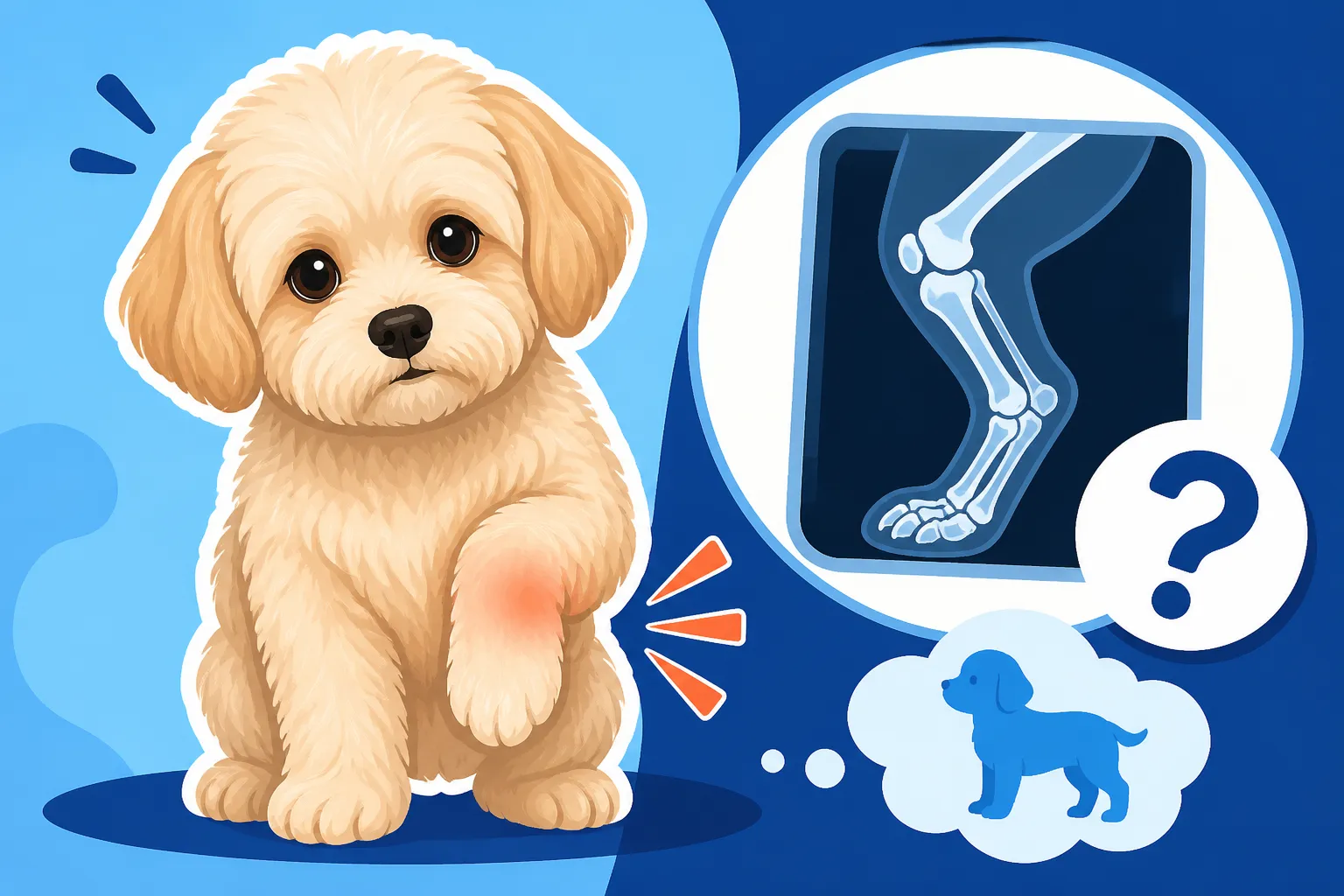
X-rays are an invaluable diagnostic tool when your Maltipoo is limping. They provide a clear image of the bones and joints, allowing your vet to identify problems that can't be seen or felt externally.
- Detecting Fractures and Dislocations: This is perhaps the most straightforward use of X-rays. They can confirm a broken bone, determine its location and severity, and identify if a joint has been dislocated.
- Diagnosing Orthopedic Conditions: X-rays are crucial for diagnosing conditions like patellar luxation (though palpation is also key), Legg-Calve-Perthes disease, and hip dysplasia. They help visualize the alignment of bones, the integrity of joint spaces, and any degenerative changes.
- Assessing Joint Health and Arthritis: For older Maltipoos or those with chronic limping, X-rays can reveal signs of arthritis, such as joint space narrowing, bone spurs (osteophytes), and changes in bone density. This helps the vet understand the extent of the disease and guide treatment plans.
- Ruling Out Other Issues: Sometimes, X-rays are necessary to rule out a bone tumor, infection, or other systemic diseases that might be causing pain and lameness.
Your vet will usually perform a thorough physical examination first, including palpating the limbs and joints, observing your Maltipoo's gait, and checking their range of motion. If this examination raises suspicions of a bone or joint issue, X-rays will often be the next logical step to get a definitive diagnosis.
The X-ray Process for a Small Dog Like a Maltipoo
For a tiny creature like a Maltipoo, the X-ray process is usually quite similar to that for larger dogs, but with some specific considerations regarding their size and temperament.
Preparation and Sedation
Getting clear, diagnostic X-rays requires the patient to be perfectly still, often in specific positions. For many small dogs, especially those in pain or who are naturally anxious, this necessitates sedation.
- Why Sedation is Often Necessary: Imagine trying to hold a squirming, possibly painful, 6-pound Maltipoo absolutely still for multiple X-ray views. It's incredibly difficult, and movement blurs the image, rendering it diagnostically useless. Sedation ensures your dog is relaxed and comfortable, allowing the veterinary team to position them correctly without causing additional stress or pain. This means higher quality images with fewer repeat attempts.
- Safety Protocols: Before any sedation, your vet will typically recommend pre-anesthetic bloodwork. This ensures your Maltipoo's organs are functioning well enough to safely metabolize the sedative. Given that Whether a Maltipoo Under Four Pounds Survives Anesthesia is a concern for many owners, vets take extra precautions with tiny dogs. They will choose the safest and lowest effective dose of sedative, and your dog will be closely monitored throughout the procedure, including heart rate, respiration, and oxygen saturation.
- The Procedure Itself: Once sedated, your Maltipoo will be carefully positioned on the X-ray table. Multiple views (e.g., front-to-back and side-to-side) of the affected limb, and sometimes the corresponding limb for comparison, will be taken. This usually only takes a few minutes for the actual imaging once they are properly positioned.
What the Vet Looks For
When reviewing the X-ray images, your veterinarian will be meticulously examining several key areas, looking for specific indicators of injury or disease.
- Bone Integrity: They will scrutinize the bones for any breaks, hairline fractures, or signs of remodeling. For example, in cases of suspected Legg Calve Perthes in a Maltipoo, they'll look for changes in the head of the femur. For fractures, they'll assess the type of fracture (e.g., simple, comminuted) and whether the bone ends are aligned.
- Joint Spaces and Alignment: The health of the joints is paramount. The vet will assess the width of the joint spaces, looking for narrowing that could indicate cartilage loss (as seen in arthritis) or widening that might suggest ligamentous injury or instability. They will also check for proper alignment of the bones within the joint. For Slipping Kneecaps in a Maltipoo, X-rays can show abnormalities in the trochlear groove where the kneecap sits, even if the kneecap is in place at the time of the X-ray.
- Soft Tissue Swelling and Calcification: While X-rays primarily image bone, they can sometimes reveal changes in the surrounding soft tissues, such as swelling or the presence of calcifications, which can indicate chronic inflammation or old injuries.
- Signs of Degenerative Disease: In older dogs, or those with chronic joint issues, X-rays can show osteophytes (bone spurs), which are hallmarks of osteoarthritis. They can also reveal changes in bone density that might suggest conditions like osteopenia or bone cancer, though further diagnostics might be needed for a definitive cancer diagnosis.
Interpreting Results and Next Steps
Once the X-rays are taken, your vet will carefully interpret them, sometimes consulting with a veterinary radiologist for a second opinion, especially for complex cases.
- Clear Diagnosis: If a fracture, clear luxation, or significant arthritic changes are visible, the diagnosis is often straightforward. The vet will explain the findings and discuss the implications for your Maltipoo.
- Ambiguous Findings: Sometimes, X-rays might show subtle changes, or they might not fully explain the lameness. This could happen with very early-stage conditions, purely soft tissue injuries (like severe sprains that don't involve bone), or neurological issues. In these cases, your vet might recommend additional diagnostics.
- Further Diagnostics: Depending on the X-ray findings, further tests might be suggested. This could include a CT scan or MRI for more detailed soft tissue or spinal imaging, ultrasound to look at tendons or ligaments, or even joint fluid analysis. These advanced imaging techniques can sometimes provide answers that X-rays alone cannot.
- Developing a Treatment Plan: Based on the diagnosis, your vet will outline a treatment plan. This could range from rest and pain medication for minor sprains to surgical intervention for fractures, severe patellar luxation (What a Surgeon Does to a Maltipoo's Kneecap can be quite involved), or Legg-Calve-Perthes disease. For conditions like arthritis, the plan will focus on pain management, joint support, and lifestyle adjustments.
Managing a Maltipoo's Limp Before and After Diagnosis
Dealing with a limping Maltipoo involves both immediate supportive care and a long-term strategy for their comfort and health.
At-Home Care and Observation
Before and even after a vet visit, your role in your Maltipoo's care is crucial.
- Rest, Rest, Rest: The most important thing you can do for a limping dog is restrict their activity. Prevent jumping, running, and going up or down stairs. This might mean crate rest for a few days, keeping them on a leash for potty breaks, or using a playpen to limit their movement. Remember that even Whether a Maltipoo Should Use Steps to the Sofa can impact their joints, so consider ramp alternatives if they insist on being on furniture.
- Warmth and Comfort: Ensure your Maltipoo has a warm, comfortable place to rest, away from drafts. A soft bed can provide cushioning for aching joints. Gentle warmth (like a warm, damp towel or a pet-safe heating pad on a low setting for short periods, never unsupervised) can sometimes soothe sore muscles, but always check with your vet first to ensure it won't exacerbate any inflammation.
- Monitor for Changes: Keep a close eye on your Maltipoo's condition. Is the limp improving, worsening, or staying the same? Are they eating and drinking normally? Are there any new symptoms developing? Keep a log if it helps you remember details for your vet.
- Pain Management (Under Vet Guidance): Never give human pain medication to your dog unless specifically instructed by your vet, as many are toxic. If your dog is in pain, your vet can prescribe appropriate canine-specific pain relief and anti-inflammatory medications.
Long-Term Management and Prevention
Depending on the diagnosis, long-term care for a limping Maltipoo might involve a combination of approaches.
- Weight Management: Keeping your Maltipoo at a healthy weight is paramount, especially for joint health. Excess weight puts additional strain on joints, worsening conditions like patellar luxation or arthritis. Talk to your vet about the ideal weight for your Maltipoo and a suitable diet plan.
- Appropriate Exercise: While rest is important during an acute injury, regular, controlled exercise is crucial for maintaining muscle strength and joint flexibility. This usually means short, gentle walks on a leash, avoiding high-impact activities, jumping, or rough play.
- Joint Supplements: Many vets recommend joint supplements containing ingredients like glucosamine, chondroitin, and MSM, especially for Maltipoos prone to orthopedic issues or those with early signs of arthritis. These can help support cartilage health and reduce inflammation.
- Physical Therapy/Rehabilitation: For some conditions, particularly after surgery or for chronic arthritis, veterinary physical therapy can be incredibly beneficial. This might include hydrotherapy, therapeutic exercises, and massage to strengthen muscles, improve range of motion, and reduce pain. Whether a Maltipoo Recovers Fully From Knee Surgery often depends on diligent post-operative care and rehabilitation.
- Environmental Modifications: Make your home more pet-friendly. Provide ramps or steps for access to furniture and beds, use non-slip rugs on slick floors, and ensure their food and water bowls are easily accessible without strain.
Financial Considerations and Pet Insurance
It’s no secret that veterinary care, especially diagnostics like X-rays and potential treatments like surgery (What Patella Surgery Costs on a Six Pound Maltipoo can be substantial), can be expensive.
- Budgeting for Care: Being prepared for unexpected vet bills is part of responsible pet ownership. Setting aside an emergency fund specifically for your pet's health can provide peace of mind.
- Pet Insurance: This is where pet insurance can be a lifesaver. Companies like Healthy Paws offer coverage for accidents and illnesses, which can significantly offset the cost of diagnostics, medications, and surgeries for conditions causing lameness. It's always best to get pet insurance early, ideally when your Maltipoo is a puppy, because pre-existing conditions are typically not covered. Insuring a Maltipoo Before Its Knees Go is a smart move, as many orthopedic conditions have a genetic component and can appear early in life. Having a good policy with Healthy Paws or another reputable provider means you can focus on getting your Maltipoo the best possible care without added financial stress during an already worrying time. Be sure to understand what different plans cover, including deductibles and reimbursement rates.
Disclaimer
The information provided in this article is intended for general informational and educational purposes only, and is not a substitute for professional veterinary advice, diagnosis, or treatment. Always seek the advice of your veterinarian or other qualified animal health provider with any questions you may have regarding a medical condition or the health and welfare of your pet.