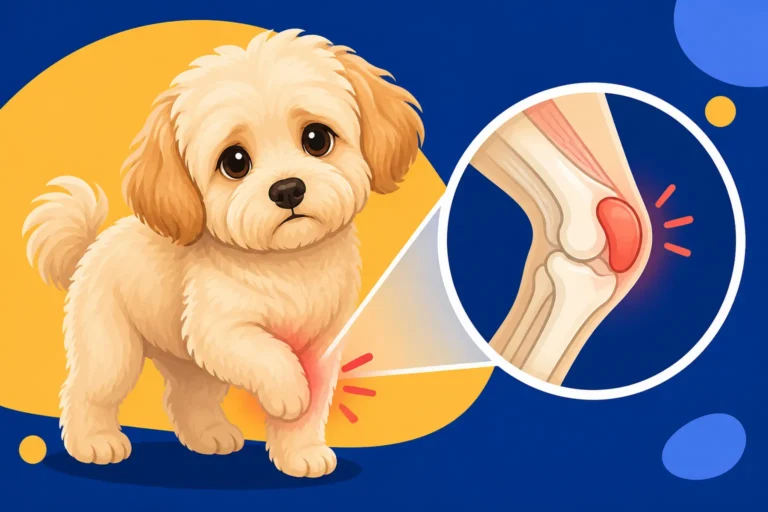
Whether a Maltipoo Gets Hip Dysplasia
It’s a natural relief for many Maltipoo parents that their pint-sized companions often seem to dodge the bullet of certain large-breed health issues, like the infamous hip dysplasia. We tend to associate such significant joint problems with much bigger dogs, don't we? But the reality is, even our beloved little Maltipoos aren't entirely immune to this condition. It's crucial for every owner to understand what hip dysplasia is, how it manifests, and what steps can be taken, even if it's less common in their small, fluffy friends.
Understanding Hip Dysplasia in Dogs
Hip dysplasia is one of those veterinary terms that can send a shiver down any dog owner's spine. It conjures images of large, struggling dogs, and thankfully, it’s not something we typically fret over with our smaller breeds. However, understanding the fundamentals of this condition is vital because, while rare in Maltipoos, knowing the signs can make all the difference should it ever arise.
What is Hip Dysplasia?
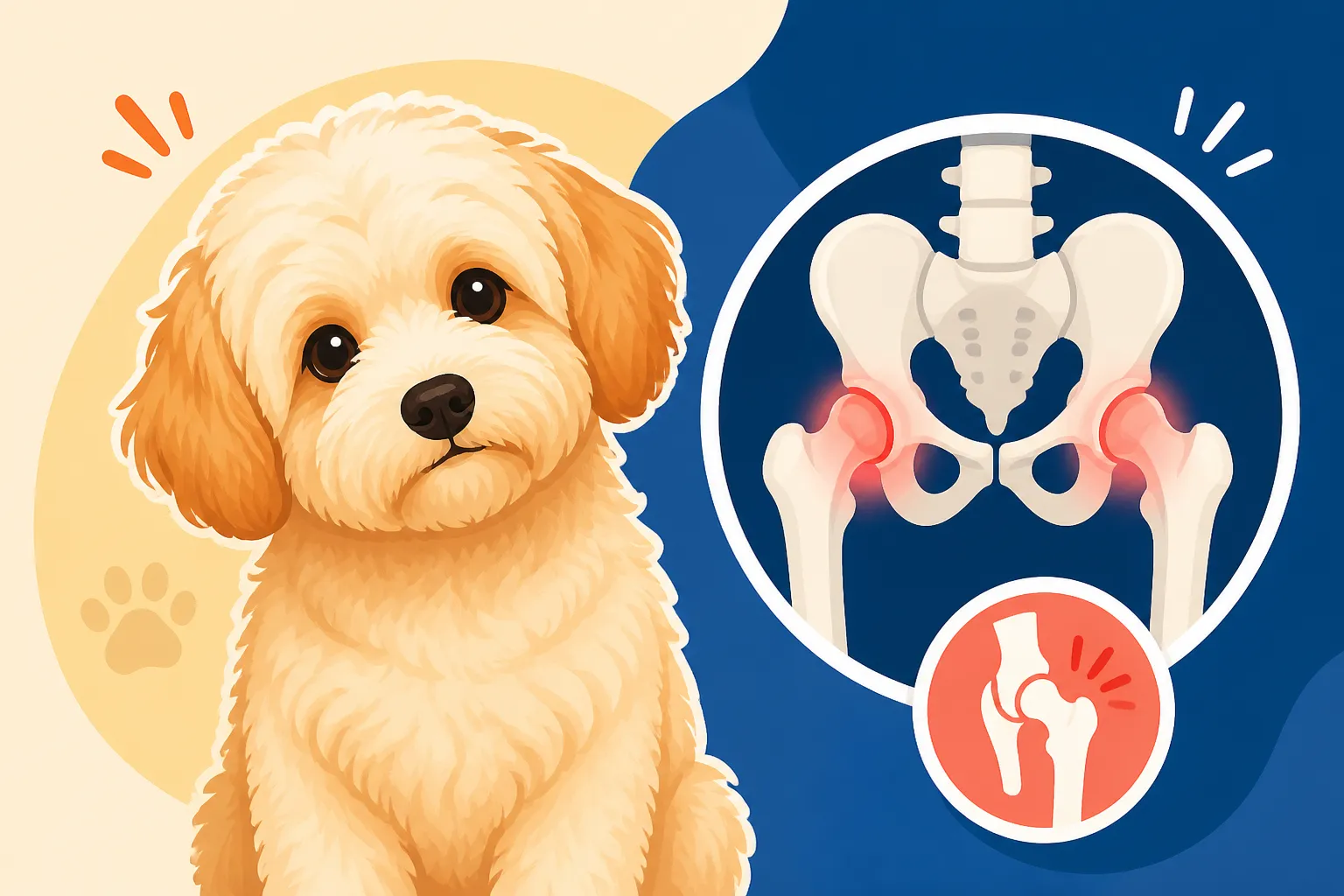
At its core, hip dysplasia is a malformation of the hip joint. Think of the hip as a ball-and-socket joint, where the "ball" (the head of the femur, or thigh bone) fits snugly into the "socket" (the acetabulum in the pelvis). In a healthy dog, these fit together perfectly, allowing for smooth, pain-free movement. With hip dysplasia, this isn't the case. The ball and socket might not grow at equal rates, or the ligaments supporting the joint can be loose, leading to a shallow socket or a flattened femoral head.
When this happens, the ball and socket don't fit together properly. Instead of gliding smoothly, they rub and grind, causing wear and tear on the cartilage, inflammation, and pain. Over time, this leads to degenerative joint disease, or osteoarthritis, which can severely impact a dog's mobility and quality of life. It’s a progressive condition, meaning it tends to worsen over time if not managed. While we might picture this severe grinding in a large dog, the mechanics are the same even in a tiny Maltipoo, just with less sheer gravitational force exacerbating the issue.
Breeds Most Commonly Affected
When we talk about hip dysplasia, our minds almost automatically jump to breeds like German Shepherds, Labradors, Golden Retrievers, Rottweilers, and other large to giant breeds. And for good reason – these breeds are statistically far more prone to the condition. Their rapid growth rates, heavier body weights, and specific genetic predispositions contribute significantly to the prevalence of hip dysplasia within their populations.
However, it's a common misconception that only large breeds are affected. While the incidence is dramatically lower in smaller dogs, it's not zero. Breeds such as French Bulldogs, Pugs, and even some smaller terriers can, on occasion, develop hip dysplasia. This nuance is crucial when considering a Maltipoo. Your adorable, fluffy companion is certainly at a much lower risk than a Saint Bernard, but it's not an impossible scenario. Understanding this distinction can help owners remain vigilant without falling into undue panic.
Genetic and Environmental Factors
The primary culprit behind hip dysplasia is genetics. It's a polygenic trait, meaning multiple genes are involved, making its inheritance pattern complex. If a Maltipoo's parents or grandparents carried the genes for hip dysplasia, even if they didn't show severe symptoms themselves, there's a possibility those genes could be passed down. This is why responsible breeders of any breed, even those generally considered low-risk for hip dysplasia, should ideally screen their breeding stock. While a purebred Maltese parent, for example, might be less commonly screened for this specific condition, ensuring the Poodle parent has a clear bill of health from a reputable organization like the Orthopedic Foundation for Animals (OFA) or through PennHIP evaluations can be a good indicator.
Beyond genetics, environmental factors can certainly play a role in exacerbating or even contributing to the development and severity of hip dysplasia in a genetically predisposed dog. Rapid growth, often fueled by overfeeding high-calorie diets in puppyhood, can put undue stress on developing joints. Excessive or inappropriate exercise, especially high-impact activities like jumping from furniture or running excessively on hard surfaces when joints are still forming, can also contribute. Maintaining a healthy weight throughout your Maltipoo's life is paramount, as extra pounds put more strain on all joints, including the hips, potentially accelerating the progression of arthritis in a dysplastic joint. This is a critical point for any Maltipoo owner, as it’s something entirely within our control.
Maltipoos and Hip Dysplasia: The Reality
Now, let's get down to brass tacks about our sweet Maltipoos. The good news is that they are generally not considered a high-risk breed for hip dysplasia. This doesn't mean it's impossible, but it helps put things into perspective.
The Role of Parent Breeds Maltese and Poodle
To understand a Maltipoo's health predispositions, we always look to their parent breeds: the Maltese and the Poodle.
The Maltese is a toy breed renowned for its longevity and generally robust health. When it comes to hip dysplasia, the Maltese is rarely, if ever, listed among the breeds of concern. Their light frame and smaller stature naturally place less stress on their joints, making severe hip malformation less impactful and less common. So, from the Maltese side, the genetic contribution to hip dysplasia risk is typically very low.
On the other hand, Poodles come in various sizes – Toy, Miniature, and Standard. While Standard Poodles, being a larger breed, can be affected by hip dysplasia, it's still not as prevalent as in some other giant breeds. Toy and Miniature Poodles, which are the sizes typically bred with Maltese to create Maltipoos, have an even lower incidence of hip dysplasia. This is again largely due to their smaller size and lighter weight. However, it's important to note that even a Toy Poodle isn't entirely immune, and responsible Poodle breeders will still often perform OFA or PennHIP clearances on their breeding stock to rule out any potential issues. Therefore, the Maltipoo benefits greatly from the generally good hip health of both its parent breeds. It's why hip dysplasia usually isn't among the top concerns for Maltipoo owners, unlike conditions such as Slipping Kneecaps in a Maltipoo or Collapsing Trachea in a Maltipoo's Neck, which are more commonly seen.
Why Small Dogs Are Less Susceptible But Not Immune
The simple truth is that size matters when it comes to joint stress. A smaller dog, like a Maltipoo, carries significantly less weight on its joints compared to a large breed dog. This reduced mechanical load means that even if there's a mild malformation in the hip joint, it may not manifest into painful, debilitating symptoms as readily or as severely as it would in a much heavier dog. The forces acting on the joint are simply much lower. Imagine the difference in stress on a bridge supporting a scooter versus a semi-truck – it's a similar principle.
This is excellent news for Maltipoo owners because it means their furry friends are inherently less susceptible to the painful symptoms and advanced arthritis associated with severe hip dysplasia. However, this doesn't mean they are entirely immune. A dog, regardless of size, that has significant genetic predisposition combined with adverse environmental factors could still develop clinical signs. While hip dysplasia might not be a common reason for your Maltipoo to need extensive medical intervention, it’s still wise to monitor for any changes in gait or activity levels. Knowing this helps us stay realistic; we can breathe a sigh of relief that the risk is low, but we should never become complacent about any potential health issue.
Recognizing the Signs in a Maltipoo
Because hip dysplasia is less common and symptoms can be subtle in small dogs, recognizing the signs in your Maltipoo might require a keen eye. Small dogs are often masters at masking pain, and early signs can be easily dismissed as just "being tired" or "a bit lazy."
Here are some subtle cues to watch out for:
- Changes in Gait: You might notice a slight "bunny hopping" when your Maltipoo runs, meaning they use both hind legs simultaneously. Or perhaps a more generalized stiffness or awkwardness in their hind legs, especially after rest or waking up. They might seem hesitant to put full weight on one leg occasionally.
- Reluctance to Move: Does your Maltipoo suddenly seem less enthusiastic about their favorite activities? Are they avoiding jumping onto the sofa, climbing stairs, or playing fetch like they used to? A Maltipoo typically loves to be active and engaged, so a noticeable decrease in their willingness to jump or run could be a red flag. This can sometimes be confused with other joint issues, like those addressed in The Age a Maltipoo's Kneecap First Slips, so careful observation is key.
- Stiffness or Limping: This is often most noticeable after periods of rest. Your Maltipoo might get up slowly, appearing stiff, and then "warm up" out of it. A subtle limp, especially in one hind leg, can come and go.
- Pain or Sensitivity: If you gently touch or try to manipulate their hip area, they might flinch, vocalize, or show signs of discomfort. They might also react negatively to being petted along their back or hindquarters.
- Loss of Muscle Mass: Over time, if a dog is reluctant to use their affected leg, the muscles in that leg can start to atrophy, appearing thinner than the other. This can be harder to spot under a Maltipoo's fluffy coat, but a professional groomer or your vet might notice it.
- Lethargy or Behavioral Changes: Sometimes, chronic pain can lead to changes in temperament. A dog in pain might become more withdrawn, irritable, or even snap when approached, especially if they anticipate being touched in a sensitive area.
If you observe any of these signs, it's always best to consult your veterinarian promptly. Early detection, even for a less common condition, can lead to better management and improved quality of life for your Maltipoo.
Diagnosis, Treatment, and Prevention for Your Maltipoo
While we sincerely hope your Maltipoo never experiences hip dysplasia, being prepared and informed about how to tackle it if it arises is part of being a responsible pet parent. From getting an accurate diagnosis to exploring treatment avenues and, most importantly, focusing on prevention, there are actionable steps you can take.
Diagnosing Hip Dysplasia
If you or your vet suspect hip dysplasia based on your Maltipoo's symptoms, the diagnostic process usually begins with a thorough physical examination. Your veterinarian will carefully manipulate your Maltipoo's hips and legs, checking for pain, reduced range of motion, and any signs of looseness in the joint. They'll also observe your dog's gait and posture.
The definitive diagnosis of hip dysplasia, however, almost always requires X-rays. For these X-rays, your Maltipoo will likely need to be sedated or anesthetized. This isn't just to keep them still; it allows the veterinary team to position their legs correctly, ensuring accurate images of the hip joints. Without proper positioning, it can be very difficult to assess the joint's true condition, especially in a squirmy or anxious small dog. The X-rays will show the conformation of the hip joint, the depth of the socket, the shape of the femoral head, and any signs of existing arthritis. In some cases, specialized views or even referral to a veterinary orthopedic specialist for more advanced imaging like CT scans might be recommended, though this is less common for mild cases in small breeds.
Treatment Options for an Affected Maltipoo
If your Maltipoo is diagnosed with hip dysplasia, the good news is that there are various treatment options, ranging from conservative management to surgical intervention. The best approach will depend on the severity of the condition, your dog's age, overall health, and how much pain they are experiencing.
Conservative Management: This is often the first line of defense, especially for mild to moderate cases, or if surgery isn't an option.
- Pain Management: Your vet might prescribe anti-inflammatory medications (NSAIDs) to reduce pain and inflammation, or other pain relievers.
- Joint Supplements: Glucosamine, chondroitin, and Omega-3 fatty acids can help support joint health and slow cartilage degradation. Brands like Dasuquin and Cosequin are commonly recommended.
- Weight Management: Maintaining an ideal body weight is crucial. Even a pound or two extra on a Maltipoo can significantly increase stress on already compromised joints. Your vet can help you create a Feeding a Six Pound Maltipoo by the Ounce, Not the Scoop plan.
- Controlled Exercise: Regular, low-impact exercise, such as short, leashed walks or swimming, can help strengthen muscles around the joint without excessive strain. Avoid high-impact activities, jumping, or long periods of strenuous play.
- Physical Therapy: This can include therapeutic exercises, hydrotherapy (underwater treadmill), massage, and other modalities to improve muscle strength, flexibility, and comfort.
- Environmental Modifications: Providing ramps or steps for access to furniture, elevated food and water bowls, and comfortable, orthopedic bedding can significantly improve your Maltipoo's daily comfort.
Surgical Options: For more severe cases, or when conservative management isn't providing sufficient relief, surgery might be considered.
- Femoral Head Ostectomy (FHO): This procedure involves removing the "ball" portion of the femur. The body then forms a "false joint" of scar tissue, which, while not a perfect anatomical joint, allows for pain-free movement. FHO is often a good option for smaller dogs like Maltipoos, as their lighter body weight allows the false joint to function quite well.
- Triple Pelvic Osteotomy (TPO) / Juvenile Pubic Symphysiodesis (JPS): These are complex procedures performed primarily on younger dogs with mild to moderate dysplasia, aiming to improve the fit of the ball and socket. They are less commonly performed on very small breeds.
- Total Hip Replacement (THR): This involves replacing the diseased joint with artificial implants. While highly effective, it is a very specialized and expensive procedure, typically reserved for larger breeds. It's rarely performed on dogs as small as Maltipoos, although miniature implants are becoming more available.
The financial implications of diagnosis and treatment, especially for potential surgery, can be significant. This is where a robust pet insurance plan can truly be a lifesaver. Providers like Healthy Paws can offer peace of mind, helping to cover a substantial portion of the veterinary bills for unexpected conditions like hip dysplasia, allowing you to focus on your Maltipoo's recovery without added financial stress.
Proactive Steps for Hip Health
Even though Maltipoos are less prone to hip dysplasia, being proactive about their joint health is always a smart move. Prevention and early care can make a world of difference.
Responsible Breeding Practices: If you're acquiring a Maltipoo puppy, always choose a reputable breeder who prioritizes the health of their breeding stock. While it's less common for Miniature or Toy Poodle parents to have OFA/PennHIP certifications compared to Standard Poodles, a good breeder will still be transparent about the health history of their parent dogs and any known orthopedic issues in their lines. Ask about the hip health of both the Maltese and Poodle parents, and if possible, inquire about their parents too. For more insight into responsible breeding, you might find valuable information in The Four Certificates a Maltipoo Breeder Should Show.
Maintain a Healthy Weight: This cannot be stressed enough. Obesity is a silent killer for joints. For a small dog like a Maltipoo, even a few extra ounces can mean disproportionate stress on their delicate skeletal structure. Work with your vet to determine your Maltipoo's ideal weight and stick to a precise feeding schedule, weighing out their food rather than guessing with scoops. This also helps with preventing other conditions like Hypoglycemia and the Teacup Maltipoo Puppy.
Appropriate Exercise: While regular exercise is vital for muscle development and joint lubrication, it needs to be appropriate for a Maltipoo's size and age.
- Puppies: Avoid high-impact activities like excessive jumping or forced long runs, especially on hard surfaces, while their joints are still developing. Short, supervised play sessions are ideal.
- Adults: Stick to moderate, consistent exercise such as daily walks. Consider canine sports that are gentle on joints, like scent work or basic obedience. Be mindful of their enthusiasm and stop before they overdo it. Whether a Maltipoo's Knees Allow Agility also applies to hip health, emphasizing low-impact activities.
Good Nutrition: Feed a high-quality small breed dog food appropriate for their life stage. Some owners also choose to add joint supplements preventatively, especially as their Maltipoo ages. Discuss this with your vet to ensure you're providing the right balance.
Regular Veterinary Check-ups: Routine vet visits are crucial for monitoring your Maltipoo's overall health, including their joint condition. Your vet can catch subtle signs of joint discomfort early and recommend interventions before problems become severe. They can also advise on appropriate exercise, diet, and preventative supplements tailored to your individual dog. A comprehensive wellness exam, perhaps like those detailed in The Yearly Checks a Maltipoo Should Get, often includes a physical assessment of their joints.
Supportive Environment: Provide a safe home environment. Use dog ramps or steps for beds and sofas to prevent high-impact jumps, which can jar joints. Keep nails trimmed so they have good traction and don't slip on hard floors. Consider non-slip mats on slick surfaces to help them maintain stability.
By being diligent in these areas, you significantly bolster your Maltipoo’s chances of living a long, comfortable, and pain-free life, minimizing the already low risk of hip dysplasia becoming a painful reality.
Symptom Comparison Table: Early vs. Advanced Hip Dysplasia in Maltipoos
Understanding the progression of hip dysplasia symptoms can help you identify issues early and seek veterinary care. While a Maltipoo's symptoms might be less dramatic than a larger dog's, the pattern of worsening is similar.
| Symptom Category | Early Stages (Subtle Signs) | Advanced Stages (More Obvious Signs) |
|---|---|---|
| Mobility | – Slight reluctance to jump | – Difficulty rising from rest |
| – Intermittent stiffness | – Noticeable limping in hind legs | |
| – Occasional "bunny hopping" | – Severe lameness or inability to bear weight | |
| – Less enthusiasm for long walks | – Significantly reduced activity levels | |
| Pain & Comfort | – Mild discomfort when hips are handled | – Constant pain, even at rest |
| – Stiffness after waking/rest | – Whining or crying when moving | |
| – Less playful | – Aggression when touched in hip area | |
| – Reluctance to climb stairs | – Obvious guarding of hip region | |
| Physical Appearance | – No visible changes, or very subtle muscle loss | – Visible muscle atrophy in hindquarters |
| – Normal weight | – Compensatory muscle development in front legs | |
| – Changes in posture (e.g., hunched back) | ||
| Behavioral | – Quieter than usual | – Loss of appetite (due to pain) |
| – Less interactive with family | – Depression or increased irritability | |
| – Avoids certain movements | – Reluctance to be groomed or petted |
When it comes to the overall health of your Maltipoo, the good news about hip dysplasia is that it's statistically much less common in small breeds like ours. Thanks to their lighter body weight and the generally sound genetics of their Maltese and Poodle parents, Maltipoos aren't usually burdened by this particular joint issue. However, "less common" doesn't mean "impossible," and being aware of the subtle signs and proactive in their care remains crucial. Responsible breeding, maintaining an ideal weight, providing appropriate exercise, and regular vet check-ups are your best tools for ensuring your Maltipoo's long-term joint health. Always remember that early detection and intervention for any health concern, including rare ones like hip dysplasia, can significantly improve your beloved companion's quality of life.
Disclaimer
The information provided in this article is for general informational purposes only and is not a substitute for professional veterinary advice. Always consult with a qualified veterinarian for any health concerns or before making any decisions related to your Maltipoo's care and treatment.