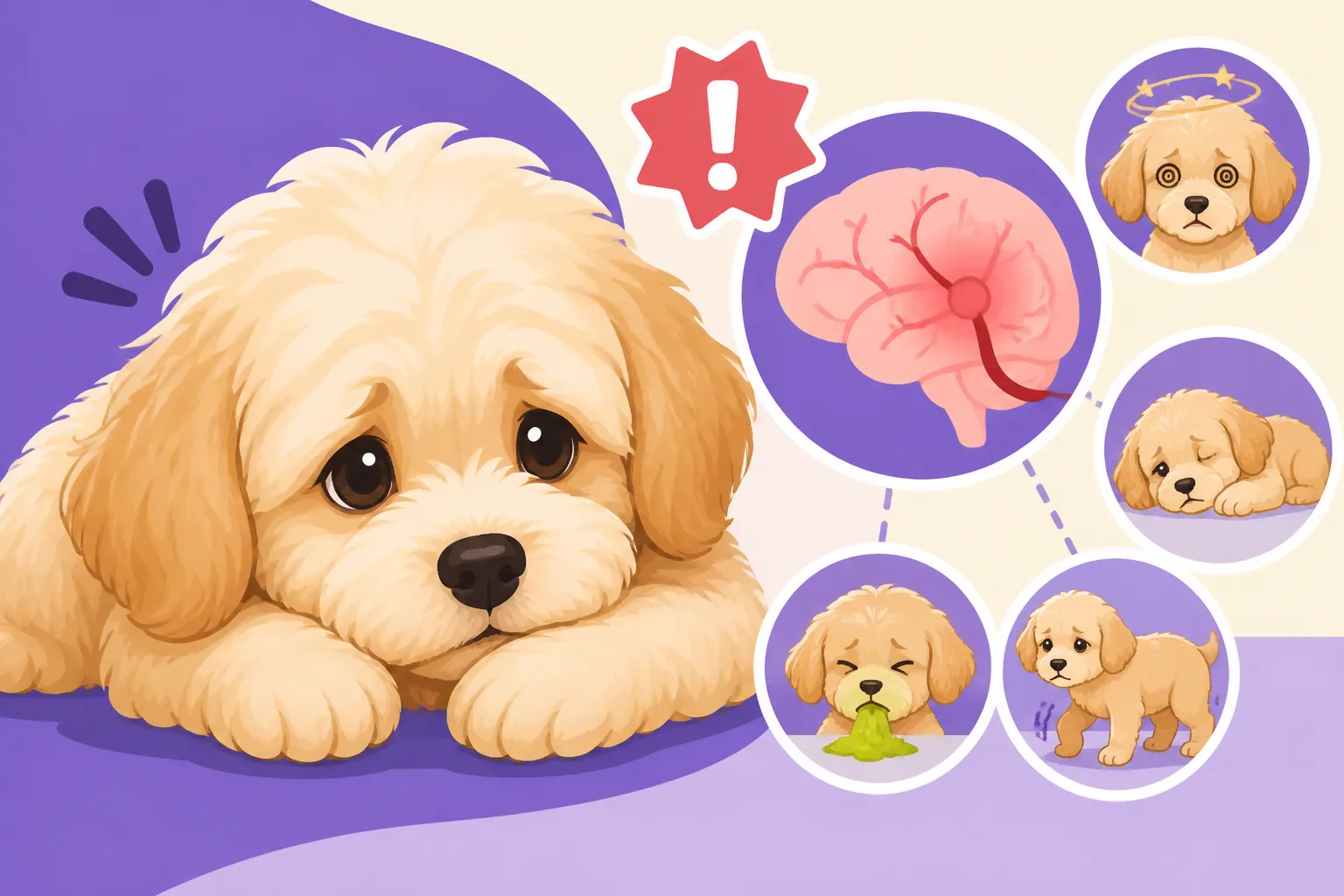
The Signs a Maltipoo Puppy Has a Shunt
It's incredibly distressing when your sweet Maltipoo puppy isn't thriving as they should be, and the vague, often confusing symptoms they present can make you feel completely helpless. Many owners struggle to pinpoint exactly what's wrong, especially with conditions like a liver shunt that aren't immediately obvious. This guide is here to walk you through the subtle, yet critical, signs that might indicate your Maltipoo puppy has a liver shunt, helping you understand what to look for and what steps to take next.
Understanding What a Liver Shunt Means for Your Maltipoo Puppy
Finding out your beloved Maltipoo puppy might have a liver shunt can be absolutely heartbreaking and overwhelming. It's a serious condition that can impact their entire system, and the sheer complexity of it can leave any owner feeling lost. Essentially, a liver shunt, or portosystemic shunt (PSS), means that blood isn't flowing through your puppy's liver as it should. Instead, it bypasses the liver, going directly into the main circulation.
The liver is a vital organ, working tirelessly to filter toxins from the blood, process nutrients, and produce essential proteins. When blood bypasses the liver, these toxins—particularly ammonia, a byproduct of protein digestion—build up in the bloodstream. This toxic buildup can then affect various organs, most notably the brain, leading to a range of neurological symptoms. It also means the liver doesn't get the nutrient-rich blood it needs to grow properly, often leading to a smaller, underdeveloped liver. It’s a truly challenging condition to face, but understanding it is the first step toward helping your puppy.
The Basics of Portal Systemic Shunts
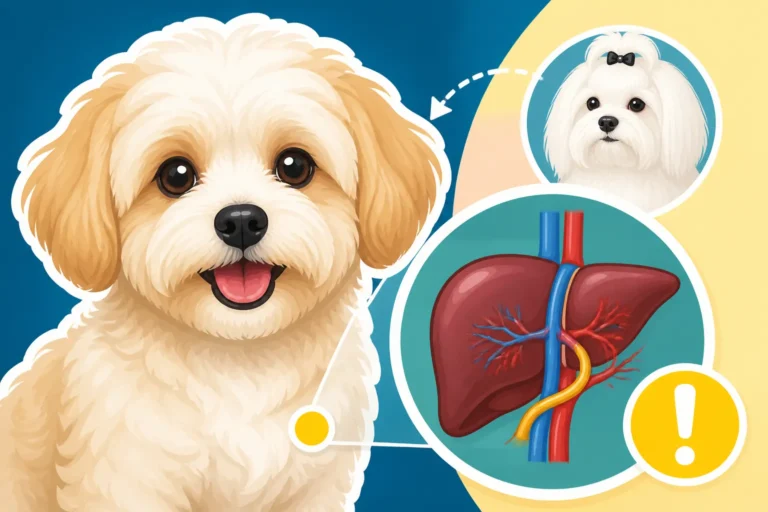
Let's break down what's happening inside your Maltipoo. Normally, blood from the stomach, intestines, pancreas, and spleen is collected by the portal vein and routed through the liver. The liver then acts like a super-filter and processing plant before the blood returns to the heart. With a portosystemic shunt, there's an abnormal vessel that diverts this blood directly from the portal vein into the vena cava (the main vein returning blood to the heart), completely bypassing the liver.
There are two main types of shunts: extrahepatic and intrahepatic. Extrahepatic shunts, which are outside the liver, are more common in small breeds like Maltipoos and are often congenital, meaning the puppy is born with them. Intrahepatic shunts, located within the liver itself, tend to be more prevalent in larger breeds. For your Maltipoo, an extrahepatic shunt is the more likely culprit if they develop this condition. These shunts can be tricky because while they are present from birth, the symptoms might not become apparent until the puppy is several weeks or even months old, once they start eating solid food and their developing system is more challenged.
Why Maltipoos Are Susceptible to Liver Shunts
It's a tough truth that some breeds carry a higher genetic predisposition for certain health issues, and unfortunately, liver shunts are one of them for the Maltipoo. This susceptibility primarily stems from the Maltese side of their lineage. The Maltese breed is known to have a higher incidence of congenital portosystemic shunts. So, when you bring a Maltipoo into your life, you're also bringing in the possibility of inheriting some of these genetic predispositions.
While responsible breeders strive to screen their breeding dogs for such conditions, a liver shunt can still appear, sometimes unexpectedly. It highlights why understanding a puppy's lineage and asking your breeder about health testing is so crucial. A good breeder should be transparent about genetic health concerns. You might be interested in learning about what a Maltipoo health guarantee should say, as this often includes provisions for congenital conditions. While the Poodle half of the Maltipoo generally contributes to a robust health profile, the Maltese influence means that owners need to be particularly vigilant for conditions like shunts. It's a difficult reality, but awareness empowers you to be your puppy's best advocate.
Recognizing the Subtle Early Signs of a Liver Shunt in Maltipoos
The frustrating thing about liver shunts is that the signs often aren't a flashing red light. They can be subtle, intermittent, and sometimes easily mistaken for other common puppy ailments. This makes it incredibly hard for even the most attentive owner to catch them early. You might just feel like your puppy isn't quite "right" or is lagging behind their littermates or other puppies their age. It's crucial to trust your gut feeling, because those small observations can be key indicators that something more serious is at play. It's not always a sudden crisis, but rather a slow, insidious progression of symptoms.
Neurological Symptoms to Watch For
When toxins, particularly ammonia, build up in the bloodstream because the liver isn't filtering them, they can cross the blood-brain barrier and start affecting your puppy's brain. This leads to a set of neurological symptoms, often referred to as hepatic encephalopathy. These can be some of the most alarming and confusing signs for an owner.
You might notice your Maltipoo puppy seems disoriented or confused, bumping into things, or just staring blankly into space. They might seem lethargic, sleeping more than usual, or appearing very dull and unresponsive. Sometimes, the opposite can occur, and they might become restless or exhibit pacing behavior, especially after meals when ammonia levels are higher. In more severe cases, you could witness head pressing, where they compulsively press their head against a wall or furniture. Tremors, incoordination, or even full-blown seizures are also possible, which can be absolutely terrifying to witness. It's important to differentiate these from other puppy behaviors; for instance, while all puppies are sleepy, excessive lethargy that seems out of character is a red flag. These symptoms often worsen after eating, especially a high-protein meal, because that's when the liver would normally be working hardest to process nutrients and toxins.
Gastrointestinal and Urinary Clues
Beyond the brain, the gastrointestinal system and urinary tract can also show signs of a liver shunt. These symptoms are often the ones that lead owners to their vet first, as they can be quite noticeable, even if their cause isn't immediately clear. Your Maltipoo puppy might experience chronic or intermittent vomiting or diarrhea, which can be incredibly frustrating to manage. They might also exhibit a persistent lack of appetite or be incredibly picky eaters, struggling to gain weight. This can often lead to them being notably smaller than their expected adult size.
Another common sign relates to their thirst and urination. Puppies with shunts often drink excessive amounts of water and urinate more frequently. This is because their kidneys are trying to flush out the excess toxins. While not immediately visible, the increased toxin levels can also predispose them to forming bladder stones, particularly ammonium urate stones. If you notice straining to urinate, frequent small urinations, or blood in their urine, these could be signs of a urinary tract infection or bladder stones, which can be secondary to a shunt. It's a complex web of symptoms, all pointing back to that dysfunctional liver.
Growth and Developmental Indicators
One of the most telling, albeit sometimes subtle, signs of a liver shunt in a growing Maltipoo puppy is a general failure to thrive. While all puppies have different growth rates, a shunt puppy will consistently lag behind. They might be noticeably smaller than their littermates or other puppies of the same age and breed expectation. This isn't just about being a "teacup" Maltipoo; this is about being significantly undersized, underweight, and often having a general lack of muscle development.
They often have a poor hair coat that might be dull, sparse, or even flaky, lacking the vibrant, soft texture you'd expect from a healthy Maltipoo. Despite eating, they struggle to gain weight, and sometimes even lose it. This is because their liver isn't properly processing nutrients, and their body isn't absorbing what it needs to grow and develop. You might observe a general look of weakness or frailty, and they simply don't have the robust energy levels of a typical, playful puppy. If you've ever had a puppy that just seems "runty" and never quite catches up, especially if they have any of the neurological or GI signs, it’s a serious red flag that warrants investigation for a liver shunt. Remember, sometimes a small size can be a sign of deeper health issues, not just a smaller "type" of dog, and it's essential to understand that what breeding smaller costs a Maltipoo.
Here’s a quick overview of some common signs:
| Symptom Category | Early/Subtle Signs | More Advanced/Severe Signs |
|---|---|---|
| Neurological | Lethargy, dullness, mild disorientation, increased sleep | Head pressing, tremors, seizures, circling, blindness, coma after eating |
| Gastrointestinal | Intermittent vomiting/diarrhea, picky eating, poor appetite | Chronic vomiting/diarrhea, significant weight loss, ascites (fluid in abdomen) |
| Growth/Development | Smaller than littermates, failure to gain weight, dull coat | Stunted growth, poor muscle tone, overall weakness, fragile appearance |
| Urinary | Increased thirst, frequent urination | Bladder stones (ammonium urate), straining to urinate, bloody urine |
| General | "Off" feeling, not quite thriving | Jaundice (rare), severe pain, significant behavioral changes |
What to Do If You Suspect Your Maltipoo Has a Shunt
If you're reading this and recognizing some of these troubling signs in your Maltipoo puppy, the most important thing is not to panic, but to act swiftly and decisively. Early diagnosis and intervention can make a world of difference in the outcome for a puppy with a liver shunt. Don't second-guess yourself if you have a nagging feeling; it's always better to be safe than sorry, especially with such a serious condition.
Immediate Veterinary Consultation and Diagnostics
The very first step is to schedule an immediate appointment with your veterinarian. Be prepared to discuss all the symptoms you’ve observed, even the seemingly minor ones, and provide a detailed history of your puppy's eating habits, energy levels, and any unusual behaviors. Your vet will perform a thorough physical examination, but blood tests are usually the cornerstone of initial diagnosis.
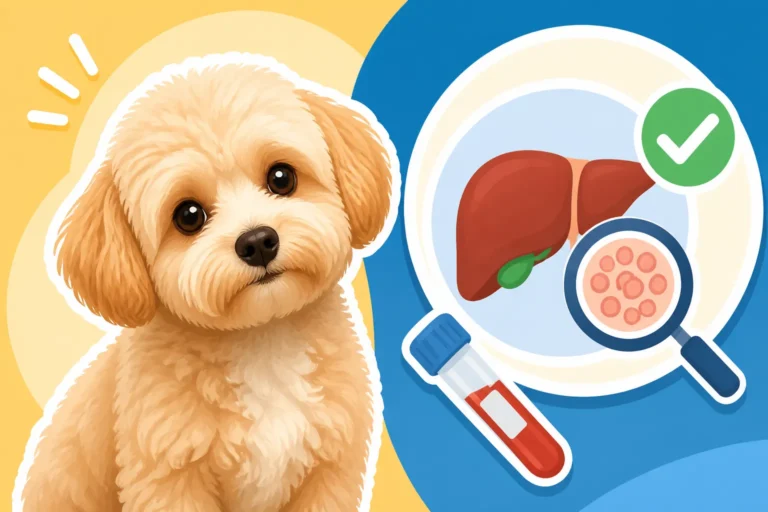
One of the most important tests is a bile acid test. This involves taking a blood sample after a 12-hour fast, feeding a small meal, and then taking another blood sample two hours later. High post-meal bile acid levels are a strong indicator of a liver shunt. This test specifically looks at how well the liver processes bile acids, and if they're still high after a meal, it means the liver isn't doing its job. You can learn more about The Liver Shunt Test a Maltipoo Puppy Should Have to understand the process. Other blood tests might show elevated liver enzymes, low blood urea nitrogen (BUN), or low albumin. Imaging, such as an ultrasound, is then often used to visually confirm the presence and location of the shunt, which is crucial for determining treatment options. In some cases, more advanced imaging like a CT scan might be recommended to get a precise anatomical map of the shunt.
Managing Symptoms While Awaiting Diagnosis
While you're waiting for definitive diagnostic results or preparing for potential treatment, your vet will likely recommend ways to manage your puppy's symptoms and make them more comfortable. A critical component of this is dietary modification. Since protein digestion creates ammonia, a low-protein diet is often prescribed to reduce the toxic load on their system. This typically means special prescription diets formulated for liver disease. It’s not just about what they eat, but how often; smaller, more frequent meals can also help manage blood sugar and ammonia spikes, a bit like how we manage puppies at risk of hypoglycemia. If you have a tiny puppy, you might already be feeding them on a precise schedule, which can be helpful.
Your vet might also prescribe medications, such as lactulose, which helps reduce ammonia absorption in the gut and encourages its excretion. Antibiotics might also be given to decrease the ammonia-producing bacteria in the intestines. These medical management strategies are designed to stabilize your puppy and improve their quality of life in the short term, giving you time to explore definitive treatment options. It’s a challenging time, but following your vet’s advice meticulously can make a significant difference.
Living with a Maltipoo Diagnosed with a Liver Shunt
Receiving a diagnosis of a liver shunt can feel devastating, but it’s important to remember that it’s not an automatic death sentence. Many Maltipoos with liver shunts can lead happy, fulfilling lives with proper care and management. The path forward depends heavily on the type of shunt, its severity, and your puppy's overall health. This is where a partnership with your veterinary team becomes absolutely paramount.
Medical vs. Surgical Management Options
Once a liver shunt is definitively diagnosed and located, your vet will discuss the two main management approaches: medical management or surgical correction. Medical management, as briefly mentioned, involves a specialized low-protein diet and medications like lactulose and antibiotics. This approach is often chosen for shunts that are too complex to operate on, if surgery is deemed too risky for the individual puppy, or if owners cannot pursue surgical options due to cost or other factors. While medical management can significantly improve symptoms and quality of life for some dogs, it rarely provides a complete cure and typically requires lifelong adherence to the diet and medication regimen.
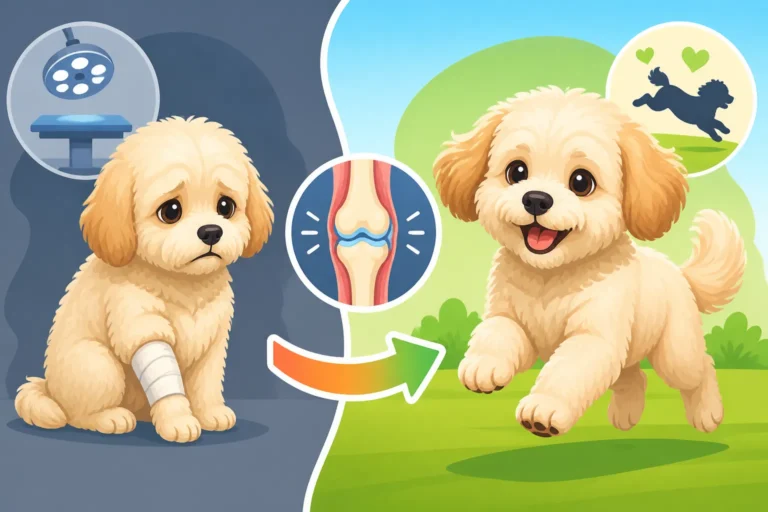
Surgical correction is often considered the preferred treatment for many types of congenital extrahepatic shunts. The goal of surgery is to either completely close off the abnormal vessel or to gradually constrict it over time, forcing blood to flow through the liver as it should. Techniques vary, from direct ligation (tying off the vessel) to using an ameroid constrictor or cellophane banding, which slowly closes the shunt. The success rate for surgery can be quite good, especially for extrahepatic shunts, but it is a complex procedure with potential risks and a significant recovery period. Exploring whether a shunt surgery works on a Maltipoo is a crucial conversation to have with a veterinary surgeon, as the specifics of your puppy's shunt will guide the recommendation. These procedures require specialized expertise, often at a referral center, which can add to the financial strain of treatment.
Long-Term Care and Prognosis
Regardless of whether your Maltipoo undergoes surgery or is managed medically, long-term care is absolutely essential. For surgically corrected shunts, recovery involves careful monitoring, pain management, and often continued dietary adjustments for a period. Post-operative complications can occur, so diligent observation is key. Regular follow-up bile acid tests and blood work will be necessary to ensure the liver is functioning correctly and the shunt has effectively closed or reduced blood flow.
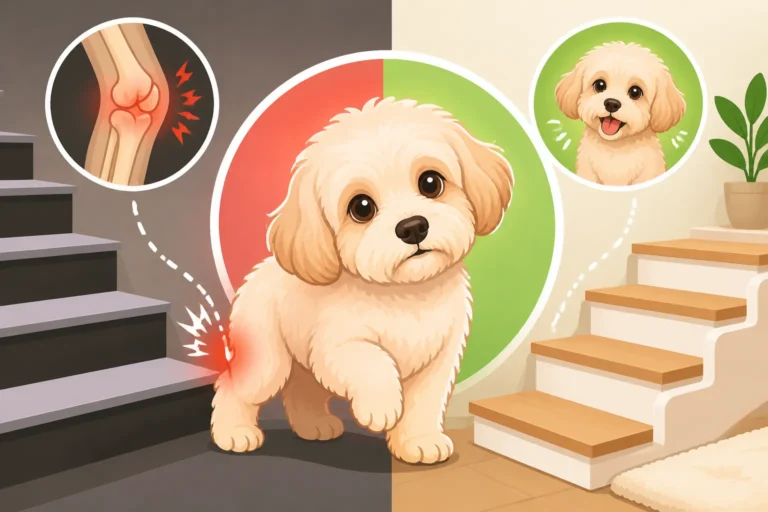
For both medically and surgically managed Maltipoos, ongoing dietary management is crucial. This means consistently feeding the prescribed low-protein diet. This is not a diet you can improvise; it’s carefully formulated to minimize ammonia production while still providing essential nutrients. For very particular eaters, this can be a challenge, but adherence is key to preventing symptom recurrence. Additionally, regular veterinary check-ups are vital to monitor liver function, kidney health, and overall well-being. Knowing whether a Maltipoo with a shunt lives normally often depends on the success of treatment and the owner's commitment to long-term care. While the journey can be demanding, with dedicated care, many Maltipoos with liver shunts can go on to live full, happy lives. This kind of extensive veterinary care, especially specialized surgery, can be very costly, making What an Emergency Sugar Crash Costs a Maltipoo Owner seem minor by comparison. It's why many owners consider pet insurance like Healthy Paws, which can significantly alleviate the financial burden of such critical conditions if a policy is in place before diagnosis. Thinking about Insuring a Maltipoo Before Its Knees Go is often a good parallel for ensuring you're prepared for unexpected health issues.
Disclaimer
The information provided in this article is for educational purposes only and is not intended to be a substitute for professional veterinary advice, diagnosis, or treatment. Always seek the advice of your veterinarian or other qualified health provider with any questions you may have regarding a medical condition. Never disregard professional veterinary advice or delay in seeking it because of something you have read in this article.