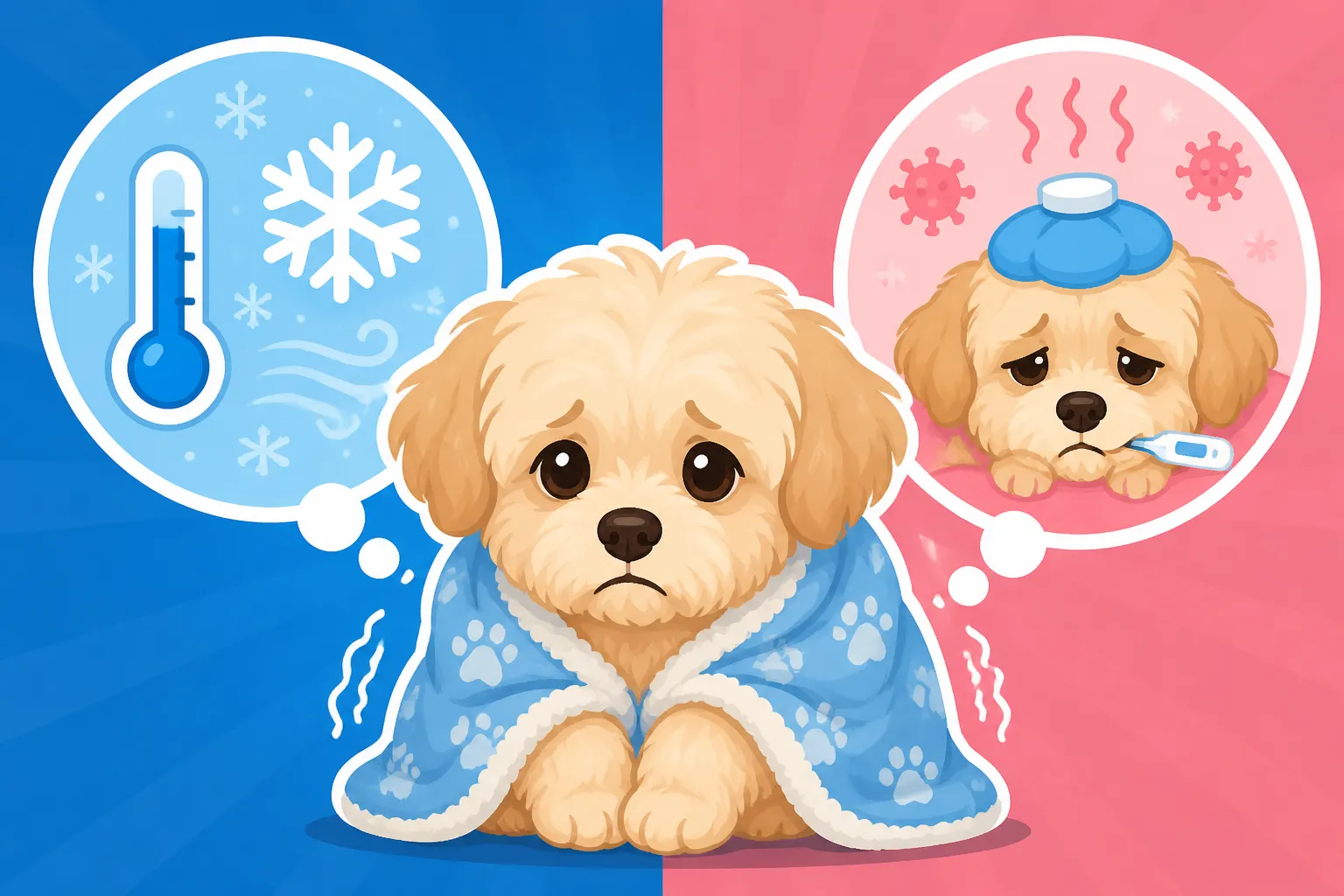
Whether a Trembling Maltipoo Is Cold or Sick
It’s a moment that can send any Maltipoo parent’s heart racing: you look over at your beloved furry companion, and they’re trembling. Immediately, a wave of questions hits you. Are they simply cold? Have they been out in a draft? Or, in a far more worrying scenario, are they sick? This common dilemma is incredibly stressful, especially with a small breed like the Maltipoo, where subtle signs can sometimes point to serious issues. This comprehensive guide is here to help you navigate those anxious moments, understand the nuances of why your Maltipoo might be trembling, and equip you with the knowledge to differentiate between a simple shiver and a potential health concern, ensuring you know exactly when to act.
Understanding Why Your Maltipoo Might Tremble
Maltipoos, with their delicate stature and often vibrant personalities, can be quite expressive, and trembling is one of those behaviors that can mean a multitude of things. It's not always a red flag, but understanding the usual suspects behind a shiver can bring a lot of peace of mind.
The Maltipoo's Unique Physiology and Sensitivity to Cold
Let's be real, Maltipoos aren't built for Arctic expeditions. Their small size means they have a much higher surface-area-to-volume ratio compared to larger dogs. This scientific fact translates to one simple truth: they lose body heat much, much faster. Imagine yourself, bundled up in layers, still feeling a chill when a larger person next to you is perfectly comfortable. That's often your Maltipoo's reality.
Their fine, often single-layered coat, a beautiful blend inherited from the Maltese and Poodle, while wonderful for those with allergies because it's low-shedding, doesn't offer the thick insulation a double-coated breed would. This means that even what you perceive as a mild chill in your home or on a quick walk can feel intensely cold to them. It's not uncommon for a Maltipoo to start shivering when the indoor temperature drops below 70°F (21°C), especially if they're lounging on a tiled floor or near a drafty window. This isn't just a comfort thing; prolonged exposure to even mild cold can lower their core body temperature, putting them at risk. To learn more about this, you might find our guide on Whether a Maltipoo Gets Cold Easily helpful.
Common Environmental Factors Causing Shivering
Beyond just the ambient temperature, several everyday environmental factors can trigger your Maltipoo to shiver. It’s not always about outright freezing conditions; sometimes, it’s about unexpected shifts or subtle stressors.
Think about the sudden temperature drop when you open the front door in winter, or the blast of air conditioning on a hot day. These quick changes can be jarring for a small dog. Even a slight draft from a window or an uninsulated wall can feel like a biting wind to their tiny bodies. Then there’s the emotional element. A trip to a new, noisy environment like a busy pet store, or even the dreaded vet’s office, can induce stress and anxiety-related trembling. They might also shiver during a thunderstorm, or if there are loud fireworks outside, even if they're otherwise safe indoors. Your Maltipoo might even tremble if they’ve just had a bath and aren’t completely dry, as the evaporation causes rapid cooling. Ensuring they are thoroughly dried, ideally with a towel followed by a low-heat hairdryer, can make a huge difference in their comfort after grooming.
Behavioral Tremors and Excitement Shakes
It's not all doom and gloom or chilly drafts! Sometimes, your Maltipoo's trembling is simply an outpouring of emotion, much like how humans might get "butterflies" in their stomach or shake when incredibly happy or scared.
Maltipoos are known for their lively and affectionate personalities, and they can get truly over-the-top excited. When you walk through the door after being away, or when they anticipate a walk or a favorite treat, their whole body might start to wiggle and shake with pure joy. This kind of trembling is usually accompanied by other tell-tale signs: a wagging tail, a bouncy gait, eager eyes, and perhaps a few happy barks or yips. It’s a completely normal, adorable expression of their exuberance. Conversely, fear or anxiety can also manifest as trembling. A new person in the house, a strange object, or even a stern tone of voice can make a sensitive Maltipoo quiver. In these instances, they might also tuck their tail, try to hide, or show other signs of nervousness. Learning to read their body language in context is key to understanding whether it’s happy jitters or something more concerning.
When Trembling Signals a Health Concern
While sometimes a tremble is just a tremble, there are critical times when it's a symptom of an underlying health issue. For Maltipoo owners, being vigilant and knowing what to look for can make all the difference, particularly with conditions common to small breeds.
Hypoglycemia in Small Maltipoos
This is perhaps one of the most serious and common reasons for trembling in small Maltipoo puppies, especially those under a year old or particularly tiny, often labeled "teacup." Hypoglycemia, or low blood sugar, occurs when the body's glucose levels drop too dramatically. Given their fast metabolisms and small fat reserves, young or small Maltipoos struggle to regulate their blood sugar, particularly if they miss a meal or overexert themselves.
The trembling associated with hypoglycemia isn't just a casual shiver; it often progresses to weakness, disorientation, a drunken gait, and eventually, lethargy and collapse if not addressed promptly. It can truly be life-threatening. If your Maltipoo puppy is shaking and appears weak, disoriented, or just "off," especially if it's been a while since their last meal, this should be your immediate concern. You can find more in-depth information on Hypoglycemia and the Teacup Maltipoo Puppy and What a Hypoglycemic Episode Looks Like in a Maltipoo, which details the critical signs to watch for. Keeping a close eye on their feeding schedule and ensuring they never skip meals is paramount, as detailed in Why a Two Pound Maltipoo Cannot Skip a Meal.
Neurological Conditions and Shaker Syndrome
Beyond metabolic issues, trembling can also point to neurological problems. One condition specifically associated with small white dog breeds, including Poodles (and thus, Maltipoos), is White Shaker Syndrome.
This condition, also known as Generalized Tremor Syndrome, is an inflammatory disease of the central nervous system. It typically affects young to middle-aged adult dogs, usually between one and five years old. The tremors can range from mild, intermittent shaking to severe, continuous full-body tremors that impact their ability to walk, eat, or even stand. These tremors are usually generalized, meaning they affect the entire body, and they often worsen with excitement or stress. It's a serious condition that requires veterinary diagnosis and treatment, often involving corticosteroids to reduce inflammation. If your Maltipoo develops sudden, persistent, or worsening tremors, especially if they are affecting their coordination or behavior, it’s crucial to seek veterinary attention immediately. Our article on What White Shaker Syndrome Does to a Maltipoo provides further insights into this specific condition. Seizures are another serious neurological event that can involve trembling or uncontrolled muscle activity, although they typically involve a loss of consciousness or altered mental state. For more on this, check out our piece on Seizures in a Maltipoo.
Pain, Anxiety, and Other Underlying Issues
Trembling can also be a tell-tale sign that your Maltipoo is in pain, even if the source isn't immediately obvious. Dogs are masters at hiding discomfort, so trembling might be one of the few clues you get.
If your Maltipoo is trembling and also showing other signs like limping, sensitivity to touch, reluctance to move, whimpering, or changes in posture, they might be experiencing pain. This could be due to an injury, arthritis (even small dogs can get it as they age), or an internal issue. Anxiety, as mentioned earlier, can also cause trembling. This isn't necessarily a severe neurological issue, but chronic or severe anxiety can significantly impact a dog's quality of life. This could stem from separation anxiety, fear of specific noises (like thunderstorms), or even past trauma.
Other medical conditions that might cause trembling include:
- Nausea: A dog feeling sick to their stomach might tremble. Look for other signs like drooling, lip-licking, or vomiting.
- Kidney Disease: Advanced kidney disease can cause a buildup of toxins that may lead to tremors.
- Poisons/Toxins: Ingesting certain toxic substances (e.g., chocolate, certain plants, rat poison, medications) can cause a range of neurological symptoms, including severe trembling and seizures. This is an immediate emergency.
- Adrenal Issues: Conditions like Addison's disease can lead to electrolyte imbalances that sometimes cause muscle tremors.
It's clear that while a simple shiver is often benign, persistent or unusual trembling always warrants a closer look and often a trip to the veterinarian to rule out underlying health problems.
Differentiating Between Cold Shivers and Sickness Tremors
When your Maltipoo starts to tremble, the crucial next step is figuring out why. This isn't always straightforward, but by observing carefully and knowing what cues to look for, you can make a more informed assessment.
Key Observations: Body Language and Context
The first thing to do is take a deep breath and observe your Maltipoo's entire demeanor, not just the trembling. Context is everything.
- Cold Shivers: If it's cold shivering, you'll often see them curling up tightly, perhaps seeking out a warm spot like a sunbeam or a blanket. Their ears might feel cool to the touch, and their nose might be dry and cool. The shivering usually subsides relatively quickly once they are warmed up – wrapped in a cozy blanket, held close, or moved to a warmer room. They'll typically still be alert, interested in food or toys, and their gait won't be affected unless they are extremely cold. If they stop shaking the moment you offer a sweater, that's a pretty good clue! You might consider getting them a cozy sweater, especially if you live in a colder climate or keep your house cool, as detailed in Whether a Maltipoo Needs a Sweater Indoors.
- Sickness Tremors: Tremors due to illness are usually accompanied by other symptoms. Is your Maltipoo lethargic or unusually quiet? Are they refusing food or water? Are they panting excessively without exertion? Are their gums pale or discolored? Is their belly distended or painful to the touch? Do they seem disoriented or unbalanced? Are they hiding or acting withdrawn? If the trembling is accompanied by vomiting, diarrhea, difficulty breathing, or any other dramatic change in behavior, it's a strong indicator of sickness. Also, consider if the tremors are localized (e.g., only in one leg) or generalized throughout the body.
Checking Vital Signs at Home
While you're not a vet, knowing how to quickly check a few basic vital signs can give you valuable information to relay to your veterinarian and help you assess the severity of the situation.
- Temperature: A digital rectal thermometer designed for pets is a worthwhile investment. A normal dog temperature is between 101°F and 102.5°F (38.3°C – 39.2°C). A temperature significantly below or above this range, coupled with trembling, is a red flag. Hypothermia (low body temperature) can cause shivering, but it's often accompanied by extreme lethargy. Fever (high body temperature) can also cause shivering as the body tries to generate heat to fight off infection, but this often feels warm to the touch.
- Heart Rate: For a small dog like a Maltipoo, a normal resting heart rate is typically between 100-140 beats per minute. You can feel for their pulse on the inside of their thigh. Count the beats for 15 seconds and multiply by four. A very rapid or very slow heart rate, especially if unusual for your dog, warrants attention.
- Capillary Refill Time (CRT): Gently lift your Maltipoo's upper lip and press firmly on their gum with your finger until it turns white. Release and count how long it takes for the color to return. Normal CRT is under 2 seconds. A longer time can indicate poor circulation or shock.
- Gum Color: Healthy gums should be pink, like bubblegum. Pale, white, blue, or brick-red gums are all signs of serious medical emergencies.
The Importance of Keeping a Tremor Log
In moments of anxiety, it’s easy to forget details. Keeping a brief log can be incredibly helpful for you and your vet, especially if the trembling is intermittent or recurring.
Jot down:
- When did the trembling start? Note the date and time.
- What was happening just before it started? (e.g., just woke up, just ate, came in from outside, loud noise, after a walk).
- What did the trembling look like? Was it mild or severe? Whole body or specific area? Was it continuous or intermittent?
- How long did it last?
- What other symptoms did you observe? (e.g., lethargy, vomiting, diarrhea, disorientation, panting, refusal to eat).
- What did you do, and what was the outcome? (e.g., wrapped in a blanket, offered food, gave Nutri-Cal).
- Any recent changes? (e.g., new food, new medication, recent vaccination, new environment).
This detailed information will help your vet pinpoint potential causes much more efficiently than vague recollections, saving precious time and potentially avoiding unnecessary tests. This kind of diligent observation is also incredibly helpful if you have pet insurance, like through Healthy Paws, as accurate records can support claims for diagnostics and treatment.
| Characteristic | Indicative of Cold | Indicative of Sickness |
|---|---|---|
| Context | Low room temperature, draft, just came indoors from cold, after bath | No obvious cold source, sudden onset, after missing meal, after eating something |
| Body Language | Curled up, seeking warmth, still alert/responsive, tail usually up/neutral, eager for comfort | Lethargic, withdrawn, hunched, hiding, disinterested in food/play, tail tucked, rigid, disoriented |
| Duration/Onset | Starts with cold exposure, subsides quickly once warmed | Can be sudden or gradual, may be continuous or intermittent without change in temperature |
| Other Symptoms | No other symptoms, may seek out warmth, may shiver more intensely when touched | Vomiting, diarrhea, loss of appetite, pale gums, weakness, confusion, difficulty breathing, pain, limping, fever, rapid heart rate |
| Response to Warming | Stops shivering within minutes of being warm (blanket, lap, warmer room) | Continues to tremble even when warm, no improvement with comfort measures |
| Energy Level | Normal, may be a bit sluggish from cold but perks up when warm | Low energy, weak, unwilling to move, unusually quiet |
| Appetite | Normal, will readily eat and drink | Refusal of food or water, excessive drooling |
Immediate Actions and When to Call the Vet
Knowing what to do in the moment can be critical for your Maltipoo's well-being. Whether it's a simple fix or an emergency, swift and appropriate action is key.
Warming Up a Cold Maltipoo Safely
If you suspect your Maltipoo is trembling because of the cold, your immediate priority is to warm them up gently and gradually. Small dogs, especially Maltipoos, can be prone to hypothermia, which is a dangerous drop in core body temperature.
- Move to a warm space: Get them away from drafts, cold floors, or open windows. A small, interior room of your house is ideal.
- Wrap them up: Use a soft, dry blanket or a towel. You can even gently warm the blanket in a dryer for a few minutes first.
- Body heat: Hold them close to your body. Your body heat is one of the safest and most effective ways to transfer warmth.
- Warm water bottle (with caution!): If they are very cold, you can place a warm (not hot!) water bottle or a microwaved rice sock wrapped in a towel next to them, ensuring there's a barrier so they don't get burned. Check the temperature often.
- Avoid drastic changes: Don't put them directly in front of a roaring fire or on a scorching heating pad. Rapid warming can be just as dangerous as being too cold.
- Monitor: Once they are wrapped up and warm, watch for the shivering to subside. If it doesn't stop within 15-20 minutes, or if they seem overly lethargic or unresponsive, it's time to call your vet. Always ensure they have access to fresh water, though they might not drink much if they are feeling very cold.
First Aid for Suspected Hypoglycemia
If your Maltipoo, especially a puppy or a particularly small adult, is trembling and also appears weak, disoriented, or lethargic, suspect hypoglycemia and act immediately. This is one of those situations where seconds truly count.
- Administer sugar: The fastest way to raise their blood sugar is to rub a small amount of a sugary substance onto their gums. This could be corn syrup (like Karo syrup), honey, or even maple syrup. Do NOT try to force them to swallow it, as they might choke. Just rub it directly onto the gums, using your finger. The sugar will absorb directly into their bloodstream through the mucous membranes. Our article Keeping Nutri-Cal on Hand for a Maltipoo Puppy explains why having a product like Nutri-Cal, specifically designed for this purpose, is so important.
- Offer food: Once they seem a little more alert and responsive, offer a small amount of highly palatable food. This could be their regular kibble mixed with a little water, a spoonful of wet food, or even a small piece of cooked chicken. The goal is to provide sustained glucose.
- Contact your vet immediately: Even if they seem to recover, it is absolutely crucial to contact your veterinarian right away. Hypoglycemia can be a symptom of a more serious underlying condition, and your vet will want to ensure there are no lasting effects and to investigate why it happened. They may also advise on how to manage their feeding schedule more effectively.
Recognizing Emergency Symptoms
There are times when trembling is unequivocally a sign of a medical emergency, and you shouldn't hesitate to seek immediate veterinary care. Don't wait to see if it gets better.
Call your emergency vet or head to the nearest animal hospital if your trembling Maltipoo exhibits any of the following:
- Non-stop, severe trembling or seizures: Especially if accompanied by a loss of consciousness or uncontrolled muscle spasms.
- Collapse or inability to stand/walk: This is a serious sign of extreme weakness or neurological distress.
- Difficulty breathing: Labored breathing, gasping, blue or purple gums (cyanosis), or excessive panting without exercise.
- Pale or white gums: Indicates severe anemia or shock.
- Severe pain: Crying out when touched, hunched posture, sensitivity to palpation.
- Repeated vomiting or diarrhea, especially with blood.
- Known ingestion of toxins or foreign objects.
- Disorientation, blindness, or unresponsiveness.
- Any symptom that is rapidly worsening.
When in doubt, always err on the side of caution and call your veterinarian. It’s far better to make a call and be told everything is fine than to wait and have a serious issue worsen. Many pet insurance plans, like those offered by Healthy Paws, emphasize the importance of early veterinary intervention to prevent minor issues from becoming major, costly emergencies. Being prepared for these situations, both in terms of knowledge and financial planning, is part of responsible Maltipoo ownership.
Long-Term Management and Preventative Measures
Preventing unnecessary trembling and addressing potential health issues proactively is a significant part of responsible Maltipoo ownership. By taking thoughtful steps in their daily care, you can contribute immensely to their comfort and overall well-being.
Optimizing Your Maltipoo's Environment
Creating a consistent, comfortable, and safe environment goes a long way in minimizing both cold-induced shivering and anxiety-related trembling.
- Temperature Control: Maintain a comfortable, consistent indoor temperature. For Maltipoos, this often means keeping your home above 70°F (21°C), especially if they aren't wearing clothing. Be mindful of drafts from windows, doors, or even air conditioning vents. Provide cozy, elevated beds that keep them off cold floors. You might also want to look into Whether a Maltipoo Should Be Carried Downstairs as falls can lead to pain that manifests as trembling.
- Warmth Accessories: Invest in sweaters or coats for colder weather, both indoors and outdoors. A heated bed or a small, safe heating pad on a low setting (always covered with a blanket to prevent burns) can be a godsend for chilly Maltipoos. Just be sure they can move off it if they get too warm.
- Safe Space: Every Maltipoo needs a secure "den" or crate where they can retreat when feeling overwhelmed, anxious, or just in need of a quiet nap. This should be a comfortable space, perhaps with a blanket over it, to create a feeling of security. This can help reduce trembling due to stress from loud noises or unfamiliar guests.
- Ramps and Steps: Because of their delicate joints, providing ramps or steps to furniture like sofas and beds can prevent injuries that might cause pain-related trembling. These small dogs are prone to issues like slipping kneecaps, and a sudden jump off a high surface can easily aggravate or cause injury.
Nutritional Support and Regular Feeding Schedules
Proper nutrition and a strict feeding schedule are absolutely fundamental for preventing conditions like hypoglycemia, which can cause severe trembling in Maltipoos.
- Frequent Small Meals: Especially for puppies and smaller adult Maltipoos, feeding small, frequent meals throughout the day (three to four times) is crucial. This helps stabilize blood sugar levels and prevents drastic drops. Never allow a small Maltipoo to go more than 8-10 hours without food. For very small puppies, they may even need to be fed overnight, as explored in Whether a Maltipoo Puppy Should Be Fed Overnight.
- High-Quality Food: Feed a premium-quality small-breed dog food that is nutritionally balanced. Consult your veterinarian for specific recommendations tailored to your Maltipoo's age, weight, and activity level. Calorie counting is far more reliable than scoop size, as our article Feeding a Six Pound Maltipoo by the Ounce, Not the Scoop elaborates.
- Supplements (if advised): Your vet might recommend supplements, especially for puppies at risk of hypoglycemia. Having something like Nutri-Cal paste on hand is a critical emergency measure, but daily supplements should only be given under veterinary guidance.
- Avoid Overexertion: While exercise is vital, overly long or strenuous play sessions without adequate breaks and food can deplete a small Maltipoo's energy reserves and lead to low blood sugar. Monitor their energy levels during play and offer small, high-protein snacks if needed.
Proactive Health Monitoring and Veterinary Care
Regular veterinary check-ups are your best defense against many health issues, allowing for early detection and intervention. This is particularly important for breeds with predispositions to certain conditions.
- Annual Vet Visits: Even if your Maltipoo seems perfectly healthy, annual wellness exams are non-negotiable. These check-ups allow your vet to catch subtle changes, conduct routine screenings, and discuss any concerns you might have, including unexplained trembling. Our article on The Yearly Checks a Maltipoo Should Get outlines what these visits should cover.
- Discuss Concerns Promptly: Don't hesitate to contact your vet if you notice any persistent or unusual trembling, or any accompanying symptoms. Early diagnosis of conditions like White Shaker Syndrome or a developing joint issue can lead to more effective treatment and better outcomes.
- Preventative Care: Stay up-to-date on vaccinations, parasite prevention (fleas, ticks, heartworm), and dental care. Poor dental health can lead to infections that can cause systemic illness, which in turn might cause trembling or other general signs of malaise.
- Pet Insurance: Consider pet insurance from providers like Healthy Paws. This can be a real lifeline when unexpected illnesses or emergencies arise. Knowing that you have financial support can ease the burden of decision-making, allowing you to focus on getting your Maltipoo the best possible care without worrying about the cost of diagnostics, medications, or specialist visits that might be needed to determine the cause of trembling. Having a plan in place means you won't hesitate to pursue a full workup if needed.
By being proactive, observant, and working closely with your veterinarian, you can ensure your beloved Maltipoo lives a comfortable, happy, and tremble-free life, confident that you’re prepared for whatever comes your way.
Disclaimer
The information provided in this article is for general informational purposes only and is not intended as a substitute for professional veterinary advice, diagnosis, or treatment. Always seek the advice of your veterinarian or other qualified animal health provider with any questions you may have regarding a medical condition or the health and welfare of your pet. Never disregard professional veterinary advice or delay in seeking it because of something you have read in this article.