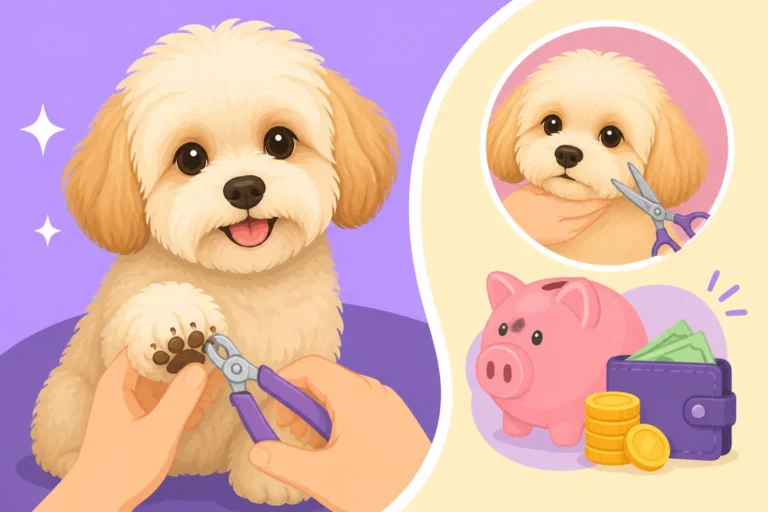
What a Phantom Maltipoo Sells For
It’s completely understandable to be captivated by the striking appearance of a phantom Maltipoo and wonder what sort of price tag comes along with such a unique coat pattern. Many prospective owners fall in love with a specific look, only to be surprised by the variability in pricing. This guide will walk you through what influences the cost of a phantom Maltipoo, shedding light on the factors that play into their price, and helping you set realistic expectations for your budget.
Understanding Phantom Maltipoo Coloring and Its Rarity
When you stumble upon pictures of phantom Maltipoos, they truly stand out. That distinct patterning, almost like a miniature Doberman or Rottweiler, is rare and absolutely gorgeous. But what exactly defines this unique coat, and how does that uniqueness translate into a breeder's asking price? It’s more than just a pretty face; there’s a whole lot of genetics and demand playing a role.
What Defines a Phantom Maltipoo Coat
A phantom Maltipoo isn't just a Maltipoo with some dark markings. The term "phantom" refers to a very specific color pattern characterized by distinct, contrasting markings on a base color. Typically, you'll see a primary base color, often black, chocolate, silver, or apricot, with lighter "points" of a secondary color appearing in specific areas. These points will usually be found on the muzzle, over the eyes (like eyebrows), on the chest, on the legs, and under the tail. The key is that these points are clearly defined and distinct, not blended or mottled.
Imagine a little dog with a rich black coat, but with perfectly symmetrical tan eyebrows, tan patches on its cheeks, and tan "socks" on its paws. That’s the classic phantom look. Sometimes, these lighter points can be cream, silver, or even a deep red, offering a beautiful contrast that really makes these dogs pop. It’s this precise, almost artistic arrangement of colors that makes the phantom pattern so desirable and, often, more expensive. You don't just see this pattern everywhere; it takes specific genetics to achieve.
Why Phantom Coloring Can Influence Price
The influence of a phantom coat on a Maltipoo's price comes down to a simple economic principle: supply and demand, coupled with the difficulty of consistently producing such a pattern. Phantom is not one of the most common Maltipoo colors. While you'll see plenty of white, cream, apricot, and even solid black Maltipoos, finding a true phantom can be a bit like searching for a specific piece of art. Breeders who can reliably produce phantom-patterned puppies are working with a more specialized genetic line, which often involves more selective breeding.
This rarity means that breeders often charge a premium for phantom Maltipoos. Buyers are often willing to pay more for a dog that stands out, or one that matches a specific aesthetic they desire. It's not uncommon for a phantom Maltipoo to be priced at the higher end of the Maltipoo spectrum, and sometimes even considerably more than a littermate with a more common solid color. This isn't just about superficial looks; it reflects the breeder's investment in particular bloodlines and the market's demand for unique traits. For a deeper dive into unique coats, check out The Phantom Maltipoo.
The Genetics Behind Phantom Patterns
Understanding the genetics behind a phantom pattern can help explain its price point. This pattern is controlled by a specific gene, often referred to as the "K locus" or "A locus" depending on the exact genetic combination, which determines where and how black and tan pigments are expressed. Both parent dogs must carry the genes for the phantom pattern, and even then, not every puppy in a litter will necessarily inherit it. This unpredictability adds to the perceived value and rarity. A breeder might specifically breed two dogs known to carry the phantom gene to increase the chances, but it's never a guarantee that every puppy will display the pattern perfectly.
Sometimes, breeders might refer to a "cryptic phantom," where a dog carries the gene but doesn't visibly express it due to other overriding genes. This complexity means that a breeder has to have a good understanding of canine genetics, and often has to invest in genetic testing for their breeding dogs to ensure they are carrying the desired traits. This added level of care and knowledge translates into higher costs for the breeder, which are then reflected in the puppy's price. When you're paying more for a phantom, you're not just paying for the color itself, but for the effort and expertise required to produce it.
Key Factors Beyond Color That Shape a Maltipoo's Cost
While a stunning phantom coat can certainly influence a Maltipoo's price, it's crucial to remember that it's just one piece of the puzzle. There are many other significant factors that contribute to the overall cost of a Maltipoo puppy, regardless of its color. Understanding these elements can help you evaluate a puppy's price more holistically and ensure you're making a responsible decision, not just being swayed by an appealing aesthetic.
Reputable Breeders and Comprehensive Health Clearances
One of the most critical factors influencing a Maltipoo's price is the reputation of the breeder and their commitment to health testing. A responsible, ethical breeder will invest heavily in the health and well-being of their breeding dogs and their puppies. This includes genetic health screenings for common issues that can affect Maltipoos, such as Slipping Kneecaps in a Maltipoo, certain eye conditions, and The Liver Shunt a Maltipoo Can Inherit From the Maltese. They will also provide excellent veterinary care for the mother and puppies, proper nutrition, and early socialization.
These efforts come at a cost, but they are absolutely invaluable. A puppy from a breeder who performs all recommended health clearances and provides a What a Maltipoo Health Guarantee Should Say is naturally going to be more expensive than one from a backyard breeder or, worse, a puppy mill. This higher price isn't a rip-off; it's an investment in a healthier, happier dog with a reduced risk of costly genetic health problems down the line. Always prioritize a breeder who is transparent about their health testing and can show you The Four Certificates a Maltipoo Breeder Should Show.
Geographic Location and Supply vs. Demand
Just like real estate, the cost of a Maltipoo can vary significantly depending on where you live. In densely populated urban areas, particularly those with a higher disposable income, demand for popular designer breeds like Maltipoos tends to be higher. This increased demand, coupled with sometimes limited local supply of reputable breeders, can drive prices up. Conversely, in more rural areas or regions with fewer local breeders specializing in Maltipoos, prices might be slightly lower.
Beyond the local market, general economic trends and the popularity of the breed nationally can also play a role. If Maltipoos are currently a highly sought-after breed, prices across the board may be elevated. It’s always a good idea to research average prices in your specific region and perhaps even compare them to neighboring states or provinces if you're willing to travel. However, remember that traveling too far can add stress to a young puppy, so weigh the potential savings against the welfare of the dog.
Size Designations and Their Price Implications
Maltipoos come in a range of sizes, generally categorized as "teacup," "toy," and "miniature." These size designations, while not officially recognized by major kennel clubs, are widely used by breeders and significantly impact pricing. What Teacup Actually Means on a Maltipoo is often just a marketing term for the smallest puppies, typically under five pounds. These tiny dogs frequently command the highest prices. The belief is that smaller means more delicate and therefore more "special," even though medically, smaller often means more fragile and prone to health issues like Hypoglycemia and the Teacup Maltipoo Puppy.
Toy Maltipoos, typically weighing between five and ten pounds, are also very popular and tend to be priced in the mid to high range. Miniature Maltipoos, usually ten to twenty pounds, are generally the least expensive of the three categories, primarily because they are larger and closer to the size of a Miniature Poodle, one of the parent breeds. It’s important to understand that breeders can rarely guarantee an exact adult weight, and sometimes a "teacup" puppy can grow into a "toy" size. Don't let a size label fool you into paying an exorbitant price without considering the health implications and actual predicted adult weight, as discussed in Whether a Breeder Can Guarantee a Maltipoo's Weight.
The True Investment: Beyond the Initial Purchase Price
Falling in love with a phantom Maltipoo is easy; their looks are undeniable. But the initial purchase price, no matter how substantial, is truly just the beginning of your financial commitment. Owning a Maltipoo, especially a small one, comes with a host of ongoing costs that can easily dwarf the upfront expense over their The Twelve to Fifteen Years a Maltipoo Lives. It’s vital to budget for these long-term needs to ensure your furry friend lives a healthy and happy life without unexpected financial strain.
Prioritizing a Healthy Companion Over Specific Aesthetics
It's tempting to get swept away by a specific color or pattern, especially something as striking as a phantom coat. However, a responsible owner's primary focus should always be on the health and temperament of the puppy. Be wary of any breeder who advertises "rare" colors at astronomical prices but can't provide solid health clearances for their breeding stock. This is a common tactic used by less reputable breeders or even puppy mills to capitalize on demand for unique looks without investing in proper breeding practices. Whether Buying a Maltipoo on Color Is a Mistake is a question many regret not asking sooner.
When you choose a puppy purely for its color or size without verifying the breeder's credentials, you risk ending up with a dog that has significant health problems. These issues, like severe dental disease or a collapsing trachea, can lead to heartbreaking situations and enormous veterinary bills down the line. A healthy, well-adjusted Maltipoo, regardless of its coat color, will bring you far more joy and far fewer headaches than a "designer" dog with a host of inherited problems. Always ensure your breeder prioritizes health above all else. Spotting a Mill Bred Maltipoo Listing can help you avoid making a regrettable purchase.
Essential Ongoing Care and Its Financial Demands
Once you bring your Maltipoo home, the regular expenses truly begin. First up is food. These little guys may be small, but they need high-quality nutrition. Whether you choose premium kibble, fresh-cooked meals from services like Ollie, or a combination, expect this to be a recurring cost. You'll need treats for training, which can be found in bulk from places like Chewy, but remember to factor in their tiny calorie requirements. Then there's grooming; a Maltipoo's coat, especially one with a beautiful phantom pattern, requires consistent care to prevent matting. Whether you learn The Kit Needed to Groom a Maltipoo at Home or opt for professional grooming every 4-8 weeks, this is a significant expense, as explored in The Fifty to Eighty Dollar Maltipoo Groom.
Don't forget veterinary care! Puppies need a series of vaccinations, deworming, and regular check-ups. As they grow, annual wellness exams, vaccinations boosters, and parasite prevention are essential. And, inevitably, there will be unforeseen vet visits for illnesses or injuries. Think about the costs of spaying or neutering, microchipping, and yearly licenses like What a Microchip and City Tag Cost a Maltipoo Owner. All these routine, non-negotiable costs add up quickly.
Here's a quick look at some general cost categories:
| Category | Description | Frequency |
|---|---|---|
| Purchase Price | Initial cost from a reputable breeder (varies by color, size, lineage) | Once |
| Food & Treats | High-quality kibble, wet food, or fresh food (e.g., Ollie) | Monthly |
| Grooming | Professional clips, baths, nail trims, or home grooming supplies | Monthly/Bi-monthly |
| Veterinary Care | Annual check-ups, vaccinations, parasite prevention, unexpected illnesses | Annually/As needed |
| Supplies | Bed, crate, toys, harness (e.g., from Chewy), bowls, leashes | Initial + As needed |
| Training | Puppy classes, private lessons, behavioral consultations | Initial/As needed |
| Pet Insurance | Monthly premiums for accident & illness coverage (e.g., Healthy Paws) | Monthly |
Protecting Your Investment with Pet Insurance
Given the potential for unexpected health issues in small breeds, and the fact that Maltipoos are prone to conditions like patellar luxation and dental problems, pet insurance is something every owner should seriously consider. While it's another monthly expense, it can be a lifesaver when a major illness or accident strikes. Imagine facing an emergency surgery or a long course of treatment – those bills can easily run into thousands of dollars. Having a policy from a provider like Healthy Paws can help you make care decisions based on what's best for your dog, rather than solely on your ability to pay out-of-pocket.
It’s advisable to get pet insurance as early as possible, ideally when your Maltipoo is still a puppy. Many policies have waiting periods before coverage kicks in, and pre-existing conditions are typically not covered. Investing in insurance is not just about protecting your wallet; it’s about securing access to the best possible veterinary care for your beloved companion throughout their life. It brings immense peace of mind, knowing that if the worst happens, you’ll have support. Considering What a Maltipoo's Yearly Vet Bill Comes To truly highlights the value of this safety net.
Disclaimer
This article is for general informational purposes only and does not constitute professional advice. Laws, prices and regulations vary by location and change over time. Consult a qualified professional for guidance on your specific situation.