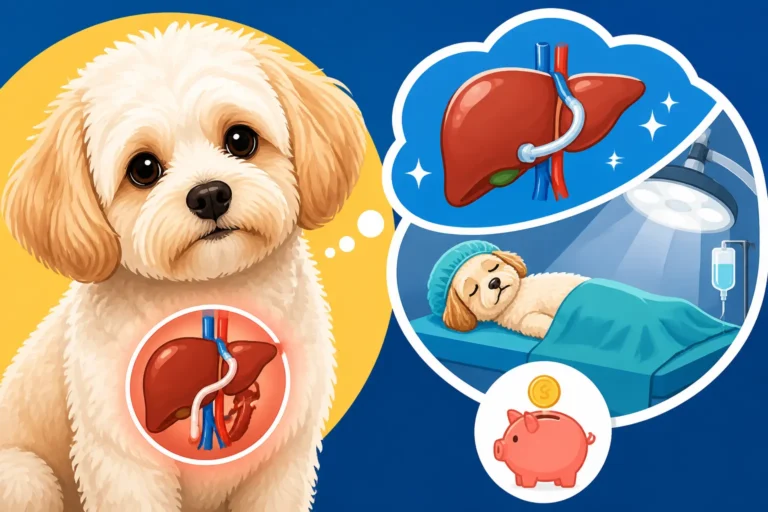
What a Bile Acid Test Costs on a Maltipoo
It's incredibly unsettling when your precious Maltipoo puppy isn't acting quite right, especially when you know there are certain health concerns specific to their tiny size and unique genetic makeup. One of the most worrying, and thankfully often detectable, conditions is a liver shunt. This guide will walk you through what a bile acid test is, why it's so important for Maltipoos, what you can expect in terms of cost, and what the results might mean for your furry family member.
Understanding the Bile Acid Test and Its Purpose for Maltipoos
When you bring a Maltipoo into your home, you're not just getting an adorable, fluffy companion; you're also taking on the responsibility of understanding their unique health predispositions. Among these, issues with liver function, particularly portosystemic shunts, can be a major concern, and the bile acid test is often the first crucial step in uncovering them.
What is a Bile Acid Test?
A bile acid test is a specific diagnostic tool used by veterinarians to assess how well a dog's liver is functioning. Essentially, bile acids are produced by the liver, stored in the gallbladder, and then released into the small intestine to help with fat digestion. After doing their job, most of these bile acids are reabsorbed into the blood and sent back to the liver for recycling. It's a neat, efficient system when everything is working correctly.
The test itself typically involves two blood samples. Your Maltipoo will first have a fasting blood sample taken, usually after a 10-12 hour fast. Then, they'll be given a small meal, and another blood sample will be drawn about two hours later. The reason for the two samples is to see how effectively the liver clears the bile acids from the blood after a meal. If the liver isn't functioning properly, or if blood is bypassing the liver altogether, the bile acid levels in the blood will remain high after eating, signaling a problem.
Why Maltipoos Specifically Need This Test: The Liver Shunt Connection
Maltipoos, being a crossbreed of Maltese and Poodle, inherit traits from both sides, including certain genetic predispositions. Unfortunately, the Maltese side of their lineage is known to have a higher incidence of congenital portosystemic shunts, often referred to simply as liver shunts. These are abnormal blood vessels that allow blood to bypass the liver, preventing it from filtering toxins and processing nutrients as it should. This means that a Maltipoo puppy might not be detoxifying its blood properly, leading to a build-up of toxins that can seriously impact their brain and overall health.
Because liver shunts are a known issue in the Maltese breed, and therefore a concern for Maltipoos, a bile acid test is often recommended, especially if a puppy shows any symptoms like poor growth, neurological signs (staring into space, seizures), or gastrointestinal upset. It's an important screening tool that can provide vital information, particularly if you're concerned about The Liver Shunt a Maltipoo Can Inherit From the Maltese. Catching this early can make a world of difference for your puppy's future health and quality of life.
Deconstructing the Cost of a Maltipoo's Bile Acid Test
Understanding the "why" is one thing, but the "how much" is often a major concern for pet parents. The cost of diagnostic tests can vary quite a bit, and a bile acid test for your Maltipoo is no exception. It's important to be prepared for what these expenses might look like.
The Typical Cost Range for a Bile Acid Test
The price tag for a bile acid test can fluctuate significantly based on several factors, including your geographic location, the type of veterinary clinic you visit, and whether the test is part of an emergency visit or a routine diagnostic workup. Generally, for a standard bile acid test involving the two blood draws and laboratory analysis, you might expect the cost to range from a couple of hundred dollars to several hundred. In more metropolitan areas or at specialty veterinary hospitals, these costs can sometimes lean towards the higher end.
Remember, this isn't just a simple blood draw; it involves the careful timing of two samples and specialized lab analysis. Many clinics will send the samples to an external veterinary laboratory, which adds to the overall cost. It's always a good idea to call your local veterinarian's office and ask for an estimate specific to your area and their practice.
What Exactly Does the Cost Cover?
When you receive a bill for a bile acid test, it's typically an aggregation of several services. Knowing what you're paying for can help demystify the expense.
- Veterinary Consultation/Exam Fee: Even for a scheduled test, there's usually an examination fee or a consult fee for the veterinarian to assess your Maltipoo, discuss the procedure, and interpret the results.
- Blood Draws: There are two blood draws involved in a bile acid test – one fasting, one post-meal. Each draw requires a technician's time and resources, including sterile needles and tubes.
- Fasting Period Management: While you manage the fasting at home, the clinic staff needs to schedule the test to ensure proper timing of the post-meal draw.
- Specialized Laboratory Analysis: The blood samples are sent to a veterinary diagnostic laboratory for analysis. These labs have specific equipment and protocols to accurately measure bile acid levels. The cost includes the processing of these two samples and generating a detailed report.
- Interpretation of Results: Once the lab results are back, your veterinarian will spend time analyzing them and explaining what they mean for your Maltipoo's health. This follow-up communication or consultation is an integral part of the process.
It’s a comprehensive process designed to give the clearest picture possible of your Maltipoo’s liver function. For example, if your vet recommends The Liver Shunt Test a Maltipoo Puppy Should Have, they're referring to this specific, two-part process.
Beyond the Test: Next Steps and Potential Associated Costs
Getting the bile acid test done is just one part of the journey. What happens after the results come in can lead to further diagnostic steps and associated expenses, especially if a liver shunt is suspected.
Interpreting the Results and Further Diagnostics
If your Maltipoo's bile acid test results come back normal, that's fantastic news and can offer a huge sigh of relief. It means their liver is likely functioning well in this regard. However, if the results indicate elevated bile acid levels, your veterinarian will likely recommend further investigation. This is where the potential for more significant costs can arise.
Elevated bile acids suggest that blood is bypassing the liver, strongly pointing towards a portosystemic shunt. To confirm this diagnosis and pinpoint the exact location and type of shunt, your vet might recommend advanced imaging techniques. These can include:
- Abdominal Ultrasound: This is a non-invasive imaging technique that can often visualize the abnormal blood vessels. A specialist vet or a veterinary radiologist usually performs this.
- CT Angiography (Computed Tomography): A CT scan provides much more detailed, 3D images of the liver and its blood vessels, offering the most precise diagnosis of a shunt. This is often the gold standard for surgical planning.
- Portography: This involves injecting a contrast dye into a blood vessel and then taking X-rays or a CT scan to visualize the liver's blood flow.
Each of these additional diagnostic steps comes with its own costs, which can range from several hundred dollars for an ultrasound to several thousand for a CT scan, depending on the clinic and location. These are critical steps to confirm the diagnosis and determine the best course of action.
Managing the Financial Aspect: Insurance and Payment Options
The potential costs associated with diagnosing and treating a liver shunt can be substantial, and it's completely normal to feel overwhelmed. This is where careful financial planning and considering pet insurance become incredibly valuable.
Pet insurance, such as policies from Healthy Paws or similar providers, can be a lifesaver. Ideally, you want to enroll your Maltipoo in a pet insurance plan when they are young and healthy, before any pre-existing conditions (like a liver shunt) are diagnosed. While plans typically don't cover pre-existing conditions, having insurance in place before a problem emerges means that covered diagnostic tests, treatments, and even potential surgeries related to new conditions could be reimbursed. It's similar to how Insuring a Maltipoo Before Its Knees Go can protect you from patella luxation costs.
If you don't have pet insurance or if the condition is not covered, don't despair. Many veterinary clinics understand the financial burden and offer various payment solutions. These might include:
- Payment Plans: Some clinics offer in-house payment plans or work with third-party financing companies like CareCredit.
- Veterinary Savings Accounts: Designating a special savings account for your pet's healthcare can provide a buffer for unexpected costs. This ties into the broader discussion of What a Maltipoo's Yearly Vet Bill Comes To.
- Assistance Programs: In some cases, there are veterinary assistance programs or breed-specific rescues that may offer financial aid for certain conditions.
Companies like Chewy and Ollie focus on nutrition and pet supplies, but knowing that you have resources for those daily needs can free up funds for unexpected vet bills. It's all about being prepared for the realities of pet ownership, which sometimes means facing significant medical expenses. Considering if Whether a Maltipoo Owner Should Open a Credit Line specifically for vet emergencies is also an option many owners explore.
The Importance of Early Detection and Breeder Responsibility
Discovering that your Maltipoo has a liver shunt can be heartbreaking, but early detection through tests like the bile acid assay and subsequent treatment can drastically improve their prognosis and quality of life. This really highlights the importance of thorough health screening.
The Long-Term Impact of an Undetected Liver Shunt
An undetected or untreated liver shunt can have severe and progressive consequences for your Maltipoo. Because toxins aren't being properly filtered from the blood, they can accumulate and lead to a condition called hepatic encephalopathy, which affects the brain. You might see a range of neurological symptoms, from lethargy and disorientation to seizures and even coma. These symptoms can be subtle at first, often mistaken for general puppy malaise, but they worsen over time.
Beyond neurological issues, a shunt can also cause poor growth, chronic gastrointestinal problems (vomiting, diarrhea), and urinary tract issues due to the accumulation of certain byproducts. The liver also plays a crucial role in metabolism and nutrient absorption, so an affected Maltipoo may struggle to gain weight or thrive. Ultimately, severe, untreated shunts can be life-threatening. Recognizing The Signs a Maltipoo Puppy Has a Shunt early is paramount to intervening before irreversible damage occurs. The sooner a shunt is identified and addressed, the better the chances are for a good outcome, potentially allowing your Maltipoo to live a relatively normal and healthy life.
What to Ask Your Breeder About Health Testing
When you're looking for a Maltipoo puppy, responsible breeders should be transparent about the health of their breeding dogs and the proactive steps they take to prevent genetic conditions. Given the prevalence of liver shunts in Maltese and Maltese crosses, it's absolutely crucial to inquire about testing for this condition.
A reputable breeder should be able to provide documentation of health clearances for the parent dogs, particularly concerning conditions known to affect the breeds, such as patellar luxation, eye conditions, and liver health. Specifically, ask them about:
- Bile Acid Test Results: Did the parent Maltese (or Maltipoo if both parents are Maltipoos) undergo a bile acid test? While it's not always standard for all breeding dogs unless there's a specific concern, a breeder actively working to reduce the incidence of shunts might test their lines.
- Genetic Testing: Some genetic markers related to liver shunts are being researched. Ask if they do any genetic screening.
- Health Guarantee: Understand the specifics of their health guarantee. What does it cover, and for how long? Does it specifically mention congenital conditions like liver shunts? A strong guarantee, like What a Maltipoo Health Guarantee Should Say, provides peace of mind.
A breeder who is knowledgeable and honest about potential health concerns, and who takes steps to mitigate them, demonstrates a commitment to the well-being of their puppies. Don't be shy about asking direct questions and requesting to see relevant veterinary records. This due diligence on your part can save you significant heartache and financial strain down the road.
Bile Acid Test Cost Breakdown: An Estimate
Here's a general breakdown of what the costs for a bile acid test might cover. Keep in mind these are approximate ranges and can vary widely.
| Service Component | Estimated Cost Range (USD) | Notes |
|---|---|---|
| Veterinary Consultation/Exam | $50 – $150 | Often a prerequisite for any diagnostic test. |
| Blood Collection (2 samples) | $50 – $100 | Includes technician time, supplies for fasting and post-meal draws. |
| External Laboratory Analysis | $100 – $300 | Cost charged by the specialized veterinary lab for processing. |
| Total Estimated Bile Acid Test | $200 – $550 | This range is for the test itself, excluding any further diagnostics. |
This table does not include potential costs for additional diagnostics like ultrasound or CT scans, which would be separate and typically more expensive.
Disclaimer
This article is for general informational purposes only and does not constitute professional advice. Laws, prices and regulations vary by location and change over time. Consult a qualified professional for guidance on your specific situation.